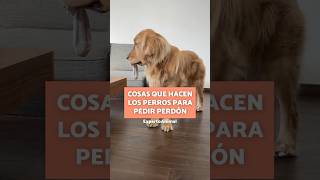
¿Los PERROS PIDEN PERDÓN?🐶¡Así se disculpan los perros cuando hacen algo malo! #shorts
21 Feb 2025 · 1 min
1:22
Dogs don't actually feel guilt when they misbehave, but they use calming signals to soothe angry owners. The video explains what those signals are and why positive reinforcement works better than punishment for training.
More from Javier

youtube.com
Cuando nadie reconoce tu dolor por la pérdida de una mascota: así es el duelo desautorizado 💔
3w ago




youtube.com
¿Tu perro hace suficiente ejercicio? Mantenerlo activo es clave para que viva mejor 🐶💪
4w ago

youtube.com
GATIFICANDO UNA PARED PARA MI GATO 😻🧗♂️ Ideas para aprovechar el espacio vertical en casas pequeñas
4w ago



youtube.com
Por qué duele tanto perder a un perro o un gato: el vínculo que explica nuestro duelo 💔🐾
1mo ago

See all content
