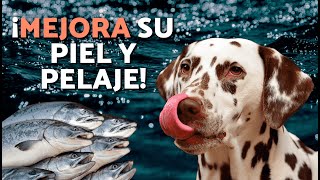
An animal expert explains whether dogs can safely eat salmon, covering its health benefits, potential risks, and how to prepare it properly. The video advises consulting a veterinarian before adding salmon to your dog's diet.
Whether it's sushi, smoked or pan fried, humans eat salmon in many forms. But what about our dogs? Do you think your dog would go crazy for a plate of salmon? Sure they would, but are you aware that something so healthy for you could be dangerous for them if you don't prepare it right? In this video by an animal expert, we'll explain whether or not dogs can eat salmon and what benefits it can have for them. Lets get started. Let's start with the most basic Is salmon good for dogs? And the answer is yes. Salmon is a suitable fish for dogs because it does not contain toxic substances for their bodies. It is also very nutritious and provides great benefits for their health, although we will go into more detail about that later. Basically, salmon for dogs can be included in both homemade diets and in feed, where it is increasingly common to find it as an ingredient. However, before offering it to them, it is essential to take certain precautions into account to avoid negative effects on their health. Let's continue with the benefits of salmon for dogs. As it is a blue fish, it stands out for its richness in omega 3 and omega 6 fatty acids, essential for the health of our dogs and cats. These fatty acids promote the development of the nervous system in puppies, act as natural antioxidants, improve the health of the skin and coat, and help prevent heart and immune diseases. Salmon oil can even be used as a supplement for dogs in their diet. In addition, salmon is an excellent source of high quality protein. It provides minerals such as phosphorus, salt, selenium, iodine and potassium. And it contains almost all the B vitamins as well as vitamins E and D, essential for keeping your dog healthy. Now, how can I give salmon to my dog? As we have already mentioned, you can include salmon in your dog's diet in the form of commercial feed or in balanced homemade rations. If you choose to prepare a homemade ration, keep in mind these recommendations that we give you from Animal Expert. First, choose fresh salmon and remove all the bones as they can be dangerous for your dog. 2. Steam, grill or bake the fish without adding oil or seasonings. 3. If you choose a raw diet, freeze the raw salmon for at least two or three days to avoid parasites. 4. Combine the salmon with other foods to ensure a balanced diet. If you are inexperienced, consult a veterinarian specializing in nutrition. Remember that dogs can eat fresh salmon fresh, preferably cooked, but they should not consume products such as smoked salmon, marinades, pates or other processed foods as they contain salt, spices and additives that are harmful to their health. The Frequency with which you can include salmon in your dog's diet depends on factors such as the animal's age, health status and activity level, as these determine the energy they need daily. To ensure that your dog receives the right and balanced amount of salmon or other foods in their diet, it is essential to consult a veterinarian specializing in animal nutrition. This professional will be able to tell you how to incorporate salmon, regularly adapting the portions to your dog's specific needs. Now that you know the benefits of salmon for dogs and how to feed it, it's also important to know that not all that glitters is gold. There are some risks if the necessary precautions are not taken when feeding it to your dog. Let's take a look at them now. 1. Anisocchiasis salmon can be infested with nematodes of the Anastas genus. To avoid this, it is crucial to cook or freeze the fish before feeding it to your dog. 2. Pathogenic microorganisms Salmon for dogs can contain harmful bacteria such as Enterobacteria or Arimonas that can cause foodborne infections. Therefore, cooking or freezing the fish is essential to prevent this risk. 3 these are usually large and can be dangerous if not removed as they can cause obstructions or lesions in the dog's digestive tract. Four Fat salmon is still a fatty fish, which makes it a high energy source. If offered in excess, it can contribute to being overweight. Finally, although salmon is safe for most dogs, there are some exceptions in which its consumption is not recommended. It is not suitable for dogs that need a low fat diet such as those with obesity, gastroenteritis, inflammatory bowel disease or pancreatitis. Since salmon is a fatty fish, it is also not recommended for dogs with food allergies or intolerances. Although there are hypoallergenic foods made with salmon that are suitable for dogs with these conditions. In these cases, it is always important to consult a veterinarian before including salmon in your dog's diet. As you can see, salmon for dogs has many benefits and is a tasty and delicious option to include in their diet. Remember that whenever you have any questions, you should consult your trusted veterinarian. And if you want to know more about feeding dogs, don't miss the playlist that we have left for you here on the side. Until next time, experts.