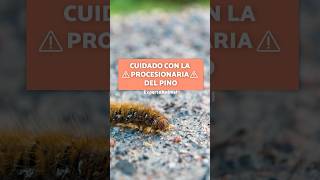
This is a YouTube video titled "ORUGA PROCESONARIA DEL PINO y PERROS ⚠️ Síntomas y PRIMEROS AUXILIOS #shorts" created in February 2025. It features Javier Pariente explaining the dangers of pine processionary caterpillars to dogs, describing symptoms of poisoning, and providing first aid advice to pet owners.
This is a pine processionary caterpillar and it can kill your dog if you don't know what to do. These caterpillars are mainly found in pine forests and nearby areas. They stay in their nests in winter and come out when spring arrives. However, they are coming down earlier and earlier and we are already starting to see some. We usually see them forming a line, which is why we know them as processionary moths. These caterpillars have urticating hairs that they shoot when they feel threatened. Therefore, if your dog comes close to smelling them, they will defend themselves by shooting these hairs. When these hairs get stuck in the dog's skin, they release a very toxic substance. You will know that your dog has been attacked by a processionary moth if you observe these. Hypersalivation inflammation and irritation of the skin ulcers Excessive scratching Nervousness Breathing problems General discomfort Red, purple or black tongue in very serious cases, poisoning occurs that can cause necrosis of the tongue and even block the airways that can end the dog's life. Ideally, go to a veterinary center as soon as possible, but if you can't, put on gloves and remove the caterpillar and any hairs that are embedded in your dog. Immediately pour hot water on the affected area, but make sure it's not burning. Do not rub or press. If the problem is on the tongue, it's very important that the dog doesn't swallow the water. To avoid this, you can use a gauze soaked in hot water and wipe it from the inside out. Keep changing the gauze because the stinging hairs will remain on it and could become embedded in the tongue again. The heat inactivates the toxin, but it doesn't treat it. You will definitely have to visit a vet to administer the most appropriate treatment to avoid all the problems mentioned. Be very careful during walks. Avoid areas with the most caterpillars and always check your dog until next time. Experts It.