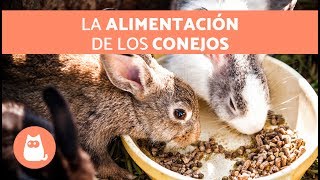
An animal expert explains what rabbits eat at different life stages, from birth through old age. The video covers dietary needs and health care tips for pet rabbit owners.
Did you know that rabbits are not rodents, but mammals of the order Logomorpha? Or that they are very sociable and intelligent animals? Rabbits are the third most popular species of pet for this reason. In this video by an animal expert, we explain everything you need to know about feeding rabbits from their newborn stage to their old age. And don't forget to subscribe to our channel to stay up to date with all our news. Baby rabbits, also known as rabbit kits, are especially delicate and require special care to survive. It is the mother who must feed her young until they are weaned. However, sometimes the mother may reject the young or die. In this case, it will be us who are in charge of feeding and caring for them. Remember that rabbits need to be sheltered in a comfortable nest, receive a constant temperature and be away from drafts and light. Feeding newborn rabbits is not easy. Therefore, the first thing we recommend is to visit a veterinarian so that they can show you the procedure and you can buy rabbit formula that you can administer with a bottle with a small nipple. This specific formula should be fed to rabbits several times a day until they reach seven, eight or nine weeks. At this stage, we should start to stimulate their curiosity with solid foods so that they can wean themselves and start feeding themselves. Once weaned, the rabbit will be moved to a cage. The minimum dimensions to ensure their well being are between one and one and a half meters. At this stage, the rabbit is fed mainly fresh quality feed which should be available in its feeder without restriction. This information is especially important since rabbits need to eat so that their intestinal transit is always active. If it stops, the rabbit could get sick and even die. We will also leave fresh, clean water available to them without restriction, as well as quality pellets specifically for rabbits. Look for those that have 18% fiber. We will start experimenting with food. The most recommended are green leafy vegetables such as arugula or kale, while fruits should only be used as treats. Around six to seven months of age, our rabbit will reach adulthood and at this time its diet should be modified slightly to prevent obesity. Remember that this should be done gradually. Unlimited feed will continue to be the basis of its diet to ensure gastrointestinal motility. But we will begin to limit the amount of pellets. Check the product packaging to find out the amount according to its age and weight. In adulthood, we should offer green leafy vegetables daily and as in the previous stage, limit fruit. It is important that you supervise the rabbit on a daily basis that it is eating properly and drinking water. If you notice a lack of interest in food, being overweight, having no droppings, diarrh or overcooked teeth in the rabbit. Go to your veterinarian for an evaluation. On the other hand, droppings that are too small, dark, or have irregular shapes may indicate a lack of fiber. Around the age of six, rabbits begin their senior years. It is important to dedicate more time to them and pay close attention to their behavior, habits and droppings in order to detect any illnesses early and ensure the daily interaction they so desperately need. When they become seniors, rabbits continue to maintain the same diet as adult rabbits with unlimited feed and daily servings of vegetables. However, to maintain their weight, the dose of pellets should be increased. It is always advisable to consult with your veterinarian for guidance. Make sure to provide them with all the affection they need. Remember that a rabbit can live to be over eight years old, although this will depend directly on their diet, the care they receive and how you treat them. Take care of them as they deserve for all the moments they have given you. And that's it for today's video. What else would you add to this list? How do you feed your rabbits? Leave us a comment and don't forget to give us a like and subscribe if you enjoyed the video. Until next time, experiment.