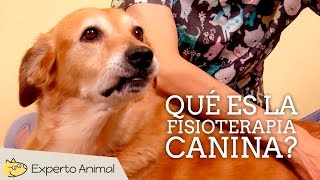
This is a YouTube video titled "¿Qué es la fisioterapia para perros?" created on April 30, 2016, featuring Montserra, a home-based physiotherapist for small animals. The video explains the benefits, goals, and methodologies of veterinary physiotherapy for dogs and cats, including treatment types and the rehabilitation process. It is an informative presentation aimed at educating viewers about animal physiotherapy.
Foreign hi, I'm Montserra. I'm a home based physiotherapist for small animals, especially dogs and cats, and I'm also the physiotherapist at the Canopolis Delgarif shelter. I also provide physiotherapy services to the association of Go Suspe de Catalunya. Today we're going to talk about physiotherapy, which unfortunately is largely unknown in our country. Home physiotherapy has many advantages for dogs and cats, including Treating dogs at the owner's home helps reduce stress. It's convenient for large dogs that don't like going by car or aren't able to go inside easily due to musculoskeletal or neurological diseases. When the dog is more relaxed, it's easier to assess any subtle injuries. It's also easier to assess the dog's environment and make recommendations if the treatment is done at home and it's a good option if the client has a busy life and doesn't have time to waste. The goals of rehabilitation are the reduce pain and inflammation, that is Achieve analgesia, delay muscle atrophy, improve function and independence in daily activities, increase muscle strength and endurance, gain cardiovascular endurance, reduce muscle spasms, increase healing speed and restore joint range of motion. Veterinary physiotherapy can be used to help in the following we can treat patients with spinal problems, lameness problems at all ages, including overweight animals, joint problems such as degenerative joint diseases such as hip and elbow dislocation. We can also treat bone fractures, neurological problems such as herniated discs, sports injuries before and after surgery to aid in the rehabilitation process. Remember that physiotherapy should never be performed on an animal that has not been diagnosed by a veterinarian and all the techniques explained below must be performed by a physiotherapist who will indicate if, if possible, which exercises the owner can perform on their animal and how, according to the treatment. The methodology we use is the before the first session, the animal's owner must provide the diagnosis made by their veterinarian and sign the patient information sheet. The first session is the assessment visit. Three things will be done during this visit. The diagnosis made by the veterinarian will be assessed, the patient will be given a functional assessment and a rehabilitation program will be designed to be sent to the veterinarian for approval. The rehabilitation plan will be implemented in the remaining sessions. At the beginning of each session, the animal will be examined to see what condition it is in and to provide the treatment it needs. At that time, periodic reports will be sent to the veterinarian to discuss the patient's progress. The treatments we perform include kinesiology and stretching, thermotherapy, cryotherapy, therapeutic massage, electrical stimulation, and hydrotherapy. In future videos, we will review all the treatments we have discussed. If you would like more information, you can Visit the website physiotherapiagos.com thank you for your attention. M.