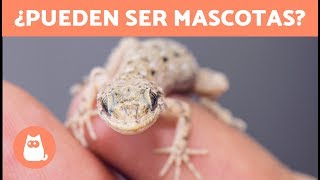
This is a YouTube video titled "¿Se pueden tener ANIMALES SALVAJES DOMESTICADOS? 🐺 ¿Y mascotas exóticas?" created on November 8, 2019. The content is an informative monologue by an animal expert discussing the biophilia hypothesis, the illegal trade of wild and exotic animals, the CITES Convention, and the ecological and ethical issues related to keeping wild and exotic animals as pets. It encourages adopting domesticated animals from shelters instead. The video is educational and aimed at raising awareness about animal trafficking and responsible pet ownership.
The biophilia hypothesis suggests that human beings have an innate tendency that drives them to relate to nature. It could be interpreted as a love for life or living beings. Perhaps for this reason, it is not surprising that so many people in the world want to have pets. And there is even a growing tendency towards other species, such as parrots, guinea pigs, snakes and even exotic cockroaches. However, all animals can be domestic pets. In this video by an animal expert, we talk about it the CITES Convention. There is currently an illegal and devastating trade in living beings that takes place between different countries around the world. Both animals and plants are extracted from their natural habitats, causing an imbalance in the ecosystem, economy and society of third World or developing countries. To combat the trafficking of these animals and plants, the CITES Convention was created in the 1960s, which aims to protect species in danger of extinction or threatened due, among other reasons, to legal trade. It comprises around 5,800 animal species and approximately 30,000 plant species. Below, we will show you some specific examples, but first, don't forget to subscribe to our channel to stay up to date with everything we share. Wild animals, even if they originate from the country where we reside, should never be treated as pets. First of all, it is illegal to keep wild animals as pets. Furthermore, these animals are not domesticated and it is not possible to domesticate them. Domesticating a species takes centuries and is not a process that can be achieved during the lifetime of a single specimen. On the other hand, it would go against the ethology of the species and would be encouraging poaching and deprivation of its freedom. Some species that we can find as pets and that should not be, are the leopard turtle, the ocellated lizard or the European hedgehog. The illegal trafficking and possession of exotic animals in the vast majority of cases, in addition to causing irreparable damage to the animals, can cause serious public health problems and as they can carry diseases endemic to their places of origin. Many of the exotic animals that we can buy come from illegal trafficking. Since these species do not reproduce in captivity, more than 90% of the animals die during capture and transport. As if this were not enough, if the animal survives until it reaches our home and once here we manage to keep it alive, it can still escape and establish itself as an invasive species, eliminating native species and destroying the balance of the ecosystem. Some examples of exotic animals that have become invasive species are the Florida turtle, the African hedgehog, the Cramer parrot or the Argentine parrot. In addition to their possession being prohibited, there are certain animals that are very dangerous to people due to their size or aggressiveness. Among them we can find the koi and the iguana. Now you know why not all animals can become pets. If you are considering owning an exotic animal, we recommend that you think about it and adopt domesticated animals that are in shelters and protectors all over the world waiting for a responsible person to take care of them. We can find dogs, cats, rabbits and many more. What do you think about this video? Do you know someone who has any of the animals we have mentioned? Leave us your comments and don't forget to like us if you enjoyed this content. Until next time, experts.