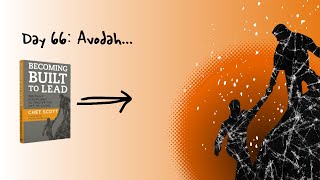
Short video/transcript of Chad Silverstein discussing 'Avodah' (Hebrew for 'to serve') and applying the concept to leadership. He promotes servant leadership—flipping hierarchical charts, serving employees, creating partnership culture, and leaving a legacy—especially in workplace contexts.
Chapters
Avoda. Avoda is a. It's a, it's a Hebrew word and it means to serve. And so when I go and I pray during the day and in the mornings, I. I go and I serve, I serve a higher power. And when I relate that to my journey with Build to lead, and I think about my company and I think about what most leaders do and how they show up at their offices and with their teams, it's incredible. When you see leaders have this expectation that people serve them, just think it's hilarious. You have an individual who's in a position of authority and they literally, they could treat people like slaves. It's incredible the control that people get when they become a leader, when they become a manager, and the way that they abuse it. And their expectation is just funny. If you're a leader and you're leading anyone or anything, your ability to serve others in a very powerful way is how you can get the best out of everyone around you and ironically get them to align with your vision, to help you and support you with whatever it is that you're pursuing. And so I've said it before, I used to take my accountability chart, my, my hierarchy chart in my office, and I'd flip it upside down. I'm at the bottom and the brand new people are at the top. Because my belief was we're there to serve them, they're not there to serve us. And I really think that if you were to talk to my team that used to work with me at my company, that they would say that. I mean, we really felt like partners, we really made them feel like they were part of the business. And we're talking about entry level folks that were on an hourly wage with an opportunity to make commission. And I tried to create that culture of this servant leadership, and I really, deeply believe in it. And I think that when you have great leaders who are there to serve and to give, whether that's their knowledge, their time, their experience, whatever, whatever it is, you know, making other people's lives better will make everything better. It's also how you can leave a legacy. It's also how you can get the best out of people. And again, if they're on your team, even more so that they can help you with your vision. Hopefully you have a vision. So think about your way of leading. If you're an employee, if you're a teammate, if you're an employer, if you're someone in your community, if you're someone working on a project and you're working with other people, you know, who's serving, who, who's got that mindset. And, you know, if you want to look at this in a spiritual sense, great. I'm focusing on work right now because I think it just shows its ugly head with a lot of people who become leaders, and it turns them into someone that other people don't want to be connected to, which is the opposite of becoming built a lead servant leadership is where it's at. So how do you show up and how do you serve? Think about it, write about it, and if you have the courage, ask people around you, who you work with, how they feel about your servant leadership skills.