Heather Lowe: Empowering Change with Ditched the Drink
13 Dec 2025 · 1 min
0:57
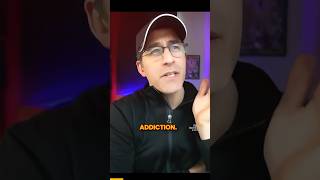
Short monologue by Heather Lowe describing her personal experience with alcohol addiction (recognizing compulsive thinking), the emotional difficulty of change (grief, sadness, letting go), and the role of coaching—grounded in neuroscience—in guiding people through recovery and holding space for change. Emphasizes sharing personal story to help others.
Chapters
More from Chad


youtu.be
Carl Banks Interview Trailer: Two Time Super Bowl Champ Talk Business and Leadership.
10mo ago



youtu.be
Ty Montgomery Interview Trailer: The Goals and Grit of an NFL Player With a Heart of Gold.
10mo ago





youtu.be
Brock McGillis Interview Trailer: Hockey Hero Breaking Barriers and Embracing Identity.
10mo ago
See all content
