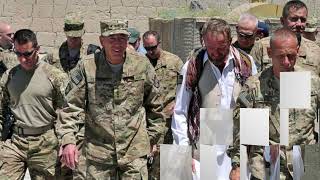
A short interview transcript where Jim Gant and Sam discuss the warrior identity, responsibility to protect one’s community, and resisting a victim mindset often associated with military trauma. They frame life as perpetual combat and describe OPUS as a transformational process that provides tools to build an "ark" capable of sheltering others. The exchange closes with a focus on truth—how to define it when working with a nihilistic client—and limits to how much truth people can tolerate.
Chapters
I am a warrior.
I was willing to do whatever I had to do. Protect your village.
To protect my men, and kill the enemy, protect your valley.
And protect your tribe.
I think that that's one of the things that people in the military, we make ourselves victims. Hey, I got ptsd, and I have tbi.
But I'm not anybody's victim.
How? Life is combat. We are all in combat. My combat is no different than your combat. Your losses, your battles, your failures, your.
Victories, they're the same.
Same. It's just a mechanism. OPUS is giving you the tools and the understanding and the know how and the resources in order to build your ark. The ark that you're building needs to be big enough for others to get in, and it can withstand the worst storm imaginable. What's your relationship with God? How you treating your wife?
How you treating your kids?
It's a process of transformation with steps of awareness.
I'm having to go all the way back with one of my clients who's very nihilistic.
Been going back and forth and back and forth. But you know what we're working on now? What is true? I'm having to define this with it, because he has said the statements.
Just because it's true for you doesn't.
Make it true for me. That is not a true statement. A person can sit down and bullshit.
Their way through the whole thing unless.
They have a builder who goes, that's if it's true.
It's true truth in every aspect of your life.
Most people can only go so far because most people can only handle so much truth. Sam.