Pete's Full Interview
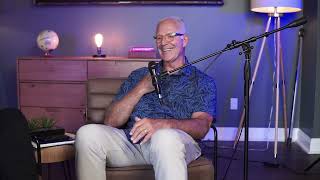
Pete Kunk left IBM in Kentucky in 1974 to work in packaging, then became a Dale Carnegie instructor before transitioning to professional coaching around 2000. His core philosophy centers on his opus from 1 Thessalonians 5:11: encourage, uplift, challenge.
Questions this video answers
1974
Around 2000–2001
Dale Carnegie course (about $1,200), Stephen Covey's 7 Habits, Ohio State executive development program, Coach University (about $10,000), CTI (Coach Training Institute) two-year curriculum.
Worldview, Identity, Principles, Purpose, Passion, Process
Based on 1 Thessalonians 5:11 — to encourage, uplift, and challenge fellow human beings to seek excellence and flourish.
Chapters
I never heard you share before. You knew Chat. Before you knew Bill to lead. You were with Dale Carnegie. Was that before? No. Okay, so just walk me through and then we're. I'm really interested in hearing is when or how you met either Bill to lead or Chad or like, I don't know, I don't even know if it was Larry first. But just walk me through that beginning.
Well, I, I'll give you a real short version though. I'm from Springfield, Ohio, went to University of Kentucky. I leave Kentucky in 1974. I go with IBM. Okay. They immediately I've been moved. You know, they, IBM, I've been moved. They, they transfer me to Columbus. I work for IBM for a couple of years. I meet a guy playing handball at the Y. That's an ancient sport that they played back then. Then racquetball, another ancient sport, and then pickleball, I guess they have now. So anyway, so then when I meet Phil, Phil is an entrepreneur. He, he ran a corrugated, a corrugated company in Indianapolis. Hometown boy, Columbus. Great athlete. He was probably 45, 50 at the time, maybe 45. I meet him and he. I would consider him like the built to lead model in many ways. So I'm immediately attracted to him. So we're playing, we're at the Y and we're playing a lot of handball. And this guy's so enthusiastic about his business that he just started and that he left corporate America to really pursue his dream. And that's what he talked about, his big dream. He, he used to say that I'm just a small town boy, that I just wanted to come back and build this business. And I was just really infatuated with that. I wanted to know more about that because my father had worked for a small family business that grew into a very large business. And this went on for a year. And the more that he talked to me, the more that I wanted to do something like that. And one day he said to me, hey, have you ever thought about doing something like this? And of course I said, no. I always wanted to work for IBM because one of the guys in the neighborhood worked for IBM. Beano. I wanted to be Beano and work for IBM. And I remember my dad telling me, you're working for one of the greatest companies in America. And the day that I told my dad I was leaving to go work for Cello Poly, Phil's company in the packaging business, I. The tears started coming down his face. So I went to work for Phil. And Phil said to me, the week that I joined he said, now I want you to take 10% of your salary and you're going to invest that in yourself. So he said, you know, I'm going to make sure that you're pay, you're compensated properly, but you're going to, you have to develop because you're going to be the next generation of leader here. And that left a lasting impression on me. And so the next thing he said to me is I want you to take a Dale Carnegie course. It was $1,200, a lot of money, and I want you to pay for it. And by paying for it and taking that course, it'll mean more to you. And then when you're done with that, then I'm going to spend $1,500 on you and we'll find another course to take. Development opportunities. And so I took that course and ironically there were many people from IBM in the course because IBM sent people, you know, to there, but I, I didn't have the chance to, to do that when I was at IBM. And so I volunteered to be a graduate assistant to help others through the program. And back then there were, they, they had contracts with here, here's the telephone company right here. The building that we're in is the old, one of the old AT&T, I guess telephone companies or something like that. But so big contracts with the insurance companies and a lot of law firms and things like that. So teaching people really to get up on their feet, give them the confidence to speak and, and other skills that they taught throughout. So I volunteered for like five years. I did that for five years and I loved it. And, and so then one day they said to me, look, you got it. We want you to be an instructor. You're going to be an instructor. Well, back then you had to go to New York. And so I spent weekends going to New York over a two year period. And they wouldn't put anybody in front of a group of 40 professionals, you know, without being trained. So it was great training. And so I did that, I did that once or twice a week, always once a week. And I say with humility, myself and another guy, we had a pretty popular following, you know. And so there would always be like a second night, you know, as we got, as we really got into it. And so we were called avocational instructors. So that was my introduction to what personal development was all about. And then Phil kept his promise and he just sent me everything. I went to Stephen Covey's 7 Habits of Highly Effective People. Later on, much later on he did conversational skills, you know, building and, and then they, he sent me to Ohio State for a two year executive development program. And, and, and, and so our company was growing the whole time and along the way, you know, I, as we do, you know, we, we succeed in life, you know, and you grow and, and I've got kids at that time and we move into this neighborhood all in tangy and, and Powell and, and we're there and my wife is just a great lady and she wants to have a Christmas party for. Because it was a new development. And so we have this Christmas party and this little guy kind of shows up at the Christmas party in cowboy boots. And he was a real cocky guy, Chet Scott. And so then I have a son and a daughter by then, And Ryan is seven years old. And this is. No kidding, it's about 6:00 clock at night. I arrive, I'm arriving home and this guy knocks on the door and this is, this is several months later. And he says, is Ryan home, my son? And I say, well, you mean me, Pete? And I said, you're, I think we met. You know, it's a Christmas party. Well, Chet, he goes, well, tell Ryan that the football game has started, it's down at my house. And he kind of turns and you know, says hello, but walks away. And so then I'd see him kind of racing up and down the street in this older Porsche that he had at that time. And I told my wife, I said, cowboy boots and a Porsche? I said this. Who does this guy think he is? You know, and then, you know, we become great friends. And he was, he was a really dynamic character, you know, even, even way back then. And, and we really hit it off. I was well into reading probably at that time. I just, I used to count the number of books that I read in a year. I was reading about 20 books a year, all on leadership and development. And so I meet Chad and we're talking about leadership and, and, and mind you, I was. Our company was a small company. We weren't a big corporation at the time, but we were really growing fast. So Chad, he was about 32 years old and he at that time I think had just gotten promoted to VP of marketing and sales. Huge responsibility. So I'm about 8, 10 years older than him and I was a VP in our organization. And so any like HR issue you might say that I would have or problem I would have, he'd have 10 of those in a day. But we used to talk about, you know, things like that and how we were handling them and, and he wasn't much of a reader and I used to just be pounding him with these books all the time. And it's interesting because he is a voracious reader, as you know now. And I reminded him of that one day and I, I started laughing because you, you don't remember it that way, do you? I said, I gave you. The first book I can remember was by Bolan and Deal, I think it was, and, and wonderful book and all about having a sense of purpose and values and, and he read it and then at that time he, he in his company, they were talking about center for Creative Leadership and Chet being the, the go to guy for that. They were going to send him to the center for Creative Leadership. And I think after that there was just, just, you could just see it with them. An explosion of curiosity and enthusiasm. That's not a fair word. Enthusiasm. He was always enthusiastic, but a passion for leadership. And I bet he was reading 20 or 30 books a year after that because I couldn't keep up with him. And I was, I was even reading more then because, you know, I really, I as in the packaging business. Instead of reading packaging journals, you know, and things like that, I'm, I'm reading all this stuff about leadership and I'm taking on more responsibility and Dale Carnegie at night and I've got this young family and you can appreciate that. You know, my wife and I were, we met when we were 15. So you know, we, we did a lot of communicating and you know, we knew each other pretty well, but I was always getting the message just like, you know, hey, it's, it's nice having the extra income working at Dale Carnegie, but is this what we really want for our family? So there was a lot of, you know, I, then I'd pull back a little bit and then they, they asked me to be trained to teach leadership training for managers. So you know, the, the actual skills of leadership. So you know, the eight steps to eight steps for everything. Right? I'm talking about delegating and you know, creating strategic plans, things like that. So anyway, so again, I was really involved in that. And then another story, I was, I worked out all the time early in the morning and I rode a bike. And so Chet asked me about the bike and that was probably as my recollection, the way I remember it, but this is a fact. He says, well, I'm going to get a bike. And it was December and my wife and I were coming back from a Christmas party. I Turned the corner and I almost hit this guy on a bike. It's like seven o' clock at night, it's snowing. He's got this wool mask on with snow and ice on it. And he pulls it down and he gives this big smile, you know, and it's like, hey. And I'm thinking, what is wrong with this guy? And of course, he rode all through winter and, and if I rode, he rode 20 more miles than I did. You know, he, he just, he did everything that way. So then we started writing and then over the years, through that friendship, you know, we were building, he would ask me to, I said very kindly, I would ask me to come over and speak to one of his sales groups and he would bring in the 10 highest producing guys or maybe five. And I'd speak to the group, we'd have dinner with the group. And then all his leaders at that time, he built, he organized the company into regions and pick hand picked five region leaders who were tremendous leaders. I mean, his eye for talent was remarkable, you know, and I can remember meeting them and, and just being so impressed, you know, with their competence, their ability to connect and, and we're talking real high flyers. I mean, we're talking guys that were compensated, you know, heavily and, and you know, these are high flyers, man. These are guys. They're building a billion dollar company. CompuServe at the time, right? So now we're just talking about books, we're talking about leadership. And, and now, you know, by that time, I'm 25 years into my career at Cello Poly and I'm president at that time. We had built a great team working with good people and we had totally taken a different path in our business that opened up national selling and, you know, national customers. Like, I mean, we're in California and New York and I say that because I remember I promised my wife one year, I said that our son was playing in a state championship football game and our daughter a week later was playing in a state championship in field hockey. And I told her, I said, I'll, I'll never miss a game this year. And then it came to the championships and I said I wouldn't miss those. And I can remember being in California and New York that week and flying to get to all these games. And so I kept that commitment. And I looked back on that, thinking how important that was. I wouldn't have missed that for anything. But it was, I was realizing at that point we were doing business with Procter and Gamble and we did the bounty Paper towel over wrap, puffs tissue over wrap. We had great salesman. It wasn't me they were selling it. And, and, you know, I knew that it was getting very technical. We were talking about ISO 9000. We were talking about quality control, all the things I had no interest in, you know, but obviously it was my responsibility to do something about that. And so we went after packaging engineers from Michigan State. So we were really growing the company. And I was soon realizing and asking myself, I used to get mad at myself for, like, why am I reading all these books on leadership? I should be reading packaging journals, you know, and getting into ISO 9000, you know, and, And. And I hated it. I hated that part of the business. I love the team building. I, I, I love talking to Chet about ideas and what they were doing over there and trying to incorporate those best practices in our business. So. And then I think he was feeling the same way. You know, I, I think I can speak for him in that sense, that I could sense a frustration. The company was being sold and sold again, and, you know, it was crazy. And each time that happened, though, he always took a strong leadership role in each of those business. They recognized his competency and his great leadership. But then he hit the, I think, the wall with the last purchase, which, you know, he. He can tell that story better than I can. So he said to me, I think. I think this is it. And at that point, I was feeling the same way. I was working for another family, and I was looking for reasons to be disgruntled. I was looking for reasons sabotage. I know that now because I have wisdom. I take accountability. Back then, it was, you know, I was looking for reasons. I knew I needed to leave. I'd been there 30 years. Well, I've been there 28 years. And I was saying to my wife that, you know, I just want to. You know, I don't. I'm not happy. I'm not. Like, I. I don't go into work with that fire in my belly, you know, And I was always an early riser, always there, no big deal, before anybody else. I mean, I love being there. And then that 28th year, you know, and Chet and I talking, I realized that, you know, why am I reading all these books? And so then probably, probably 27 years into it, because by then, all these people that I had been teaching in Dale Carnegie, they were now being promoted in their businesses, and they would call and want to meet and. And so Link kind of let that part out. I was having a lot of breakfast and lunches And. And I would pay for them. I love these people, you know, and they were young, and I was doing better, you know. So my wife said to me one day, you know, you. You meet too many people, offer too much advice, pay for too many meals, and we're going to start charging for this. That's what my wife said. And so she's the entrepreneur. And then she had a card made, and it said Coach for Change. Right? At that point, coaching, the term was not even really out there. And it was Coach University was this insurance guy that started this business. Kind of the same thing that Chet and I were coming to, that he sold off insurance to people, helped them grow their businesses. The sons and daughters would come into the business, and they'd say, will you talk to my son and daughter about going into the business? And I was doing a lot of that. And so I was Coach for Change. And so I was coaching for about three years, you know, and. And, you know, it was each year, you know, realizing that. That at one point, I'm a few too many people. I think I'll charge a little more and try to, you know, focus more. And then at that point, I'm paying $10,000 to take this Coach University curriculum. And halfway through it, CTI Coach Training Institute, which is a very good training program, and IBM was sending their people to that training program. So. And that was more kind of corporate. They were working with corporations and things like that. So I went through two years of that curriculum. Wow. Yeah. And. And I love to learn. And I think novelty, you know, it was new. And. And so I went through that, and. And then I started getting, you know, from Chet and my wife, well, what are you going to do with all this stuff? You know, all these books and everything? And so then Chet said, let's do it, and he's doing it, and would you want to do it together? And if you want to do that, I'm doing it, you know, And I went home and I told my wife, I said, okay, I got 30 years country club membership, couple of cars, tickets to Ohio State games, you know, nice expense account, travel all over the country. My wife goes with me. Her kids are older. And I tell her, you know, we're okay. I'm ready. I'm going to do it. And I remember she started crying, and she said, I don't know. I don't know, you know, you know, can we really do this? You know, So I went back to Chet and I said, I don't think I'm going to do this. Why we've only been talking about it for five years, you know, And. And I said, I just don't think I'm ready.
And what year is this?
Uh, this is. I asked that. Let's figure it out. It's 19.
Chad started in 2001, right?
Yeah, yeah. Said 2000.
Okay.
Yeah, 2000. Well, I don't know. Yeah, 2001. Around there, but you'll figure it out. That. So I go back to Chet and I tell him this, you know, and you really want to hear all this?
I mean, really back me up to when you.
Okay. Yeah.
When you took your first client on.
Yeah.
Like, that's really what I want to see. Like, you know, I mean, I didn't know that. That whole story. That's actually a great story. But.
Yeah. Okay, so let's just join them, right? Yeah. Yeah. So then, you know, I'm. I go back to him and of course, that, you know, that little, you know. Can I say that? Yeah. He. He. He just. He said to me, he goes, well, you know, he goes, she doesn't believe you because you don't believe it. You know, it. It's. And. And, you know, we talked through that. And so then about six months later, he had. And then he started. He was in it. So I'm getting my months probably a little off here. So he's in it a good year. And. And, you know, at that point, then Larry Allen is a guy that he was coaching. Right. And so I said, oh, this is a mistake. I'm going to hire him as a coach. And I hired him, and he just browbeat me for a year. You know, he just.
So you were like one of his first clients?
Yeah, I was. Yeah, definitely. Wow. Yeah. And he was. It was great. But he'd say, okay, what's the date? What's the date you're going to leave and go into this business? What's. Me or by yourself, whatever you do. Coach for change. When are you going to do it? I'd say, okay, January. That's when I'm going to do it.
It wasn't about coming in to build, to lead. It was the other. It was.
Yeah, he was just coaching me to do what I needed to do for myself.
So how did you all of a sudden join him?
Well, I, I, you know, because he had said early on, maybe. Maybe we could do this together.
You, at that time weren't thinking that. You were thinking coach for change, and you were just.
Oh, yeah, yeah. I mean, really, you know, I'd say I'm I've got a big ego, too, you know, and. And a big ego. And I thought, well, I'm not, you know, I'm gonna do. I'm gonna be Coach for Change, man. I, you know, I put all this into Coach for Change, and I had a website. I had. And. And then, you know, he gave me that old, you don't have shoot in your eyes. That, that Andrew Jackson story that we like, you know, you don't have shoot in your eyes. That's the problem. And he said, so, all right, he didn't do it in January. Put another date down. And he, for, you know, he just. He just relentlessly coached the crap out of me. And. And I put a date down. And then I went to my wife and I said, this is it. We're going to.
And so what was it that made you go to Bill to leave?
Well, then, then I said, we went out and we started making a cup. I wonder if he. If he'd remember it this way. But we went out, we made a couple of visits together. You know, I had people, you know, I was very well connected in this community because of Dale Carnegie, and my brother was President Huntington. And he, you know, I always used to say, between the two of us, I felt like we knew everybody in town, right. And so I went off and. And went to, you know, got said, Chet, I think he'd really do well here, you know. And, and so we went and visited a few places, and I gave him my card. He gave him his card. And, you know, that, that became clear where he's saying, you know, this isn't going to work this way.
Right.
And. And of course, I went home and told my wife, I said, I'm never going to talk him into being Coach for Change. It's going to be built to lead. Right. And so. And I, like, built a lead, I thought. Name. Yeah. And so I, you know, joined him, you know. Yeah. And. And I say that. I mean, he was well on his way. He. He is very smart guy. He was a Great Leader at CompuServe. And I had other opportunities to join a couple other partners, which I won't mention here, but those two guys were doing really well, too, in leadership development. Right. And. And I introduced Chet to them before he went. But Chet was, you know, he. He knew what he wanted to do. He had a dream, and he knew what he wanted to do. And that's another thing that I recognize is very strong sense of purpose about how he wanted to coach and build into people. And so the Other two gentlemen are good people, but it, it wasn't the same thing. And so I wanted to be with Chet and built a lead. And at the time, Larry was coming on board too. Right. So, yeah.
So let's change gears now and now into builder mode. So you join chat, and he's pretty much in creation mode at that point.
Yeah.
Building out his playbooks. And, you know, Opus really didn't even exist yet until one of his clients came up with the acronym.
Yeah.
So walk me through. Kind of now we're going to just fast forward to, like today. And how would you explain built to lead to someone? If you, if someone said you look, what do you do? Okay, I'm in. I'm in leadership training. But, like, what is built to lead? And what do you guys know about. How do you describe it to people?
Well, it's, you know, I, I like to ask the question of. Of. And I take this from Kouzes and Ponzner, you know, so let me just ask you this, Chad. What's. What would you have to see in a leader in order to willingly follow that leader? Think of, think of the best leader you've ever worked for. And what is it that you saw that made you want to work for them? You know, be with them? Of course, when I think about Phil, the guy that I work for, oh, man. I mean, you know, that'd be easy question to answer. And. But so what we know through research that, that Cousins and Ponson have done, they've been asking that question. Now. Their book Leadership Leadership for Change, has been. It's in its fifth edition, and they've been. So it's like 30, 40 years now. You know, they've been asking that question. And so we know like over 60% of the time of asking that question of Fortune 500 companies. What comes back is it's. You have to have the. Be able to build trust with people. You have to have the ability to inspire people. And inspire comes from a Latin term, spirari, which means literally to breathe oxygen into how many? I always like the question, so how many of your leaders are breathing oxygen into you? You know, real inspiration. And Chet, did you know that that's that passion. When I said passion, it was. He's a very inspiring individual. So, you know, trust and inspire, and you got to have competence, and you have to be able to give people hope, a vision, a way forward. And so, you know, we kind of get through that as I'm talking with people, and I say, would you like to have some of that. And so where, where does that come from? Well, you know, they, they try to answer that question. And of course, really, at the end of the day, where that belief comes and I'm speaking now, I think for all of us have built a lead. It's that the classical, the Aristotelian, you know, philosophy or pedagogy, you know, the, the way to teach, you know, which is the idea of those ancient values, you know, of prudence and courage, and then the idea of the. What do we call them, the cardinal virtues, I guess from a religious faith standpoint are faith, hope and charity and the idea of compassion and, you know, caring for the indigent and others. So, you know, those are the virtues that I, I believe, and I think that we believe it built to lead is. That's what we see in great leaders. And so I think when you take a look at the four things that, the virtues that Cousin and Ponzer talked about, you know, I think that's a pretty good model. And that's. That's one that we like to talk about. Of course, we call that core. And so then. And we use the six pack. Underneath this shirt is a six pack, ripples. And so that's the erectus abdominis muscle, the major muscle, and the obliques coming in on the side, and it forms those, you know, three little squares down each side, and that's the six pack. And so you couldn't swing a golf club or a bat or do anything like that if you didn't have a strong core. And so that metaphor is you can't lead anybody any further than yourself if you don't build that core. And so that's the process that we use to build good. Build into good leaders. You know, we, we do that together. So together we awaken and we challenge and we transform a few individuals and leaders and, and a few, you know, why, from.
Why, why do people not want to do that? It sounds great. You talk about it and anyone you're going to have that conversation with, why would you not want that? Why don't people do it?
Well, I believe this. I would teach 40 to 45 people a night at Dale Carnegie. And I remember we do a survey and at the end they rate you, you know, and, and I can remember the first night I looked at the ratings and I think the. The owner at the time was a really wise guy. He. He saw me and, and he was laughing and I go. And he gets a little upset, huh? And he said, so there were six of them that graded You. It's on a scale of one in 10, there were six of them that graded you below six. Correct. You know, or seven. And he said, and then there was 20 of them that graded you at a seven, and there were 10 that gave you a plus 12 or something. You know, that's life. You say that we call them the vacationers, you know, the people that are in here because their company paid them to be here. It's the few. They're really serious people. You know that. And then out of the. Out of the 12 that were excited about being there, you know, there's three of them that are going to call you on the phone and say, will you meet me? I'm so excited about this. I want more. Help me. What book do I read? What course can I take? So I think it's a few. I think it's a few.
So let's walk through and you can give me a ccd because I don't.
Want to talk and we don't want to work with everybody.
Well, for sure, for sure. I just think it's interesting, like, even in my own company, when I had 100 people and like 20 people would show up to practice, and we're paying them to come.
Yeah.
And it's interesting because even going through the courses and people reading the books, like, there is something that built a lead produces, but it requires something from you.
Oh, yeah.
And for me, at least, from what I've learned is that people just don't want to do that at work. It's just hard to find time to invest in yourself. But I don't know, I mean, for me, what better investment can you ever make? You know, I saw something the other day, said if you invest in your job, you can. You can do real well, and that's great. But if you invest in yourself, you build wealth and wealth in so many different ways because, you know, you're you and you're going to carry yourself through that.
Yeah.
Different jobs, different career opportunities. Next expressions. And you take yourself with you.
Yeah.
If you're not working on yourself, there's a problem. If you end up changing expressions and then what are you left with?
Yeah. So walk me through.
Course. So how do you explain.
And.
And if you were just talking to a client. So, worldview. I mean, how do you describe it? What is it? And think about, like, someone who's hearing this that just doesn't understand what Built Elite is, and they're trying to understand. You said build core, so where does it start? Not. And what does that look like.
Yeah. Well, I think again that, that classical philosophy, you know, too. I do. I, you know, I read a lot of philosopher. I want to always emphasize that, that it's, it's the idea, what is virtue? You know, what are values? What are principles? And, and, and so when we think about worldview, those, those are your beliefs. And I have a faith. You have a faith. My faith is very important to me. And so when I think about my faith, I think about what's the manifestation of my belief in God. The manifestation of my belief in God are some principles, some that, that I have formulated through my experiences. And of course, from my parents, the neighborhood that I grew up in, where they taught 127 kids, you learned how to share, you learned how to compete, you know, and, and, and we all shared that faith, you know, that we had. They were all Catholic, the Catholic ghetto. And so I'm getting off there. But it's the idea of talking with that person, that's pretty much how I would talk to anybody, is that, what are your beliefs? So I want you to, right now, just take a moment and just think about what is it that you believe? So just give me an idea what you really believe. And, and write down four things that you, that you believe in. That, that more than anything else in the world, what is it that you believe in? I have to say, most of the time, you know, it's, you know, my family, my faith, you know, God. I mean, I hear that. And it's, you know, here, you know, I believe in myself. You know, why do you believe in yourself? And so kind of that Socratic method, you know, try to ask them the questions to get it from them. And, and I'm a talker, you know, so I always remind, I want them to give it to me, you know, so, and then the, the idea of, I explained this way that that's like your operating software, that computer can't operate unless there's something in, in the back there, you know, running that whole process. And so it's a good analogy because.
If you don't know what you believe, you're running someone else's process.
Yeah, yeah. And, and so I think they, they start to get it, but then what they don't get is, okay, now I want you to write 50 of those beliefs. I want you to write a hundred of those beliefs.
It is transformational.
Oh, it is, it is. Yeah.
No one would ever do that. And people always get so confused when you, when you introduce them to it. And it's like, how Do I start. What do I start with? And it's like, take your pick. And you don't realize what you don't know. You don't realize that you're believing things because you're brainwashed. And like, I always use the example, like, you know, we're always taught, go to college, go to college, go to college, get a job. And like today, look at colleges like, you know, you know, I don't know if I'm so quick to be so excited about telling my kids, you got to go to college, because look what's happened on campuses. And I went to college at Ohio State, and I have to tell you something. I learned more the first day out on the road selling than I did in four years of college.
Yeah, you know, I know. Yeah, I know. I do know what you're saying.
Yes, but then we rock people with identity, which I think is one of the hardest pieces of the core, because, one, it's not even in the playbook until guru kind of introduced it in, but figuring out who you are and how do you introduce people into that and, and, and, and what's your experience with clients kind of going through that process and trying to, like, do their identity and just walk me through the process and what, what you productive actions, what, what are you giving to do to start and then how do you follow up with that?
Yeah, well, I think then on identity is, you know, I like to just ask people, you know, just when you take a look at this six pack, and I always have my, my little picture there, you know, of my slide, and, and it shows, you know, those six boxes, three down one side. We call that whip, a work in progress, worldview, identity, and then principles. And so, but, and then on the other side of the three Ps, when you're looking at that, mine's those red blocks with these, you know, blue names in there. And then it's over on the right hand side as you're looking at it. You know, we've got purpose, passion, and then process. And so, you know, the idea of, okay, when you think about your worldview, and I notice as, as you talked about that you talked about, you know, with a strong sense of purpose, you know, and the Greeks call that telos, you know, your telos and goal purpose. And at built a lead, you know, we, we refer to purposes, you know, what's, what's that purpose in life, you know, for you, you know, what is it? That's, that's a tough one. You know, I think that, well, that's why I'm coaching. That's why I'm coaching, you know. And so again, I think through questions in. And referring back to some, as I say, some of the classical teachings, you know, that those are the important questions that we're always asking ourselves. You know, who am I? You know, why am I here?
How do I do it?
What's that?
How do I do it if I'm client? Yeah, because every. Every builder I talk to, they have a little bit of approach, but yet there's a lot of consistency throughout. Yeah, but when you start people off on it, do you just tell them, go right out your I am statements to start?
Yes. Oh, yeah, yeah. No, I. I asked them to. On a worldview, what do you believe?
Right.
And I start by asking them, tell me about your life. Tell me about where you grew up. Tell me about your parents. Tell me about the most important person in your life. Why is that person the most important person in your life? What is it you saw about that person? If. If you. If you really thought they were a great leader for these reasons, they built trust with you. You know, they had a strong sense of vision. Okay, so what's behind that? What do you. What do you think their beliefs were that allowed them? And so it. Sometimes that makes it easy for people to start writing. Well, now, what do you believe, you know, as a result of your encounter with that person? So I think there's a lot of different ways, but that's how I do it.
So then walk me through the rest of the six pack of how you would like. Okay, so you're talking to a client.
Yeah. Then I look at identity, and. And I say, you know, what do you think? What do you think that means? Identity, you know, and so I think people.
How do you answer it?
Yeah, well, I think I answer it with, I'm a. I'm a. I'm a storyteller, you know, and I wouldn't probably get right into this, but identity for me is where I grew up. You know, it's life experiences. It's your parents. So we're influenced by our parents. You know, the schools that we went to, teachers, they help form, I think our identity. That's certainly part of it, for sure. Yeah. And those life experiences.
But don't you feel that the built lead leader who has to do the hard work and they do the writing, it's usually realizing and having the clarity, like, well, maybe that's not who I am, because my parents, my culture, my teachers, they all formed me. But now I'm Getting challenged by this guy to like, what do I believe? And I don't know if I necessarily believe everything that I've been taught since I was a little kid. And then people wake up, right? And then they're like. It's very. I've again, I've seen people do this over time, gradually transform into like this strong cord leader because they changed it because they didn't necessarily buy in anymore. Maybe what was built into them from when they were a little kid.
True. So at Dale Carnegie, in working with 40 people a night, and we're getting them up on their feet to talk and we start them off, you talk about yourself. You really just say your name, where you're from. And then the next week, a little bit about yourself. The next week it's about your work. Next week it's this, next week's that. And then finally, in that seventh week, it said, tell me about an experience that had a profound impact on your life. Whoa. You know what you get out of that talk and you just see them grow. And what they would say to me is that I never thought I could do that. You know, so there's some identity issues there too. You know, they're learning to build that confidence and that that person was there, you just didn't know it. And we're bringing that out over time. One more idea is that an identity is. And you're onto something here too, I agree with you, is that we think things about ourselves and they aren't necessarily true. So I believe through this building process, they start to discover the real you. So I, I was pretty stunned by this. I coached this guy for a couple of years, helped connecting to an investor. He bought a business and, and it was a successful. I looked at as a successful coaching experience, building experience. But I saw him at this party one night and he walked up to me and he gives me the old show and he goes, kunk. I gotta tell you something. He said, imposter syndrome. I didn't know who the hell I was. He said. He said, but I do now. I could just see it. And I lit up. My wife lit up and I said it with humility. But she's saying, God, I mean, when I first met him, my wife is saying this. When I first met him, he was a shell of the man. He was a shell of a man, you know, as opposed to who he is now. Right.
It's a hard thing too. Like. Right, like. So I did. I did Dale Carnegie, and I was one of their trainers.
Yeah. Really? Yeah.
And when you're doing it. You're a Dale Carnegie trainer. Yeah, but then, like, when you're not doing it, am I still.
You know, it's like being an athlete.
You'Re an athlete anymore. So, like, you know, in my head, I might be, but, like, I'm not.
And.
And even for me, like, selling my business, you know, entrepreneur. And like, we do. We label ourselves with these titles and it becomes who we are, but it's not really, at our core, who we really are.
It's.
It's a piece of us. Yeah, but that piece could die. And then you change things. And all of a sudden now you're a salesman or you're a coach or you're. And I think that's one of the hardest things for me to wrap my head around with the identity piece is that you have to really do some hardcore soul searching to figure out who you are. And I think a lot of it does come down spiritually, I think, to a lot of people.
Oh, yeah.
I think just because at their core, who they really are. And it's like, you know, your job's your job, but it's what you do, not who you are. And I think there is a little bit of a way to integrate that, but for the most part, I think most people figure out who they are when they find themselves.
Yeah. Yeah, right. And we get a lot of people who really don't know themselves. I mean, that's. That's why they're doing the coaching. I mean, there's.
Well, most people don't.
Yeah. Yeah.
Really? They don't.
I didn't. So, you know, when they write things down, you know, I say, I mean, what is that a label? Is that. Do you really believe that? You know, and I. And then after we, you know, they start to write these, you know, I am and I am this and I am that. You know, I mean, I'm a father, you know, and I wanted to be a father. I know I'm a father. It's. I'm a husband. You know, I'm an. I'm an athlete, but I'm a different kind of athlete today, you know? You know, so that. That was. So I will bring. I will bring that up. That. That. A life experience for me. I said, I'm in this neighborhood. We had kids that went to D1 schools, Notre Dame captains at Notre Dame, things like that. I had success. This is not an all American story, by the way. So I had success in high school, heavily recruited, went to these different colleges, chose a college, went there Bright star went to spring practice. At the time you didn't play four years. This is back in the day. And first team. And I had no doubt about any of that. I mean, I had a big ego. Football. I remember my aunt said to me, tell me about your schedule, Pete. And so we play Alabama, we play Georgia after that, you know, and we play lsu and she goes, your academic schedule. Tell me about your academic schedule. You know, so it was like I was a football player, you know, and then I got hurt, got operated on. Came back in like eight weeks or something. That's when you're in the hospital a week, big zipper in your leg and everything. You know, I'm going to be back. Blew the other knee out, you know, convalesced again, you know, for that time, a couple months. Came back and then blew the knee out that I blew out. You know, before that, before I knew it, I had like five knee operations in 18 months. And so all of a sudden this label is changing. My identity is changing. I'm at home, I'm not at home. I am at uk. I'm in the dorm and I'm figuring it out. I don't know anybody. And the team's down at LSU playing. I don't have any friends. You know, I am this ego driven, passionate, competitive driven guy that probably gonna play football anymore. And that's what it ended up.
When did you, when did you really feel that switch where you're. You, you were clear. You, you, you, you found that piece of what we train people to do and to figure out on their own. Like your own kind of journey. Like when. What was it? Was it, was it a life event or was it the training and kind of joining build to lead and kind of going on that path of coaching other people and seeing it in yourself.
It took a long time to even be able to share that story because that was a really painful personal experience. And so I got so depressed at that time that. Because my whole life was just wrapped up in this. Back in the old neighborhood, everybody expected you to go and do that and compete. And now you're not doing it. That. And you know, you come home and hey, how much do you weigh? You know, what are you lifting now?
What are different than our clients who have a company and yeah. Themselves into the company.
Yeah. And so anyway, it's so I, I will share that. That, you know, that, that, that wasn't, you know, exactly the way my identity was. It was being shaped. It was, it was. Things were changing in my life and so I had to come to grips with that, that this label of the big athlete was no longer. That I went to a. There was Gethsemane Monastery. There was a monastery an hour and a half away from Kentucky. And I knew this priest in my high school and. And he knew that I was very, very depressed and at the point of leaving school, and he said, why don't you go down and see my friend? And I went down to this Benedictine monastery and I meet the guy and I think he said like 10 words to me. He said, just take a step back. 2000 acres here. Walk a little bit, pray a little bit, read a little bit, think. And he said, I'll see you at the end of the weekend. I ended up staying two more days. And then I kept coming back and coming back. So I didn't discover that right away, but over time. Identity. We're talking identity. So anyway, I think our own life experiences, we get to share. Yeah, I think they give meaning. And then, you know, the same people kind of discover their own personal experiences and. But clearly, I think that self sabotage. What's it called? I just named it. The whole idea that you think you're. What do we call that? I just named it. Oh, anyway. Not self sabotage.
Like mislabeled. Like.
No, the idea of. Oh, anyway, that's okay. You think one thing, that's self sabotage. But I named it. I can't think of it. Anyway, so, yeah, that's a tough one. But I think that if you write enough, right? And. And you are really looking at those I ams, I think you can just look at that and say, am I the father that I think that I am?
It's funny because I think for me, Getting through version 1.0, 2.0, seeing people's I ams and then asking them the questions around those labels, what kind of a father are you? What kind of. Because not everybody answers that the same way. And, you know, what kind of a leader do you want to be? And I think, you know, that all leads a little bit towards kind of now getting ahead of ourselves, pointing upwards towards an opus. So just talk me out. Opus and you know, the transformation for build to lead, when you saw that kind of take fire and chat, kind of brought in the, you know, the acronym, but really just the. The vision, the main purpose, you're defining statement, your strategies, your scorecard. How do you. And when do you introduce that with clients? And just talking about opus and just kind of like, when did you figure out yours?
After a lot of core work, so at least for me. So the purpose I work very hard on with people, I think that's the. That's the toughest thing for. For me, I think with clients, helping them to. To realize that sense of purpose. And I think after they hear themselves talk for a while, talk about their beliefs, talk about their identity, talk about what they're really, really passionate about, and, you know, is your. Is your world view and does it inform your purpose and to. To start that kind of conversation?
And how do you answer when clients get confused with the core purposes in the six pack versus the purpose in the opus? And. And, like, if they're writing it out, like, is it the same thing? Like, how do you explain that?
Yeah, that. That's. It's not tough. It's. So we. We can ha. I have a strong sense of purpose about being a father and now grandfather, and how do I see that manifesting in my life? Is there. Do you see that? You know, if I. If I. You say you want to be a really good grandfather, you know, or a good father, how's that. How's that work?
I would say all you gotta do is look at your calendar, make account, Right?
Yes. Yeah. As you might do, I've often opened up my calendar and said, see that? Wednesday, right? That's when I have lunch with my wife. 30 years, call her on the phone. We meet every Wednesday. So now it's, you know, we're doing things different, you know, but so it's. It's a manifestation, I think, in your life. You see it happening in your life. I'm asking them, you know, do you see that happening in your life? And are you making those kinds of, you know, commitments? You say that so we can have a sense of purpose. I think as an athlete, which. That identity of what I had in my mind as an athlete changed. That was very much a label. Well, now it's. It's much different. You know, it's about just seeking excellence in every aspect of this man. And. And so trying to head back to the client, you know, is that. You know, how. How's that for you? So having a sense of purpose about my life or. Or your life. So we have. We have. We can have many different kinds of purpose. We can have different purposes in life.
So Chet explained it to me recently, and he said your core purposes, in your core, you could have long lists of those. Yeah, all those things. But your opus, whether it's work or life, whichever one you're working on, it's the thing that gets you up every day.
It's the thing that. Exactly.
It's like, what are you getting up every day and getting excited to go do? And do you even have that? You know, like, we. We share that. We get to go do that, you know, every day. We get to pour ourselves into other people, and we have this framework that works so beautiful. And part of it is trying to teach it to people, but getting them to like, talking through so that you're not just preaching to them. Right. And showing them the example of it. And I think, you know, for me, even. Even in the community, I want people to be able to connect with other people, seeing other people doing it, because that was the one thing I missed. I got to do with all the people in my company, but I really wasn't connecting with other clients. I didn't even know who was doing what. I'd hear stories. Yeah, but I think there is something very attractive when you can meet people who have a sense of purpose and you see that shoot in their eye and you. You want it. And you want it. Yeah, a piece of it. Right?
I mean, you know, I could see that with Chet, you know, early on. I mean, he had a strong sense of purpose, you know, about his life and about the work that he wanted to do. So he was a very faith filled person. So he had a strong sense of purpose about his faith. I shared that same kind of purpose, although he enriched my faith. So it. It's. We were. He's the kind of guy that can uplift others and.
And an interesting kind of way.
Yeah, yeah, exactly. Exactly. But, you know, when you joined, when you joined Built to Lead, I went, I told my wife, oh, my God, this Chad, he is. He is just gonna rock the boat, man. And I'm loving it, you know, because you're so talented, you know, and. And I was telling her, I said, he's got some. So many great ideas. And. And they're the right kind of ideas for. Sell for Built to Lead at this time. We've had other people that came along, you know, and. And they weren't. It wasn't time. You know, Larry Allen came in and I. I can remember when Larry Allen joined Built to Lead. I can remember that. Excuse me. This is. This might have something to do with identity too. You know, he's a very, very smart guy. And. And so I remember it this way. We were talking about Opus back then, you know, maybe Chet found that guy. Whatever. I. I don't. I. I can't even remember how it came up. I remember Larry was talking about It. A lot at that time. Magnum opus, your greatest work. And. And. And so leaving corporate America, you know, all the. You know, all those rules and HR and all this stuff, you know, I mean, I was tired of that.
Right.
And so it would. With Chet, you were just all. We were always kind of freewheeling there, you know, but with a. With a vision. Right.
Do you remember starting to write your opus out?
Oh, yeah. Oh, yeah, yeah.
Hard.
Yeah, Very hard, Larry. So that. Getting at that point, Larry, was he. He was asking for a lot of that stuff, and he's bringing a lot of structure and order to. And that was hard because I was just out trying to get clients, you know, and trying to make a living, you know, Right. Feeding my family, you know, so that, you know, I was very focused on that. And I'm saying to Chet, hey, I had all that. I don't want any of that. You know, he's talking about opus. But, you know, again, as you get. As you look back, you know how important that was. So I give Larry a lot of credit about that opus, too. He brought a lot of, you know, structure to that. Yes. I started to. To write that opus, and I. My best recollection is it's pretty lofty, you know, stuff. And it. It wasn't. It was hard, you know. I mean, what's my magnum opus? My opus is very simple. It's 1 Thessalonians 5, 11. Therefore, go out and encourage and uplift, and I say and challenge your fellow man, you know, to seek the excellence that they seek in their life and to flourish as a human being. That's. I want to go out and encourage people, uplift people, challenge people. The challenge part of it is, you know, working hard on that, you know, is that my strength is. Is I'm an encourager, you know, challenging people is also. We have to challenge people, you know, to reach for that highest level. So that's. That's my opus. That's my opus. That's when I can lay my head on the pillow, you know, I feel like if I can do that, it's that. That's.
Do you remember what it's like to not have it.
To not have an opus? They're a little confusing at times. You know, I. So. Helping the client and say, I struggled with this, you know, is that really kind of getting that. That whole idea, My purpose. I have. I have several purposes. I mean, I want to be the best grandfather I can possibly be. I dedicate certain days, and they don't change, you know, for anything. I mean, just about.
Have you always been disciplined?
Yes, I'm very disciplined.
How do you, how do you lead people who are not.
I think the whole idea of baby stepping it, you know, it's, It's, I think, to, to look. To help them look for habits that they do have in their life. And how did they form those habits? Of course, that's easy, you know, from the standpoint of brushing your teeth and things you don't even think about. And then how do you. How'd you do that, you know, and, and build on that. Um, but it's. And baby stepping it. So my wife and I just were talking about building this habit, trying to change more of our nutritional intake, you know, and not get too crazy about it. But, you know, we're trying to eat better, better and better and better, and we've made some great strides now. We really kind of want to push it across the line and, and, and just find that, as we say, and built to lead that second nature, you know, of, of really just being as healthy as we can. And again, I always say with moderation, you know, I don't want to do anything too crazy.
So I got a couple more questions. Paint the perfect client for you. Who do you look for, who do you want to work with, and who do you hope to attract? When you know you're looking for a new client because you want to take on a new engagement, you're excited about building into people. Who is that? What is that? Right. Fit for you?
Yeah, I love working with family businesses. My father worked for a family. He was very close to the family. He was a trusted advisor. They had a big foundation, things like that. And my dad would represent them with the governor, and politically, they'd make donations. My dad would vet a lot of that stuff. He became a trusted advisor. So that's probably what made me want to leave and go into small business. I see the same thing in many of the. My clients, the kind of clients that I want to work with. I want to work with those family businesses. I love that. And it can be messy and it can be difficult.
Let's say we line them all up. Who's the person that you're looking for?
Well, I think succession planning, you know, the sons and daughters I've coached, I have coached built into a fair amount of sons and daughters and, and then calm. The professionals are the people who have been there for a while in the company, vps and that are now in line to really take over for family members until that son or daughter can probably step in, you know, to that role. And I think that's a very. And I'm working with a lot of the, I'm working with several family businesses where I'm coaching, you know, some, most of the time, four people. Right. You know, the, the cfo, you know, talking about operations, you know, VP of operations. And, and these are young guys that have been in the company a long time and now they're ready to take on the highest level roles in the company. So I think, and maybe even be owners of the company and training the, the family members that are coming along. That's my ideal client. And so, but I'm looking a little.
Bit more depth of like the individual. Like, you know, if I have, I have a bunch of people in my life, that family business and they fit that criteria, but then you meet them all and everyone is very distinctly different from the next.
Yeah.
Who's your favorite? Like the type of. Tell me the personality, the, the drive, you know, I mean, who's a right fit for you in regards to the Persona of people in those roles that you just said? Because there's lots of people that fall into that camp. But not everyone would be a good client for built a leader or you personally. So when you meet someone and you do discovery with them, what are you looking for in somebody?
I'm looking for a learner. I'm looking for somebody that's really excited about learning. I do have to. I, I really relate to people who just are really passionate about learning and they're, they're telling you what their development opportunities they have, what they see, what I want, what I aspire to. I, I love that. I, I like working with. Most of the people that I work with are, you know, pretty successful. You know, they've been really good at what they're doing. I, I will tell you that there's been times when Chet and I, I've said to Chet, well, I, I've done this a fair amount. I said, you ought to coach this guy. This is, this is the CEO. I think he, I think he'd do well with him or why, you know, I'll take this guy over here. I, I would, how to say this? I think, let's just say the longer I've been in the business, I don't want to spend a lot of time, I guess, with a lot of, some of these cocky, you know, crazy, monomaniacal, ego driven guys, you know, who can be really great clients. Right. So I have to say that I, it's, it can be tiring And Chad is really, he's really, you know, good with that. So over the years, you know, I've said to him, I've called him up and just said, you know, I want to coach this guy. I think this guy would be good for you. Of course, he always says, well, why don't you want to coach that guy? You know, he's too crazy, he's too monomaniacal, he's ego driven. You know, I, I don't, I just don't even want to, you know, spend time. But, you know, but I have, I have, I've done, I've taken on those clients. But yeah, that. You pinned me down there. I, I think I want that real learner, really passionate about it that I can really connect with.
Yeah. And then last, the scorecard. So your, your scorecard. What, what lights you up and what keeps it going every day for you to jump out of bed excited about what you do with your purpose? And what, what is a big scorecard win for you with this work?
I'd have to say a week ago it was, was in a big score. Is that to, to work with an individual who has been a high flyer, let's say, but maybe lost the mojo they're searching, there may be a little burnout and they need, and they need a builder. They need you. And you start to work with them and you, you just see that transformation. You see them taking on that second nature that we talk about. They're getting it, and then they really light up and, and then, then you can see the passion that they want to quit the business that they're in because they want to invest in that business. And then you take them out, you say, okay, I can help you connect. I'm going to introduce you to a guy. And, and he wants to invest.
Interesting. Because the most I've ever seen you lit up is when you're talking about a client who's lit up.
Yeah. Well, thank you. I appreciate that. And, and for him to say to me the other night, he goes, I'm. I. He just, you know, my wife was there. And he just said, we did it. He said, we did it, didn't we? He said, I've never been happier. And I was worried about him because the business was out of town. And I told him, I said, you know, you're going to have to drive up there, stay all night. You got young kids. And I really coached him hard on that. He kept it together and he's now got somebody that it's all, you know, he's got a great business. Yeah. That. That's what, you know, really lights you up, is that's my scorecard. When. When they achieve what it is that they kind of aspirationally we're looking for. And I tell you, I. I didn't mean to. I'm so proud of you because I can remember when you started working with Chad and seeing what you've achieved in your life, you had some mountains to climb, you had your share of adversity. And to see you go through that and how committed you are and what you're bringing to build, to lead, I mean, I'm. I'm really proud to go out. I'm. I'm selling the idea of our website. I can tell you that. You know, I'm happy that I got five or six guys. I told them, I said, you better be on it the next time I come in, because that's what we're going to be looking at, guys. Yeah.
And, you know, I built you recently a private space in there for you to be with your clients and for you to be able to go through the playbooks with your clients. We're going to put the 12 and the eight essentials in there, along with Chet's book, Becoming Built to Lead. And I think it's going to be a place where people can connect with each other and then with you. And it'll be a different type of connection to it, to just nuance what we already do so well. Like, my goal would not to be to change anything. It's to just show that there are lots of ways to do what we do, which is we aim at something and there isn't just one way to do it right. And I think, you know, there's growing pains with it, but I think, you know, just. There's just like our clients writing, there's rinses and there's, you know, and I pour myself into it. I get good feedback and, you know, it's exciting. So my last. My last question for you, put you on the spot a little bit, is one feedback for me and challenge for me.
Gosh. Feedback. I. Feedback.
I mean, you don't have to.
No, I'm not. No, no. I'm just saying I don't. I. At this point, my feedback to you is, is that we're lighting some of our clients up with what you're doing. You know, they're. They're mobile guys. You know, they're on the road. The guys I coach are on the road a lot. And so this is pretty cool, you know, I mean, they're dragging, you know, they're dragging their book around with them, you know, and the thing they always say is, hey, I can pick my phone up. I've got it on there now. So we're getting them into that, and you've really brought something to that. So I think we've got to stay the course and build it. And I'm feeling that responsibility along with you that, you know, I have a tendency sometimes to get pretty focused and walk out that door and go work with my clients and get on the phone on Friday morning and meet with my good partners. Yeah. But what have I done during the week to uplift them, help them? You know, it's cool because one of.
The most exciting things that I look forward to is putting the band's touch, their nuances into the playbook. And I think there is so much experience that happens in a vacuum in our world that no one else gets to ever hear about or taste. And now they can. Now you can tell your story and like people can. They can feel it.
And they.
And you don't know the impact of what that can do for someone because they hear something. They hear you explain it that way. They never heard it that way. And all of a sudden it clicks. And. Yeah, I've watched people now do that, and I'm working with some people in there who've been in the build to lead community for quite some time in regards to like as many years being a client or not a client anymore. I mean, look, all my employees, you know, they're not in built lead anymore. And I've got a bunch of employees that. That I used to work with that are in there.
Oh, I have no doubt.
And you know, it's funny, I look back at my practice notes and you came to my team practices.
Yeah, for quite a while.
A lot. Yeah, a lot. And I remember there was one. And I read the notes the other day where Chad asked you, why are you here? And it was. It's great to hear you say it today because it's very consistent. It was the learning and it was the getting better, and it was to see how he's doing it his way. And it was really cool, like, to like, see you in the notes. Like, you and Guru are in there, like so many times.
Paul Gu is, you know, I could, you know, maybe another day. You know, Goo is just an amazing guy and his stories, his life experiences have really impacted me, Larry, you know, but you couldn't, you know, we all say this, we know this, you know, but you couldn't have a better friend than Chet. I mean it. When I look at that. I'm older now, you know, so I'm. I look at that. We've had some great times being part of this whole thing, I'm. I'm very grateful, and. And I laugh because how I remember things and how he remembers things, you know? Yeah. And that's okay. I mean, you know, it's. Hey, you know what? He built it, baby.
Let me tell you, everyone's on their own builder's journey.
Oh, yeah.
We see things for we are, right?
Yeah. Right. Exactly. Well said. Yeah. But you. Yeah, you've done a great job. You've been a great friend to him, you know, and so there for me.
You know, that's my favorite piece of build to lead now as I've kind of transitioned from client to builder, and my tagline for me has been like, I'm a client on a builder's journey. Cause no matter how much I'm building 15 years as a client, I still feel like I'm a client.
Yeah.
I mean, I still feel like I am. And I. And I think. I think, for me, it's a healthy way of looking at it, because it reminds me that I don't know jack.
Yeah.
And I got a long way to go. Right. And yet I have clarity, and I have shoots, and I have aim. And there is this thing that I've learned and built to lead. I used to call it a flaw. It's not a flaw, but it's that you tirelessly work and you write and you write and you get these versions, and then, like, you got it. And then things change, and you're like, oh, my gosh. I'm literally starting over. It's a new expression. And I cannot tell you. On my builder's journey for 15 years.
Yeah.
I think I've done that probably four or five times where I'm like, I'm starting from scratch. Like, I'm out talking to a game, like, I have an opus, and I'm like, I'm starting over.
Yeah, that's a good point.
It's crazy. And even Chet, like, when he first started coaching me on it and said, work and life, work and life. Do work first. It's easier. So I would have this choice, but I never connected choice to my life. I. I loved it. I found what I loved in choice, but it wasn't my life opus, and I could never integrate. And then as soon as I sold the company.
Yeah.
All of a sudden, like, you know, you you climb. You climb. You're on that plateau. You dip, then you go up, and then you can see a little further out.
Yeah.
And then. And so that.
It is.
It is a time game that you have to play. And like, people who are so impatient, they want things to happen so fast. It just doesn't happen like that. Right. Like.
Yeah, yeah, you do. You. You'd learn it. It. We are on a journey, and. And, you know, baby stepping it. And. And I probably like you. I certainly take a. A different approach, you know, to things, as I'd like to think I'm. I'm listening a little more. And. And many of the things that we talk to our clients about, asking better questions, you know, you got to keep working on that, you know, and being a good listener. And. And it's a skill.
Yeah, it really is a skill. And no one teaches it.
Yes.
And like, productive actions. And actually, I remember taking on productive actions where I said, I'm going to be the last one to speak in a meeting because I was always sharing. I always wanted to help.
Yeah.
It was too much. It was overbearing, and it was like, you know, I'd shut people down and. And I think there's a skill to it, but there's no book that teaches people how to do it.
Exactly. Yeah. It's funny.
It takes. It takes a. It takes a builder to challenge. And, you know, for me, at least, Chet's challenges can be hardcore.
Oh, yeah.
And there were times where he. He coached me in front of my team, and, you know, you get put in your place, and it is. It is humbling because especially when he's right, you know, can you see it? You see it, and, you know, you could triple D them all you want, but, like, when you're, like, you know, in public and other people see it, too, and they're too scared to tell you, and he's not. Yeah, boy. It's.
It's a.
It's an. It wakes you up. It really does wake you up.
Yeah.
And I think that's another reason why a lot of people don't want to do it.
Yeah, it's hard. I know. I remember one of Chad's clients said to me, which I'm not going to say his name, but he said, yeah, man. He goes, I tell you, I had a session with him not too long ago. He said, I hate to admit this, he said, but it got so bad, man, that I actually cried. And I said, yeah, he coached me, too. You know, he coached me for a year. He goes, I didn't know that. Yeah. I said, yeah, he. He had me crying one day. He had me crying one day. I said, you know, he can get at you, baby. He can come after you.
I guess when you search for the truth, you know, the truth sometimes hurts.
Oh, my gosh, it does. It does. And so we're. We're a work in progress. We whip. We are a work in progress. And that's. That's the thing I keep remembering, although I have years now, you know, to look back and say, wow, that has been a journey and it's changing all the time, so. Well, thanks for this opportunity so much. That was so good. Yeah, this has been fun.
It's really cool hearing your story too.
I can talk. There's got to be at least four hours on this.
More from Chad


Carl Banks Interview Trailer: Two Time Super Bowl Champ Talk Business and Leadership.



Ty Montgomery Interview Trailer: The Goals and Grit of an NFL Player With a Heart of Gold.





Brock McGillis Interview Trailer: Hockey Hero Breaking Barriers and Embracing Identity.
