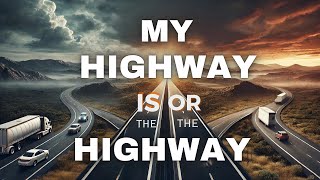
Chad Silverstein contrasts authoritarian leaders who demand compliance with inclusive leaders who set direction but invite challenge and feedback. The best leaders build ethical trust and avoid vision collision by letting people find their place within shared goals.
Chapters
There are two different types of leaders and there's a subtle difference between one and the other. I'm going to give you two examples of that. One is you have a leader who has this concept of my way or the highway. We've all seen it before, we may have experienced it before, and it's someone who is a little bit power hungry. They know what they want and they can be a good leader. But if you're not on board with what they want, they basically kick you to the curb. My way or the highway. Either you like it or get out of here. And in some situations, I think, you know, it could be applicable. But for the most part, what you want is someone who is. My way is the highway. Words make a big difference. At Build to Lead, we talk about how one word can change everything. And in this case it does. My way or the highway means either get on board or get out. Myway is the highway is someone who knows exactly where they're going. And they want you to come on board. They want your feedback, they want your challenge, they want you to figure out where you fit on that highway. And if you don't fit where I am, it doesn't mean you have to get out of here. It just means you have to pivot. And so that word change is or our is important. Myway is the highway is a leader who knows where they're going and they can paint that picture and they can share with their team and connect their team to where they're going. This is part of like ethical trust, you know, believing that what you hear from someone, that you feel confident that that person not only can do it, but that they're telling the truth. And when you have people who are believable and they aim at a big goal and you are being asked to join forces, that's a very powerful thing. You can get such a compounding result from having more than one person, all pursuing a shared common goal. And the leaders who have a highway, and it's very clear, and they ask people to come on board and they want people to challenge them and give feedback and they want people to find their path, their road on that highway. Those are the leaders worth following and those leaders who are sustaining whatever it is that they're building over time. And the leaders who have a highway or my way or the highway, they flop. They will flop. And if they have not yet, they will. Because people don't want to work for a leader who's ready to kick him to the curb just because you don't agree with them, or just because you want something more out of your life that isn't maybe aligned with what that person wants. So remember, my way is the highway. Know where you're going and get people on board with you. Get their feedback, get their challenge. Let them find their own voice on your highway. Don't make them adopt your highway. Just make sure they're aligning. What you want to avoid is vision collision. That's what you're trying to avoid. And if you're a myway or the highway type of leader, you're going to be butting heads with a lot of people and having to kick them off your highway, which is going to take up a lot of your energy, cost a lot of time and money, and doesn't ultimately help you with what you're trying to achieve.