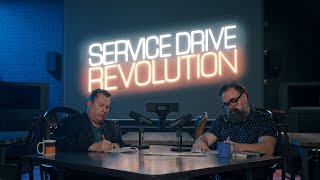
Clint Pulver says leaders lose good people by treating them as stereotypes instead of individuals. Ask your high performers three things: What keeps you here? What blocks your success? How can I help? Regular status interviews catch problems before people quit.
So, Clint, many leaders today are facing high turnover and burnout. What's the biggest blind spot you see leaders struggling with right now when it comes to employee retention?
I think the biggest thing is understanding that every employee is a unique individual and a human. The moment we start looking at this employee base as a generation, or you look at them as a stereotype, it's the moment that you lose. People are people, and people are very dynamic. I've met many millennials that are young, entitled, that want it now. They don't want to work for it. They're lazy. Maybe some of the stereotypes that you would hear. And then I've met many millennials that are incredibly hardworking, dedicated, willing to put in the time. It's the same thing with Gen Z. And I think sometimes as leaders, we look for those like, here's the five things you need to do from a Forbes article to tell us on how to retain our people. And the reality is, there's no generational hack. Every employee has what's called a status. I worked in the medical field for a little while, and the doctor would always call out and he would ask for, like, I need a status update. What the doctor was asking for is, tell me what the heart rate, respiratory rate, body temperature, blood pressure is of that patient. We would then check the status of the patient, and the status would determine treatment. We would then treat the patient, and then we would recheck the status, that same formula. I think in the realm of employee retention, we have seen great leaders do, and it creates the most significant results when they understand the actual status of the people that they're leading. So we recommend what's called a status interview. It's very simple, and you would take, like, I think this is a cool, actionable thing that anyone that's listening to this podcast, you could do tomorrow with your people, and it would make a difference. If you're the mentor in the story, the status interview gives you the opportunity to understand what's really taking place. You would take an employee, one of your rock stars, one of your best people. You create a moment with them where you offer a little bit of vocal praise. You let them know why you need them. You let them know why they matter. And then I would challenge every leader right now to ask them three questions. The first question is, as your employer, as your boss, what can I do to keep you here?
What do you need? Like, is it. Is it. Is it more time off? Is it a little better pay? Is it more flexibility? Is it the product? Is it the. Is it the environment. What can I do to keep you here? I need you. What can I do? The second thing is, what is getting in the way of your success at work?
Is it a co worker? Is it a another employee? Is it a. Is it the schedule? Is it like, what's getting in the way of you being able to perform at your best? And then the third question is, as your manager, what can I do to help you get there? What can I do to help you get to where you need to go?
Very simple questions. But those three questions, most employees are never asked those three questions unless it's in the exit interview.