5 Tips For Great Video Inspections | SDR #318 Clip
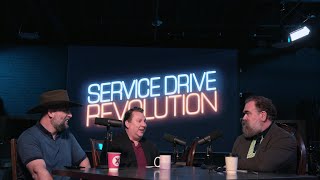
Chris Collins shares five tips for video inspections that actually work: train technicians in clear communication, use a consistent script, highlight what's good alongside problems, explain findings in plain language with context, and catch inconsistencies by re-racking the same car twice.
Chapters
So let's go with the number one.
Which is kind of the. The mindset and the idea that technicians never went to school thinking that they were going to be on camera and performing. Right.
Just imagine that it's 1995. You go to UTI, you're like, I want to work today.
We're going to do communications.
Here's how you put the sticky on the.
You're going to go to hair and makeup over here, and then we're going to get your selfie stick. Yeah, it is funny. And the, you know, the, the other side of that thing, too, is it comes supernatural to your younger texts. They grew up in front of the camera, so there's a, you know, you're kind of dealing with both sides of that. Right. But it is definitely, you know, a mindset thing and, and kind of like you were talking about, like, you know, it's garbage in, garbage out. A really great place to start an exercise we do in store a lot with, with clients is.
We call them RE racks. Pull, Pull. If you want to know if that thing is true, that videos isn't going to be the magic pill that you're going to have to have a solid process before.
Pull five technicians together and give them a paper MPI and have them all inspect the same car. And after they're all done, lay those inspections out on the workbench and it will absolutely terrify you. Yeah, it's like, hey, send them all.
To the waiting room. Bring them in one by one.
Yeah, yeah.
The tires grew and you're older, more, more experienced techs sometimes are the worst.
Yeah.
They pencil whip what they want to do.
Yeah. So I think just having those, you know, having those conversations, doing exercises like that, it sets you up to get a Runway into this, to make it very effective. Because they're, like I said, there's a world for this and customers love it. The transparency of it. They haven't seen the underside of their car, all those things, but people that have success with it the quickest. It's definitely.
You know, with the mindset and, and showing.
You know, with the re racks, like the inconsistencies that we have and the technology can be part of making that more consistent. But, like, if we're not acknowledging any of that stuff and seeing the outcomes of an exercise like that before you start all this stuff, it's, you know, it can all be for naught.
And I think one thing to really think about right there too, is you're changing the. The communication style. Right. So if you're used to selling over the phone, and now a tech is making a video. Now, this is visual communication. Like, I know we joke about when I took my. My Land Rover in and they sent me the wrong video inspection. They spent it for. Sent it to me for an old Jaguar that needed all this work, right.
It wasn't even a Range Rover. That's my favorite part.
But in this, a TR story like they did that, you know, the thing that I noticed, besides the fact that it was the wrong car, is how messy the textile was, how disheveled he was. And so, like, do you trust somebody who looks like they don't know how to dress and they're dirty and there's a mess around? Like, it's visual communication. And visual communication ends up being a whole nother thing. Like, you know, you're not. You're not going to take a picture and put it on Instagram of your messy, you know, room, right? You're going to straighten things up. And they. So now your hair matters that, you know, you miss that one spot right here shaving. Like, whatever it is, it's visual communication. And then, you know, there's the auditory part. There's the confidence. You know, all of that comes across in video. And so you're just changing the. You're now taking the role of what the advisor was doing in a lot of ways and putting it on the technician. But the technician isn't, you know, trained in communications or sales or that sort of thing. And so that's back to what I said about if you can do it paper, it's almost easier because I'm. I mean, I'm judging that. And female customers are even worse when you're talking about messes and, you know, how you appear. They're very judgmental in all the research. So nobody's talking about that. In a sense of the techs kind of. You got to tuck in your shirt. Like, if you think about when we have a car doctor service clinic, all the technicians tuck in their shirts, they clean their stalls because people, you know, customers are going to come in the shop. And it's about appearance. It's the same thing on video. And I think that that whole thing is just overlooked. Just, like, do it.
Yeah, yeah.
And it's like many times just like with MPI or tablets in the drive or whatever, we do these things and nobody pays attention to the fact that the hours per hour went down, the sales went down, and we're just in love with technology instead of being in love with the outcome.
Okay, what's number two.
Consistency.
Okay. Yeah. So can I take this one?
Yeah.
So I think that as I've watched videos from, you know, a shop that has 15 technicians, one of the things that I know right off the bat is they're just starting, is if I watch 15 different technician videos, I'm going to get 15 very, very different experiences. And I would suggest that if we're going to try to build this into a pattern for a customer, that they would see, like a similar kind of cadence. So we. Whatever you choose is fine. But like, a lot of dealers are starting at the back of the car where you can see like, the license plate so that the customer knows that it's their vehicle. And I've got some other ones that are like, oh, we always want to start from the driver's seat and do like the gauge cluster. Whatever you choose is fine, but there should be some sort of a welcome to right? Or thank you for choosing or something like that. And then I love, like, if you're a master tech, say you're a master tech, like, that's a big deal. And. And although the customer doesn't know all our lingo in the industry, which we'll talk about in a little bit, they understand that master tech.
A. Yeah.
Is a. Is a really, really important thing. So, like, taking that and then kind of going through the way that you would look through the cars, pretty much the same every way around, and the way that you would end the video would be the same every way around. So I see consistency as like, you kind of have a cadence that you go through and you can script a little bit of it, but for the most part, it's just that you're kind of doing the same thing all throughout.
It's good. Which brings us to number three, which is sell the positive.
You cannot just tell, like, you just.
Come out with the problems and all the bad customers are like, huh. So you, you know, you want to point out the. The main things and, and, you know, talk about the things that are good, even complimenting the car, you know, how they maintain the car, whatever it is, but don't just go negative or go to the problem.
Yeah, yeah, yeah. So I had an advisor one time that went from like 40% wild car penetration, which wild car penetration is how we measure, like, how much maintenance they're selling in regards to CPROs. And he said, like, the one little change up was when he was doing his menu presentation. He'd go over all the service that they're not due for right now. So Here, you know, here's all the services that your vehicle is due for. These two things are the only thing that's due right now. None of these are due right now. I think it's the same thing with inspections and, and, you know, calling out all the things that do look good, complimenting them on the, the car if it's well maintained and, you know, all those little things provide a nice Runway to it. It's really important.
Also just understanding like the different customer types. Right. Like a customer that buys a Toyota is expecting a Toyota to be reliable and not to require a lot of work. And so you have, you know, you kind of have to understand that that's a different customer than a BMW. Even the Honda customer is different. The Ford customer, a truck customer, ver car customer. And so how, how you're, you know, talking to them, pointing out in the tone, all of that matters because like, you know, they expect a certain thing from their car and you don't want to break that script or that expectation because that kind of shatters the, you know, the trust.
Which is the opposite of what the videos are meant for in the first place.
And then number four is talk customer language.
Vitally important. This is a huge one.
They don't know what millimeters are.
Yeah, yeah, they just tune out. Right. Like all the acronyms.
Don't assume they know anything.
Yeah, yeah, yeah.
You don't want them to say, throw some diag on that.
Yeah.
Or just even like, oh, your brakes are at 20. It's like, well, is that good or bad? Like, they don't know.
So to me, 20 means I've still got life. But 20, I think for most Texas, like that's 2 millimeters, which is basically. They're terrible. So that's confusing. You got it. You have to give it reference. Right. With the customer.
So even if you're going to say like they're at 20, it's kind of you're due for breaks if you're good idea to do them or turn the rotors or whatever. But give it context if you're going to throw out a number. Because they don't, they don't know what.
Is.
Good or bad or what some of the things mean.
Yeah, I think that that's why actually, like, I almost think the most important video that's done is that first service video because can be a reference point for the rest of the ownership of the car. So like, you know, a lot of, a lot of our top performers are using, you know, the sticks and the measurement tools. And everything like that. But like your tires will never look better than they do on the first service. So then you can use that as a reference point further on down the road like that, you know, that talking about the good stuff, that first inspection, which I think everyone thinks, oh, we don't need to do it, that could be the most important one because you can always reference that back.
Yeah. And really that goes back to why the scripts are so important. Right. So if you're going to say it's at 20% or whatever measurement you're going to use, one, you want that to be the thing. Right. You don't want it inconsistent from video to video. And two, it's a good time to like use that third party validation. Right. So you give reference to it. So the best practice with that is, you know, hey, Mr. Collins, your brakes are at 30%, which is roughly, you know, whatever 3 millimeter. BMW recommends brake pad replacement at 4 millimeter. These brake pad was be overdue. Yeah, like just some of that reference. No. Yeah, yeah, they know what it is. But you can't be too careful with the script. And it's funny because I think sometimes people will think the text aren't going to like it because it's scripted and we're going to make them do it a certain way. But they're actually relieved because I don't.
Have to think of it.
They don't want to think about what they have to do when they're like.
Filling in blanks as opposed to writing. Yeah.
There's just a comfort in the, you know, consistency.
Yeah. And they'll get, they'll flat rate it, they'll get better and better at it.
And then the, the last one, number five, is actually do it and tell the truth. Like, you know, one of the things that happens when we go into a store is we'll, we'll figure out very quickly that the technicians aren't inspecting the cars, they're just, you know, drawing a line or just hitting it, hitting enter and doing it. Because we'll re rack the cars, we'll find all kinds of stuff that we're missing. And so then the conversation changes with the text to well, I do it, but they don't sell it. And it's like you gotta understand that the one thing with the digital inspections is you're making the averages look better than they are if you're not suggesting the work. So the good part of this is it tracks the conversion ratio and tells you a real story of what's going on. But if you're not doing the inspection, it's all for not.
That's always an eye opener for the technicians like and when there's inconsistent or just inspections not happening, especially for your senior techs, like a lot of people feel that that's where they have the hardest problem getting buy in on inspections are from the senior techs. Right. They, they think they know what cars to inspect and what cars not to. And don't buy into the law of averages and the data that goes along with it. And that's always a great conversation to have with them is like hey, you're going to make their closing percentages look better up front. If you're not doing a good inspection. Right. If you're not telling us all the opportunity that's available on this car and we're just pencil whipping it and send it up, I can't hold the advisors accountable to selling at the closing percentages we want because we don't have any good data to go off of. It's always an eye opener.
It's the chicken or the egg. Right. Like we have to have the recommendations in order to work with the advisors and you know, train them. But if we don't have anything to, to sell then we don't know, you know, really what we're doing.
Right. And just as dangerous as going to the other end of the spectrum where you recommend everything, like where that's fair to say too. You either go from like nothing to everything. The truth is where it actually has to lie.
Yeah.
At the end of the day.
Yeah. So it's good. So you know, the first one is the technicians didn't go to school for this so they need training on communications basically. Like what, what visual communication is. Right. And then we need to have some sort of consistency, consistent script. We need to sell the positive talk, the customer's language and we need to be consistent in telling the truth and actually doing the inspection so we know what the averages really are and what the opportunities were that we missed in a sense.







