Books That Changed My Life: Robert Cain & The Holy Bible
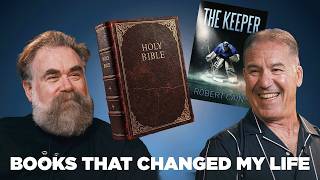
Robert Cain grew cannabis, made $470,000 a year, and got 11.8 years in federal prison. Inside, he found a worn Bible, studied it obsessively, and was baptized in 2012. His faith and legal advocacy shortened his sentence and changed everything.
Questions this video answers
April 12, 2012.
11.8 years.
About $470,000 a year (cash).
A little over $350 per child (about $700+ combined for two kids described).
About 4.2 years from the guideline error plus additional reductions (10 months credited at resentencing, RDAP one-year credit, two-point guideline reduction ~8 months, and good-time ~1 year) totaling roughly 7.8 years removed from the original 11.8-year sentence.
Chapters
Take me through pre prison. What was going on?
My upbringing was not normal. My mom was in an abusive relationship with my dad, and when I was four years old, she decided to leave my father. Seven years went by without meeting my dad or knowing who my dad was. And somehow my dad found us and he wanted to get to know us a little bit. So shortly after that, just started building a relationship with him and he died.
How did he die?
Well, we were told that he died of a brain aneurysm.
Is that not true?
I found out in 2011 after my mom passed away, my brother Mike, I brought up my dad dying of a brain aneurysm. And he said he didn't die of a brain aneurysm. He died of a heroin overdose.
So there was a lot of covering up.
Yeah, we weren't told a lot.
How do you think that affected you?
Foreign.
Welcome to the Syndicate X Library, where we love books, especially books that have changed lives. Today's guest is Bob Kane. He served four years in federal prison, and that's where he wrote his debut book, the Keeper the Rocky of Hockey. He's joining us today to talk about the book that changed his life, the Holy Bible.
Hello, Chris. How are you?
Great, how are you?
I'm doing well.
What'd you bring?
Well, brought my book. I brought a couple of them so you guys could use a paperback and a hard cover.
Perfect.
And the Bible. Bible book to change my life.
That's it.
That's amazing. Okay, we want to swear you in.
Okay.
Put your hand on the Bible. You solemnly swear.
Are you serious?
To tell the truth, the whole truth, nothing but the truth. Still helping God?
I will. Do you really do that? Have people swear in? No.
Okay, which Bible? Of all the Bibles we have here is your favorite.
I just seen the big ones over there.
The dollies.
Yeah. Those are the only ones I really looked at.
Those are nuts.
Pretty cool.
This one's.
I don't read in Latin though. This one. What is a weapon? Yeah, they're all supposed to be a weapon, right? It's a sword.
True. That's good.
Yeah. I used to carry this with me in prison, you know, everywhere I go, and not everywhere, but a lot. And you can see it's pretty, pretty. War.
Went through some use.
Yeah.
Yeah, that was my sword. In prison.
Just kind of go back. So you were in Illinois, right?
Correct. Born and raised.
And so kind of just take me through pre prison. What was going on?
My upbringing was not normal to say the least. So when I was four years Old. We lived in Chicago in a town called Beverly. My mom was in an abusive relationship with my dad. And when I was four years old, I was the youngest of five. She decided to leave my father. And when I say leave my father, I don't mean divorce. She up and left, took the five kids, changed our name, and we were gone. So.
I didn't know where my father was. I had no memories at four years old, actually.
So when you say moved and changed your name, like, how far away did you move?
She moved us to Michigan.
So another state.
Did you ever ask her? Maybe, like, somewhere with sunshine, brutal winters?
Yeah, I think it was, you know, she was desperate and had to find a place to go that, you know, she felt safe and the kids felt safe. Don't even ask me who this lady was. We called her Aunt Lee. So we were living with her for a short period of time.
And I believe my mom told us that we were in Missouri, not Michigan, so we couldn't. Wouldn't get back to my dad. And then shortly after that, we ended up moving back to the suburbs of Illinois, and she changed her name from Cain to Miller. So we were all going to school under Miller, you know. Then she changed her name back to Cain. And I remember kids in school saying, I thought your last name was Miller. Now you're Kane. I don't understand. You know, I didn't understand. I was just a kid, you know, but that seven years went by without meeting my dad or knowing who my dad was. And I don't know exactly what happened. My mom was with my stepdad at the time. She started talking to my dad. Somehow my dad found us, and he wanted to take us out and get to know us a little bit. So that's. That's what he did. He came out, he picked us up. I. We went to, like, a show, and then next time we went out to a. Some other. Oh, I think it was like a carnival or something, you know. And shortly after that, he bought a house, and my two oldest brothers, Joe and Mike, moved in with him, and he was trying to get all of us back to move in with him. Were they.
Were they older than 18?
Joe was 18 and Mike was 17 when they moved in. So they were close, and I was 11. So they were close to what?
Well, one of them was on his own. He could make that decision.
Yes, yes. And my mom at the time probably didn't really. It didn't matter to her if we wanted to move in with my dad or not.
What did your mom do? To support everybody. She worked.
She was a waitress.
Waitress. What was your dad's career?
He was in the army. Then when he got out, he worked for the Chicago Tribune.
Doing what?
He drove a truck and delivered papers. And my. His two older brothers were also working for the Chicago Tribune. My grandfather worked for the Chicago Tribune. So it was kind of like a, you know, who you knew back then in Illinois get you into a. It was a good job, you know, was.
Was the narrative with. With you from your father was that he had changed and he was sorry for the abuse or was that ever a conversation or a thought?
Not with us, no. Not that I know of. No. We didn't, you know, we didn't know a lot about it. Like, my mom did not talk about the, you know, the abuse to us. We were kids. She never, you know, my two older brothers knew about some of this stuff. They had memories of what happened, but.
They still were okay with it.
Apparently. They moved back in with him. So. Thank you. Thank you. Green tea.
Thank you.
So shortly after that, we just found my father, just started somewhat building a relationship with him, and he died. So I was told.
How did he die?
Well, we were told that he died of a brain aneurysm.
Is that not true?
Well, I found out after my mom passed away. I found out in 2011, my brother Mike. I brought up my dad dying of a brain aneurysm, and he. He said he didn't die of a brain aneurysm. He died of a heroin overdose.
What?
So, yeah, I found that out in 2011 after I actually got busted by the feds.
And so there was a lot of covering up. Yeah, the abuse, the heroin, like.
Yeah, yeah. We weren't told a lot.
How do you think that affected you?
I think it affected us a lot. You know, I. Personally, one way it affected me is with my kids. I have three children. I tell them the truth. And I think part of the reason why I tell them the blunt truth about things is because of how I was brought up. I wasn't told the truth, and I regretted not being. Not knowing the truth. So I found that out in 2011, that he didn't die. It was a heroin overdose. And my brother Mike knows for sure because he was living there, and he's the one that called the ambulance. So it was confirmed that that was really how my dad died. And like I said, I had no relationship with him, so it was hard for me even to feel sad. I just got. It was like, I just met the guy, you know, and A couple months went by, and I think we went out with him three times. And he. He died. I remember the day I heard that he died. My mom and my stepdad got a phone call and my mom got off the phone and said, joe. Joe died. And the first thing that popped in my mind was my brother Joe. I said, oh, my God, Joe died. And then. And the first thing my stepdad said, joe Senior or Joe Jr? And she said, joe Senior. I said, oh, my dad. So I went down and told my sisters. You know, it was a very dysfunctional upbringing. My mom was too busy to really raise us. I was on my own, you know, at 4, 4 or 5 years old. I was, you know, at home alone. School, you know, didn't matter if I went to school or not. I did go to school, but I would, you know, ditch school anytime I wanted to. Didn't do homework, didn't, you know, kind of just being brought up by a little bit by my sisters and a little bit on my own.
Did you flunk any grades?
Yeah, I. I didn't finish high school. I dropped out of high school my sophomore year. Going into junior year. I didn't go back. I was not living on my own. I lived with my mom and my stepdad till I was 15 and a half. And we were living in Woodale, Illinois. I was a wrestler in high school. I was doing pretty decent in high school. Not great. I was not a great student. I was a great athlete. Fifteen and a half. We were receiving checks from my father from Social Security because he was in the Army. So we were receiving checks from the time he died to each kid turned 18. As soon as they turned 18, the checks stopped. We were collecting those checks. We weren't getting any of it. So my mom and my stepdad were taking the money and using it for whatever businesses, whatever. They were on their bills, spending it on their bills. Whatever I. I wanted. They weren't putting it away for us for college or anything like that. So the only two people that were getting the check checks were myself and my sister Yolanda. So I, I said, hey, listen, here's what we're going to do. I'm going to. I'm going to get the Intercept the check out of the mailbox. You're going to sign Mom's name. I'll go across the street to the bank and cash it, and we'll get our money.
How much is the check for?
A little over $350. Each was a lot of money back then. Each, yeah. So it was Seven hundred and something dollars. And exactly what I said I wanted to do happened. I intercepted the check, gave it to Yolanda. She signed my mom's name. I went across the street, cashed it, and started my own little. I started selling weed, you know, on the side to make money.
You used that to buy weed to then sell. So it was your inventory?
Yes, correct.
So for 350 bucks, how much weed do you buy?
I want to say it was either. I want to say it was a half a pound.
Half a pound. Who did you get it from?
Some local dealers. You know, I had connections from school.
So you go to your dealer and you say, hey, I want to be your competition?
Not exactly. Just said, hey, I'd like to sell some weed for you. And so that's what I started doing. And. But when my mom and my stepdad found out that I intercepted that check, my stepdad wanted me out of the house. And my two sisters.
You were 15 or 16 at the time?
I was 15 and a half. So I. My sister Helen moved out to California. She actually moved to Laguna Beach. And then Yolanda, my sister, that when she got that money, she took that money and she left to go to California with Helen. So then when they found out what happened with the check, my stepdad wanted me out. So I got kicked out at 15 and a half and I went to Laguna beach to live with my two sisters. And I had. They gave me my money. Now I had $350 a month, so was living large. Yolanda moved back to illinois. She was Mr. Friends and her boyfriend. She moved back to Illinois. So it was just me and Helen living in the studio apartment. And. And I was basically being a beach bum. So one of my sister's friends, Ned, who I wish I could thank, to thank him this. Now, I don't know whatever happened to the guy or he disappeared, but he convinced me to go back to high school. He said, what are you doing? What are you going to do? You know, live on your sister's couch the rest of your life? I went to Laguna Beach High School. I talked to a counselor and got in, and they were real. It was a complete different setup than Illinois vet in high school. It was really difficult for me to make it in Laguna Beach. I think they kind of felt sorry for me. And they were like, you know, just pass this kid and try to get him to go to college. One of the things, one of the strangest things I've seen in Illinois, if they ask the classroom, how many people are going to College, you get a few hands to raise. They asked that question in Laguna beach. And I would sit there and every kid in class raised their hand. And I looked around and I went. I didn't want to be the oddball. So I was like, wow, every kid here wants to go to college. That's strange, you know, My sister ended up going back to. She wanted to go back to Illinois. I went back to Illinois to visit my friends. And while I was there, I was staying with my brother Mike. And Helen said, I'm done with California. I'm going back to Illinois. So she took my stuff with her and drove back to Illinois. So I was now back in Illinois.
What grade were you in when that happened?
I was a sophomore. I was just finished my sophomore year.
You'd be going into 11, I'd be.
Going to a junior. Yeah.
And so now you're back in Illinois.
Now I'm back in Illinois. I'm on my brother's couch, my brother Mike's couch. And I was still collecting my $350 a month. I ended up getting an apartment at 17 years old, which is not even legal. It wasn't legal in Illinois at the time anyway. So my stepdad co signed for me. We lied about my age, and I was paying my rent with the $350, but that left me with zero money to live on, so I had to find a job. And so I was looking for jobs, and I ended up working construction and any job I could take for cash and also.
Selling weed. I was having parties at 17 years old in my apartment, charging people $5 a head to get in, buying a keg, getting an older person to buy a keg of beer. And then I would sell solo gums.
The way I used to do it is I would sell the solo cups.
Yeah, yeah. I mean, you get a solo cup when you walk in. So we were doing what I was doing whatever I could to get by, you know, Myself and my brother Mike opened up a retail waterbed store when I was 22 years old. I was working. I got a job in Cincinnati working for a waterbed distributorship. And they sold bedroom furniture, Waterbeds and bedroom furniture. And I started doing that. And then I worked for a waterbed store. And my brother Mike, who was selling weed pretty much his whole life, he wanted to go legit. He wanted to get into some sort of business. And I said, hey, Mike, why don't you open up a waterbed store? I'm a manager out here in Cincinnati. I know all about the Distributorship. I can get product through the distributorship. And he'll. He'll give it to us on consignment and we could pay him back as we start making money. And so he said, sounds good. Let's look for a location. He found a location. I moved back to Illinois. We opened up the store. So we were in the retail business for five years. So we were doing that in the meantime. It was still a struggle, you know, to make it. Then we met a mutual friend of ours. I met a mutual friend of ours, Mike, and he came into the waterbed store to buy a waterbed. I sold it to him, and when we went to his apartment to set it up, his roommate pulled out a joint and said, hey, you guys want to smoke a joint? Sure. Lit the joint up. I tasted. I said, I could sell whatever. As much as you can get of this, I could sell it. So Mike and I started a relationship, and I ended up becoming his partner after a year of working with them, and we were now growing cannabis together.
So was he growing it and you were selling it or.
He was growing it, I was selling it. Then I started help trim. Then I helped go out in the fields. I was driving harvest trimmers and guys that harvested the weed to the farm in a back of a U Haul where they didn't know where they were going. You know. Can you.
Can you talk about how sophisticated that operation was?
It was. Yeah, it was pretty sophisticated. We talked about it on Mike's podcast as well. You know, we were doing counter surveillance on the police. We had police scanners, antennas on the roof with voice activated tape recorders and getting license plates on them, following them, knowing everything that they were doing, you know, so, yeah, it was pretty sophisticated. But the DEA got involved at one point, and they were after Mike. Well, they only knew Mike's name through.
An informant that used to be a partner, and so Mike had to take off. So when Mike took off, was the.
Informant undercover or did they get flipped?
He got busted and then flipped. Yeah, he was an informant or he wasn't undercover? No, and he didn't know my last name, and he didn't know our other partner, Dwayne's last name. So they knew Mike. They knew where Mike lived. So Mike had to take off. He went to California. I continued to grow. I grew on the black market for 23 years, including the six years with Mike. That was pretty much my life. I was. I became, you know, after Mike left, I became the boss.
And during all this, did you close the waterbed yes.
One of the guys that worked for us, Larry, got busted selling weed. And they followed him from the waterbed store. And the. The people that we had the lease with said, hey, you can't sell illegal drugs out of the store, so we're going to shut you down. So we had no choice but to shut the store down. Yeah.
So when you were starting to get heat like that, did you get nervous or.
Yeah, yeah, we got. I got nervous. So it brings me to 2008. 2008, I had. We had six houses, but three houses that were actually. We were growing in. And I didn't listen to my police scanner on the way to the house. I was listening to a hockey program. And so I pulled into the house, did my business. Couple of the guys that were with us left, and they had. They had more. They had weed with them. But the cops weren't following them. They were following me. I didn't know it at the time until I got back in the car. I started driving down the driveway, and I heard. I turned the scanner on when I left, and I heard the excursions going down the driveway, and I said, oh, God, please let it be someone else. And I turned left. And he said, you just turned left. I said, oh, God. So they were following me in an airplane. So I'm driving all. You know, I didn't know what to do. We're in a rural area, farm, a lot of farmland and stuff. And I. I was panicking. I had, I think, four ounces of weed with me and six. A little over six grand.
Did you ditch it? Ditch the weed?
So, yeah. So I'm being followed by an airplane. I figured out the airplane thing because I heard it above me. And so I rolled the window down, I heard the airplane, and I'm like, okay, I gotta get rid of this. Yeah. And I'm thinking that they're closing in on cars. They're gonna be coming to get me. And so I drove down this driveway, and I had the six grand in a white garbage bag, and I drove down the driveway, and I threw it out the window into a bush and. And I heard on the scanner, he just threw something in the bush. Oh, God. You know, so then I drive up towards the house. This was a really long driveway. I drove up towards the house, and there was a tree. And I got underneath the tree, and I'm like, okay, they can't see me now. So I put the scanner on the seat, climbed. I opened up my door, climbed out, took the box of weed, and there was a soybean field there. And I could hear him saying, he's under the tree. We can't see him. You know, is he in the car? Is he out of the car? And I crawled into the soybean field, pushed the box in there, got back in the car, drove up to the door, turned around and left. Left the money in the garbage bag in the. In the bush. And then I heard the police say, I'll go get what's in the bush and let you know what it is, you know. So I was driving around for another two hours. They were following me to the point where. Until the pilot called in and said, hey, man, I have to go to the bathroom. I can't follow this guy anymore. I went to my mom's house. I was afraid to go home. I went to my mom's house, and they were flying around in circles. And then the pilot said, hey, man, I have to land. I have to go to the bathroom. So they called that off. And then to answer your question, I. I quit. Yes. I was nervous, and I said, I'm done. I can't do this anymore.
Give it. Give me an idea of the scope of the operation at that point. How much were you doing a month in sales?
So I was making about $470,000 a year cash. And my two partners were also.
That's what you were making.
That's what I was making. And my two partners were making the equal. Mike taught me. One thing Mike taught me is when you get into a business like that, you don't. It's not a 60, 40 split, because then if it's 60, 40 and something happens to you, you're going to say, he's the boss. Right. So he taught me to make equal partners out of. You know, so if you wanted to join, you'd be an equal partner. So I had two equal partners at the time. We had three houses. We were all making 470 cash.
So about a million and a half, which is a lot of money back then, right?
Yeah, yeah, it was a lot of money, and it was consistent, you know. But I shut down after that plane followed me. I said, you know what? I'm done. I'm quitting. I had all these houses. It was completely shut down. Meantime, the cops were going through my garbage consistently. The garbage got. The garbage man told me, you know, do you know that the cops are going through your garbage? I said, I do now. I said, he thought I was in a biker gang because I had Harleys and he was a biker, so he felt like he Needed to tell me, and I gave him an envelope, and I said, listen, every time the cops want to take my garbage, come down the street the opposite direction instead of the direction you normally come in. So that's what he did. He would come down the opposite way. And as he went around to go meet the cops with my garbage, because he didn't shut the thing that's smashes the garbage, he left it sitting there. And then they would take it. I followed him, stayed back pretty far, you know, binoculars, and followed him to the cops. Listen to the police scanner. He would take this garbage out, they put it in the back of a pickup truck, and then they would go take it to the police station and open it up. So I got a little creative with that. We had a baby at the time, and Brynn, and so I was putting all dirty diapers and.
Dog feces in bags and making it look like that was something like I put it in a black bag and tie it up, and I go and put it out by the garbage. Like it was something, you know, illegal. Really. It was dirty diapers and dog feces. They probably didn't like it.
And you didn't think at any time to just leave town?
No. I mean, I had a family. I had three kids. My wife was going to college to become an rn. At the time, I didn't know that.
Sorry, give me a second.
Oh, first.
Knows how to pull stuff out of people.
So I didn't know at the time my wife wanted to divorce me.
Because.
Of the stuff that I, you know, I was doing. I was a bad guy.
Really bad guy. And when I say bad, I don't mean in a good way. I mean in a lie, cheat, steal, bad guy way. So she knew stuff I was doing.
And when you get to that point, like, you're saying, I'm a bad guy, did you decide to be a bad guy, or did it happen over time?
I would say it happened over time.
And then it just got away.
Yeah. And then I was the leader. I was the boss. I was the. So I had people lying, stealing, and doing everything to me, and it just made me rough. Made me rough around the edges. And I was.
When did that start? Like, did it start the first time you started selling?
You know, I was getting robbed. You know, my apartments were getting broken into because I was selling, you know, I was selling weed, I was selling drugs, you know, so you attract that criminal, you know, type. And so all these things were happening, man. And I also was in wrestling, like I said, in. In seventh Grade, eighth grade, freshman year and sophomore year, I was a wrestler. Very competitive in very good schools for wrestling. And then I got into martial arts. So I started doing the martial art thing, and I became really good at it. I was a black belt. I taught for six years. One of our partners, Dwayne, he was my best student. I taught him. And that tough guy thing, you know, translated into not only being a tough guy, but a bad, mean bad guy. That did mean bad things.
Did you would, did you think at certain times that you would be done with that, or was that just, was that your identity or did it feel like it was an alter ego?
Felt like an alter ego because I was living two lives. You know, my kids were in competitive hockey, and I was a coach. You know, I would, they trusted me with little kids and nobody knew I was this, you know, big grower. And so I was putting on this, you know, I was in marketing. I was, you know, I, I, you know, I told. And affluent people that that's who kids are in hockey are usually affluent or, you know, they make a lot of money. And so I was, you know, blending in with those people because I made a lot of money and I just, they. So what do you do for a living, Bob? Oh, I'm in marketing. What kind of marketing? You know, so I had to, I had to make up stories all the time of living at the, you know, it talks about it in, in the back of the book, you know, about the author, that I was living a double life, you know.
So how was your wife experiencing that? Like, what was her experience.
Where she was at?
So we were, you know, like I said, I was making a lot of money. We were living like rock stars, you know, driving around in limo, you know, we were taking limos. I didn't, I wasn't flashy. We lived in an average house. My cars were nice, but they weren't. Like, I didn't drive a Ferrari or any car that would go, what does this guy do? You know, like I said, Ford Excursion vehicles that I could work, use as work trucks, but also look like a normal family vehicle. I had six houses, and before the 2007, eight housing crash, in my mind, I was going to sell all these houses and have all this money and I was going to retire. That was going to be my retirement.
So how is it affecting her, though? The bad guy part?
She didn't like the bad guy part, she didn't like them. She didn't like me. Well, I was doing.
She liked the money, right?
Yeah, we both Liked the money. I mean, it was. And, you know, I had a lawyer that was pretty much almost full time. You know, I gave him so many clients and so much work. And he told her, he said, hey, you know, you don't have to explain anything. You're. You don't need to know what your husband does because he supports you and takes care of you. What? That's all you need to know. You just need to know that you're being supported and taken care of.
Does that work?
It didn't work for her because.
Does that ever work?
Other stuff? Well, apparently not. I mean, she knew about these things, and like I said, she was going to school to become an RN so she could eventually leave me. And this was before I got busted.
So is the lesson in that. In that. In a sense that you shouldn't have told her?
Well, she knew when we made the decision to move into this house in. In Cary, Illinois, to grow weed, she was living in that house where I was growing weed. So she knew, but her plan was to get out. Both our plans were to not do this forever, you know, was just. I said, hey, listen, I'm going to take a leap of faith and try to do this to get out. I've tried everything. I tried construction, I worked legal jobs. I had my own business, did the, you know, selling the weed thing on the side. I. None of it, you know.
You'Re just staying, you know, paying your bills, you know, and I wanted more than that. And I said, I'm going to take a chance. You don't have to come with me. And she decided to come with me. We took that chance with Mike, you know, but no, it wasn't meant to be forever. It was meant to be, make a lot of money and then get out of it.
But without verbalizing it to you. She was planning on an escape?
Yes.
And how did you find that out?
She told me after I got busted.
So tell me how the bus goes down.
So I told you I got followed in 2008 by an airplane. I shut down, said I quit. Everybody was coming to me, and I had a lot of people under me. I mean, from the people that were working with me all the way down to the low, you know, people that were selling weed to other people. And it. There was probably a good 70 people, you know, that this all flowed to. I quit. Eight months, nine months down the road, everybody's. You got, we have to open up. We have. We need to make money. And I said, okay, here's what I'll do. I'M going to find a new guy to get a house that, that nobody knows. I'm not going to tell anybody who it is. I'm going to have my brother Sam and a Chuck, a guy that I could really trust, run the house. And Aunt Lori, my wife's Aunt Lori, is going to trim, take care of the house and, you know, the lawn and everything. And I'll open up another house. I'm not going there. I think all you guys are going to get busted. When you do, don't mention me. And I get my equal cut. So you're going to drop off an envelope with my equal cut. So I opened up and as things were going, we started making money. The house was open and everything seemed going fine. People started getting pulled over. You know, state troopers are pulling over my people. I could feel it. I mean, I felt the tension. Yeah, I was nervous even when I wasn't going to the house. And I seen, I got pulled over today. My other guy, I got pulled over today, you know, and they're trying to follow him, find this house. So, yeah, I felt, I felt all kinds of pressure. I knew I was the ringleader and I knew that the cops were onto us, you know. What I didn't know was it was the feds. For three years, the North Central Narcotics Task Force followed me. They couldn't get me, so they finally talked the DEA to take my case. Once the DEA took my case, we were done. They got two of my former partners wearing wires. I was paying them. They were the ones that had the house in their name, so I would meet them to pay them. I was still paying mortgages on six houses and I wasn't collecting any money in that eight months. I quit. So money was. I went from $500,000 in my safety deposit box to nothing in my safety deposit box, bringing in just the money that the new house was making. So when.
The feds finally did bust us, how did the. So you asked me how, how the, how did the bus go down? So they, they had some of my partners wearing wires. You know, I would give them, meet them for the mortgage. They would asked me all these questions. I'm like, why are you asking me these questions? Are you wearing a wire or something? And pat him down. I didn't find anything. But later on in the paperwork, I found out, you know, what, what was happening.
They were wearing wires. You just didn't find it?
Yes. Yeah, there was all kinds of stuff going on. So anyways, they were they asking stupid.
Questions like narrating what's happening in the moment or something where you were like.
Yeah, like, hey, can I get some weed? Would I be able to get some weed? How much are you guys getting? You know, what are you selling the pounds for now? Stuff like that. I didn't answer any of the questions, you know. So it came down to the day of. In July, I got busted. So I was at home. One of my friends, who was also my son's coach at the time, I think Wes was 7, I believe my coach's son was at my house. He was a good friend of mine. And I had one of my partners say, hey man, you got to. We got to get that stuff out of the house. We got to clean that house out with all the lights and everything that was still in there. And I got pissed off and I said, okay, I'm going to go rent a storage locker room right now. And I hung up. What I didn't know is he was calling to make sure I was home. And they were all outside. The cops were all outside waiting. So I said, ricky, come with me. And we got into my excursion, which was backed into the driveway. Put the key in. I looked to my left and the whole street was lined with cars on the left side, all the way as far as I could see. I said, I knew, I was like, this is it. This is the big bust. Instantly knew. I dreamed about that moment. I seen the cars, the line of cars down the street. It happened in my dreams. The first car pulled up, guy gets out, you know, they got out with the gun, hands up, you know. So they took me in the garage and handcuffed me and started reading my rights. And that was it. I was. And it was the DEA and the IRS that came in. 40 vehicles, something like that. And at the same time, everyone else got busted, which I was wondering why my phone was. My cell phone wasn't working. They had. They were able to jam it, you know, the feds. So they busted my brother Sam, they busted Aunt Laurie, they busted Chuck, they busted my brother in law John, which I didn't even know. He had nothing to do with it. But they were growing in a house behind my back I didn't know about. And they assumed that was my house too. So they busted him. And I was the leader of an 11 man conspiracy.
Is there a certain relief at that point?
No, wasn't. That wasn't a relief at all. That was just like a bad. It felt to me like it was a. A bad nightmare, a bad dream that I'm going to wake up from that. This didn't happen. Your adrenaline's just my mind. Literally, for a year after I went to prison, for a year, every night I went to sleep, I said, I'm going to wake up at home. Really talk about a powerful thing your mind is. That's powerful because literally every night I went to bed, I would say I'm going to wake up from this dream tomorrow.
So what happens? You go to jail.
Well, let me back up a little bit. I want to tell you what was happening before I went to prison. So what was happening was I got busted and I had all this pressure. And even before I. I got busted, I was listening to this song by T.I. and Justin Timberlake called Dead and Gone and Ride on by acdc. This song, Ride on by acdc is a. A song that most people don't know. You could. You hear all these ACDC songs on the radio. They don't play this one anyways. I heard it and I was like. I was listening to it constantly. I had no idea why. And I had. Back then, you didn't stream anything. You. We had. I had a DVD player, 400 disc player, so you could put whatever movie that is in that disc on your system. And I kept watching A Christmas Carol, the old one with Alistair Sim, black and white, and they change it to color later. I watched. I was watching it like almost every night. I would watch that or Miracle on 34th street, the original one, over and over. And then when I got busted, I was so stressed out going through the court stuff. I was drinking probably at least a bottle of wine a night. At least maybe bottle and a half of wine, two bottles sometimes. And I would watch, I would listen to those two songs, Dead and Gone. Ride on and then Gone is. Oh, hey, I've been traveling down this road too long Trying to find my way back home. The old me's dead and gone. Dead and gone. Then right on is.
One of these days I'm going to change my evil ways. One of these days. Till then, I'm going to keep on riding on those two songs. And I had no idea why I was listening to them or where they came from. And then the, you know, A Christmas Carol gets, you know, Scrooge gets visited by the three spirits, and at the end of the movie, he changes completely for the good. Right then you got miracle on 34th street, which this guy that claims to be Santa Claus. Nobody believes in him. They don't believe in him at first. Then at the end of the movie, you got the little girl the mom, the lawyer, all these people going. I believe. I believe the judge. The whole state of New York is on the side. So I go to prison, turn my. You.
You get arrested. Do you get out on bail?
Yeah. You don't even have to. In the feds, you don't even have to. There is no bail. You get out on. You just. They either let you out because you're not a flight risk, or you stay in because you're a flight risk.
So they let you out.
They let me out, but originally they let me out. They put the bracelet around Mike, so they knew where I was at all times. And I had to turn myself into probation every week and do all these things. And then they. As time went on, they took the bracelet off and I was able to go back to playing hockey, which is, you know, what I did for 27 years. I was an ice hockey goalie for 27 years. And that was my. Your question. You asked me earlier, like, how did it feel to be this bad guy? And was it an alter ego I was living. My only normal part of my life was hockey. That was what I considered. My. This is. I'm. I'm somewhat normal over here. Here. This is not normal, you know, so that was my escape, and I was kind of living the life of a. A pro hockey player. I was literally skating five days a week.
How are you supporting yourself?
When they took the bracelet off my ankle, I was able to go back to playing hockey while. While I was waiting. My. Yeah, waiting to get set.
How are you supporting yourself during that time?
I wasn't. My wife started working. She got. She. She got her job right as I got busted. Literally got a nursing job as I got busted. So she took over taking care of the family, and I wasn't making any money. I did have help from our friend.
Mike, so he was. He helped a lot.
Did he help with your legal fees and all that, or.
Yes. And we did have. We had money. We did have some money in the bank that was legal that they couldn't take. They took everything, but they didn't take this money that was in the bank that my wife actually got from her grandfather's inheritance. So they couldn't touch that. So my wife took over supporting the family. And it was only about one year, seven months I was out until I had to turn myself in. And so you go, how long is your trial? It wasn't a trial. It was just the negotiations of what. What's going to happen. You know, I. If I. 97% of trials at the federal level, they win. That's their rate.
Batting average.
Yeah, their batting average is 97%. They win.
Well, they usually don't arrest somebody until they have a case already.
Exactly.
By the time you're arrested by the feds, most people probably don't understand that. But your time arrest you. They already have their file complete.
They won't take your case unless they're gonna win.
Arresting you, then investigating, they.
They will not take your case unless they know they're. They got a slam dunk. You're gonna win. And my lawyer came to visit me when I got first. When I first got arrested and I was still in. In jail, he came to visit me. I said, hey, listen, I go, what if I can get. I. I can hire a dream team. I'm gonna get out. I'm gonna hire a dream team. You could be part of it, but I, you know, I want to be able to get out of this. And he said, look, I'm reading your paperwork here, dude, because you're not getting out of this. I don't care who you hire. F. Lee Bailey, doesn't matter.
Johnny Cochran.
Johnny Cochran, the dream team, it's not going to work. He goes, these people are all going to fall. Every one of them is going to point at you and say, you're the one. Everyone. I said, you know, there's no chance of getting out of this. There's no. He said, listen, the last two governors of Illinois went to prison. You think they didn't have money in power? The last two governors for Illinois went to prison. He goes, you're going to prison. So I got out, and they let me out, like I said, with the ankle bracelet. And when I went to sentencing, I was hoping I was going to get under five years or something. I got sentenced to 11.8 years and almost collapsed right there. And they were going to take me right then and there. But I did hire another lawyer. There was my original lawyer, which we paid for. And then there was a second lawyer, Jeffrey Steinbeck, who Mike paid for. And he. He negotiated for me to. Even though I was the leader. They normally never let the leader, after he gets sentenced stay out and get his affairs in order. They said, you're leader of a drug ring. You're supposed to go right now. But he argued, and the prosecutor said, no objection. So they let me stay out for six weeks. And believe me that I wanted to run. After getting sentenced to 11.8 years in federal prison, I wanted to run. And my wife said, there's no way We're. I'm. I'm going around the run with three kids. You know, at the time I wanted to go to Canada, fly over, and then from there go to Europe, you know, so. But my wife said, I'm not going. I decided to stay and I turned myself in. So I turned myself in to federal prison. It was a medium prison in.
Ohio. I turned myself in and they didn't have a bed, so I had to wait in the shoe, which is the segregating housing unit, which is the Hole. More people are familiar with it as the hole. The hole consists of, it looks like a little walk in closet. You got a bunk bed and you have a shower. You got a toilet and a little desk with one stool. You're in there 24 hours a day. No window, no phones, no reaching out to your family or nothing. So that's my. This was my first day in prison, turning myself into the shoe. And the guy that was in there was.
Not the normalest guy you've ever met in your life. I get the top bunk. What's on the top bunk?
Not this Bible, but a Bible. And I said, I'm going to start reading this book, I need something. And so I started reading the book and I felt that I would have lost my mind if it wasn't for the Word. And I felt God speaking to me. And then when I did finally get down to population, the first people that met me were the Christians. And they gave me a bag with shower shoes, toiletries, things that you need, and showed me around. They said, you know, hey, churches on Sunday, you could do this, you could do this, you know, go to these Bible study things. And so I started doing all of it. And then the, the church chaplain Johnson, who ran the church, he was the pastor, he was big into these baptisms, which I'm sure you're familiar with, being brought up in the church where they put you in the tub, you know, baptize you. And he wanted to baptize, like everybody, anybody that came to church. I want, you know, you got to get baptized. You got to get baptized in the Name of Jesus. April 12, 2012. I was baptized.
When you find the Bible in the top bunk and you decide to start reading it, where do you start?
At the beginning. No, I didn't. I actually wanted. I said, hey, you know, just like open, open it up and speak to me. Speak to me, God, please. I need. I need some.
So had your wife told you she was leaving at that point?
No, she told me she was going to divorce me. Before I got busted. And now that I got busted, she stuck by my side. She didn't. She decided not to leave me because she wanted the old me dead and gone. Like the song.
So when you opened it up, what did you open it up to? Do you remember?
I don't. I don't remember. It was just. And there was no cover on this Bible. It was beat up. It was an old beat up Bible. Cover was missing. There might have been even pages missing out of it. That was.
How many people are in that prison?
I believe the population was close to 300.
And how many were in the Christian community there?
50.
So pretty sizable.
30 to 50.
And in the politics of a prison, how do the Christians fit into that?
Yeah, you're either, you know, there's gangs, there's the black community, the Hispanic community, the Asian community, and there's the Muslims and then there's the Christians. So nobody messed with if you were Christians, they just didn't mess with you, you know, and that's even in the max prisons that happens. I don't know what protects them, but that's that I just got in with them. And in 2012, April 2012, I was baptized. And through learning the word of God and everything, I started understanding what that meant to die, to self and to be reborn, born again and all those, the two songs. One of these days I'm going to change my evil ways. One of these days. Till then, I'm just going to keep doing what I'm doing. Right on. And then the old me, the old me's dead and gone. It all made sense. I was like, God was speaking to me before any of this even happened, before I even got busted. He was speaking to me and telling me what's going to happen. This is. I believe that very strongly till this day. And it's amazing. What's amazing about it is God could speak through anything, right? You can't put God in a box. They say he could speak to you through anything. He's speaking to me through AC DC.
Through, you know, Justin Timberlake and T.I. a rapper. It reminds me of the. I don't know how familiar you are with the Bible because I know you were brought up in church, but Balaam and the Talking Donkey, you know that story, he's a prophet and he's on the donkey and there's an angel that's going to cut his head off right in front of him. But it's invisible angel. He can't see it, but the donkey could see it. And the donkey's not letting him go forward. And he's kicking the donkey and hitting. He starts beating the donkey. And the donkey turns around and looks at him and says, what are you hitting me for? Because did I ever do anything wrong to you? He goes, there's, you know, there's someone in front of us. He's going to cut your head off. So God spoke to the prophet through a donkey. He spoke to Moses through a burning bush and so on throughout the. And I'm. By no means am I saying I'm a prophet or even pastor or anything. I'm just saying that God could speak to people in whichever way he wants. And in my case, it was these songs in these movies.
Were you religious at all before you went to prison?
No.
Did you have any relationship with God before then?
No, we didn't go to church. We didn't hear about God or anything. It was. My grandmother was the only one. She was 100% Italian, from Italy. Her and my grandfather. My grandfather died very young. I was like 1 years old when he died. And my grandma ended up living with us. She had cancer towards the end of her life. And she prayed. She would pray the rosary and stuff like that, and she. She would talk a little bit about God to us. That was the only.
Influence whatsoever. In fact, she gave me this medallion that she wore on one of her bracelets. She had all these bracelets and all these medallions on it. Sound like when she walked around the house or would knead dough, you'd hear, ching, ching, ching. She gave me this, which is a picture of Jesus, and on the back it says dot protegia. In Italian, that means God protects you. And when she gave it to me before she died, and I never.
You never took it off?
Never took it off.
So when. When you're in there and you're. You're kind of connecting all the. These dots. Besides the baptism, is there a point where you change? Like, is there a salvation? Is there something, or was it when you were baptized that it kind of all came full?
Well, it was. It was before, you know, I started, you know, studying and everything, and I decided to take it very serious before the baptism. I said, you know what? I want to read everything about baptisms in this book. So I started reading all this stuff on baptisms, and I had a piece of paper which I probably have still in here.
Somewhere. I decided I was going to take this serious. I'm really going to do this. I'm going, you know, I don't want to be that person anymore. And Then I met this guy, Brother Dungy, who I transferred from Elkton, Ohio to Oxford, Wisconsin, met Brother Dungey. Chaplain Johnson told me to hook up with him. And we were doing.
We were doing fasting and praying.
Constantly. You know, we were doing Bible studies every single day. He was leading the Bible studies and.
I was doing Bible studies on my own. But the fasting and praying thing and praise and worship, we were doing all on our own. We weren't going to the church. It was just us. His. He had a few other people that he worked with, you know, doing Bible studies with. But we, we did a fast for.
40 days and we would not drink or eat any water till 4:30 and. And then we would eat and drink after 4:30 and then the next day do the same thing. And then the first week we did it, we had a fast for 24 hours. No food, no water. 24 hours. Then the next week we did 48 hours, no food, no water. And then the third week we did 72 hours, no food, no water. That's a tough one.
At the same time as doing this 40 day fast, that three days straight with no food and water was pretty tough. But spiritually it was crazy. The things you could see on people, just like you could literally see demons on people after being in the Word of God for, you know, every single day, and then fasting and praying and doing all these things, it was pretty wild.
So how do you find out that you're getting out early?
So it was a number of different things. So the I'm sitting In, I had 11.8 years, went to prison, sitting there with nothing going to change that. My outdate was February of 2012 and I wasn't going to get out till 2022 was my out date. So.
I got up early. Oh, I didn't have a job in prison at the time because there weren't any available. So I was waiting to get a job and I got called over the intercom, king, you got legal mail. So I had to go to the office to get this legal mail. And it was from a lawyer and they cut it open in front of and look at inside and it was like a brochure. And I said, I'm getting junk mail in prison. And the guy goes, I guess so. So I put it in my back pocket and I went to breakfast, which I normally didn't go because I didn't have a job. And I met one of my friends that was another Christian in prison and he said, what was that? Legal mail? And I said, oh, it was like junk mail. And I took it out of my pocket, and I pulled out the. The brochure of the lawyer, and there was a letter in there. And I said, oh, wait a minute. So I read the letter, and it said that a friend of yours wanted me to look into your case to see if there's anything you could do so. Anything we could do. So immediately I knew it was Big Mike. Who else would do that?
He was working on the outside the whole time.
Well, he. He decided to hire a lawyer and see if there's anything he could do for me while I was in there after I got sentenced to 11.8 years. So he hired some guy that he.
Kind of like to his tribute. He's the kind of person that just doesn't follow the normal logic of things.
Right.
Because it's not logical to think that there would be something he could do. Really.
That's exactly right. Exactly right. And he picked a guy. The attorney that he picked was a guy that thought outside the box. And that's what he told me. He said, I picked this guy because he thinks outside the box. And I was like, okay. I said, hey, maybe he could do something. It just so happened. You could call this fate or luck or whatever you want to call it. I don't believe that. That lawyer, his name is Ackerman, Allen Ackerman, he had a case.
At the Supreme Court level, Pew versus the United States. And it dealt exactly what was going on with my case ex expo facto. What happened was they sentenced me in 2011-2011. They sent me to guidelines that were 2010 guidelines. So what they did was illegal, basically. But in the 7th Circuit, they didn't care. They were like, no, we're still following the old rules. We're not doing the new rules. So they sentenced me to the 2010 guidelines instead of 2011 guidelines, and it would have given me 4.2 years less of a sentence. So he had this case, Pew versus the United States, going in front of the Supreme Court. When he found out what was going on with my case, he said, dude, I just so happen to have a case at the Supreme Court. If I win it, if big if I win that case, then the Supreme Court could vote to change this law, this expo facto law, which is another big if. Because even if I win the case, there's nine Supreme Court Justice. They all vote, and it has to be the majority rules, and then they'll look into the case. Then if they look into the case, then they decide whether they're going to change. So it was like a big maybe.
Maybe.
Yeah.
Roll of the dice.
Yeah. But I had hope, right? I had a little flicker of light there. So I found out he had that case. And like a year went by. You know, we're waiting. I mean, they just move super slow on everything. So a lot of time went by. And he won his case. Ellen Ackerman won the case. Now it went to the Supreme Court. He said, don't get your hopes up. Let's see what happens to the Supreme Court. So we could actually listen. You go to the law library in prison and listen to the tapes of what. What's going on with these cases. And I met a guy that was sentenced to a white collar crime. He was in there for, like, 30 years, and he. He was in the law library every single day. That's what he did. He was fighting his case. Fighting his case, right? There was another actual attorney that was in federal prison. He would help people. And he said, I'll pay attention to what's going on to that. Pew versus the United States, and I'm going to listen to the tapes and see, you know, how it's going. And he. I ran into him. He said, oh, man, it's not going good for you. I don't think they're going to vote, you know. And then I ran into him again, and he said, oh, by the way, they voted that. That thing down. They're not. They're not doing it. And I was like, what? This can't be. You know, I was like, I'm going to be here for 11.8 years. So then he was wrong. And I found out through Brother Dungey, I went to his. His cell, and he goes, hey, did you hear about that case? And I said, what case? He's like, pew versus the United States. And I was like, wait a minute. That's the one. That's my case. That has to do with me. He goes, I'm printing it up for my buddy. It's going to affect his case. He goes, I'll show it to you. It turned out it was that case, and they did vote, and they decided to rule on it. Now, I had to wait for the ruling to see if they were going to, you know, decide to change that law. So they. Another. I don't know, a year, six months, I don't even remember went by, and they voted on it, and they changed the law. So now I'm going to get resentenced for sure, right? That's what my lawyers told me. Well, the lawyer Said, don't, don't get your hopes up, Bob. The lawyer or the judge could say, I don't like the way you look and I'm not going to give you, you know, you're going to get in front of the judge. I guarantee you'll get in front of the judge. What the judge is going to do, I don't know. He goes, we're going to try. He put in for the resentencing to the judge. And he didn't just put in for the law change. He put in for when your attorney's not effective, ineffective, ineffective.
Counsel. So you put that in there as well. And so another.
Four or five months go by, I get a letter and I open it up and it says, the ruling from the judge, am I going to get re sentenced or not? And it said, denied for the law change, accepted for the ineffective, ineffective counseling. So he, I got, I, I, now I know I'm going in front of him, he said, you could pretty much guarantee you're going to get 4.2 years off. And I said, well, I want to fight for post rehabilitation, everything I've done while I'm in prison. I got a stack of Bible studies, I got this class, that class. I got my GED in prison. So all this stuff, I said, I want to bring it in front of the judge. He goes, he goes, now you could be, you could look greedy in front of the judge. I don't think that's a good idea. And I said, this is my life, man, I'm doing it. I brought all that stuff in front of the judge, got resentenced, he gave me the 4.2 years off for, for the law change. And then he gave me an extra 10 months for everything I did while I was in prison for two and a half years. I was only in prison for two and a half years at that point when I got resentenced. So I walked out of there with five years off my sentence. It felt like when I talk about a load off your back, you know, I can't even explain the feeling of getting five years knocked off of an 11 year sentence. So then, and you know the guy that I was telling you about that got 30 years for white collar crime, all the things that happened to me that were going. He goes, dude, I've been in here for almost 10 years now. This stuff does not. He goes, it's either a coincidence on steroids or this is divine intervention. That was his explanation. And he was an atheist. These things just kept happening over and over like all these blessings I was getting. And then I got rdap, I got drug and alcohol, drug and alcohol program I was able to do. And I went into.
A different prison peak in Illinois to do the RDAP program closer. I kept getting closer to home so my family could come and see me. For the RDAP program, which is a one year program, I'm sorry, ten month program. I got a year off my sentence for that. Then another law change, they gave everyone with any drug conviction two points off your guidelines, which gave me another eight months off my sentence. And good time was another year off my sentence. So on a 11.8 year sentence, which you do 87% of your time in federal prison. 87%, there's like no very rare. Can you get out of that? There has to be a. You have to get re sentenced or whatever in order to change that 87%. So on an 11.8 year sentence, I did four years, 7.8 years were taken off my sentence. Which is, you know, blessing.
What is, what is your favorite passage in the Bible?
Probably one of my favorites anyway is it's in John, John 20:28, where the resurrection already happened. But Thomas wasn't in with the rest of the disciples when Jesus appeared to him. And he appeared to the other disciples. And then they told Thomas, hey, Jesus was here. He rose like he told us he was going to, and he said, I'll believe that when I stick my fingers through the holes of his hands, right? So the next time he appeared, Thomas was there. And Jesus shows up in the room and.
He looks at Thomas and he says, hey, you want to put your fingers in here or in my side? And Thomas looks at Jesus and says, my Lord, my God. So he finally realized and all the disciples didn't even understand what Jesus was trying to tell him. Like the whole time he was teaching him, he was trying to tell him that I am God. When, Philip, when you seen me, you've seen me and you still don't know who I am, I am the Father, you know. And so they just didn't. Wouldn't process, which a lot of the stuff he told them wouldn't process. But that particular time where you just see Thomas gets it all of a sudden, all this time he was, he had doubts in his heart. He didn't even think Jesus rose from the dead yet. And then he sees him, sees the holes in his feet and his hands and in his spear in his side, hole in his side. And he's like, my Lord, my God, I get it now. Now I know who you are. You know, took a lot, but that's probably my favorite, because.
There'S a lot of Christians till this day that don't understand that. They don't. You know, they. They think it's the Father, the Son, and the Holy Spirit, the three are separated. And that's part of, you know, religion teaches you that, you know, there's three, but really, it's just. It's all one. He's. There's three, but there's also just one. And that's what. That's why it's my favorite, because he finally gets it.
So how did the Holy Bible change your life?
I did what I was supposed to do to.
Get the promises that are in here. So, you know, there's a lot of promises. One of them is the prayers of a righteous man are answered. They talk about it in, you know.
Peter. I believe it's Peter they talk about, you know, or. Or James. It might be James. You know, they talk about Elijah being a righteous man. And he prayed for rain. After three years, he prayed, no, I want no rain for three years. And he gets it. And he says, after three years, I want rain. And it rains. So. But he was a righteous man. So I got to tell you this quick story, and then we'll get to the book. So this quick story is my. While I was in prison, my wife.
She moved into a townhome. She bought a townhome on her own. My family was living there, and they got broken into, and someone stole some of her jewelry, including her wedding ring. And so I found out about this, and then she said, you know, Bryn, who was my youngest daughter, she was three years old at the time. She goes, bryn's afraid. She thinks they're gonna come back. And I am, too. I'm afraid of my own house here, who are these people that robbed us, and all this stuff. So I was not happy, to say the least. And so I started asking God, I said, you know, there's all these promises. I'm doing my part. You have to do your part. I was angry, you know, with God. And I laid in bed that night and all day, prayed all day, said, this has to be fixed. This has to be fixed. And so I went to bed praying about it. God, you have to do something about it. You have to fix this. And I'd wake up, I'd fall asleep. I wake up instantly, start praying, fall asleep, wake up, start praying the same thing over and over and over. This has to be fixed. So they have this computer system that you can go and go online to your family and talk to your family and then you go back and check. It's like emails, like an email. So that morning I checked my emails and I got an email from my wife saying that they know who did it. They. The guy turned himself in. He told his parents what he did, and they said, either you give it back or we're going to call the police on you. She got everything back. And it was a friend of my. My daughter's. He knew our code to get in the garage. He got into the garage and he went in and he stole the jewelry. And so. And that was like weeks after he did it. You think it would have been gone in a pawn shop by now, Right? Well, he literally that night, praying 24 hours. I got that email. I still have an email somewhere, the paper that says, yeah, the guy turned himself in and.
She got the stuff back. My daughter felt safe in the house. She felt safe. She. They knew who did it, you know, and you.
You attribute that to you being righteous. I attribute it to you cleaned up. And so there was a. I attribute to your prayers were answered because of the way you were living.
Yeah. Yep. I was doing my part. I mean, I was doing everything. Everything I could that the book tells you to do. You know, the fasting and praying, the Christian group that I hung around with, we wouldn't steal anything from the, you know, from the. Where you go eat, you know, the food room and bring even a package of ketchup or sugar or anything. You know, we wouldn't take anything because that would be considered stealing. So, you know, we just wouldn't do it. So. So.
Yeah, I was doing my part. And I said, God, you have to do your part. And I was pretty aggressive with my prayer there, which probably shouldn't have done that, but I was really upset about my daughter and my wife not feeling safe in their own home.
So while you're in there, you start.
Writing this book, the Keeper Goes back before I even got busted.
It hit me. I was an ice hockey goalie for 27 years, and I got to be able to play with current NHLers. At the time, I skated in an ex pro skate. And through that ex pro skate, they did some pre training camps in Illinois with NHLers from all over the country. And through the ex pro skate, they needed a goalie and they said, hey, do you guys know what goalie we can get to? You know, do the Pro skate with NHLers? And they said, yeah, we'll call Bobby. So they Called me, do you want to skate with NHLers? I'm like, yeah, for sure. So I went and did this camp that lasted a week long camp with the NHLers. And then from that they invited me back the next year. I got invited back the next year. Then I, you know, I was just getting invited to all these different things from that starting. I never even put on a pair of skates Till I was 22 years old. I was a martial artist, I was a good wrestler. I was able to do the splits at the time, but I couldn't stand up on skates. I went to a rat hockey with my friends to watch them and one of the goalies didn't show up. And they said, bobby, get in the net. I said, I never skated in my life. Just put on some rental skates and the goalie equipment and get in the net. I didn't want to do it. I ended up doing. I fell in love. My passion switched from martial arts to hockey really quickly. And I went from 22 years old to skating all the way up to the. With these ex pros and with current NHLers. And I thought, wow, this would make a really good story, you know, like a fiction story. Not my true life story, but just a fiction story of like a comeback, like a rocky comeback story. And it hit me like a ton of bricks. And I called Big Mike and said, hey, I'm thinking about writing a screenplay with this is the storyline. He said, yeah. He goes, it's a good idea, but I like the storyline, but you can't write a screenplay. You have to write a book first. So that was where the idea came from. And I originally hired ghostwriter to help me.
While you were in prison?
No, this is. Well, way before I even got busted. Yeah. And then. So I hired his ghostwriter, but then I got busted and I only paid the. The guy wanted like 15 grand to do this and I gave him 5 grand. And then I got busted. I said, I can't, I can't pay you any more money. I got busted. I told him what happened. I said, in fact, I'd like to get the five grand back. And since he didn't do anything yet, you know, so he said, no, we'll work it out for the five grand. And I never got the money back. He never did anything. So I, I started writing the book on my own. I wanted to finish it before I went to prison. I did finish it before I went to prison, but it was the first draft. Draft. That was brutal. I mean, it wasn't really the first draft, it was probably the third or fourth, but it was. It was just brutal.
What's harder, going to prison or writing a book?
You could write a book with your family. You can't go to prison with your family. So it was definitely the hardest part about prison was being separated from my wife and children. Other than that, it's not that hard. In fact, I'd suggest it. Anybody that needs to get in shape.
Spiritual help or mental help, go to prison.
Not Joshua Tree, go to prison.
I'm telling you, it will work. But anyway, so I went back to prison. When I went into prison, I told my wife, can you send in the Keeper? I'm going to rewrite the whole thing. So as I rewrote it, I started writing Book two as well. And then when I got out, Mike set me up with James Bonnet. James Bonnet helped me edit it and polish it for a little over a year and a half. And I was sending him the chapters of Book Two, and he would give me a little advice on it. We should.
We should tell the audience. James Bonnet. So James Bonnet wrote the book Stealing Fire from the Gods, but he's a master of storytelling. Like, he'll tell you, like, the oldest story ever written. He understands structure like that. I'm curious. Did he make changes to the story structure?
No, not really. He made suggestions, and he told me to edit certain things out, which I did. Edit some of it out, and I fought for a lot of it. And he said, man, you're a good salesman. He goes. He goes, you know, you sold me. He goes, I keep it in. Keep that part in, you know, so. But he. Yeah, he wrote for over 40 television programs. I think he was an actor in the Blob and. Great writer, great writer. And, yeah, helped me tremendously with the Keeper, I will tell you that.
James Bonnet, I never sold him on a different idea.
No, no.
I'm trying. I'm trying to think, like, how I would have even done that. I don't know. I always just listen to him. But I would. I think most of the time, I would pose a question, and then he would give me options. But I remember the very first time I presented something to him. I went to Santa Monica, and his wife was there, and she, like, made me tea, and I kind of laid out the story. And then he goes, you need a love interest.
And I kind of had the story done right, and I was in love with the story. He goes, you need a love interest. And not only do you need a love interest, but she has to be crucial in the positive outcome. Like, she's got to be a real part of it.
Right?
Can't, you know, she can't be arm candy, in a sense. And it took me two months to figure out how to do that.
Yeah, yeah, he did some stuff like that to me.
But like, he was so right. Like, that's why he was just so smart. Like, so smart.
Yeah, he's really, he was, he's really good. Well, that's why it took a year and I think it was a year and eight months to edit and polish the Keeper because he was so meticulous.
Yeah.
About every little thing.
Oh, he really thinks about it.
Yeah.
Yeah, it's great.
Yeah, it was. He's an awesome, awesome guy. Yeah. She. So she sent me in the book. I did that, got out, did the editing. I finished The Keeper Part 2. I did not edit and polish it yet. I'm, I'm gonna start working on that. I've been doing a lot of stuff to try to get this first book going. I got to get in front of the right people, you know.
So explain the premise of the book.
So Mariano Giovanelli, very Italian.
Main character, is a rookie sensation in the NHL as a goaltender. He, he's setting records and.
His wife is pregnant and.
She loses her life giving birth to their first child, Michael. And so in the very early part of the book, he has to make a choice whether to stay in the sport that he loves or raise his son. Being brought up by just his spirited Italian mother, Mary, that, that weighs in on his decision. And he decides he's not going to travel, you know, with the team and be a pro hockey player. He's going to raise his son. So he makes a decision to raise his son. The book flash forward 17 years and now his son is a number one prospect in the NHL. But he's not a goaltender, he's a forward. And he ends up in a pre training camp, gets hit by an NHLer, his helmet comes off, he hits the ice and he goes in, he's in a coma. He's in a medicated coma and he's fighting for his life. And now his spirited Italian mother comes to the main character, Mariano, and says, hey, you know, what are you going to do with all these bills that are coming in? You're living on what you made in the NHL and your investments and, you know, why don't you try a comeback? And he's, he's, you know, mom, NHL goaltending is for young men. It's Arguably the most difficult and dangerous position in all of sports. You have to be as flexible as a gymnast. You have to be as powerful as a martial artist. You have to have the nerve of a. Of a golfer. You have to have the wisdom of a chess player. You know, I can't do it anymore. I'm 37 years old. I'm out of shape. She's like, you can't or you won't, you know? So as he's watching his son learn how to. I mean, I'm sorry, eat, walk, talk, and you start to try to become a normal human again. He's inspired by his son and decides, hey, I want to start exercising. Let's start eating healthy. Maybe I'll go out and buy the equipment, see, maybe I can get back on the ice, you know, so it inspires them to try this comeback. And that's.
That's the setup.
That's the setup.
That's great.
Yep.
So now you're going to make it into a screenplay?
Well, of course I want to. It's going to depend on the success of the book, really, because, you know, it's getting a lot of great reviews. People are loving it. Sales are okay. You know, you know what it's like to sell books. It's not easy. And I'm on a budget that is on fumes. So I have like really almost a zero budget. So I'm trying to figure out how to promote the book on.
Little or no money. So do I want to make it into a screenplay? Absolutely. I have someone that's actually interested in either co writing it or writing it, that's a famous screenplay writer. So.
You know, he loves it. It's just going to depend on how things go from here.
What did you learn in the process of writing the book?
I learned how difficult it is to actually finish it, do it, do a good job at it. I'm still learning what it takes to just so much. Just the COVID just to come up with that cover, come up with the.
Synopsis to come up with about the author, marketing publisher, what kind of. There's so many scam artists out there. I want to warn anybody that is writing a book or wants to write a book, be careful about marketing people that are going to say they're going to market your book publishers. There's a lot of bad people out there. A lot of bad people. Like, amazing amount. I got to the point where I wanted to do something about it, actually. I'm like, I got to do something. I got to try to help people that are. I don't want to see people get scammed. I didn't get scammed, but it was very close. So.
It's tough. It's hard.
It's tough. It's a. Yeah. I mean, they say 85% of people want to write a book in the United States. One percent of the 85 actually finish one.
And then it's even lower that the book sells.
Oh, yeah.
So the Keeper by Robert Kane. Get it on Amazon.
You get it on Amazon or all the major platforms that books are sold. Barnes and Noble, everything. But, yeah, Amazon.
Well, I'm proud of you for doing it.
Thank you.
Takes a lot.
Thank you, Chris. And I appreciate you having me on your show here.







