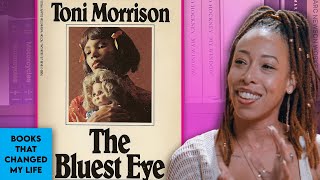
This interview segment features CC Rice describing how childhood traumas and physical symptoms shaped her life. She reports daily headaches beginning at age 8, later developing trismus/lockjaw and chronic tension she calls “secret-keeper’s tension.” A remembered sexual assault at an R. Kelly concert (recalled at age 16) and other family traumas compounded the effects. Rice credits college voice and speech/theater training with restoring her ability to speak, relieving headaches and jaw tension, and helping her process emotions. She also describes probable dyslexia affecting reading and writing and explains that socializing and performing became compensatory strengths.
Questions this video answers
8 years old.
16 years old.
At an R. Kelly concert.
Chapters
This time on books that changed my life.
But I also talk about. In my book, a lot of the first chapter is about the traumas that I did have that really affected why I became a voice teacher later, because I had to ultimately figure out how to heal myself. When I was in college, I suffered from migraines as a kid. Started getting headaches when I was 8 years old, and I would get them almost every day. I'd get picked up from school a lot. I'd miss out on things. If it was too hot outside, you know, it's California. I couldn't be outside. My mom would pick me up from school, and I'd look kind of glazed over, and she'd know instantly. And then that led to lockjaw. Started waking up every morning, and I had what's called trismus. My. Couldn't open my mouth and chew, couldn't speak. So that went on for years. I saw a bunch of doctors and specialists, and every time they told me, like, you seem normal. Blood work's fine. Scans are fine. You'll just figure it out. You'll live with it. And it wasn't until I got to college that I started to recognize that. Started getting headaches at 8. I talk about this in the book, but I was molested by a stranger at an R. Kelly concert, of all places. But I blacked it out. I didn't remember until I was 16. And it was a stranger whose face I can't even picture. And that was when I started sort of shifting. My dad's best friend, close family friend of his, also a dentist, there was a tragic car accident, and the whole family passed away. Same year that that happened. And so eight years old was this really sort of screwy time for me. And I never healed from it until I was in college and I started to take voice and speech classes. And my teachers started to make me make sounds from down here in my belly. And I had to let things go. And I realized I had been holding emotions and the tension in my stomach for my entire childhood. And then I would massage my jaw every day as part of the warmups we would do for class. And I started just doing the stretching and sound making and facilitating my emotions through Shakespeare, through theater, through language. And I started to get memories back, started to put pieces together. My lockjaw went away, my headaches went away, all because of.
Theater and the practice and the technique of having to process things instead of holding them, to having to release things into space and out of my body and to correct my posture. And to sit up tall rather than like this, which was causing me. And clenching my teeth every night like this. So I'd go to bed and I'd sleep and I'd clench my teeth to try to hold all my secrets in. And I call it secret keeper's tension now. And the clenching was causing me the headaches and the lock jaw and all the things. Shoulder tension, stomach tension, toes curling all the time. And that was the stuff that I recognized that I had to learn my own body to undo. And I had been seeing doctors the whole time, and no one had ever asked me, what's your stress level? Like? Have you experienced any trauma? What's. You know? Because people's look and they say, your mom's a lawyer, your dad's a dentist. Life is great. But no one really understood that I never had tools to process emotions. And I was so observant of the world around me. I was taking in so much that I was taking it in and just keeping it and thinking it was mine to hold.
It's crazy how that happens, right? So how did that affect you with making friends and fitting in when you were a kid? Because it had to isolate you, didn't it?
Well, interestingly enough, I have always been really good at socializing. That's been the thing that I relied on. I had a really hard time reading and writing.
I understood much later in life that probably had pretty intense dyslexia. That sometimes gets less intense as you get older. But I thought everyone sort of wanted to read right to left. Like, even to this day, when I look at a piece of text, I read it backward, and then I have to reorient myself and go the other way. I flip things upside down all the time. I was writing my name upside down and backward and all these things. And so school and spelling and paying attention in class was just way too much for me. Socializing and connecting to people was like my superpower. I'm a Virgo. I could observe, see a person who needs a friend. I talk about this in the book, too. I'd watch all the kids in class instead of paying attention to the teacher, and I'd see this kid and his legs bouncing. I'm like, oh, he has to go to the bathroom. And I'm looking over at this girl and I'm like, oh, she's chewing gum. Oh. And I was just fascinated by people. And I would get moved around the class all the time because you couldn't sit anyone next to me because I'd talk to anyone. I'd make friends with anybody. So socializing was always. And performing was always my thing because it didn't require me to read and write. And now here I am.