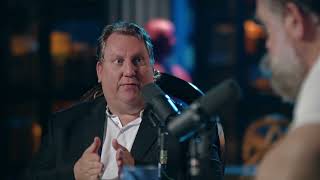
Chris Collins and Christian argue that when customers say no, objection-handling training treats the symptom, not the cause. A dealer thought advisors just needed better comebacks, but the real problems are profitability, customer experience, and fit.
Chapters
Okay. What do you do when a customer says no? So this subject is prompted by Christian doing a strategy session with the dealer that he declined to do business with.
Because the customer or the dealer was just adamant that all he needs is his advisors to learn how to overcome objections. That that fixes all his problems.
That was. Was so interesting. Um, I tried to pivot to, like, to things like profitability and customer experience, and it was. It was just so far back the other way.
And isn't it funny when people get on that strategy session, they don't know that you're interviewing them more than they're interviewing us?
They have. No. I would say they don't know.
Yeah.
For sure. I think that that's. Well, that's kind of the industry. Right. Like, in a lot of cases, I think that there's a lot of people out there that would just take whoever they could get. But we have a very specific, like.
Person environment that works really, really well.
And it's not for everybody.
No. And I just think that you.
You know, we're small enough that we can go where we want to go.
But this. This inspired this topic because people think, oh, I just need my advisors to learn how to overcome objections.
And so we kind of have a different philosophy on that.
I know that there is advisor training out there that works on this, and.
It'S a big deal, but I will say a couple things in response to that. One is, that is a symptom. You're treating a symptom, not a cause. And if your training is based around fixing symptoms, you'll always be in business, but you'll never get ahead.