Service Manager Spotlight: Doug Settle
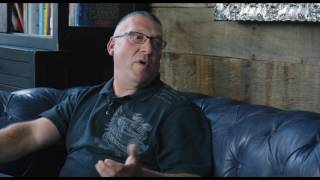
Doug Settle, service manager at Don Ayers Honda in Fort Wayne, has spent 30 years in automotive and six years in Chris Collins' service-management program. He won a national competition and rebuilt his department by fixing leadership accountability and process, growing his staff and improving pricing and labor strategies.
Questions this video answers
Six years.
Started at 19 years old; has worked at the same dealership for 30 years.
Eight advisors and 28 technicians.
He won the national 'comp' this past month; he had won it 11 (maybe 12) times before that, and his last prior win was two years ago.
Chapters
All right, welcome. Thank you so much. We have the almighty Mr. Doug settles from Indiana. Fort Wayne, Indiana. From Don Ayers, Honda. How are you, Doug?
Good, sir. How are you?
I'm doing fantastic. I'd like to thank you very much for taking this moment to talk to us.
One of the reasons why I'm doing this, and we're calling it the service manager spotlight, you know, we have a lot of clients out there that I say, so many different stories about different individuals that have been, you know, doing things in the program and redefining and reimagining how to do business in their own centers, you know, and sometimes we think about, you know, a service department is just. It's just simple, you know, doors open, you have advisors, you have technicians, you make appointments, and you make money. You fix cars. Right. But it's really not that way all the time. You know, sometimes we have to really engage our people, our culture, our market, and you've done all those things, so I wanted to, you know, invite you in. Obviously, we're here in what we call Studio A in downtown Los Angeles, and I appreciate you stopping by. I mean, it was definitely a long way from Indiana, but.
It was. But, you know, it's. It's well worth the trip. We always get something out of it when we come out here with this group and meet with you guys. So that's the benefit of coming out here. It's always taking something back.
Yeah, that's great. So just for our audience, know you are part of the elite group.
Yes, sir.
Not only that, you're probably one of the. One of the founding members. You are one of the founding members of this group where it all began. So you've gone through your journey. Yes, and I want to talk a little bit about that because there's a lot of people in our audience that have. Have always started, are starting, or have started, have been in the journey, but you've been there for quite a long time.
Yeah, this will be my sixth year.
Sixth year. So let's take it back. Let's look back, and let's look at that first year when you first started. Walk me through. How did it feel? How did it feel when. I mean, who introduced the program to you?
I think Kris was at a 20 group, and my owner actually brought it back, and my general manager called me in the office and said, hey, Doug, we're going to send you out to California for four times to go out and visit this gentleman named Chris Collins. Here's his book. I want you to read it. And Study up and you're going to go out and that was it.
How did it feel?
I was terrified, absolutely terrified.
My wife said you were just like green, you didn't want to go, you were dragging your feet, you were just terrified.
So you come here to la, you start getting the instructions in the program and you see it and walk me through those feelings the first couple of times when you're at the meetings and Chris kind of never has a no holds bar kind of attitude to things, right?
Very much so. Very intimidating. When we were first out there and it was a smaller group so we definitely got one on one with Chris and it took me a while to figure out why I was there. The first time we were out there, he showed me a financial statement I haven't even seen with a financial statement for. Didn't even have a clue what it was. So it didn't take me long to realize why I was out there and why I was sent there. So I was there for a purpose and a reason and I didn't really realize how much I didn't know until that very first visit. And then I realized why I was there. There was a lot I needed to learn. Cool. Yeah, cool.
Well, let's start. How did you get into the automotive industry?
Oh, I was 19 years old and I got invited up to the car dealership and started as a car porter. That was 30 years ago at the same dealership. So I've been at that Same dealership for 30 years. Got into management probably in the mid-90s. It was just myself and one other advisor.
So to say I was in management, that was just maybe a play on words. I was an advisor with one other technician and one other advisor. Now I have eight advisors, 28 technicians. So it's grown leaps and bounds. But to have some of the same clientele that I've had over 30 years has been tremendous. To watch how it's grown and to hear the feedback from the customers and just the whole department's grown just leaps and bounds.
That's great.
It's been impressive.
So tell me, did you ever imagine where you are now? That you'd be there when you first started and even 10 years before that?
No. Even up to that point, before I came out here, it was getting very frustrating. It was hard to run the business. The business was running me. You know, if you read Chris's book, you know, Mr. X, I almost felt I was that guy when I first read that book. I wasn't happy. I felt like the business was running me. It Wasn't growing very frustrating. It was to the point where I had to make a decision if this is what I could do for the rest of my career. So it was very liberating when I started coming out here. It took a while to get that, but when you start going back and producing and getting results and then getting the buy in from your general manager, I guess, per se, and showing that you can. You went out there for a reason, brought things back. It was an investment that he made or the owner made, and to go back and show that they spent their money wisely, if that makes sense.
Yeah, of course. So you've been in the program for six years, and.
What has it felt to you? Has it been like a slow increase, like steady up the mountain? Has it been like a roller coaster ride for you?
It started out fast. We went back and put a lot of things into place that Chris taught us. The effective labor rate, the pricing strategies. I don't have a ton of regrets, but if I did have one, I probably wouldn't. I kind of pick and chose some things because I wasn't comfortable taking the whole thing in at the same time. So I was blessed that I could stay into the program. It wasn't too long ago, maybe two years ago, that I made a conscious decision to apply everything, and that's when things really started to make a turn.
That's great. And you had all this support and backing from your general manager the whole time, right?
I did. And I fought some of the things that some of the new guys. I can't get cash and I can't play the games, and it's not my style. But when you start producing the results.
The buy in from the top, there was no question. And I guess my. My general manager made a decision that if he was going to be in the program, he was going to buy in 100% also. So I had to buy in 100%.
That's great. So he put you kind of. He made you accountable. He's like, hey, if I'm going to do it, you're going to do it with me. You're going to have to make it happen.
Yeah, here's the cash. I don't fully agree with it, but I'm in. So that was the accountability part with me. Now I have to be all in. US as well. Cool.
Well, you know, it's really great because I've gotten to know you very well, Doug, and working with you, I've seen just incremental growth. I mean, substantial growth just in the small Period in time that I've been helping coach you a little bit in the program, and I've seen where you've come from and where you are now, and you've had one of the biggest accomplishments in a while. You've just recently won what. What we call the comp here. And the comp is. Is just for our audience. Our comp is our. Our national, like, challenging format, right, where we put all these dealerships by brand and by make together, and they compete on a nationwide, you know, platform. And you won this past month.
I did.
So congratulations. Thank you. That's a beautiful. That's a wonderful feat.
Been a little dry run, but, yeah, it's taken a little while.
How long has it been since you've won it last time?
It's been two years, and I've won it 11 times before that. Maybe 12.
Wow, that's great.
And then some more people got into the group and so forth, and it still was nice to have a support group like you. I called up and said, hey, what can I do? I got to do more. I got to do. I need more. And this group was here to supply that information for me and give me that support. And I attribute that a lot to you and Chris and the group that I had a place to go and say, hey, you know what?
I need some help.
I need some help.
What can we do?
I want to do more. And it was nice to have that just a phone call away. As long as you choose to reach out and realize that, hey, you need a little push. Everybody does. So you've been in the program five or six years. There was still a place that I could go, hey, push me. Hold me accountable.
You know, it's funny. Do you think that there's any special powers you have to have, any special talents that you have to have to be able to achieve the success you've achieved, or you just see yourself as a regular guy, right?
No, this is the will and want to get better and not just be average and just to keep getting better and to bring the people up with you. I guess I thought I have an obligation now that I had eight advisors and more technicians that, you know, I had an obligation to make them better as well. I guess that's part of leadership, too. So, you know, that's where I really felt the need to reach out and say, hey, I need to keep going. I've gotten bigger, the store's gotten bigger, and I have responsibility to make sure that these other employees have the opportunity to thrive and get better. So If I couldn't get better, then I didn't think they could either. So that's when I made a decision to reach out and say, hey, I need pushed.
You know, a lot of people ask me.
You know, very simple question like, how do you get your people to buy into this? If I bought into it, how can I share that enthusiasm and motivate them to believe in the vision that we can make it, we can make things happen.
It wasn't easy, but it started with me. Once I had the confidence to come back and put everything into place.
It started with me to have the confidence, and then they started developing the confidence. And every time I came back, I would change things and do different things. Yeah, they bucked me. It's going to happen, but I wasn't going to sway. And they realized that. But then they started seeing the benefits and the profitability of it, and the buy in came. It took a while, but it started with me to bring it back.
You know, one of my favorite stories to tell a lot of people is when I went to your store and I saw the way you did processes and the way that you embraced your people and the way that you embraced customers. I mean, the doors open and there's not one customer that doesn't drive in and jump out, says hi to you, and you give them a hug, you know? You know, and. And it's just that kind of energy where you want to be around on that service drive. And, you know, I remember that the couple of weeks we spent together, and at the end, you remember, I gave you a nickname.
Mm.
You know, what's your nickname?
Yeah, you call me Relentless.
That's right.
Yeah.
You are Mr. Relentless. Because everything that you put in front of you, and you would write things down and they were going to happen and they happened, and they continuously happen. And it just takes commitment.
It is.
And I think that's one of the hardest things for people to kind of sort of embrace.
Yeah. And there's. There's all kinds of different levels of commitment.
But, you know, and that's where I really made a decision at least almost two years ago, a year ago, that I can't pick and choose on the commitments. I had to make the full commitment, do the full thing, and it's paid off. It's paid off tremendously.
Do you think it's more mindset or do you think it's process?
Oh, it's mindset and then process. Yeah. Once you get the mindset, that that's what it's going to be and Then it's the process and the consistency of it and not back off and change it.
You know, there's a lot of times where you've said to me that it's important to pay things forward, that it's always important that once you get something, you should always be able to help others embrace it.
Yeah.
So I leave you with this. And our audience is, what can you tell these managers that are going through that struggle that, you know, that are thinking like, look, I can't, I can't do more. I'm too worried about payroll, I'm too worried about appointments tomorrow. I'm too worried about, you know, where am I going to get, you know, the people I need to get technicians I need to get.
What can you tell them that takes them that leap forward so they can actually, you know, it's like going on a diet.
Right.
You got to lose that first pound. But how can we get them there?
It's a great question. You just, you just got to commit and do it. And then you start measuring your results and seeing that you're everything that you're putting into it. You're getting, you're getting twofold back and then that's, that's when you start getting the momentum. And once you start getting the momentum, then you can start talking to other people. When you start talking to other people, then I think that's another way to hold yourself accountable. Say, hey, listen, I know you can do it. This is what I've done. And then you have to take another step forward and keep moving forward. I think that's part of playing it forward or giving to get is sharing with some of your co workers or some of the other people that are in the business.
And hold yourself accountable by talking to them about it. Then when you meet back again and say, hey, how did you do? Where was your results at? And, you know, nobody wants to come back to this group empty handed, you know, so that's, that was the peer pressure and it's the accountability of it. But to come back and help other people, it felt good to me because I was in the same spot. I was nervous, I was scared. And, you know, it was nice to see people that would put that much energy and effort into it and get the same results and then talk about it. Yeah, I guess that's great.
Yeah, that's fantastic. So many times we say that it's really not about the coaches, it's not about Chris, it's about the community.
Right.
It's about you guys. It's about not Only reaching out to us. But you can reach out to anyone. Right. And that's how you really have created, like, a brotherhood and sisterhood with the whole group.
Yeah. People from all different parts of the country. You know, I used to say, well, it was different out in California or different in Connecticut. And, you know, you guys would call us out. No, it's not, you know, guys getting it done in Indiana or guys are getting it done in Connecticut or, you know, in Florida, that type of thing. So we took all that out of there. It's not about the environment. It's not, you know, there's nothing different. It's the same. Yeah.
I think it's a lot easier when you just like, remove the excuses, kind of erase that and then just go, okay, what are the facts? What do we need to do? And let's just start with step one.
Yeah. Facts, not feelings.
That's right. Facts, not feelings.
Well, cool.
Doug, thank you so much for taking the time to talk to us.
My pleasure.
Congratulations, brother.
Thank you.
I'm really, really proud of you. You're going to keep it going and taking it to another level. So I'd like to thank everybody who listened today. Mr. Doug sells. He's. He's an extraordinary, extraordinary individual who's done amazing things. And thank you. It's just simple. It's simple, right?
It is, but it's. It's simple, but it's hard. It is, but it's a commitment. Cool.
Thank you.
Thanks. All right.
Thank you, sir.







