The Difference between Sympathy and Empathy in the Service Drive
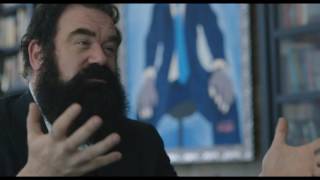
Chris Collins explains why empathy matters more than sympathy when dealing with customers in auto service. Empathy means understanding what a customer actually feels, not just feeling sorry for them, and it builds loyalty in ways sympathy never will.
Chapters
Chris Collins here. I hope you're doing good. I'm sorry we haven't done a tip video in a while, but we've been pretty busy here at the office recreating. We've actually recreated all of our virtual advisor training for one, for two reasons. One is vanity. The old training, I didn't have a beard and so I look like a little kid and look like a little baby's butt. And the other one is we updated it. There's lots of things that we've learned since we recorded it the first go around and so we've redone it. Hope if you're on it, you're going to be really excited. If you're not, you should get on it and check it out. But in this video, I wanted to share with you something that is really important to our success in the service drive. And. And it's the difference between sympathy and empathy with the customers. And I think it's a big reason why we lose sales a lot of times and a big reason why our retention is so low oftentimes and customers aren't coming back asking for us. If customers really felt like we empathized with them and we really cared about them on a deeper level, every one of your advisors, or if you are an advisor, would have a line of customers waiting for them the second they got into work because they wouldn't go to anybody else because it would feel like you're part of their family. And the sympathy. The difference between sympathy and empathy is sympathy is just caring about a customer, but empathy is putting yourself in the customer's shoes. There's that great quote by Maya Angelou that says they won't remember what you said, they don't remember what you did, but they will remember how you made them feel. And so just sympathy alone and saying, oh, that's bad, or I'm sorry or oh, you're in a hurry isn't enough. What you need to do as a service advisor is show empathy and really put yourself in the shoes of the customer and see it from their point of view. Oftentimes in our industry, what we do is we get so busy, we treat customers like another number. And so we're just running customers in and out and we don't have time to put ourselves in their shoes because we're thinking about the person we forgot to call or we need to call the next person in line and we're always going and going extended warranty that we have to call instead of really stopping and connecting with customers. Now, part of it is. That's management's job, right? As leaders, we need to make sure that our advisors have enough time to connect with each customer. You can't expect an Advisor to write 25 ROS every day, day in and day out, and really spend time and connect with customers. But the other part is, it's advisors. I've seen stores where advisors are writing eight tickets a day, and they still don't show empathy, and they're not connecting with customers, and they have all day to do it. So it's on us to own this as an industry and really change the way we approach customer service. But I'll give you an example of empathy. That's a true story. When I was writing service, so context of it is it was a Cadillac dealership that I wrote service, and our customers were a little older, and we had this fancy coffee machine that made lattes, which I've never seen one since, but it was pretty complicated, and oftentimes it was confusing for the customers. And so just one day, I saw a customer struggling at the machine. And it was pretty common for us as advisors to come over and assist the customers when they couldn't figure out, you know, most of the time, they would say, I just want a cup of coffee. I don't want a latte, or whatever it is. And so we'd go over there and we would help them. And so one time there was a female customer there, and she was clearly really frustrated, and she kind of had tears welling up in her eyes, and she was not having a good day whatsoever. And so I asked her what she wanted, and I made it for her. And then I said, oh, it looks like you're having a really bad day. What's going on? And she starts crying, and she's like, I had to put my dog down this morning. 14 years, and I had to put him down. Now, nothing gets me more than that because it's. It affects me more when a dog dies. You guys all know I'm a dog person. Than when people die. And I'm not saying that when people die, that's not a big deal. And I'm not. You know, I'm not trying to make light of it, but, man, when. When a dog dies, oh, it gets me. So when she said that her dog passed away, I said, I've had. I've had dogs pass away, too, and it's the worst. And I was putting myself in her shoes. I was explaining to her that I'm just like her, and I've been right where she has been. So I have this moment with this customer and then I tell her what the advice I give most people when that happens is. You know, the best way to get over a dog dying is to get another dog, right? I said, the best thing you could do right now, and I know it's hard, is just to go get another dog. And I asked her what kind of dog she would get and we talked about it. And I would like to think that under the circumstances, I made her day better. But I'm going to tell you this, she asked for me every time she came in after that. And I wasn't even her advisor. And you know what I learned that day is when I went out to her advisor who had helped her and wrote her up, I said, man, it's terrible. Did you know about her dog dying? And he's like, what? What are you talking about? I'm like, you wrote her up. You spent all that time with her and you couldn't tell that she was almost crying and upset and you never asked her what was wrong? He's like, I don't, you know, I don't want to know that. Like, wow, great. You know, you really care about your customers. In our industry, we have such a great opportunity to change the trajectory of our customers lives. But that only happens when we get inside of their feelings and their emotions and see it from their point of view. Everybody is different. You watching this? You're different from me. You're unique in your own special way. And everybody also has their own unique challenges every day. So customers come in, they just got in a fight with their wife, they're late on their bills and they don't know how to pay. But we miss sales because we assume that because they got on a fight with their wife and they're being short with us that they don't want to do the work and they decline the work because we never got to know them and understand that really the issue was they don't have time because they have to be somewhere. And if we told them they could rent a car and we gave them another option and we understood what was going on in their day, then they would have bought everything that we suggested. What on the ro. And that's where we miss sales is because we're not showing empathy and really feeling and making them feel like a part of the family. Now the best example of empathy is parents. Now parents, the first time your kid runs and falls and scrapes his knee and has a big raspberry, you feel that right when your Kids go off to college. It's like you're going off to college the first Christmas where your kids really understand Santa Claus and they're so, so excited, and they're leaving cookies and milk for Santa Claus. You as a parent, relive that from your childhood. You feel it. That's empathy. You have to slow down and really connect with your customers and understand what they're doing. Now you're saying, kris, that's crazy. I'm not a psychologist. I can't get to know everybody and everybody's problem. You don't have to get to know everybody and everybody's problem, but you do have to care about people and slow down. You're there to fix customers problems, and you can't fix their problems and. And make sure their car is maintained and ready to take them wherever they want to go every day. If you don't understand them, if you don't understand how many miles they drive, what their obstacles are, all of their needs. And so you have to slow down, at least enough to care and listen to them and ask questions. And it all starts with just caring and asking questions. Oh, it looks like you're having a rough day today. Is there something I can do to help? They call in and they're stranded on the side of the road. Don't just say, oh, you know, have the tow truck bring it to me, but are you safe? That happened to me once, and it felt terrible. Is there anything I can do? Would you like me to send an Uber to pick you up? They probably won't take you up on it, but just showing that you care and you've been there before and talking in terms of, I'm just like you, and that's happened to me. And when it happened to me, it was terrible, and I understand, and I'm going to make it better. You're in safe hands. That's empathy, and that's what we're missing in our industry, is we have to care about people and stop just treating them like a number and. And really get to know them and put ourself in their shoes and walk a day in their shoes and understand. So you got to think about it from the customer's point of view, not our point of view. So when customers come into our service departments and we're sitting there typing and ignoring them and looking down, or they're standing at their car and, like, do I go in? Do I stay here? Do I wait? All of those systems have to change. We have to make customers feel comfortable right from the beginning. We, we have to greet them with an enthusiastic warm welcome. Thank you for coming in. And then we have to put them through a process that makes them trust us and like us and come back. Because if we're losing customers to retention, we're never going to get them back. They're going to go somewhere else and somebody else is going to do that. And that's what's going to separate you as an advisor and you as a dealership is that empathy and really connecting and caring with customers. So think about that. It's coming up on the end of the year. 2017 is right around the corner. I haven't done any Christmas shopping at all. It's crazy to even think about that. But in the store yesterday, it's not even Thanksgiving yet and in the store yesterday they were already selling Christmas decorations. So this year has flown by. I hope you're having a great year. If there's anything we can do to help you with your fixed stops and service department to connect with customers, CSI profitability and get ready for2017. We have some exciting coaching meetings and events coming up. Get into our family and let's have some fun and have a great 2,017 and maybe I'll talk to you one more time before Christmas.







