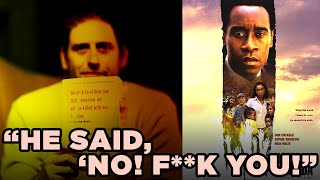
Speaker (Chris Collins) reflects on the moral power of individual refusal during mass violence, using Paul, the hotel manager portrayed in the film Hotel Rwanda, as an example of one person saying 'no' and protecting others within his immediate surroundings. The speaker argues that even when a problem is enormous, localized acts of refusal can save lives and resist the normalization of violence.
Chapters
I wish everybody had the whole history, right? I wish that we could look at this violence as business. I wish that we could look at it as political adjutant and power grab and all of that. And I wish that we could kind of connect the dots of all of them and react differently. Because the most, maybe the most powerful thing in the book is the Hutu people who did not participate. Like Paul, the hotel manager, who Hotel Rwanda, the movie with Don Cheadle is based on about his life. He just sort of said, no. He just sort of said, you, I'm not. No, I'm not killing anybody. And I'll bribe you or I'll cajole you or I'll tell you. I. But I will not give an inch that to your point of view, that it's acceptable and that could have killed him and maybe killed others that are not alive in the. To tell their story in the book. But that this, that simple reaction of going like, this is insane. Like, at some point you need to just have people be like, the. You doing. You know what I mean? Like, this is crazy. We're not. We're not killing anybody in this hotel. And I have a phone and I'll call the outside world and I'll tell them who you. I'll tell them who you are. And we grew up together. And what the are you talking about? And that level of, like, even though this problem is an enormous problem that this one guy couldn't solve, he could solve it there in that six feet around him.