Tuesdays With Morrie and The Art of Dying || Jordan Davis
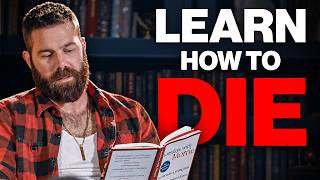
This is a transcript of a recorded conversation between host Chris Collins and musician Jordan Davis about the book Tuesdays with Morrie by Mitch Albom and its influence on Davis’s life. They discuss Davis’s reading habits and formative books, summarize the book’s premise (a series of conversations between Albom and his dying professor), and highlight core themes — mortality, relationships, detachment, and authenticity — while connecting those themes to Davis’s experiences in the music industry, family life, and mental health. The episode intermixes quoted passages from the book with personal anecdotes and practical takeaways (slow down, prioritize relationships, revel in who you are).
Chapters
This time on books. That changed my life. When you realize you're going to die, you see everything much differently. He sighed. Learn how to die and you learn how to live. How do you learn how to die?
Got a guy that is faced with one of the worst diagnosis you could get. More than likely on this date that's probably going to be lights out for you.
And it's almost kind of like a ticking clock, like deteriorating.
I've done more in music than I would have ever dream. Tour places, I've toured, having a number one song, awards and plaques and all that stuff. But truly the dreams that I had when I moved to Nashville, I've achieved most of them. And, man, I feel like I should be happier than I am. So many people spend their life running from something they don't know they're running from and thinking that the next house or the next car or the next job is going to fix it, and then they find out it's empty.
You try to prove to the world something and you get further and further away from who you really are.
I gotta be more like Maury, you know, what is. What is my music doing for somebody else?
If you're living life in a way that's authentic and genuine to you, death isn't as scary.
Everybody knows they're going to die, he said again, but nobody believes it. If we did, we would do things differently.
Death ends a life, but not a relationship.
True life is right there in the relationships that, that you have with people you love. The relationship continues on. I always have. My grandpa's with me.
Yeah.
Morri says, find out who you are and rebel in it.
That's beautiful. So the big question, how did Tuesdays with Maury.
Change your life?
Welcome to the Syndicatex Library where we love books, especially ones that have changed lives. We have a very special guest joining us today. His music has been streamed over 8.4 billion times. He scored eight number one hits. Father of four, fellow book nerd. His latest album, Learn the Hard Way, is out. Now he's here to talk about the book that changed his life. Tuesdays with Maury by Mitch Albom. Please welcome Jordan Davis.
Thank you so much, man.
Thank you very much for having me on, Chris. This is awesome, man. It's awesome.
So do you. Do you read a lot of books when you're on the road?
I do. I've really kind of picked it up. You know, I feel like there was probably post college. I kind of got out of just reading, but I feel like the last eight years I've been trying to, Trying to get back into it. A lot of flights, a lot of bus rides. So I've really picked up. Picked up reading.
How do you, how do you travel with them?
Kindle. Yeah, so Kindle's my.
I still love it that we're anti Kindle here.
No, no. I was just about to say there's nothing better than holding the book and flipping the page. But it's just been a whole lot easier to keep on the bus, keep my Kindle and charged up in my bunk. But no, if I, I mean, if I can, I'm gonna grab the book. And I knew right when I said that, I was like, I probably shouldn't have said that.
But we won't hire anybody here that has a Kindle. Oh, part of the new hire.
Please let me stay around.
But it is hard. Like I, I'm always carrying like two or three around. Yeah, I have a system for it, but it is hard. Yeah, you have to prioritize it.
Yeah, 100.
Otherwise they get dinged up. And also I'm. I'm a tab or a highlighter.
I definitely, I know I need to get the tabs. I saw that when I, you know, I definitely like, underline stuff. A lot of notes out in the margins. But. But I need to get the, the tab thing. Could be cool.
What was the first book you read? Beginning to end. Do you remember?
Oh, golly. I mean, it'd probably have to go back to like middle school and.
You know, either be like Mice and Men or something. Yeah. Or Old Men and see like, you know, something of like those mandatory reading programs where I know a lot of the kids were just doing the spark notes, but I stuck it out and read every word. But yeah, I would probably say Old man in the Sea. We had like a report on it, maybe seventh, eighth grade or something like that.
Do you remember the first one you read that wasn't assigned?
It was.
Killing Lions. John Eldridge. Yeah, that was the one. A buddy of mine turned me on to that one, which really kind of sparked that, which I'm thankful for because I think that led me to Mitch's book. But like. Yeah, that was the first one where I was recommended that and read it and was really, really moved by.
So at that point you were hooked.
Yeah, that was, that was what started it. I think after that, you know, I stayed in, you know, that kind of, kind of realm, I guess you, you know, self help books. But that was what threw it off. Read a lot of his stuff, have read A lot of Peterson stuff.
Yeah. I mean, it. It. It kind of threw me down that. That route of. Of that style of book. Yeah.
Peterson's so great.
Such a great. Such a great writer. Uh, Maps of Meaning is like, Maps. Meaning is fantastic.
So I have a first edition of Maps of Meaning that when he was at Harvard.
Yeah.
And I think there was only a thousand of those printed or something. They're pretty rare.
Yeah.
When I bought it, I didn't know how special it was because before he was on YouTube and all that, and I highlighted and writ. Wrote all over it, but I was at a dinner with him, and I showed it to him. It was so funny. I go, jordan, look, I have a first edition. Or he goes, you want me to sign it? I was like, yeah, that's really why.
I brought it 100%.
So he signed it for me.
That is awesome, man. Such a. Yeah. Such a smart guy.
I would say I've learned more from him than my. You know, like, he's almost like a father, I think, to a lot of us.
I think he is. His advice, and it's been really cool. I. I got to, you know, and.
You know, as he's kind of come into this celebrity role that, you know, he's found in the last 10 years, it feels like. There's a documentary I watched on him called the Rise of Peterson, and it was really cool to see. You know, it kind of takes you into his personal life, but then it follows him around on some of his speaking stuff, and it films a few people coming up, and some of them say that it's like, you know, I don't have a dad. You know, I was raised without a father, and I've. And you have really kind of stepped into that role. I mean, it's heartbreaking, but also, like, super awesome that there's a lot of people out there that can kind of kind of look to him to be that. And I'm right there with you. Like, there's a lot of things that, although he is a tough read, I feel like I need to. Like, it definitely takes me longer to read a Peterson passage than it does probably anybody else, but. And I think it's just so smart and. And I feel like there's all these little nuggets that are kind of hidden in there that I kind of go back and touch on, but, yeah, just a fantastic writer and a super smart guy.
Yeah. I would say I've consumed more YouTube.
It's. It's easier to listen to.
It is, like, in his lectures like, yeah. If I, like, I subscribe to the Daily Wire just to watch the lectures that.
Yeah.
They put up when he tours, you know.
Yeah.
He always, like, has a different angle.
His last. I don't know if it's last one, but the last one I bought. We who Wrestle with God. I mean, I've. I mean, it is we who wrestle with reading that thing. I mean, it's just very.
I haven't read that.
It's. It's deep.
And also, I think just because that subject doesn't really interest me.
Yeah.
I think it's very, like, on the nose.
Yeah. Yeah.
And I don't know.
I don't know.
I just. I feel like if I start going down that path, there's more questions and answers and.
Yeah.
Just going to worry about, oh, 100% doing right now.
100. It's a big topic, huge topic, and a very tough read. So it was one that I started and kind of dipped back into. Just kind of set it on the nightstand. I was like, I'll get back to that at some point.
It's funny. But. Yeah, it's just. It's so great how books are so powerful. When I. I was in my early 20s and I had moved from Seattle to Portland for a job, and the job hadn't panned out to be what they said it was going to be.
Yeah.
And so I was going broke, and it just. It wasn't working out. And in every, you know, sense of the situation, I was right. But I was losing.
Yeah.
And I was, you know, just wandering around downtown Portland and I walked into a Barnes and Noble and I have no idea why, but how to Win Friends and Influence People is jumped out. And I bought it. And like, literally, you know.
Probably 45 minutes later, I'm on a bench downtown reading, and I'm just like, sobbing. There's this story in there about, you know, a dad and a son. And at the end, you know, I read the book twice in a pretty short period of time, and it, you know, really kind of unlock something in me that, you know, being right isn't irrelevant to getting ahead.
Yeah.
Like, and it changed me. Like, I changed in that moment.
Yeah.
And that. That probably was the first book I ever read. Beginning to end on my own in that way. But then I was hooked from then on.
Yeah.
Because it really had a dramatic impact on me.
So. And that was. How long did you say that was?
I was. I was like 23 or 24. So. Yeah, I'm 50.
That's not crazy. Long Ago. Yeah.
Yeah. But since then, you know, that. That was the spark of the love of books and.
Yeah. The.
The reading, because they. It can. It can really, you know, just kind of flip you.
Oh, 100.
So kind of give. Give us a sense of where you were in life when you discovered this book. What. How are you feeling about yourself? What was your love like? Yeah, love life like.
So, man, I found this book a little bit over two years ago, so it's been a.
Fairly recent read. I was in the process of making a new album. I just released a last record, and I was kind of trying to figure out what I was going to do with this next phase of music. And I have a really great group of co writers that I write with on a very regular basis, so. And even outside of work life, I feel like we're. We're friends and we're involved in each other's families and we kind of can know when. When stuff's going good or bad.
I think they picked up on kind of a weight that I was carrying. And I think also too, you know, I'm in a very odd line of work and that I'm an entertainer and have to live and, you know, on social media, in the public eye, you know, so.
My brother kind of saw that, you know, just a quick check in, like, hey, man, how you doing? You know, like, how's, how's. How's everything going?
So I would say at that point in my life, I was probably.
Super stressed out.
Uncertain of where I was going to go in the future. You know, I work in a. In a business that you're as good as your last product. And.
I'm also kind of hard on myself and, like, want to continue to grow and want to. Want to be better. And I think they picked up on that.
Was the album before not as successful as you had wanted it to be?
It was. It was actually very successful.
Oh, so it's the opposite.
It was kind of the opposite.
You were like, now how do I climb this again?
Yeah, and, you know, we were just kind of starting that new.
Funny how that's harder than the other.
Way around 100, because, like, you lose the expect, you know, there's no expectations. If you put out something that doesn't do great well, then nobody's really expecting anything from you. So you have the freedom of, like, oh, let's go, let's throw paint at the wall, like, to where then you have. You come off of two big songs or whatever it is, and you kind of have this pressure of like, all right, well, now the next one's got to be even bigger, you know, and I'm the one that's got to come up with this stuff.
And so in your mind, are you thinking, okay, what's the formula? And then if it's too much of a formula, it's not genuine, and you start to kind of second guess 100% where you should go.
Well, so I had two really big songs.
Did you know they were going to be big songs when you did them?
Not at all.
Because you probably don't ever really. People say they know, but no, you.
Know, it's like, you know, you write it and it. And all I can do is sit there and write and pour everything I. I can. Everything I got into the however many hours I'm in that room writing a song. And then when we finish it, just for my years of doing that, I just have gotten to where I'm good at stacking that one behind me and waking up the next morning and going. Doing the next one. And so, no, I didn't know that those songs were going to do well, and they ended up doing really well for me. So then it's like, okay, I went through this period of like, kind of trying to rewrite that and kind of trying to refine or, you know, just do over what. What worked, which then kind of got me in that weird spot of like, all right, now I kind of feel like I'm actually for the first time doing something that doesn't feel very genuine to me.
So. And then, you know, and that's on the professional side, on the, on the personal side, I was. I just had my third child and, you know, the, the pressure of being a provider and, you know, working in a line of work that's very, you know, next. Next product to see how. Continue, you know, how we can continue this thing. So I think I had a lot of stress that. Of. On that side of it, too.
How did that affect your wife?
I mean, she. I think she saw it. She. She does a great job of. Of talking me down from that, not letting me get too far down that road of, like, having a bunch of pressure of like, this has to do well or we're not going to be able to. To continue to. To live and. Which is not true by any means.
You're. You're kind of manufacturing that Boogeyman in your head.
100. It's. It's the, it's the old, like, oh, I'm the provider. I have to go do this. And yeah, it's It's a totally manufactured way of thinking, so. And she's very. She knows when I'm kind of getting down that path and she can kind of pull me out of it. And I've. And I've since then been able to kind of catch it, you know, and stop that kind of mental thing before it gets too far down there. You know, you can kind of just have that conversation with yourself, like, hey, man, you're doing it again. Stop. We're all right, you know.
But have you.
Have you ever gone to therapy or you just.
Yeah, yeah, yeah, yeah. You know, and, you know, that was really the. The main talk of that, you know, it's. Or what we really kind of jumped off with was it's you when you sit down. Yeah. It's a, hey, man, what's going on? You know, you unload that stuff. Uh, you know, I feel like I'm, you know, it was funny when I sat down and talked for the first time. It's. I told him, I was like, man, I feel like I should be happier than I am. And he just kind of cracked a smile and. Which.
To me was, like, very, like, freeing, you know, I was kind of like, okay, like, maybe I'm not. Yeah, maybe this isn't as bad as I. Yeah, it's like, okay, he's obviously heard this before.
Yeah.
So. And it was. It was great. Like, I can't recommend it enough, like, to go to anybody.
And let's go back for a second. Where did you grow up?
I grew up in Shreveport, Louisiana. Northwest Louisiana.
And what did your parents do?
So my mom was a nurse, and my dad and grandfather owned a furniture upholstery company a little right there in my hometown.
So were they pretty successful? Were you like a middle class?
I was, yeah. Like middle class.
You know, never wanted for anything. But you're in sports. Yeah, yeah, I played.
Were you really competitive?
I was, I was.
And so what is it from your childhood that created that drive?
It was my dad. So my dad was very much the kind of, wake up earlier, work longer. If you want it, work harder, go get it. And.
And that's the programming.
That's. I still have that to this day.
That's your default setting, basically. 100 and so when you're sitting there talking to the. The doctor and you have those feelings, how much of that is from just that programming?
It always.
From a kid?
Yeah, yeah, I think it always. I think that, you know, and not necessarily like a. I would even say it's like a bad thing. I think it's just being able to.
I would put it like this. It's like, you know, too much of. Too much of a good thing is a bad thing. So too much of that mentality.
Is gonna get me in that spot. And that's what I was able to learn from him. He's like, you know, like, you know, when he kind of sat there and I said that, and he was like, I need you to talk a little bit more on that. You know, explain more. Like, what do you mean? You should be happier than you are? And. And then it was like, well, man, I've, like, moved to Nashville. I had this dream of, like, writing songs, having a number one song, and.
You know, all these things that I've been able to check the box off of. Like, truly, the dreams that I have when I moved to Nashville, I've achieved most of them. Like, have been able to. To grasp them. And what ended up happening was when I checked that box off, I just threw it away. It was like, oh, okay, you did that. Okay, cool. It's gone.
What's the next box? Or, you know, how do I. Okay, well, then, what's the next step? I got here. So now here's my. My floor. So now I've got to get to this floor. And that kind of hamster wheel was not allowing me to kind of sit back and just be like, oh, wow, that was really special. I worked hard at that. It wasn't like, I just moved to town, and here you go. Here's a. Here's a number one song. Here's a great community of writers you get to work with. Here's a record deal. Here's all this stuff. Like, I still had to work very hard at that, but when I achieved those things, it was just like, okay, on to the next. And, you know, again, which is why a lot of this book really kind of hammered me.
And I wish I feel like if I could have seen this book six years ago, I'd have been a much better spot going into those. To those sessions.
But that was what. Whenever we left, it was kind of.
My therapist telling me, like, hey, man, maybe. Maybe slow down a little bit. Like, maybe focus more on. You can focus on your goal, but, like, also sit in the success of. Of. Of achieving one for a little bit. Like, it's okay to do that. Like, you don't have to go back to the. Okay, got that? All right. Now I got to work harder and get the next one, you know.
Which, again, kind of comes back from that, you know, really kind of blue collar mentality, work ethic that my dad had.
Well, your identity comes from the working hard, but it creates that, like you.
Said, hamster wheel 100, you know, you got to keep it spinning. Like it's okay to let it stop for a little bit sometimes, you know. So it was, it was a. It was very, A very beneficial. I mean, I did that for a few months, so it was, it was awesome.
So what, what does it feel like when you allow yourself to stop and enjoy it?
I think it's just like slowing it down. So I'd say, like.
You know, being okay with taking a little bit more time to.
To celebrate the win, you know, and. And I feel like I'm a pretty humble guy, you know, but, like, sometimes it's okay to, to be really proud of something you accomplished. And I think for me, it was like some of those boxes that I were checking. I, I just didn't, you know, I wasn't able to really sit in it and enjoy it just because I was kind of always on to the next thing. So I would say feeling, you know, feeling that feeling would be.
It could be as stupid as, like, taking a weekend and going to a cabin in West Tennessee, me and my wife and my kids, you know, turning the phone off and just enjoying 48 hours of being like, hey, we. We set out to accomplish something, we did it, going to go celebrate it. And that may be us going and not doing anything for 48 hours and just being together and being in that moment. So, I mean, it could be as simple as that, you know? Yeah, I mean, I would say it would look something like that.
And does it change your relationship with others because you have deeper connections, because you're more in the moment, more open?
Oh, yeah, yeah. I mean, I think, like, I think you have to. I think you have to have. You have to have that. That I think the relationship is the most.
You know, I would say definitely my wife. You know, it's like that, you know, we're at our closest when we're spending one on one time together. So it's like not, you know, when we have four kids. So it's like it can't be like.
You have four now.
Yeah, yeah. We just had a brand new one.
Are there more in the.
No, four is enough.
We're good because three is like, you can hold two, but the third one can get away.
So now we've got two that can go. Go rogue.
Yeah. I think that's the thing for me is that hamster wheel.
You don't create the relationships that you could along the way because you're just on to the like.
Yeah.
It's more like you're surrounding yourself with the people that play the role in the thing you're trying to do.
Yeah.
But you're never stopping and actually like.
Yeah.
Getting to know them in a way.
Yeah. It's kind of always on to just.
Business in a way.
Yeah. And I think we've somewhat normalized. Well, I say we. I think.
It'S become more normal for that to just be written off as like, what's business.
Yeah.
Or it's like as a season. You know, it's like that guy came into my life, that girl came into my life for a season. And it's. You know, it's funny, people that work.
On movies, how they like have this crazy three month experience that they. Trauma bond almost.
Yeah.
And then it's gone.
Yeah.
And they never see each other again.
Ever. I mean, I think about it in music, I mean, there's times in songwriting where you go and you sit down a room with a complete stranger and for some reason the fact that there's a guitar between you and that person, you're able to unload some stuff that you probably wouldn't tell some of your best friends. And. And maybe it is this, this stranger being like, oh, I'm. I might never see this person again.
But for some reason there's a. There's a barrier there that you can be like, well, hey man, I'm gonna. Here's what I'm going through right now. Here's what I'm struggling with. Let's write a song about it. And forever you're tied to that person that you may have just met that morning with that song that came from something you went through.
Like, that's crazy to me. Like, I've always thought that's like such a weird. You know, you won't tell your best friend something, but I'll walk into a room with somebody I just met 30 minutes ago and be like, well, hey man, this happened last week. Haven't told anybody else, but you want to write a song about it with me, you know? Yeah.
It's very vulnerable, right?
Oh yeah. 100.
Yeah, that is. That is funny.
That's wild.
And then like, maybe you, you like will text the person, everyone. So I wish you do that again.
And then it never, it never happens. Yeah. You know, the weirdest thing would be for like to do that with a song and it like blow up and be huge. And now you're forever tied to that person that you really only spent six hours with writing that song.
But, yeah, it's pretty. It's pretty wild. How.
How vulnerable do you feel? Like your. Your album just came out.
Yeah.
Now, you know, it's out there now. Like, you. You had it, and now it's the world for everybody to experience in their own way with their. Their lens or.
Yeah.
You know, their experience. What does that. What does that feel like?
I mean, to me, that's. That's the.
That's the feeling you're trying to get to the second you start making it. And. And you know that there's going to be.
Thousands of ups and downs in between you and that moment.
But that. That is the. That's the pinnacle of making music, when you're able to be like, all right, it's not mine anymore. Like, now it belongs to y' all or whoever wants to listen to it. And not only that, like you said, it's like, that song isn't about what I wrote it about anymore. That song is now for their wedding or whoever listens to it, to what they think that song's about, because that's how music was with me. Like, you know, it's. I didn't. You know, I was always a fan of, like, songwriters. My. That my dad loved, like, Kris Kristofferson, John Prine. Those were the two meccas for me and still are. And I guarantee you, when I listen to a John Prine song, you know, whatever that song is.
What I think he wrote that song about is not what he wrote that song about. And that's the greatest thing about music. And.
That'S why days like today, when you get to release a record, it's cool, because you. You get to let it go and send the kid off to school. It's like the first day of first grade, you know, you're at the bus stop, and, you know, y' all had all summer together. You did vacation, you did all that stuff, and now you're at the bus stop with him, and the bus driver pulls up, the door opens, and you send him off to school, and. And it's a. It's a pretty.
I hope he behaves himself.
And you hope. You. You hope you've done a good. Good enough job to. Where you don't get a phone call and be like, hey, not the best kid.
So, yeah, that's.
Yeah, I'm crying.
That's funny. Oh, my favorite Kris Kristofferson song is Jesus was a Capricorn. No, it's Like, I'm a Capricorn.
Yeah, it's great.
So it's your brother that introduces you to the book.
So he, he told me about Tuesdays.
Is he older or younger?
He's two years older to your.
And so he kind of sensed what you were going through. And he goes, hey. Or how did he, how did he introduce it?
He, he said that he was like, man, you know, we had kind of. And this is way kind of my brother is. We, we had the conversation, you know, got got there. Anytime we write, it was. It was me, my brother and Josh and Matt Jenkins, two sets of brothers that we write a lot of set, lot of songs together. And you know, the first part of our writing sessions are always kind of check ins. Everybody's like, how's the family? How's everybody doing? So I kind of had my check in, you know, told him, like, guys, I'm pretty, you know, stressed out, trying to figure out where to go with this record and I need to get going on it, you know, whatever.
And we end up writing a song that day. And at the end of it, my brother goes, hey, man, I just finished a book that you ought to read. It's called Tuesdays with Maury. And I got home that night and it triggered again. I did. I didn't save it at the. When he said that, but I got home that night and I was sitting on the couch and you know, kind of still probably at night when I'm by myself. I'm sure some of those things started to kind of creep back in.
And I was like, I'm gonna text Jacob and see what the name of that book was again and.
Text them. I was like, hey, what's the name of that book? And he goes, Tuesdays in Moriary. I'll drop it off in the morning. So he dropped off. He dropped that one off in the next morning. And I started it that day. That day, yep.
And so.
How, how soon in. Were you like, okay, this is, this is what I needed. This is the prescription.
Pretty quick.
You know, the. I mean, even, you know, at the start, the author.
Kind of coming from a sports background, I think if I wasn't in music, I think that I would be somewhat in that world. I think I would try to be in that world. And I believe he's a sports writer in Boston maybe.
And.
And was dealing with those same kind of things, like, you know, had found the success, but still, like was kind of yearning for a little bit more. And that was when it kind of clicked. I was like, oh, that's why, you know, that's why I got this book recommended to me too. I get it now. It's kind of all connected. And that was really before more even gets introduced, or at least you. It was before Mitch and Maury started meeting.
So maybe just explain the premise for the audience.
Yeah, so. So Mitch was a, a sports writer, I believe, kind of searching for a little bit more, a little bit maybe fulfillment.
Came across a. I believe it was like a date line or abc, some late night news cast where they have been a special on als. So Maury was his professor in college, was Mitch's the author's professor in college, and, and came across the special, saw that, that Maury was diagnosed with ALS and wanted to reach back out to him and, and reconnect. I think he was his sociology professor and wanted to reconnect with him. They got in contact and the book is the. I think it's like 16 Tuesdays where he would go over to Maury's house as Maury was dying, and they would sit down and have conversations and Mitch took notes on all those conversations. So, yeah, the book is really 16 conversations. I. It might not be 16, but it's roughly around there and 16 conversations from Mitch with Mory where they kind of just sat down and, and discuss life.
And so I'm going to kind of start at the end here. But.
He, he was a mentor, right? Yeah, sense. And so I'm going to. This is page 192, but it says, have you ever had a teacher? One who saw you as a raw but precious thing, a jewel that with wisdom could be polished to a proud shine? If you are lucky enough to find your way to such teachers, you will always find your way back. Have you ever had a teacher or a mentor like that?
Yeah.
I mean, I can think of.
Ms. Springer. She was my junior. Well, she taught me my junior and senior year English in high school. It was actually a very.
Like, young for the time, like fresh out of college.
She was the first one that told me I was a talented writer.
And I wasn't even writing songs. I was literally essays, whatever, you know, book reports, whatever we were doing.
And she was the first teacher, Stephanie Springer, that told me I had a. I had a talent with. I had a way with words. And I remember it like it was yesterday because it was like. And. And that was also at a time where, like I said, I played sports. So, like, I would have much rather had somebody be like, hey man, you got great fastball. Like, you know, or, like, do you move pretty well, you know, on a football field?
I was, like, wanting that and could care less what my teacher, like, who cares? Get away with words, you know, like, that was just where I was at in my life. But I remember that more than any compliment I got outside of academics. So, yeah, she's definitely, definitely a teacher that, that stands out, you know, and who knows? Like, that's like, what's so cool about it is, like, you know, who knows if, like, that doesn't get said to me? If, like, that doesn't get put in the back of my mind to where it's like, well, she thinks I have a way with words. I don't think I want to do the author route, but I do love music. Like, you know, how do I connect those things? Uh, so that'll always stand out for me.
Yeah. The thing that always, like, comes up in my mind with that is like, how many kids don't ever have that?
Yep.
Like, that's, you know, that's a sad thought. The other, the other way, like 100. How many people go through life and nobody stops and, like, shines a light on them in the sense of, okay, I see you.
Yeah.
And that thing you're doing, do more of that.
Yeah.
You know, because it means so much.
Yeah.
When you're trying to figure it out.
As goofy as this is, it's like, you know, there's a big sports show, the Pat McAfee show, and it's all sports, the whole thing. But at the end of the show, he ends every show with that was like, you know, it basically says, like, you know, be a friend. Tell somebody a good thing today. Like, that mentality of, you never know how big, you know, a six word sentence can be to somebody or when they need to hear it. So I'm with you. It's heartbreaking to think that there's a lot of people that never get that.
Kind of on the flip side. I had an experience, and I haven't had a lot of bosses in my life because I'm just not a great employee. I'm better being the guy calling the shots.
That's good. That's good.
I outgrow my bosses pretty quick, but I had a boss and he was, he was great, but he was very, like, business, you know, and so I kind of modeled that. And one day he. He just stopped me and he goes, hey, you know, it wouldn't kill you to compliment my tie every once in a while.
I was like, oh, I get it.
Yeah. Yeah.
Like, I I'm modeling what you do.
Right.
But you, you need approval just like everybody else.
100.
The fact that you're the, you know, you're my boss doesn't mean you're not human.
Right. And he probably puts a lot of effort into picking those ties out. And he just wanted somebody to say, hey, it's a great time.
Well, and maybe I would. I probably got more compliments on the way I dressed than he did. So that probably was. It probably meant more for me. Yeah, I guess, too. But yeah, like, it hit me like I was like, oh, yeah. Like, just because there's a hierarchy doesn't mean that they're not human.
Yeah.
Like, we're all the same 100%. At the end of the day, we all want to belong. We. We all want meaning.
Yeah.
It doesn't matter how much money you have, you can't. Can't buy that, you know.
And again, that's another reason why that one, that book hit me so much. A.
I think Maury being a professor.
You know, being a teacher, it's like maybe even nowadays it's not, you know, I think it's pretty well known that, like, we could probably do a better job of, of, you know, compensating the, the people that teach our kids. Don't get me started. I know.
And like, everybody's looking at the wrong stuff. We treat the symptom not the cause, like.
Exactly.
Our schools, you know, across the whole country, it doesn't matter if you're in Alabama or in Beverly Hills, those kids deserve an education that raises their self esteem.
Yeah.
The teachers have time with them, that offers programs that are interesting to them. And we're raising kids that are disenchanted with the system. They're not patriotic. And then we're treating the symptom after.
Right.
And fighting about it. But it all starts with, you know, we have them captive every day for, you know, how many months out of the year.
And, you know, and I think going back to that is like finding the, the great teachers that are willing to say the things that we just said.
Yeah.
That are willing to say all their.
Classes and pay them every.
Yeah, pay them. And every time a kid comes in the room, tell them that. Tell them something like, find you.
Don't you do that with your kids. Aren't you looking for the thing every.
Day that they shine and say, hey, you're really good at that. Yeah, that, like, you know, reinforcement of like, hey, I'm proud of you. Like, you know, that was a small thing. I Know, all you did was get on your tippy toes and throw the plate in the sink. You know, but thank you. Proud of you for doing that, you know.
But, yeah, it's just such a. It's a very. Those words can go a long ways, so. Yeah, I'm sorry. I. I can go down a rabbit hole in that, too. So I probably do.
Like, I. I. You know, the. The politics of that driving crazy. Because it just seems like we're.
We.
There's a big economy trying to fix the symptoms of the outcome of the things that we could just get back to basics, like the things that matter, like education. And, you know.
Kids have to feel the American dream. They have to feel like if they work hard and they apply themselves, they can succeed.
Yeah.
If they don't, then, you know, their heads go somewhere else.
Yeah. And, you know, and even that, too. And there's one of my favorite quotes from that book. If we can do this, can I. Can we jump around and go to it? Oh, yeah. Okay. Or one of my favorite lines from that book.
Maury says, find out who you are and rebel in it. And so.
Maury was a. Is a dancer. He loves to dance. So, you know, rebel. I'm really weird about, like, picking words out, like, re. Defining them. I think I just started it from small groups I was in and.
You know, really diving into, like, the literature, and I know that this isn't, like, something you should do that in, but Rebel, you know, rebels, like, the joyous. Like, we reveled in excitement. So everybody's dancing around. So Maury's probably used that as, like, I'm a dancer, but, like, you know, I think I want my kids to know that. I want my kids to be who they're gonna be and go after it. 110. I don't care if your dream is to be a busboy. And I say that because I was a busboy for a lot of my life.
If that's what you want to do, be proud of it, respect it, and work as hard as you can at that. At that job. If you're a painter, revel in it, go after it. 100.
Chase the dream of. Of, you know, the American dream. But.
I feel like a lot of people would look at, you know, me or whoever else, either one of us, and be like, man, they really went after that. And, like, we kind of like, tell kids, like, hey, dream so big that you got to leave this small town behind and move here and go to Nashville and record music and do all that stuff.
But Also, too, if your dream keeps you in Shreveport, Louisiana, there's nothing wrong with that either. Like, it's. It's. To me, it's more so the. The. That quote of, find who you are. Be proud of it.
Don't. Don't feel like you have to answer any questions to anybody about it and revel in it. Enjoy it. And that is what I think. If I can. If I can get that through to all four of my kiddos, I feel like I'll check a box as a dad where I'll be like, all right, I at least did one thing right. Sorry, I went down a rabbit hole in that one.
But, no, I. I think there's a. There's a lot to unpack with that, and.
It'S just interesting. Do you know who Andrew Bustamonte is from the CIA?
I don't.
He. He's. He's got a book coming out, but he was here last week, and we were kind of talking about the same subject in the sense of.
I. I've had these conversations with people where I talk about how my dad left when I was 2 months old and he was a deadbeat and whatever, and people invariably try to comfort me, and they'll be like, yeah, but you turned out great, so don't quit.
And I'm like, almost.
No, like, hey, like, here's the thing. I think, like, if I would have had two parents like, that were working on my development and kind of committed to raising me instead of, you know, going their own way and doing their own thing. Like, maybe I'm a high school football coach, but I'm happy.
Yeah, the.
The life I led is I'm running from something. I'm trying to prove to the world that I'm successful and I'm running from something, but I'm never enjoying it. Like, how much money do you need? At some point, like, I'm. I'm running from something, I would be way better being the high school coach, you know, giving back to others and setting an example. And so I think that.
You know, oftentimes, if you grow up poor, you've been in certain situations, you try to prove to the world something, and you get further and further away from who you really are.
100.
I think that's. That's very. You know, it's a big deal for a lot of people because they don't.
Realize that I know. And that's why this book was, you know, So I think, well, you. You've got a guy that is faced with.
One of the worst, you know, diagnosis you could get, which is, hey.
More than likely on this date, it's probably going to be lights out for you. Like.
It like, breaks my heart to, like, for Maury, for anybody that is faced with that.
And it's almost kind of like a ticking clock, like, deteriorating.
Yeah. And like. And that too, with als, it's like, you know, over their meetings, he is seeing Maury die. And.
So for me, like, when I read the. The outline of this book, I knew immediately I was like, oh, dude, this thing's going to wreck me. I know it. But I was thinking it was going to wreck me in a sense of, like, I'm going to have to read about this guy passing, and he's got this. This timeline where he knows he's going. Totally wrecked me. On the other side of it, where I was like, holy smokes, this dude has got it figured out. Like.
It. And it's the relationships, it's the. It's truly what life is. And where I was sitting there thinking, like, oh, my gosh, dude, I've done more in music than I would have ever dreamed. Like, never would have thought I'd been able to tour places I've toured or playing venues that I've played and awards and plaques and all that stuff. And eventually it just becomes that it's just something you hang on the wall. It's something that somebody can read about you. It's a picture. And I'm like, I gotta be more like Maury. I've gotta approach this more like Maury. And then, like, who did I meet when that happened? Or who. You know, what is. What is my music doing for somebody else? Am I really just doing this for me? Or am I truly trying to write some songs that I'm like, no, I want this to affect people and. And have them move them the way music, which was what made me fall in love with music.
But yeah, that. That whole thing of, like, Maury and he says it too. I got the line in my phone, but it was like, you know, so many people spend their life running from something they don't know they're running from and thinking that the next house or the next car, the next job is going to fix it. And then they find out it's empty. And the. The true life is right there in the relationships that. That you have with people you love.
But that one, that was one that really stood out to me, too.
Yeah, that's beautiful. Here, why don't we do it this way? I'll give it to you. So page 81.
Yep. Remember this one?
What's it say?
Everybody knows they're going to die, he said again, but nobody believes it. If we did, we would do things differently.
We. We both got that one highlighted, you know, and that kind of. That goes to me, like, even. Even reading that. Like, it hits. It hits me reading it. And I don't have the diagnosis that he had. So imagine.
Knowing you're up against it. You got 14 weeks. Yeah, maybe. And you're staring it right in the face.
And.
You say, we'd have done things differently. Like, to me, that's like.
All right, I'm worried. I got 14 weeks. Like, what would I have done differently? Like, that was exactly what I thought when I read that. It was like, I mean, hell, give me two years. Like, what would I. What would my life look like over the next two years? Because I think immediately everybody goes like, the Bucket List. It's like, oh, well, I want to go see Niagara Falls. I want to go to South Africa. I want to go do this and do this and do this. And maybe they'll fill it with all these things that for some reason, somebody told them they got to go check out. When really, Maury's saying, like, no, sit in a circle with people you love and talk, like, being. Do that. You're going to get way more out of that than. Because then it's just going to be water flowing over rocks. Niagara Falls is that. I mean, it's pretty.
It's also a checklist of keeping yourself busy, doing something else.
Well, yeah.
Still never stop and enjoy the moment.
Yeah.
In a way, because you're on to the next buck. Like, as soon as you click off Niagara Falls, you're like, okay, now I'm going to Wyoming.
Yeah.
It's like.
And then it just becomes this thing where you're just busy. And, you know, maybe, again, I've never had that diagnosis. And so, like, maybe there's a little bit of, like, help in that, you know, that, like, there's something you're kind of looking forward to. And again, just putting myself in that, in those shoes. Like, maybe the busyness helps in it. But I think that's another thing that hit me so much with this one with Maury is like, he seems so comfortable in just sitting in it. Like, those meetings with Mitch.
It wasn't like they really wanted to go anywhere. It was literally just him at the house. And, I mean, I know it. Like, he was kind of deteriorating. Deteriorating as the weeks went on. But, like, he seemed totally comfortable and just Being in that. In that space.
But, yeah, that. That. I figured that one probably hits you as much as it did. Me, too.
Yeah. Like, I. I definitely think. I think about that because, you know.
What else is crazy? Like, we all know it. Like, nobody's. None of us are getting off of this thing, you know? Like.
Unfortunately, Maury just knew it, you know? But for the rest of us, we're like, okay, I don't have that diagnosis, but, like, nobody's getting out alive. And to me, reading that passage, I was like, good night. I'm. I'm actually in the same boat as Maury is. Fortunately.
I have these. These words on paper from him that are like, hey, dude, I'm here to tell you, like, here's what I. Here's what I'm doing, and here's what's giving me life. It's not the trips. It's not the jobs. It's not the money. It's definitely not songs or plaques or stages. It's relationships.
Yeah, that one. That one hit me pretty.
For you specifically, was it more time with family?
Yeah, because, I mean, you know, we travel so much. Like, you know, we're. We're gone a ton.
I've missed things. I mean, my daughter started kindergarten on Wednesday, and I was here, and, you know, I got to experience through photos, you know, but.
You know, and I've missed a ton of other things. I missed my son's first day of school last year. I missed first steps. And that kind of even goes into me where I'm, like, this kind of balance of. Of work and personal life. And it kind of started.
With that book.
Where it was really hard for me to say no on things because, like, it's my job. I'm a singer. I'm supposed to play shows. I'm supposed to write songs. If I'm at home, I'm not making money.
I'm not providing. I'm not doing all this stuff. And then you read a book like that, and it's just like, okay, who cares? You're at home with your kids and your wife and people you love and friends. Like, you know, I always say my family, but, like, there's. I mean, friends that are family that I still need to kind of nurture that relationship. And.
And, yeah, that was. That. That was one that. That really kind of hit me and made me start thinking, like, all right, maybe I need to slow it down a hair. You know, I. I don't know.
Just because I've traveled a lot, like, I've developed this thing in my head where I will, like, ask myself the question, what would I pay not to do that thing? So, like, if somebody wants me to go speak.
Yeah.
Because I did it for so long, I'll be like, would I pay 25 grand to not go do that?
Yeah.
And then if the answer is yes, I won't do it, in a sense. But earlier this year, I had an issue with my health, and it came back. You know, you start. I mean, it's so funny how doctors and, like, opinions and whatever, but it was, like, pretty clear that they thought I had cancer. And, like, what happens is you just, like.
You're just, like, paralyzed. You're like.
Like, what I can only imagine.
And so then, like, I really had that moment. Like, what's important, like, in the. Things that started to drive me crazy was the small talk in the. The stuff that just didn't matter. Like, the. There's so many conversations throughout the day that just have. No. It's just people talking.
Yeah.
Like, I hate, you know, traveling. And I don't know if your experience is the same, but you get in the Uber and it's small talk. You get to the hotel, it's small. Like, it. You're never really connecting. Like, people ask you, how's your day? But it's a formality. It's not. It's not a real conversation. And those sort of things really became, you know, very prominent to me of, like, oh, hey. Like, it's not only just about spending more time with people that I care about, but it's having deeper conversations about stuff.
Yeah.
And really trying to pay attention to what's going on versus, you know, just the stuff on the surface.
100. I think some of my favorite conversations with my. That, you know, my grandpa, both my grandpa's were two role models of mine and were probably the quietest human beings that ever walked this earth. Like, didn't say much.
But when they spoke, it was. Everybody was kind of like, oh, wait, what papa say?
And I remember so many times at my grandpa's house and us sitting on a swing, and he would. He had a big Martin birdhouse back there, and he would watch these martins come in and out, and he. A lot of it, I would say 90% of us on that swing was silence, just being there together.
And when he said something, it wasn't just like, hey, tell me about your. Tell me about your day yesterday, or whatever it was asking about, you know, hey, how's your. I always joke with my buddies about it. It's like, you Know, how's your heart? You know.
Say, hey, how you doing, man? I'm good, dude. Good to see you, man. Yeah. Yeah. How's your heart? Tell me about that. Like. And, you know, just get into it and it's exactly what you just said. It's like, let's not sit here and talk about the Yankees. What are we doing? Like, let's check in, you know? You know, and. And help out if. If I can.
You know, Silence is another thing too. That I noticed is like your real friends. You can just sit there and sit there. Nobody has to fill the air with noise.
Yep. And that was what. That's what I remember so much about my grandpa was like. And at first it drove me crazy and I could just sense myself, like, feeling, like, the urge to talk and like, I gotta feel this. And then I noticed that half the time he just wants to sit there with a cup of coffee and he's gonna say something when he feels like he needs to say something.
Yeah.
Most of us all walk around. If we. As if we are sleepwalking, we really don't experience the world fully because we're half asleep. Doing things we automatically think we have to do. And facing death changes all of that. Oh, yes. You strip away all that stuff and you focus on the essentials. When you realize you're going to die, you see everything much differently. He sighed. Learn how to die and you learn how to live.
I had that. I had that written down to bring.
How do you learn how to die?
I don't know.
I think that for me, or just my experience is if you. If you're living life in a way that's authentic and genuine to you, death isn't as scary.
Yep.
And that's maybe the secret is, you know, hey, I'm, you know, if. If today's the day, then it is what it is. But I'm doing the thing that's authentic to me.
Yeah.
And I'm being honest about that. And I'm giving to others. I think another part of that is having a life where you're serving others.
Yep.
And they serve themselves.
Usually end up being the most miserable 101 or. Yeah. Try to find some type of happiness and something other than relationships.
You know, I think to.
He says something. I can't remember the exact quote, but he talks about how relationships outlive death because we always are able to carry around those. Those memories. And I think it is. It is tough. I don't know.
I don't know how you learn to die without and I don't want to say it was probably easier for Mori because he kind of had to face it head on. I don't think it's ever easier in that when you're talking about that. Thank you very much.
Thank you.
But I don't know what that, that looks like as far as like learning how to die. I would like to think that it's the combination of everything that Maury talks about in a sense of like, pour into your relationships, do what makes you happy. I always go back to that, you know, find who you are and revel in it.
I think to me that quote is learning how to die because then it gets to get. You get to where what you said to where it's like, if you're truly doing what makes you happy.
If it happens there, then it. Then at any day you can be like, well, wish I would have got a little bit more time, but happy with what I did with it.
I've kind of found too like one piece of the recipe for happiness is they did a study on this, I think it's London University did a 20 year study on happiness. And it ends up that the thing that is the counterbalance to happiness is expectations. Like if you think about whenever you've been unhappy or you've been disappointed, it was because an expectation wasn't met.
Right.
And so when you come to terms with expectations in the sense of you don't expect things to be easy, you don't expect them to be handed to you.
Yeah.
Then you, you end up by default being happy because you never expected something to happen.
Right.
In that way. And so I feel like expectations are the counterbalance to happiness. Like if your expectations are realistic, like, you know, like, you know when you talk to people or you're interviewing somebody for a job and like, oh, I work hard, it's like, well, yeah, that's expected.
Yeah.
I'm talking. What I want to know is the mat. What magic do you bring?
Right.
Like, we're all working hard.
Yeah, yeah, that's.
That's just assumed.
Yeah. It's just part of life.
If that's the thing you're focused on, you don't get it yet.
Yeah.
Like, and so you got to have your expectations, I think in line in order to really achieve that piece.
Yeah. Also too, a big one for me is comparison. One of my favorite quotes is comparison is the thief of all joy and for sure. And comparison is something that I've truly tried to eliminate from my life.
Which it kind of goes with expectation. It's like, you know.
Well, you probably know this in a sense of People probably walk up to you and they're like, you're so lucky.
Yeah.
And you're like, lucky, dude.
Yeah.
No, I'm killing myself. And you think my song that I wrote about my dad is about.
Yeah, it's like.
Right? Very true.
Yeah. Or like, the people that, like, you know, that are like, oh, my gosh, dude. Like, I.
I, I got a message last night from somebody being like, you know, and I knew we were coming in to talk about this, so, like, I responded in probably a more, you know, probably a heavier way than he was expecting, but he was like, man, you know, listen to the record. Love it. You know, I'm an artist myself and, like, not near on your level, but, like, you know, hoping one day I can get there and, you know, but it keeps kind of going on. And I responded back. I was like, dude, be proud of that, man. You don't have to be on my. Like, you're an artist. You say you're a songwriter. Like, dude, that's amazing. Like, I hope. I hope we cross paths one day. Like, hope we get to play a show together someday. Like, but, dude, don't knock it. Don't knock what you're doing, because, like, you don't think you're at somebody's spot yet. Like, dude, be proud of it. Like, dude, congrats, man. That's awesome.
The work is what matters.
Yeah, yeah, yeah.
This next one that I have highlighted here is about detachment. So he says, yes, detaching myself. And this is important not just for someone like me who is dying, but for someone like you, who is perfectly healthy. Learn to detach. But wait, I said, aren't you always talking about experiencing life, all the good emotions, all the bad ones?
Yes.
Well, how do you do that if you're detached? Ah, you're thinking, Mitch. But detachment doesn't mean you don't let the experiences penetrate you. On the contrary, you let it penetrate you fully. That's how you are able to leave it. Like, I. What I think about there is just, like, embracing being empathetic, like, embracing feeling the good and the bad and just the energy, like, really understanding what's going on in the moment versus trying to judge it or assume or.
Yeah, yeah, that's. Can I see it?
Oh, yeah.
Yeah. It feels like detaching myself. And this is important.
Yeah, I feel like, detachment.
I see. I would take that as maybe even being able to attach from some of the great things as well. I know he kind of Goes on to it. Well, yeah, he touches on all the good emotions, all the bad ones. I would view that more as, like, all right, I need to detach from some of these things that people say is, like, so awesome. Like, obviously it's easy to.
I would think, easier to detach from, like, the negative things that happen in the world, or at least for me it is. Or negative things that happen to you.
Sometimes I need to detach from the positive things that come along with, like, the, the praise of whatever.
Don't you find that if you, if you.
Allow that to affect you, you're not respecting the work? Because nobody, like, really understands how much work goes into that. And then you put it out there and yeah, it's successful, but there, there's, there's work and there's also your experience of time.
Yeah, right.
Like, where you, you start to understand, like, if I write this sort of song, it affects people in this way. And, and so in a sense, it's more about the work than it is, like, the outcome should be there. Like you put in the work.
Yeah, yeah.
Does that make sense?
Yeah. I mean, we work hard at all. These songs are not like, you know, I wish I could say that there are some artists and writers that wake up and they're like, oh, wrote a song last night in my dreams. Here it is. I'm not quite that. I'm not that kind of writer. But for me, when I hear detachment, I think it's like detaching from, especially in a world of social media, detaching from some of that praise, that maybe I don't, deep down, I feel like I don't deserve that.
And I feel like if I continue to think I do, I'm not living life like I think Maury would, would do it.
The truth is, part of me is every age. I'm a 3 year old, I'm a 5 year old, I'm a 37 year old, and I'm a 50 year old. I've been through all of them and I know what it's like. I delight in being a child when it's appropriate to be a child. I delight in being a wise old man when it's appropriate to be a wise old man. Think of all I can be. I'm every age up to my own. Do you understand? I nodded. How can I be envious of where you are when I've been there myself?
Yeah, that one hit me. Because.
I feel like I've always wanted to be older. I feel like you've always, you know, you always want to be the wise old man, or at least I do. Like, I want to be the guy that like people come to and, and you know, help out with. Hey man, I'm going through this. Can you know what, like, and get into those deep conversations that we talked about like that we kind of yearn for.
But that, that hit me in a sense of like, don't lose the child, like don't lose the 10 year old kid. Like we've been there, we all remember how special that was and how, how you know, the, the times growing up and like those memories of childhood, the innocence of, of a child.
Like don't lose that. And that's what I took from that passage was like, yeah, be the wise old man when you have to be the wise old man. But don't forget.
How to be an innocent 13 year old kid. That's what, that's what struck me with that.
Yeah, the thing too, I think about being a kid is anything was possible.
Yeah, there's a freedom, there's a, there's a, the world is wide open to.
You.
And it's been awesome to see that I'm even my 6 year old like that. Like it's such a special.
It'S such a special view of the world.
And I never want to lose that.
So this is about relationships and marriage. There are a few rules I know to be true about love and marriage. If you don't respect the other person, you're going to have a lot of trouble. If you don't know how to compromise, you're going to have a lot of trouble. If you can't talk openly about what goes on between you, you're going to have a lot of trouble. And if you don't have a common set of values in life, you're going to have a lot of trouble. Your values must be alike. And the biggest one of those values. Mitch. Yes. Your belief in the importance of your marriage, which is priority. Right?
Yeah, yeah. I mean that's, you know, compromise 100. I mean if, if my, if my marriage is wrong, if my marriage is, is off, I'm off. And I actually think that goes for, you know, obviously he was talking about, you know, marriage with Mitch there too. But like I think that just goes for any type of relationship. I think that goes for friendships. I think that goes for.
You know, I know it's a thing with me and that book really helped my marriage in a sense of like, oh man, sometimes I can make this about me real quick and, and that helped me, helped Me kind of see what my wife goes through with me being gone as much as I. I am and I. I. We have. We've been in a much better spot since. Since that book.
You touched on this one earlier, but it says.
I placed the plant back on the ledge and went to shut off the tape recorder. This is the last sentence Maury got out before I did. Death ends a life, but not a relationship.
Yeah, I think that's, you know, that's him saying, obviously him and Mitch became really close. But, you know, there were. To me, that is, you know, whatever your belief is, after. After death.
The relationship continues on. I always have my grandpa's with me. I'll always be able to.
Remember the times that we had together, you know, and that's even. Me, too. Like, you know, last couple years of their lives, like, got busy, did music, was on the road a lot, and explained that away of. Of like, I should have been. I should have spent more time with them. Like, I saw that.
I saw the end of the rope and just wrote it off as, oh, man, I'm busy. They get it. They understand it. I like trying to make this thing happen.
I think they've forgiven me. I think they would have forgave me, but I had to end that because it would have. It would have wrecked me and just be like, man, when I read that, I was like, okay, I have my life with them. I have my memories.
And those will live, you know, longer than I probably will.
Yeah.
So the big question, how did Tuesdays with Mori change your life?
It changed my life. And.
We were. I read about a guy that.
Got the worst news you could ever get, that he knew his expiration date, and instead of filling it with what the world says, you need to fill it with the social media, whatever.
And I know that wasn't talked about in the book, but I'm taking it into my. My terms.
His last couple weeks, instead of filling it with.
The most surface level stuff you can.
He showed me what is really important, and that is the people you love, your relationships, your wisdom that you can pass down, like, to me, that's so cool that he was just like, all right, I got these 14 weeks. What I do, I'm gonna write a book. I'm gonna help this guy write a book and show you what it looks. What it looks like to face.
Death head on.
I know it's coming. And every. Every Tuesday, I'm going to tell you how you can live your life and reach true happiness.
And it's not. And again, back to what we said. It's not.
Ticket sales or music or.
IT businesses or a bunch of money in a bank account. It's none of that. He had none of that.
But he had people that loved him, and. And he knew how to love people. And I got to be more like. I got to be more like Maury in that sense.
Beautiful.
Thank you.
Thank you for doing this.
This was an absolute blast, man. Thank you very much. I'm very underqualified to be around all these. All these books and talk to you, but I'm very grateful that you allowed me to come on and. And speak about that one, so I really appreciate it.
No, thanks for doing it. Yeah. Loving the album, too.
Thank you very much.
Listening to it since first thing this morning.
I appreciate it. Thank you very much.
I ordered it on vinyl.
There you go. That's the best way to listen to it right there. So it'll.
Hopefully it'll come today.
Yeah, we got a. We got a show with the Greek out here in October, I think, too, so I'd love to have you out, and it'd be fun. Yeah. Thank you. Thank you. Thanks, Chris. Appreciate you, man.
It.







