What Nobody Tells You About Inheriting a Famous Name
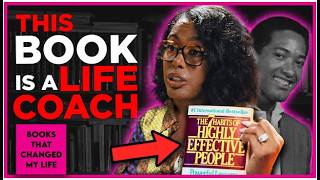
Interview (YouTube, Jan 8, 2026) between host Chris Collins and guest Nicole Cook Johnson. Johnson—granddaughter and estate manager of Sam Cooke—recounts growing up in a large blended musical family in Los Angeles, her education, and a career pivot from performing to styling/agency work in the 1990s. She describes how Stephen Covey’s The Seven Habits of Highly Effective People shaped her business practices (writing a business plan, P/PC balance, saying no, personal mission) and explains her goal to introduce Sam Cooke to children via a picture-book adaptation of “A Change Is Gonna Come” (publisher Little B Books; illustrator Nicholas Smith).
Questions this video answers
"What Nobody Tells You About Inheriting a Famous Name" — January 8, 2026.
Created/uploaded by Chris Collins; guest Nicole Cook Johnson.
Seven Habits of Highly Effective People by Stephen R. Covey.
"A Change Is Gonna Come" adapted as a children’s picture book; illustrations by Nicholas Smith; publisher referenced as Little B Books.
Born and raised in Los Angeles, California. Schools mentioned: Morningside High School, Monroe Junior High, and Westchester High.
Chapters
Mom is daughter, Sam Cooke. Coming from a family like mine, you are under pressure. Okay. Sam Cooke has brains and a beautiful voice. I'm overloaded with the brains, so I really started digging. That's when my reading really started upticking. Trying to learn the music business, because at the time, what would have been my stepmother, she had cancer. And so financially, we were in an interesting position in life. We were in an industry where, like, dog eat dog world. No ethics, no morals. This book talks about character ideas you bring to the table.
Being authentic to yourself.
Yes. Running my grandfather's estate can be difficult. We say yes very rarely, because a posthumous estate is something that we don't have any room for. Error.
What inspired you to adapt your grandfather's song into a children's book?
One of my goals on my tenure was I'm going to introduce Sam Cooke to younger ages, Especially at a time when I think people are questioning history and what place it has. And I feel like it has an important place. There is no future without the past and the present, the music and the idea that expression through art, universal. It speaks to every background, every struggle. And I think that that's a lot of what we need to input to the younger generation.
So the big question, how did Seven Habits of Highly Effective People by Stephen Covenant Covey change your life? Please welcome to the show Nicole Cook Johnson.
Thank you. What a warm welcome. Welcome. Thank you for having me.
So fun. So you brought your copy.
This is my copy.
You have a unique way. So we.
I've seen the tabs everywhere.
Yeah.
And you guys do tabs? I do paper clips. I got this from my grandmother. And the cool thing about, like, where I inherited paperclips. Right. Is. Cause tabs is, like, a start, but then sometimes there's just, like a few pages. There's three to four, five to six are whole chapters. So I'm a paperclip girl, and I think I've been through this book. Pulling it out for you guys. Might have been my fourth time reading it. So every time, you know, you pick different things, so I move the paperclips around, too.
You chose a martini.
Yeah, with.
Is that blue cheese olives?
It is. You guys get things, so I figured I could. You, you know, have my choice.
Oh, yeah, no, this is.
This is easy. I told him. I love that part. Cheers.
Yes. We'll keep them coming.
Oh, and kudos to the bartender. I love when a dirty is just dirty enough.
Oh, yeah.
So that's a kettle. One dirty martini. Here's a little bag for you, too. Oh, awesome. Thank you. There's always room for one more book. I love this.
There's some fun stuff in there for you.
Cool. I bought you a gift, too. I left my book with you, so I'm not leaving.
I'll have to have you sign it. Okay. So tell me where you grew up.
California. Los Angeles. I was born and raised here.
How many siblings?
Lots I have. Sometimes I lose count because we're a very big blended brood. We're eight. Four. I would say 14.
You want a calculator?
Yeah, sometimes I need that. I'm a music industry family, so.
So there's eight siblings.
Yeah, because, you know, between two parents and then blending and then we're kind of have like a Brady Bunch. So I have like eight pack, a four pack, and a four pack. So together, that's 16.
Oh, wow.
Yeah. That's a lot, too, right?
What did mom and dad do when you were growing up?
So mom is daughter, Sam Cooke. Dad is real estate broker. That's what he's been doing since I grew up to both. Everyone has been that since I grew up to current day.
And then where are you in the hierarchy?
I am Mom's first child, Dad's third.
Child, so the oldest.
So I'm kind of like the oldest on one side and wedged as a middle child on the other side. So I get the best of both worlds. Isn't that fun?
Yeah, that is fun.
And then sometimes I'm like an only child because I was raised by my grandmother on my mother's side. So I had a unique relationship. My grandmother on my mother's side, I kind of. My parents were traveling. My mother was a singer. Her and my bonus dad, Cecil Womack. Together they formed a musical group. Womack and Womack, at the time, at a very, like, crucial time in my life, they were traveling the country, they were abroad. They were in England mostly. They were residing in England. And at that time, I stayed with my grandmother. So I kind of became like a grandmother's child of the siblings. And in that space, I was only child.
Did you travel a lot as a kid?
Yeah, yeah, quite a bit.
Music industry, so well cultured in that way.
Yeah. My parents kept us everywhere. We were on the road as young kids from early on. We traveled with them everywhere, all across the US I had. The joke is we had Astro van parents in the 70s. We went from California to New York, back several times. And then also when their career, you know, I experienced the early years of their career traveling to London and England and they spent a lot of time in England. Their career was. Had a big, big, big, big. Womack and Womack spent a lot of time Wimbledon. I mean, we've sat on the side of Wimbledon Stadium. And so we had some great experiences in England.
Where did you go to school?
I went to school mostly in California. A lot of our early. We were young, some of us early days when we were traveling a lot, when we were tour kids, the oldest was teaching the youngest. And then we settled down and my grandmother, Naomi Womack, raised us. And I went from lausd. I was in Inglewood school district. I went to Morningside High School, Monroe Junior High, and eventually graduated from Westchester High. So I'm an official, like, West LA girl.
What kind of kid were you?
I was an interesting kid.
Weren't we all?
I talked a lot, almost too much, probably, but not to the level that I got in trouble. I was definitely like that kid that was always exploring, always looking for stuff. My reading. My love for reading came early because I was always kind of off trying to, like. I asked and told one of your team members my nickname. I used to be Pinky in the Brain. If you know that old commercial. I'm always like, today I'm going to take over the world. So I was a pretty cool kid.
Were you ambitious?
I guess you could say that. Like, what are ambitious kids? Like, I don't have those great stories. Like, yeah, I started Lemonade Stan when I was seven. But I was exploratory, to say the least. You know, I was always outdoors amongst things. I was always trying to. I love fashion as my second. I always tell people outside of the music industry and the cook business, my second true love is fashion. And so I used to host, like, these little fashion shows, make my younger siblings, you know, dress up. And I'm making these makeshift outfits and I'm producing shows and filming them on a jvc, you know, recorder. So in that sense, I guess I would say I had something.
You creative?
I was creative. I was creative. Did you get in trouble for talking too much? It was probably the only thing I ever.
Sneak out.
Yeah, I didn't, like, sneak out. I didn't do mischievous.
Get arrested.
I never got arrested. Right. I didn't do all that fun stuff.
Just talking.
And I always, like. Was the talk like, I wanted to take up for everyone. Like, even my brother. If he sees this, like, he'll laugh because he used to be like, would you just shut up? You know what I'm saying? I'm like, oh, guys, this isn't good. We need. I thought I would have been like a lawyer or some type of social activist based on that childhood. But that was pretty much like I was a really mild manner kid. I wasn't like. Well, I say I wasn't too much trouble. We probably have to bring in somebody who was in charge of me and then. Yeah, we need to really have that. Yeah, we might have to fact check that information.
You remember if you got arrested?
Well, no, I didn't get arrested for sure. I know I didn't do that. I didn't get arrested. I was, you know, I didn't.
I got arrested around 6, 16.
For what?
Drinking.
Oh, that's an easy one. Yeah, that's stupid. I had too many older like, you know, we had too many siblings. We got a lot of siblings. Like trouble kind of happens before, you know, you get so many people who do it by the time it gets to you.
Like, I'm not doing that.
I'm cool. I don't need to do that. I watch three people get in trouble for that. Yeah, it's not. Doesn't pay off. Yeah, that's the beauty of a big family.
I didn't have that, so. Yeah, that's good.
Did you have any siblings?
You know what's funny is. Well, a little different is I'm the only child by my mom, but my dad had six other kids by two other moms.
Okay.
So I have half siblings that I did not grow up with.
Okay.
That I've met and you know, to some degree had some relationships with. But it's not.
You all know, it's definitely different. It's definitely.
It's not like I was an only child in a Same thing. My grandparents helped raise me because my grandparents kids was single mom and so my grandpa was kind of like my dad. I never had a relationship with my real dad.
Okay.
He was, he was a Rolling Stone. That guy.
Rolling Stone. I love it. I know that song. Papa was a Rolling Stone. That should work. And you guys, books and vinyls are here.
Oh, we love vinyls.
That's a whole other thing I say, so see what you said, Rolling Stone. It's like, oh, you took me into the vinyl realm at all.
Yeah, Love. Love vinyl. So coming out of high school, what did you want to do?
So, you know, coming from a family like mine, you are under pressure.
I'm sorry, why are you under pressure?
That's just not under pressure. But we have a very wide range of talent. We were anybody, I would say in the early days of music Industry. We have a very. We have a lot of branches of music in our family. My grandfather was Sam Cooke, but people don't know. Sam Cooke helped develop the Womack brothers and inspired Bobby Womack's career. And Mary Wells, my siblings, part of that crew that I told you are my bonus dad and Mary Wells were married prior to his marriage to my mother. And so when him and my mother marry, I call us the Brady Bunch. And we, because we grew up in the house together, the four and the one together, we became this five. We were our Birdie Bunch five. So, you know, for us, that was like, you know, that was the beginning for us. But everyone in my family single handedly is extremely musically talented. We play instruments, we sing. Not me. Is that crazy? So I tell people I have, like this Black Swan story, right?
Well, you're the manager then.
Yeah, well, I was. Immediately I became the manager, so.
Or the psychiatrist.
The psychiatrist would have been a good one. Yeah, that would. I could have went for that one. So, you know, around the end of school year, I was kind of dipping and dabbling. Me and my siblings, we had music groups and we were singing. And of course, I can sing enough. You know, you grew up in a music family, right? I can hold notes and tunes and I know keys. But when, you know, for me, a singer, when you come from a family like that, natural born singers, you know, when you're a singer or not. So around the end of high school is when I started exploring, like, oh, my goodness, what am I gonna do? One of my investments in being so active in school was because I learned in my senior year, I was like, okay, Sam Cooke has brains and a beautiful voice. I'm overloaded with the brains. That's why I didn't get the voice. And so immediately I began investing in sort of kind of a new ideology of exploring how I could, like, enhance those skills or really even kind of testing myself to see if, like, that theory was true. So I really started digging. That's when my reading really started upticking. I started exploring. I was working for mca, was a record brand at the time, and we were signed to them. And then I was interning up there and trying to learn the music business and just trying to get in the back side of the business and learn more about the business. And that began. That was the beginning of a big rabbit hole for me, because that was the space in which I realized, like, yeah, this is my jam. You know, my older sister used to always say, you're a great plan. You're a great organizer. And I used to hate that compliment. I used to be like, who wants to be the organizer? Meanwhile, you're writing songs and I'm a great organizer. Okay, not really hitting where I wanted it to, but like I said. And then some interesting things happened in life. I met some amazing people. There's a woman who doesn't even know. I attribute a lot of what I experienced. Dion Perrineau. We were signed to MCA Records as a singing group. Wells. Because at the time, what would have been my stepmother, my sibling's mother, she had cancer, throat cancer. And she was. And Mary Wells, if you know anything about her, was one of the earliest Motown legend. Signed at 16. She sang my Guy. That was an interesting period for us. And so we were to be 100% transparent. We were in an interesting position in life, just financially, you know, we were living with her. Our parents were abroad, traveling. Our other set of parents. My stepmother's life was on the forefront. We were trying to provide for the circumstances. So we got signed to that group. I mean, we got signed to that record deal. And it was awesome for a while, but you know how the music industry is. We wrote a couple of songs, we did an album, we did some stuff for the NBA. And in that experience, I was like, behind the scenes is my jam. I was dressing us for our photo shoots and for our single covers. And I met a young lady, Dion Perrineau. And she had the Perrineau Agency, which was kind of one of the early agencies that was repping hair, makeup and wardrobe stylists. And immediately I was like, yeah, that's what I'm gonna do. And so I did that probably right after graduating high school. Cause soon after our record deal, Mary passed, things changed for us. Life kind of evolved. And I moved to Atlanta, Georgia and opened up what was the Dome Agency. And it was an agency repping hair, makeup and wardrobe stylist, primarily in the music space.
And so you weren't doing that, you were repping stylists?
Yes, I was repping. So what happened is, originally I started out styling. Introduced me to the world. But when I saw that one of the biggest things in the early, like 90s Music Industry Day was getting paid, you would get like these deposits and then this 90 day turnover. Like, if you didn't know how to really stay on top of your business, submit your invoices, you were not getting paid. And it was like rampant that all of these great stylists were in the music industry trying to figure out chasing checks, but still trying to expose their Creativity. As soon as I experienced that as a young stylist, I was like, this is my jam. Like, I got this. And like I said, we had worked with mca, had hired Dion Perrineau to work with us as a group, and I saw the savviness of an agent and how she came through and managed her artist and, you know, and took care of them, and that's what introduced that. And there was a young woman, Gayle Hudson, who was a friend of mine that I met early in Atlanta, Georgia. She was in love with Hair, one of the most awesome hairstylists, celebrity hairstylists ever. And so I said, hey, let's start an agency. You're awesome. You know, you got enough stuff going on. And she's done everyone from Mary J. Blige to. She has a long resume of people. She did. And so she let me. She kind of was my test dummy. And together we. It just grew and grew and grew. I signed Eric Khan and a lot of other people, and then you had June Ambrose coming out at the time, and she was evolving the whole fashion industry and glam squads were important. And people started knowing because it was right at a transitional time when people weren't really giving a lot of value to hair, makeup and wardrobe stylist, but music video era was booming, you know, and that they were the people who made that happen, you know, who really made it happen. And so June Ambrose came around. She really changed the game. And so people started really investing the company, started understanding that the glam squad was just as important as the artists and the directors behind the videos. And it was a good time for us, so we really flourished. I had a good. I did that for about 12 years. I really loved that space, to be honest, because it was the best of both worlds. I had music, I had fashion, I had business. It was a good space.
Who came up with the term glam squad?
I would accredited June Ambrose. If she didn't come up with it. We all started. She sensationalized it.
She inspired it.
Yeah, she inspired it. And after she started doing it, people, more people in trying to compete with her were like, yeah, I need top of the line squad. I need people who were, you know, I need hair, makeup. One of my niches was I. My hair, makeup and wardrobe team all were familiar with each other. So that camaraderie would show case when you game and you got these whole teams, you kind of could see all of that synergy.
And they all go together.
Yeah. And they brought synergy to it. And we really did some Great things. I was in Atlanta, LaFace Records was around La Reid gave me some great opportunities. Pink and some really like groundbreaking artists. We were allowed to do their image. And that was a time when we were like taking over the entire image consultant.
So when does this come into your life?
You know what's interesting, this comes in right around this time I started the agency. I'm out there trying to. And imagine as an agent, like in this music industry, like I said, where it's real transitional at this time. People really are kind of. Some know, some don't. There really is a real mixed value for the hair, makeup, wardrobe, artist. So. And being a young. I mean, I'm really young. I look like a teeny bopper at this stage in my life. So. Being a young woman in the music industry at that time was kind of crazy. You know, women were really just like. We barely. We weren't in an executive space. We were just starting to, you know, just starting to. There were some, because obviously Sylvia, Ramon and some great people were people I looked up to, but there weren't enough of us. And so I was looking. That started a love for just business books and how to show up in the conference room at the conference table, you know, and be savvy. And especially when I knew my biggest asset to my artists was going in there and getting them the jobs and getting them the checks. And I knew how to relate that to. Like, that's still corporate, you know, it's still corporate business because, you know, in those offices, the music industry is still about the bottom line. How much do you cost, how much it will make us, you know, so. So I started digging into business books and just trying to make sure I knew how to go into the conference room and how to go into the space and be both corporate and creative. And that was something I was really committed to. And I think I told you this on the fun questionnaire because I hadn't had this memory, I hadn't recalled this memory until writing it for coming here is that I used to go to Tower Records on Sunset Boulevard on Tuesdays. New albums would come out and I would literally like be there when the record store opened and scour everything new and everything old for like four or five hours. And then, and in just habitual rotation, I would hit the newsstand, you know, la. And our newsstands in the earlier days, I think they've lost a little bit of their charm because before they were like, you're getting publications that you never see anywhere. You know, Italian Vogue, you only get off the newsstand. So I would do my bid at the tower records. I would cross the street and do the newsstand and bookstore. But it's a newsstand slash bookstore. I think it's still there. I have to. Yeah. And so they would have that. They used to have that, you know that cell rack out in front right on sunset. Right. So.
Well, now tower is supreme.
Yeah.
But book soup is still there.
Awesome. Yeah. I have to visit while I'm here.
The best breakfast burritos in Hollywood are right there at dialogue on that corner.
Oh, wow. I have to try that.
I don't know if you like breakfast burritos.
I will. Yeah, I do.
They have a brisket breakfast burrito.
Okay.
But. Yeah, I know exactly.
Yeah. So that was what introduced me to this book. I had a couple of them.
So you got it at book soup.
Yeah, I bought this in book soup.
You just went in there, you were looking for business books and that one caught your attention.
It caught my attention. It was on a sale rack, so its price also caught the attention. I was like, at that time, finances were highly important in my. In my choices. And it was on sale. And it wasn't my first. You know, I had a couple and I was rotating through them. But it was something about when I. So two things happened. A. I was always into who the author was. I would read self help books and I would do two things. I would first dive into the book and then I would dive into the author. And so I had this whole like theory going on, you know, about self help books. Is this. Is this stuff really anything more than common information in a book? At one point I thought I could write one. Right. It was something about. And just. Especially in that time, I think this is like 90, 1990, you know, and what he was doing and what he was building the three day workshops. And so just really interesting. I told you this. My book still has the postcard to sign up for the three day workshop.
Which you're still gonna do.
And so. Cause a sign of procrastination which shows I didn't. Didn't thoroughly take on everything. But I was just interested by that. And this one just hit differently immediately. You know, I got into chapter one. There were several that just spoke to me. I think the industry that I was going into was such. You know, in the music industry in those days, you could go study communication. I did all kinds of college courses and crash courses and music courses, but there just weren't. It was kind of. It was like a gatekeeping information at that time, like, there wasn't a lot of information of how to succeed in the music industry space. So when I read this, and it talked a lot about character and personality and emotional bank account to me, it just was easy to parallel it with what I had going on and the business space I was finding myself in and the information I was looking for. So it became I will say When Coming here. And it was books that changed my life. That title, awesome. I have to tell you, because it made me really explore what I had three or four answers because I was like, no change. My life is a very heavy statement. So I'll say, out of all of them, this was the one. When I got it, and I really. It started resonating with me. I read it all the way through, and then I went back and started underlining things, and then I started making notes. I think this post, it was from the third time, second or third time I read it when I was getting down to just trying to figure out what were the seven. What were the actual seven things and, you know, and am I doing them? And it really played a part in my life in the beginning of my business. And then I had some transitional spaces. One of my top stylists, he was renowned Derek Kahn, he did Celine Dion and Queen Latifah. And he. And he was infamous for putting salt and pepper in Chedel to go to the Grammys, which during those days, hip hop's new music videos. Like I said, we're breaking barriers at this time. And he was one of my key artists. We had a interesting situation where he was indicted for. I guess it was like he was running this jewelry ring with the jewelry that we were. He had taken us to new heights. I mean, we were literally going. And it was beyond clothes. We were going in, and he was bringing millions of dollars of jewelry to set. And that was setting us apart from anyone else. We were coming in and doing everything from animals, bringing animals to enhance. Like, wardrobe styling had become like we had just gotten crazy with it, right? We're bringing cars.
It was a performance.
Yeah, we're bringing cars. And Derek Kahn was just as interesting as anybody. We were hired to style. He was amazing personality. But in true human form, we had that situation. And it was interesting because then it changed our business because it was a big plague on the agency. He went to jail for it. He was a native of Trinidad. He was extradited back to Trinidad. 911 had just happened. And the budgets for music videos were different people now everyone wanted to be a stylist there's no formal training to be a hair or makeup. To be a celebrity hair or makeup or wardrobe stylist. Right. There's no degree you get.
You need to know a celebrity.
Yeah, you do a celebrity, right. And depending on how many you do, how good you are, you kind of set your own trajectory. And that was a very turning point when he did that. That was a big turning point for us and that business and what it meant and who people would hire. And I had to change how I did business and the people we did business with. Second time I picked up the book. And so that's when I realized too, okay, no, this is a major thing for me because it does. There are a lot of. I put there, too. When I did the questionnaire for you guys, the P and the PC, the production and the production capability, which is kind of for the layman, I always used to call it. I didn't use those terms. I used to always call it the goose that made the golden eggs and the golden eggs. You know, I really had to revisit that a lot of times in that career. Because music industry, you can overextend yourself. You can beat a dead horse, so my grandmother used to say. And so that whole concept, that is one of the big concepts that everything in here relays was like a northern star for me. It guided me to the whole, like, is production capability outweighing? Is there a balance here? Am I able to produce the product? And so for that, that's why I realized in coming here, I was like, yeah, this probably played the biggest part in as far as things that I've embedded theories from this book in my character. You know, there were things that even. Even the character ethic that it speaks to. We were in an industry where, like, at that time, it was like dog eat dog world. There's no ethics, you know, there's no morals. It was like, you know, make the best man win whoever, you know, who's ever the hottest right now, whoever they love. There was no Internet, right? So we just valued ourselves on our last project. As long as you were hitting, you know, it took a long time for ethics to catch up. I think for me, I lasted and was able to have longevity and even survive the situation that happened with us and Derek Khan because of using character ethics. You know, it was just the whole emotional bank, the whole idea that if you input more in the emotional bank account when you have those withdrawals, which they will happen because humans err, right? You got enough in the account to cover It. And so some of those theories, like I still to this day I enjoy picking it back up to come here. Cause I will confess, I. I hadn't been in it in a while and when I picked it back up and looked through it, I was like, yeah, this is the book that changed my life. Like, this wasn't really.
You picked the right one?
Yeah, I was like, I picked the right one.
Okay, let me give you this one. Let's kind of go through it a little bit.
I love it. Let's do it.
So we'll just talk about kind of different parts and see if any of them inspire some ideas.
It's funny, your first tab is right where I was talking about when it said this led me to a study of expectancy theory and self fulfilling prophecies. That's the whole thing that introduces the personality and character ethics.
The Pygmillion effect, right? Yeah, yeah. And so do you think or so people that don't understand the Pygmalion effect is. Well, it's an old Greek myth, right, of this artist that had sworn off women. And then one day he got this piece of marble and he felt different about that piece of marble that he was going to sculpt. And so he decided to sculpt his perfect woman. And then he fell in love with the piece of marble and he went to the goddess Athena and said, you know, I know I've sworn off women, but please, would you make my statue real? And she did. And they lived happily ever after. But the kind of thing behind it is if you believe something is your perfect wife, it becomes what you impose on it. Then later on, or in modern times, they did a famous study in New York with school teachers where they, you know, took these teachers and they called them and they said, listen, you guys are the top performing teachers, but we can't afford to pay you anymore. And you got your union and this and that. But what we are going to do is we're going to pair you with the best students and the students that have the most potential is like a, you know, kind of a reward. And so they did that. And at the end of the next year, those teachers with those students outperformed the other students by a pretty good clip.
Wow.
And then they told them, we picked you out of a hat. There was nothing special about you but that. We told you you were special. They were special and there was nothing special about these kids. Actually, the way they worded it was they have potential.
They didn't say they didn't Actually say these are. Yeah.
But we hear what we want to hear.
Right, Right.
And so that's the pig. And so in schools, they call that the Pygmalion effect, which is what you believe becomes reality. And so if you have a negative belief system, then you're always gonna see the negative side of things, and that's where you will live.
Right, Right. Right.
And so did you naturally always kind of have a positive outlook?
Yeah, I'm kind of that personality type.
Yeah.
You know, I'm the person that sees.
I got that impression.
Yeah. The glass half full. I see sunshine. I see Ra in thunderstorms. You know, I'm kind of.
In a sense, life has probably been easier for you.
Yeah.
Because of that.
Yes.
And then the. The people that don't see things that way are like, oh, she's lucky. They dismiss your success because that's where they live. They live in that world of, oh, nothing good could happen. It must be luck, or. Yeah, whatever. Right.
Yeah. And that gives you the power, too. I think that that theory gives you the power to think. And sometimes it is what you think to think that you can control what is happening. Sometimes we like to control it. Right. But it's the process of how do we control it? And I think, for me, when I read this and I learned that theory, I was already doing that, but the awareness of it tapped into. Oh, okay. No, this is my magic, though. This is my power. And it's like, now I know how that's working. I saw it working, or I kind.
Of felt it working, but now I know it's leverage.
Yeah. Now I know how to use it. It's like magic. And now the magician, you know?
Yeah, I like that. Okay. Page 44.
Okay. Oh, this is a fun one for me because. So you. I know. You know, I know you probably could tell me a lot about this. When they did this. The funny part about when I found this and discovered this is. And this is going back to that same theory. Right. You see things from your. From your space, from your. From where you are. I could never find the old woman. Like, it took me. I had to see the cheat sheet. Like, to be honest. But every time I saw this, the woman was glamorous, and she had that choker around her collar. And I knew from reading it, you know, I was supposed to be able to see this other old hag, and I couldn't. And I was obsessed with that theory because it was having me believe, like, yeah, you really just can't see bad. It's okay. Like I really emerged myself into the idea that I am unable to see ugly, bad, negative. And I lived in that space for a while. It was a good space too. I don't think I've ever looked at the original one. You know, there's more in the book that help you see it. I've never looked at this particular one and saw anything other than this woman with the feather in her hat and those and pearls around her neck, which is interesting.
Okay, page 55.
Now that's a good one. For every thousand hacking at the Leaves of Evil, there is one striking at the root. That was a good space as well, because that's what you see. That's behavior and what you see. And for me, hacking at the leaves, I guess everybody had their own, you know, you get your own definition of what that is. But for me, that goes kind of back to what I was telling you about the p. The balance of the product and the product capability. You know, it's like, what is hacking at the leaves versus the root for? And that was a good space for me too, especially in the rebuilding. This was on my second go round in the rebuilding of, you know, my business had changed. I was reinventing, becoming new. And it was like, that was something I took. I actually had written that these were the days of. There was some movie where they were doing this. And I wrote it on the mirror in the bathroom as like I was on the mantra vibe, like, yes, hit the root, you're not hacking at the leaves, you know, because I was in a very redundant space. I was trying to reclaim my reputation. I thought my business was over. Which then in turn meant that was the first time for me as a young person that I started realizing that the same career will be reinvented over and over and over again. Even if you stay in the same space, you're in the same lane, that process of reinventing. And I think I was young too. So being young also made you think, like, I shouldn't be reinventing, reinventing now. You know, I should have 20 more years in this career. And so for me, that's what thousand hacking at the leaves of evil. There's one striking at the root, you know, was for me, that's interesting to go revisit that too, because that was a nice, interesting space, a great growth period.
It also kind of speaks to the climate we have today in politics. And people are distracted by the symptom, but nobody talks about the actual cause.
Yeah.
Because it's, you know, it's way more polarizing. It creates more fear and more agitation to talk about the symptom.
And it goes back to other thing we said too. It's kind of like the lack of optimism. Right. Because we're not rooted in the symptoms, we're just wallowing in the problems.
Yeah. The other thing is the people that choose the more negative side of things are usually the most vulnerable for that. They're more vulnerable to, you know, be manipulated that way because their context is fear and negativity.
Oh, that's. Yeah, that's an interesting thought.
Okay. 64.
Okay, I'm here. Today we come across an individual who behaves like an automation, who does not know or understand himself. And the only person that he knows is the person that he is supposed to be, whose meaningless chatter has replaced communicative speech, whose synthetic smile has replaced genuine laughter, whose sense of dull despair has taken the place of genuine pain. Two statements may be said concerning this individual. One is that he suffers from defects of spontaneity and individuality, which may seem to be incurable. At the same time, it may be said of him, he does not differ essentially from the millions of the rest of us who walk upon this earth. And that's interesting. I didn't have a relationship with that information prior to. But reading it today in this space, it's. It's very, very interesting. It's almost more current than I would have thought that to be.
What does it. What does it make you think?
For me, it talks about a lot. It's a little bit of what I say about. Well, when. When he talks is one that he suffers from defects of spontaneity and individuality. And that talks a lot about your thought process. A lot of what I said, for me, that gives a lot about your, you know, where you are, your character ethic and personality ethic. And then when it says, at the same time it may be said of him, he does not differ essentially from the millions of the rest of us. And that's that whole, you know, that paradigm of you being in your own perspective, your own POV to me. And what is that for you and what does it look like and how we differentiate ourselves? Because a lot of what this book talks about that was helpful for me is the individuality while still participating. Right. Because the synergy, it talks about synergy and working with others and how to be effective. But a lot of it is about the character and the ideas you bring.
To the table being authentic to yourself.
Yes. And understanding what that is. And that's what this says to me. You know, understanding, separating yourself from the millions and understanding who you are and what you're bringing.
Like, if you're good at talking, you probably aren't a monk.
Correct.
You piss off all the other monks.
Yeah.
Are you in 120 now?
Yes. So we are not our feelings, we are not our moods, we are not even our thoughts. The very fact that we can think about these things separates us from them and from the animal world. This was a great. This digs right into what I was saying. Personal vision. Right. That was the whole thing is how, like seeing ourselves bigger than the things. For me, where that stood too is being a little bigger than the things that happen to you and not being defined by your experiences. And that was important for me because too, I come in to the music industry bearing like these really big footprints, these big magnanimous people prior to me that have their own greatness and flaws. And seeing yourself separate from that is very important because that's how you don't, you know, you can be transparent and, you know, understand and be accountable that those things exist. And because that's a weakness that people use against you. You know, being aware of it, but then also knowing that, you know, that's not me. This is who I am. This is who I've developed as a person. This is what my emotional bank account looks like. This is what I bring to the table. And all of those things still happen. I'm a product of them. But I am my actions, my personal vision.
153. This one's good. I'm curious your thoughts on this.
I see in the great literature of all progressive societies, love is a verb. Wow. Reactive people make it a feeling. They're driven by feelings. Hollywood has generally scripted us to believe that we are not responsible, that we are a product of our feelings. But the Hollywood script does not describe the reality. Now that's. That's dope. I realize that that probably was some of the things too, that, you know, those references is probably what gave me, you know, a parallel relationship with this book is being able to. That was a space I was in. And being able to. That metaphor was a little more, you know, forward facing for me. I was really seeing that in a world where everything was, you know, lights and cameras and fake. You know, it was interesting. Especially love is a verb. You know, reactive people make it a feeling. That was something too, because actions, you know, what are your actions? That speaks to what I said before. This is a great one. I'm gonna. This is a nice one. I've Just you just revisited me to a place that this makes me feel good. Because I talk about this in our current day and age when I talk about what we get from Internet and so much television and what I call almost a lot of information, but the information is skewed. You know, it's no, they're no one. A lot of people aren't selling as fact. You know, what is reality? Which was another interesting thing is reality TV was just birthing when I was going through the second read of this, and I was in an interesting space. We were working in reality tv. I was working with America's Next Top Model. I was handling the wardrobe staff for the first couple of seasons, and reality TV was emerging and I was having like this moral compass with like, am I, is this the right space? Am I doing the right thing? Is this, what is this work? What does this work look like? You know, that was that space for me again too. Like, okay, I've been doing this. What is it? And so this speaks to that for me too. It's interesting too to say reactive people make it a feeling. Love is a verb because I used to talk about loving music and loving that space and loving the things we were creating. And that was a space that helped me understand like, you know, that was bringing your feelings back into it.
I also think that love is something you give and to get it, you got to give it for sure.
To even understand it, even see, recognize that you have to have given.
Yeah. And then the kind of like the Pygmalion effect, the more you give, the more you get, that becomes your context. If you're non judgmental and you're accepting and curious about others and you want to see others do good, then you'll see more good in others. Or if you're jealous or vindictive or whatever, then that's what you'll get.
Jealous people. Yeah. Well, I love that it says you just gave me a new part that I'm talking about. Reactive people make it a feeling because it's the. I always talk about like cause and effect. It's the cause and effect you're just talking about, like the reaction of love that makes it actually a feeling where you feel it and you help someone else feel it. And now it's kind of like it's like spreading. Right.
Well, have you ever been in a relationship with somebody and it could even be just like a friend where their love is like a ransom note? It's like, I love you, but what it means is until I can't Control you anymore.
Yeah, yeah. You know, Lauryn Hill, there's a snippet of her speaking where she talked about love. And she said, you know, people always want to be used for love, but then when it starts, stop servicing them. You don't know how to service it. When it stops stimulating you, you don't know what to do. So you don't know that reactive because you didn't know you should have been outpouring for the give, you know, for the return. Yeah. So that's interesting. I'm on 212. That's a good one right there. So, like, you can see what I said from the beginning. I think this one in a. In a world, in a space where everyone was trying to find themselves, young people, people in business trying to survive, trying to be in a cutthroat, savage business industry, trying to decide that your ideology as constitution, your ethic, standing on your ethic, was a very hard space to be in at that time. And I think this book gave me a lot of confidence and a lot of knowledge about that. And this is a very important part of it. When you could call a personal mission statement a personal constitution, when you're living by your life law, like their law of the land.
So the first time you read the book, do you remember what you came up with for a personal mission statement?
I remember that I knew I had to have one. I remember that it was rooted in ethic. I remember being so rooted in that that I realized that that was gonna be different and difficult for me in my space. What the actual statement was, I might not remember, but I remember how much. Because what's funny about that is after reading this book, I wrote a business plan unrequested by anyone, just because it helped me line out a lot of the interdependence. Yes. A lot of the things that I had learned in here, I needed to see it on paper.
You needed a rule book.
Yeah. So what's funny is I'm such a. I'm like you. I keep everything in the library. I'll have to pull that one up, because I probably. In that I'm guaranteed. That business plan starts out with the company mission statement, and it was the one I came from, from this book.
What is your personal constitution now?
Better to be kind, because now and, you know, to kind of, you know, after being in business for decades now, I've learned that it is more closely tied to your emotional stance, in a sense that how you feel about it is how you can perform. So now my personal mission Statement is to do things, do all things with love. You know, running my grandfather's estate can be difficult because I tell people we. We say yes very rarely, because we're so tied to the spirit and the history of the legacy he left. And we don't have any room for error, you know, because a posthumous estate is something that you can't make a lot of mistakes on. We're held to a certain level of accountability. So I carry into that something that I nurtured through these times, the ethos that if something is inorganic for us, if it doesn't come through and it just happens and makes all the right, you know, crosses all the right X's and dots the I's, then it might not be for us and that. And we can be okay with that, you know, so it's just kind of rooted in the whole idea that we're here to do things that feel good, that make people happy, that pay homage to this legacy and everything else may not be for us. So that's kind of how that statement has evolved over the years and over the job titles, believe it or not, because it's the. That has a lot to do with it.
377.
You can't talk your way out of problems you behave yourself into.
Isn't that great?
Yeah. Now that is a good one. More people need to hear that one. Yeah. Okay. We need to, like, make bumper stickers of that. It's a few people I wish I could call out and say, hey, but no, that's a great one. I love that this book had a lot of them. He used a lot of metaphors. So when I was a young reader, I think every time I read it, I understood it more because I was growing and learning. But as a young reader, the way I was able to first understand this. Cause he used a lot of great stories because this. I remember this whole story. He uses a lot of great stories to help you have, like, common sense, you know, acknowledgement, and a lot of just common terms. Yeah, it's real, just common. It's not trivial. And I think that that's what helped me, like, relate to it and feel like I was really absorbing the knowledge and it was becoming my own. Especially that one. You can't talk your way out of problems you behave yourself into. I think I still remember to incorporate that in my mantra.
Okay, can we swap this one for yours and go through some of your paper clips?
Oh, my God. Okay. Oh, my God. Let's see what mine. Let's see my favorite clip oh wow. But look at the first one I pulled. Now this one was interesting. Oh, this is interesting. This goes into the third time. So the second one I pulled is the, is the chart. And this was very interesting because this talks about all of these things you learn, learning how to transition them into different spaces in your life. Because this one was if you are spouse centered, if you are family centered, how you figure, your guidance, your wisdom and your power. And I would make these little cheat sheets. That's funny, I would make these, I would write these. I had little habits of writing these little cheat sheets. So it was like if your money centered, if your work centered. Because in life I went through this era like of being into astrology and I'm an Aries, right? And so even that I would tell people like I'm gonna be an evolved sign because I'm gonna find my weak personality traits and I'm gonna work on them. It's funny, cause this is kind of like a cheat sheet to that. It kind of walks you through like enemy center, friend center, church center. And this was a good space for me. Cause this really helped me especially in the later years when I was taking the helm of my grandfather's, of the publishing estate with my grandfather. Because that was a very important time for me to understand myself in my job space. And I had to figure out how many of these I wanted to let go. And Aries, in true astrology, we can be, we're a great sign. People talk about us being like the supreme sign, but we can be stingy, we can make victims of everything. We had some interesting personality traits and I loved going through these.
So just for the audience, if they haven't read the book, will you just kind of give an example?
Okay, so let's pick a good one too. So like if you are, let's pick a real good one that I had to go with because a lot of people don't believe they're these things. If you are self centered, then security is. Your security is constantly changing and shifting. Your guidance, your judgment criterias are if it feels good, what I want, what I need, what's in it for me? And then wisdom. If you're self centered, you view the world by how decisions, events or circumstances will affect you power, your power. If you're self centered, your ability to act is limited to your own resources without the benefits of interdependency, which is a lot of things this talks about.
You're on an island by yourself.
You're on an island by yourself. So. So using that one, if you're self centered, right? And comparing it to something like if you're possession centered, if you're possession centered, your security is based on your reputation, your social status, or the tangible things you possess. You tend to compare what you have to what others have. Your guidance is you make your decisions based on what will protect, increase, or better display your possessions. And wisdom is you see the world in terms of comparative economic and social relationships. Your power is you function within the limits of what you can buy or the social prominence you can achieve. So for me, for the readers that didn't know, I went through all of these and kind of explored how to just really analyze traits. A lot of times we don't consider, we don't self analyze ourselves, right? So whoever tells you I'm self centered. But for me, I could work backwards with this, like, yo, I am kind of basing things on what feels good for me. So am I. How self centered am I being? Am I, do I find myself in that space? Am I? Especially when it came to reason, I bought up possession. That was an important thing for me. Because, you know, materialism and accomplishments, sometimes people act like that goes hand in hand. It does it. You know, it's like one has nothing to do with the other. So separating the accomplishments from the material, or in my case, it was the pay, you know, because there were a lot of great accomplishments that you're making. Another thing this book talked about was thinking about the beginning and the end and thinking about the end in the beginning. So for me, it's like, you're making a lot of great accomplishments. You might not be getting the pay for them. That was my common situation. And so you still have to kind of backtrack that and figure out like, no, I'm still doing what I want to do. Even though that end result is not here. This is still. Because what I'm pouring into something that one thing people don't realize is that thinking about the end in the beginning, what it looks like now is not what it's gonna look like five years, 10 years. And what I like to talk about is in hindsight, it definitely, like when you're way past it and you're looking back, it definitely looks different. And so that chart was a good. That was my so. And you see why I put the clips. Because that chart is three pages and the whole chart was a. And yeah, and that whole chart was like, was a section for me. And like I told you, I take the clips too. Sometime, depending on what I was going through. And I'll read what I was going through the last time to kind of self analyze how well I did on that. Like, did you actually get good on that and then go into another space? Cause I kind of used to revisit this book without like rereading it cover to cover, to be honest. I would go back in and just kind of. It's funny, I went to this one too, I think. Or maybe that was my paperclip was. Cause this was an important one, what it takes to say no. So I would go back to just areas that, you know, were things I needed to work on at the time and just go right. And just dig right into that portion and just deal with that. That's where the product, the PC balance came in.
Well, what does it take to say no?
Well, these days it doesn't take me much. But that was after reading this book. But back then, you know, so that's kind of like what I said that I learned about how I run my grandfathers. You know, it's. It's the. So they talk about it in here. And one of the popular things of this book is the Cult Quadrant series, you know, and that and how things overlap and desire skill and availability. So for here it was about. For me, what I took from the lessons about what it says to know is just the. Is just digging into what it takes to say no. Why are you saying no? You know, what are the reasons you're saying no? What is no gonna do for you? What would. Yes. Because we never think about that, right? We always think about, oh, I don't want to do it. Well, what if you did, you know, and actually giving yourself that POV from as many POVs, I guess I could say, as you could. And so what it is, is it makes you feel confident and secure in your no. And that's kind of what the quadrant for each person is for me. I went through several layers of that and understanding, you know, because a lot of times, right, there's no. Can be a power paradigm too, right? If you even have the ability to say no, you then have taken power over a situation. So it's about keeping that in control. And this was a good section for me. The Quadrant tool was balance. That was the thing that I kept revisiting that balance that goes back into what it takes to say no. Can you produce the product? Do you have the capability? It's kind of like outrunning the horse, right? Or, you know, just working yourself to death. And so that was a great. That was a great Space for me the what it takes to say no. I think I really mastered that one. Which I think that's. And that's probably what like that. And the P and PC would be why I say this is the book that changed my life. Because saying no single handedly kept me with opportunities to make errors. But making them based on things errors, let me say it right. Errors with no regrets. Errors that I learned from that I said okay. Is that why I said no? I don't know. Next time we'll rethink that. But I'm okay with it because I did that pre thought I know exactly why I said no. And based on the information, the details and I think that was a very strong process he taught right is it's not the end result. It's the process you take to come to it so that you feel good about it. And that's kind of what the quadrant's for. Right. You're going through this series of steps to come to a place that you're confident. Once you get there, you're settled on it, you stand on it. The new kids calls you standing on business. You don't waver.
Yeah, that's great.
And let's see, let's go back to my oh, look. What look the same as yours. And that's because every time I pick this book up I used to try to just open and pick it up and be like, I see the old lady. I see the old lady. I don't see the old lady. And I never did. I still don't right now too. That's crazy. And I tried to look before I came here. So that was one of mine. And then my. My first one that I always keep is I told you my cheat sheets. This is funny how I do this in books now. It's interesting. I don't have more post it notes in this because I used to but I used to underline a lot and write and read but I made post its of what it took me forever. The first time I read this book I was like, where were the seven habits? I was like, there was never seven habits. So that was the reason I went into the second time I was like this time I'm figuring out what the seven I literally read it and ended it and was like there were no seven habits. Like where was the checklist of the seven habits?
Be proactive. Begin with the end in mind. Put put first things first. Think win win. Seek first to understand, then to be understood. Synergize and sharpen the saw.
Yeah, I live by those. I share these with my. I've shared these with. I've probably they're in here because I had to use the book to find. Figure them out. And then once I figured them out, I've shared this with children. I've tried to. In my mentorship. I've kind of downsized to. This is my new cliff note on the book. Because really, when I went it took me loads and loads, right, to go through to figure it out. To be like, so what is he saying? Is this one? What's that one? And where are the seven? But then when you get to it and you realize it, those were kind of really spoke to it because all of those. The think win win was a great one for me. It's not win lose. It's win win. There is no other thing. And every time we lose, it's just another opportunity to try and win again. You know, it was just for stats. That's what I used to take my kids. I said, hey, you just lost for the stats. So you can have tape to watch the next time you got this, you know, so these are. These are my golden guides. I still use these. That's interesting. And seek first to understand then to be understood was a good one for me. Another thing that I learned from this book because right, We. We always want to go in and you want someone if you disagree, because agreeing to disagree is like a real thing, right? So you want someone to understand you. And a lot of times you go into that with. That's your goal. I need to be understood. Understand my point of view on this. But when I learned that if you seek to understand, first understand the POV of the space you're in or the person that you're trying to share your point of view with. If you see where they're coming from first man makes it so much easier to explain. It's easier. So much cheating to be understood. Yeah, it's almost like a cheat code. You feel guilty, like, oh, look, watch this. I mean, I really use that in boardrooms. I used to go into boardrooms. The joke that I used to tell all of my, like, mentees, I used to be like, go into the boardroom and ask the table, what's the problem? What do you need done? And then when they took you tell them you can do it. That was kind of my version of like, understand to be understood. You know, it was like, hey. And so that really, those were some golden guides. It was interesting. I appreciate coming on this show because I enjoy refreshing them. I think beginning with the end in mind is something I constantly beginning with the end in mind and put first things first are like Nicole mantras. Now it's some young kids that probably think I invented that. I think until I reread this, I thought I invented that.
They probably will believe it more coming from you than some stranger. So if whatever helps, that's how you.
Share the information, right? Yeah, but begin with the end of mind is good too because like I said, a lot of people don't think down the road. I remember my grandmother used to say, you make the short term plan, but don't make the short term plan without making sure it doesn't disrupt the long term plan. And so for that reason you have to make both, you have to kind of understand both plans. And so a lot of what, like when you get someone like Steven, and this is why I just never stopped reading self books, I feel like a lot of that information was great. A lot of it mirrored the things my grandmother told. But hearing someone say it in a different space, he used a lot of metaphors. Applying it to business just helped me apply things that I feel like I already knew or had been shared with or had seen, you know, and just really needed to have that relationship with it in order to implement it into my personal ethic.
Yeah, I love your style too of you do the same thing I do where I come back to him. Yeah, I love that. Okay, so the big question. How did 7 habits of highly Effective People by Stephen Covey change your life?
Ah, it get. It helped. So in one answer. Wow. See I got ready to just spit that out, but then I realized there was about to be. That was going to be a bullet list of things. So I would say it helped me formulate ideas and create a blueprint of ideas that I wanted to go into business with. It gave me the structure to help me lay those ideas down. Like I said after reading it the first time I wrote a business plan. So it literally gave me the direction and it helped me see how to put in black and white things that were in my mind, like pull em out of my mind, put em there and follow em like a roadmap. And so that's how it changed my life. It gave me a great start at a time when being in business there wasn't a lot of of information of how to do it. And I feel like I used the theories from here to have what I consider a successful run.
I would say too, just to point out for younger people out there is your curiosity and desire for Knowledge led to you finding things that helped you, but that comes first. And so that curiosity and that desire to learn and understand and see both sides is what would then allow you to learn from the book. Cause if you're closed and you think you know it all, it's never a good recipe.
Definitely not. I would 100% agree. I think that what you said too, is crucial because that's why reading and reading outside of your comfort zone, you know, or reading or exploring in the reading space will unlock things for you that you just. Just never knew were there.
The. The other thing I would point out too is like you were pointing out that it was on sale, but you're in the bookstore looking for something in your prioritizing learning over a latte or whatever it was at the time. But you're making a sacrifice.
Yeah, right. Even if it's a. And I will say that book purchase at that time, look, I. My life was a decision. It was an intentional decision and it was probably a sacrifice. I'm sure I'll probably cut something out that day in order to make that purchase. So, yes, that was. I appreciate you helping me bring that to light. I'll use that when I share that with people.
Yeah, well, I mean, there's a, there's a commonality with people that, that learn and are always improving. And one of them is that they prioritize knowledge and books, conversations, mentors, it all, you know, comes from the same place. That being said, can you come up with a list of your favorite five books?
So I have a lot of my reading goes in so many different directions. I like biographies, I like, especially autobiographies. Power of now was another book. So if I, if this being number.
One, is that Eckhart Tolle.
Eckhart Tolle, yes. And that was gifted to me. Dallas Austin was like, like obsessed with Eckhart Tolle and the whole Power of Now at the time. And I used to run around quoting some highly effective people and he was like, hey, you need this. Another awesome book. That was another book that just kind of reinforced some of these thought processes. I've enjoyed fun books. I still. Coldest Winter Ever by Sister Soldier is still one of my favorite books because I didn't have a lot of cd, I didn't get a lot of CD fiction. I didn't get a lot of time for that kind of reading. I. My preference was like things that could push the envelope in real time reading. So that would be number three. For number four, I would probably say, see, this is where the competition, like, you just feel bad. This is what happened. When you guys even asked me to pick one, it was funny because I was like, what do you pick? Do you pick your favorite in this category? That's why I said, when you said, change my life. It really helped me when I picked this one. But if I had to battle for the last two, I would go with, my son is gonna laugh when he hears this. But Cookie Johnson wrote an autobiography. And literally, after reading it, like, I went around, I was telling my kids, I was like, look, we can overcome anything. I was like, Cookie, like, it was so inspirational for me. And, you know, I was a young kid, I grew up in LA. I love basketball, LA. LA Lakers fan. You know, I love magic, him, the whole AIDS experience and what he went through. I was interested in my era. That was, you know, that was big for him. And so reading her book was really, like, transitional for me. It was really like meeting, like. It was like, I met her and I knew her and she was telling me, hey. Like, she. I took her on. Like, I took a lot of her stuff on as, like, my ideology out of coming out of that book. Even the fact that I would go around, tell my kids, like, I would make up extreme scenarios and be like, if this happened to us, we would still be able to get over it, wouldn't we? You know, and they would be like, are you nuts? Like, my son, the whole time I was reading, my son was like, my. Please do not come up with any other extreme things that could happen. And for number five, I would probably put. I guess I gotta go off the theory of. Because it pops into your mind, it must deserve the seat I would have to put. Yesterday I Cried by Anyala Van Zant. And that was a very interesting book. Cause it was like a series of stories. And it was a whole collection of things she put into it. And my grandmother gifted it to me. And it sat on my desk forever because it almost looked kind of like a poem book. So I would kind of just look at it and go through it. And I had an interesting time, emotionally. I can remember that I was in an interesting time. And I looked at it and went to go read it and literally got engulfed in it. It's about just letting you know it's okay to cry and to just cry and get over it. And it literally tells stories about women in these extreme circumstances. I would tie Yesterday I Cried with the Joy Luck Club. I think the author of that is Amy Tan. And those two books taught me. They were like survival Books, for me, they were like, yeah, things happen to some of the greatest people. And it's not what happened, it's what happens after what happened. And so those two books were very. Those were awesome. I would have to tie them because I know I'm at five already, so.
You can have a tie.
Yeah. Joy Luck Club. And yesterday I cried. Kind of gave me the same experience. And they stay right in there. I rejoy Luck Club often because it's just for me, that one's another inspirational. It's multi generational, you know. And so for me, I pulled a lot of that too, from how I operate in my space, you know, and just paying homage to what happened before and knowing how those affect you in your normal life. And then I'm also extremely enthused with Asian culture as a whole. So to hit all the marks for.
Me, somebody did that one. Joy Luck Club.
Joy Luck Club. On your. I've been watching a lot of your stuff. Have we? Yeah.
Oh, we did. Yeah.
Oh, okay. I was just. I didn't get it because I binge watched a lot of your stuff because, look, I was like. And I'm not doing nothing that someone else did then. I couldn't even watch them all to figure out if I wasn't doing something over there.
Nobody's done. No one did.
Oh, wow. Cause that would have been my. I was battling.
A lot of people pick it as their number two.
Wow.
It's always the bridesmaid.
Really? It's the bridesmaid Paul books. Cause you know what's funny? I was battling with it one and two.
Oh, really?
And the only reason, I'll be honest, the only reason this came first is because I read Power.
You might not have experienced that the same if you hadn't had the experience with that.
Yeah, this was first. I think that this prepared me for that. And I think that what I took into that came from this. So when you said, change my life, I was like, okay, I'll go.
I'm the same way. I would pick how to Win Friends and Influence People because it was the first book that I read that made me change and then made me believe that books can do that. Okay, so there's lots of books that have changed my life, but that one was the catalyst.
I think that if I would have read Power of Now before this, I would have taken the theories differently. I think I was in a headspace because of this. That allowed me to read Power of now with a very open mind. Separate what at the time, you know, at the Time everybody was kind of like cult following stuff. So I was like, oh, I had the wise eye for that. So I would have loved to come in with Power of Now too, though.
You can come back.
I'll come back. Yeah. Okay.
Now tell me about this.
Okay. This book in true form of me being a book lover and what my family does with books and my grandmother. Like I told you, every house we had had a library. It was always my theory that young children need to be introduced to stuff through. I love picture books. I told you that. And picture books kind are the soft. To me, the soft entrance. So I wanted not just this song. I wanted a lot of Sam's songs to be introduced to children through picture books. But I started with this because the accessible storytelling that we could reach right now, the young generation, they know a lot more than like I did at 6, 7, 8 years old. They're asking big questions. And especially at a time when I think people are questioning history and how do we feel about it and what place it has? And I feel like it has an important place. There is no future without the past and the present. So with that being said, one of my goals on my tenure at the estate was I'm gonna introduce Sam Cooke and his storytelling, his songwriting to younger ages. How do we do that? And so I went to my publishers, and there's a lot of great people that are behind the scenes that make things happen. They came up with this opportunity. Little B Books was. Because a lot of people, when I first said it, were like, A Change Is Gonna Come is a heavy song. I don't know how in the world you think you're gonna make it a book and why you think it's for young kids. And I was like, somebody's gotta understand this. It's gotta be. Because what I kept thinking is, at this day and age, there's nothing that's off limits for any age, Right? It's just about how you package it, how you make it accessible. And one thing I think people take for granted about my grandfather's song is that it's just as much about the injustice that existed as it is about the optimism that you have to change injustices, the optimism that change and things eventually will change and calls to progress and make people call to action. And that for me, growing up with the song, you know, in our home, that was just as parallel. And so I was like, yeah, there's a way, children, that you can make this accessible storytelling. It can be a teaching component. Little B. And my. My publisher to Be honest. It's not like I picked Nicholas, but Nicholas Smith was a great team member. Having him, he did the illustrations.
I was gonna ask who did the illustrations.
Nicholas Smith brought the soul to it. I mean, obviously, there's so much. This song is eerie. There's no secret that I've often said when it's won so many awards and accolades, and I use the same thing. I tell people that this song, when the intro comes on, it lets people know it's time to be serious, you know, but it also means I've had people that don't even speak English. There was something going on in Korea. They were fighting against some injustices, and they had this content that someone sent me. Nothing, that it was nothing English, nothing I understood. And change is going to Come. They were scored it with the song Change is Going to Come. And so those experiences taught me that the music and the idea that expression through art, it exposed. It's universal. It speaks to every background, every struggle. And I think that that's a lot of what we need to input to the younger generation. So I was like, we gotta get this to them. Nicholas came through and his illustrations bought the soul. It brought the feeling of the song to the pages. He kept it still. Where the optimism is there, the hope is there. It's still that something that a child can read and understand and feel adjacent to and not feel threatened by. You know, we don't shy away from. I don't tell people it doesn't shy away from the civil rights movement and injustice existing, but it also. It's lined with hope and optimism. And in the back, there's a component. One of my favorite parts of the book is that in the back, everything he drew, everything Nicholas drew, every, you know, experience or person, he explained them. And for me, that's what books do, right? They become teaching components. And that's what households do, right? They sit around tables and we use our reading material to educate ourselves. And so that, too, was another great highlight on what we could do for a young audience.
Have you made any of these into prints?
I'm looking forward to that. I would love to. One of my favorite that I use for even us just promoting it is the Boy by the River. And what's on the great story is Nicholas was totally autonomous in the story. He picked him as an artist and from the nature of his own art, he was left to pick a story of a young boy born by the river finds a camera. Gordon Parks was a friend of my grandfather's, so he used the Gordon Parkus.
That'd be a great print too.
Yes. There's another one too. The school library. Another one we love a lot that I think speaks so many words just in pictures. There's a print of a woman and the library view talked about this. This is, this has a lot of conversation in it. You see the children there with the picket signs and then you see those same children there with diplomas and grad and you know. And that too, you know, the civil rights movement.
You could. That one would be my favorite.
We use this one a lot in press. I, I, I could put the whole.
Let me know.
I will make one just for you, Chris. How about that? Because I also love your, you have a rough imprint out there and I was telling about and I said, I'm going to stick this in my bag. Don't sell anyone. So I love the art around here. Art and books go together. Another reason we did this book, well.
It'S a form of communication. It is like this communicating in a way that tells a story but also.
Pulls you in and it allows you to fill it. So it's my hope that children will get the information. They'll learn the story. Then if they get older and they hear the song, it was like we planted a seed. Right. Because then when they hear that song, as heavy as it is, it's almost like something already in them. They'll know, oh, I already understand the space, the POV like we talk about in this book. You know, it's just helping people see POVs.
It's interesting you put the QR code to listen to the song at the end.
Yeah. Cause I want it to be an entire journey through the information, the experience and then allow the song.
Yeah, I love that.
Well, thank.
Great. Congratulations.
That's a lot coming from you. I said I, I, I'm so honored that now that book will be a part of your library. Sorry about.
We'll treasure it.
It's going to be in good company here.
It's beautiful. Well, thank you for doing this.
Thank you. Thank you guys. The Clap Surfer. Yes.
We are so excited to announce the books that Change my Life website. We made a way for you to show your book pride and that you love books. Hats, tees, hoodies. Check it out. Link in the description. Everybody needs a self help hat.







