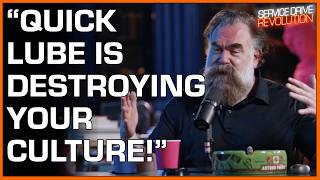
Quick-lube systems put inexperienced techs on the most cars, creating 60% turnover and chaos. Without mentorship into higher-skill roles, shops lose employees and money. A pathway to move quick-lube techs up within a year or two fixes customer flow, boosts sales, and keeps people.
Chapters
experience for the customer. You have your least talented people touching the most cars. You're running them through like cattle. You have no— it's not set up for any sort of additional work. You're not mentoring those techs to become anything else. Your turnover with, you know, Toyota and these brands that really push the quick lube thing is something like 60% with the quick lube techs in an environment where those techs are worth You know, they're gold to us. We want them to become technicians down the road and to stay with us. And the quick loop system doesn't— Doesn't feed that. Yeah. And nobody calls it what it is. And if you had a system where you mentored those guys to become better techs, where they became a C-tech in a year or so, and in 2 years they were going flat rate. You had a better customer experience, you sold more, it was, uh, better for the customer because they're not all waiting in one line. You're, you're spreading it out.
Well, and worse, like a lot of times, uh, when, when customers are showing up, um, when there's the separate express line and stuff like that, it's just a constant— it's so painful to watch because all day long they're shuffling customers because the customer's in the wrong line. The customer doesn't know, even if they've been coming there for 10 years. Like, I don't know what— last time you moved me to this line and like, oh yeah, well, we, you know, it's just, uh, yeah.
And the peaks and valleys, it's like they're either super busy or they're dead.
Mm-hmm. Yeah. No matter what, you always wait a long time though. Yeah. It's not—
The other one, memetic, that is funny. So we talked about tablets, about MPIs, about QuickLube.