Customer Experience - Do they really care?
Chris Webb explores why big companies seem not to care about customer experience, tracing the problem to siloed technology, KPI obsession, and disempowered frontline staff. A negative customer experience costs U.S. businesses $27,132 per second. One O'Reilly Auto Parts employee stayed after hours to help a stranded driver, showing what empowerment looks like.
Chapters
Never do know what's around the bend. Big adventure or brand new friend when you're curious. I like curious, y'all. Swag! When everything is so glorious. In everything.
Back here with More Curious Than George, Episode 5, Customer Experience. Do they really care? As in those big companies. I, like maybe one of the first episodes, was really pushed to this topic by my own experiences and did a little research, did a little digging, have some fun things to share. But a couple of the first questions that I have: do we think we have a tendency to share negative things more often than positive? I like to think that's yes, that's pretty straightforward. We're more likely, and you could look at the neuroscience behind it, if we have a negative experience to feel this urge and tug to write about it, to call someone up, to let them know, to vent, to get it out of our system. And perhaps that's a part of when we have something go our way. Well, if we gave money and time for an experience and a product, and it met those expectations, then it's sort of just baseline, maybe is how a lot of people view it. When things go really well, there for sure are people that leave really positive reviews, share about it, and word of mouth, right? The grassroots, the best way to market your business line of service, etc., is word of mouth, because nothing is stronger in terms of marketing than a recommendation from a trusted friend, colleague, family member, loved one, etc., right? So got me thinking of a few things. And, you know, I've talked with some friends about how, you know, where I happen to work, there's real talk within our team on process improvement, system improvement, customer experience. But in a big company, that gets funneled up and up and up. And all of a sudden the feeling, right? Because if we're on a frontline of something, we feel that customer experience, we can see it, but it gets funneled up to these higher levels that they don't see that on a day-to-day basis. And the impact lessens and lessens. Some companies are good at having those folks at the top experience things on the ground level. And really have alignment towards, let's really have an eye to make this better. Now, if you look at the history of a capitalistic type society that we have, when a company's success is tied to profits and return on investment and very quantitative KPI measurements, it's not just the company and their share price. It's those high-level executives in terms of their success and how they're measured. To the same standards. So there's articles out there that talk about if you're a CEO that's got a long-term plan for transformation of customer experience, processes, culture, training employees, you know, having the patience to make these things happen, that's maybe a tough sell to a boardroom that just says, we want more money. Like, that's what this is all about. And you're churning it out. Even maybe with a negative customer experience. So there's that maybe push, pull, tug. And some of the companies they cite as examples of the big ones that at one time, not necessarily saying or doing it right today, and it's ever evolving, right? When we think about the competitive landscape in any industry, but the Four Seasons Hotel brand was mentioned. Kevin McAllister famously jumped in the Chicago one, not New York. Brief aside, let's also talk about how Dumb and Dumber wasn't filmed in Aspen, It was Breckenridge, so clearly the filmmakers are trying to make something else, you know, anyway, I divulge. So the Four Seasons, top-notch brand. We've also got Disney and what else? There's another one mentioned, oh, Southwest. Yeah, remember taking a lot of pride in Southwest at one point in time. So they legitimately focused on customer experience from the very beginning. It's embedded in their culture. It's important to the employees. It's something that they take with pride. And if you're in an organization that has to look itself hard in the mirror and look at that frontline employee experience, it's not easy to try to reinvent those things, right? So there's an honest assessment of, you know, why it can be really difficult to see those things change. And I'm curious if y'all are similar to me as well. If I have a negative customer experience, and I recently shared one, I flew on an airline that has by and large treated me well, and I enjoy being a frequent flyer and had an experience on a trip back from Vermont, smaller airport, and they used another partner aircraft. And through these delays, I come to find out that the plane has an auxiliary power issue when there's a certain amount of weight. More simply put, it cannot fly safely based on the weight, and it's a known issue. It's really upsetting to hear. Uh, I don't know if you'd feel the same. I hope you would, because if something's been a known issue and it's still happening, what's the natural question? What have you done about it? So if there's this subcontracted aircraft, what's in the contract for this major airline that helps them push the button a little more, or Show that there's a solution that can be had if we care enough to make it happen. Big if, right? So ultimately what happens is we're in the airport waiting for a few hours figuring these out. We're of course not getting great communication on the reasoning. And then enough people all of a sudden cancel or rebook flights to the point where that plane eventually took off. Now coming from a small airport, that did me and my friend no good because we had to connect. We would have missed that connecting flight either way. So we were forced to spend an extra night, you know, made the best of it, that's fine. They gave us a few meal vouchers, not enough to actually cover the meals, that's another story, and maybe get 3.5 hours of sleep, all to get back to the airport the next day, connect at a different city, and then find our way back home. Me, at the time, missed my annual work conference. That's not a good look. You know, I'm okay, you know, talk to the boss, say all the right things, but, you know, out of my control, obviously. You know, I have a great leader. Really good guy. Uh, separate story another time, but I missed that day of work. I have to take PTO. I had a terrible experience throughout this whole thing that could have been avoidable because again, it's a known issue, right? So I kid you not, it's, uh, been a $100 flying voucher for the cost of my time, that conference, all the things like I could get into it. It just didn't do it. It wasn't enough for me and I didn't really feel heard. And what I would say is, isn't the monetary thing— everybody, that feels nice, that feels good. But I tend to be more in the camp of, look, I've worked for Vail Resorts, I worked in a call center, I worked for companies where they did software for call centers. And really, um, that frontline employee takes the brunt of all this pain that somebody like me having a negative experience calls in. So I always try to treat them nice. So I talked with Ethan today and I said, Ethan, you sound great. Where are you at? Oh, you're in Atlanta. What's the weather like? What do you do for fun when you're off of work? We shot the breeze a little bit, had some fun because it's not Ethan's fault that I had the experience that I did. And unfortunately, big companies often don't treat their front right— frontline employees with the respect and the empowerment that they deserve for what they're doing, which is taking the brunt of employee or the company's poor decisions on their siloed disparate systems that don't talk. Software that doesn't capture the true customer experience journey to recognize that I had had 3 to 4 open cases at this point in time. I had used the text channel to get in touch. I had used the voice channel then for a second time talking with Ethan, but they don't know this because they don't have the software that can combine that in a way that actually makes their job easier, right? Or they're also not empowered with the ability to give me a little more than I feel, you know, again, that I earned or deserved based on that negative experience. And they create a false expectation of, oh, you go to our site and submit this case and do it this way. That's the corporate call center. So here we are, different group, we're learning as we go. And they're the ones that handle that. Well, they offered me the same thing that the other one did. So I didn't feel heard. I didn't feel prioritized. So I go back and look for more. I get no reply. I get crickets. I open a case. Unbeknownst to me, they close it the next day, even though they say, "We're going to reply to you. We're going to listen to you." I open another case at the recommendation of the guy in the chat, which didn't have direct communication or control of the ticketing system, different department. Hmm. Another example of disparate systems, customer journey lacking. I was like, hmm, this airline could do a lot better. Just, and I have unique knowledge coming from this CCAS, UCAS world as a sales engineer. And they could just do a lot better. So my point in bringing this up is it's something that I've been thinking quite a bit about. And, you know, in a way you kind of wonder, you know, just me, one customer, this mammoth behemoth company, do they really care about my experience? Yes and no. I mean, mostly probably no, because there's so many other people. And, you know, there's a fact out there that if there's limited other options, or let's say other big companies, especially think of the airline industry, um, they're not necessarily doing things a ton better. Although we could argue Southwest for a time did things way better, and you could see their profits, their, uh, you know, people's pride in that brand and everything just soaring compared to a lot of others based on the unique way that they went about treating their customers and doing something that's different, right? Something that isn't tied maybe to a direct ROI result. So it's something I've been thinking a lot more of. And if I'm an executive at one of these companies, I want to understand what is the process, the system, uh, what's the way that people are trained and retained and the culture. Obviously there's a big cost to attrition. So these frontline folks that are having the hardest job, levels of stress burnout, fatigue, the most underpaid, and yet they're the ones most responsible for what me and most every other consumer of your brand thinks of what you do. If it were me in that boardroom, I think I'd put a higher prioritization on what is this customer journey? How do I empower these frontline employees to have the best tools and things at their disposal to take care of it? 'Cause here's the reality. If we back up and my first interaction with them, I felt heard, I felt valued. We talked about how this was a known issue with the aircraft carrier. We talked about what it cost me based on their mistake, especially for a known issue. This is a big thing, right? It's not an honest mistake. Um, it's a sticking point for me here. Had they listened to me the first call in and actually made me feel heard and thrown some consideration out there, I mean, maybe I would have been just fine with the $100 voucher. In all honesty, I probably would have been because I would have felt like they're taking this seriously. They're going to look at how they can improve process systems, et cetera. Now, whether they actually do it, it's my earlier example within, you know, even my company and talking with friends about big companies. You know, I like to believe that people that have a voice like me at my company, we bring it up when we talk about our net promoter scores and CX meetings and all these things. And then they do get funneled up and whether or not they are given the same priority or level of seriousness as they funnel up or burn out or fall down. I don't know. And that's a question I'd love others' thoughts on. How do we make our voices bigger, amplify them, etc., and, you know, see real change? But it also maybe gets down to a certain level of there's benefits of working for a smaller company compared to a bigger one. And that's a whole different conversation we could have. And it's maybe just an honest answer that it's a lot harder to make these types of big CX changes at a bigger company. So yeah, I, I don't know that there's an easy answer to this or kind of where it goes from there, but, uh, what I thought was kind of wild, uh, just talking with Claude, um, you know, so he is my AI friend. After what OpenAI did, heck no, I don't want any part of them. So apparently 42% of all U.S. employees are frontline workers. That's roughly 63.9 million people. Pretty wild big number. And if we look at the average cost that is per second businesses lose, now given this is, you know, not direct money, it's a modeled calculation, survey-based risk exposure, but they're estimating in 2026, $27,132 per second in terms of a negative customer experience. And anyone that's been at a company that measures these metrics understands how the CX scores go from bad to way worse. Each different time somebody like me has to call, send a text, open a case, wait, follow process, and continue to be given the runaround. And one could argue a big company makes this decision to have a case submittal process to have people give up, to have them not continue to do that thing. It's incredibly frustrating. And I'm sure we can all think of examples of these calls and how they go in terms of giving feedback. I have plenty in my life. I feel I'm pretty good at navigating the process and politely, directly, sternly getting what I want, which is usually fair. I don't think I'm the type of person that's trying to ask for a Lamborghini on like my coffee, you know, not having, I don't know, coffee in it. That's a really dumb example, but you get the idea. I don't look to say I'm asking for some unfair return based on whatever mistake happened. Most of the time, I just want to feel valued and heard. I want that feedback to be taken seriously because I want to see that brand, you know, experience improve. So another good example is there's a time that I was looking to book a hotel last minute, and it was a higher-priced room, and it was me and a guy friend going, and we want to share a bed. You know, not something we were wanting to do. So we talked to an agent, I did rather, and they basically said, nope, this is the only room available. I was like, great, but aren't there folks that probably request, you know, certain room types, but they're paying a lower rate? Or I'm guessing the double room, the two double beds is your least expensive nightly rate, right? Yes, confirmed. Okay. So Safe to assume there are plenty of people that are couples that would love to share a bed, but just book that other room because it's less expensive. What if I paid that higher rate for the room with the king bed and the little jetted tub like Harry and Lloyd in Dumb and Dumber, and we just did a flip-flop? Well, this person was following a policy and they're following a process that was not customer-focused at all because they basically said, nope, can't do that, or nope, this is the way it is. So I had to think a little more creatively and think, you know what? I bet I can just call the front desk of this place and recognize that I was getting somebody in a call center that managed multiple properties. And whether it was how they were trained, whether it was a limitation of tools, they just didn't handle the interaction very well. But honestly, as we talked about, they could have just been incredibly burnt out and probably underpaid and probably not treated very well. So that's an unfortunate reality that we as consumers have to, you know, kind of look in the eye and deal with. So if we have to get a little creative and in my case, calling the front desk, talking to Tina, fantastic person, talking about all the snow coming into the ski resort. And I asked that request. She called me back within 2 hours and said, done, because it wasn't hard for her with her tools and systems and what she had at her disposal to make that happen. Now, if we back up to the company that's partnered with this hotel, if they had done a better job of under-promise, over-deliver, they'd maybe know this. That they could say, "Hey, you know what, Chris Webb, that's something that could be possible. I can't promise anything, but what you might be able to do is give the front desk of the resort a call, and people request these kind of things all the time, to your point. I think that's a great idea, and see if you can make it happen." You know, 'cause there are other people that wouldn't think to do that, and I know a lot of the hotel systems and how they work because I used to work in hospitality. So it's a shame that, you know, this scenario where, I'm a happy person now. I'm giving that company money. I'm coming up there. I'm going to spend more money up there for this ski experience. It would not have happened had I not known to do these things. So customer experience is a wild thing, and we could go unique to industry, company size, other things. It's a fascinating topic to me. So I'd love to hear what anyone thinks. You know, maybe start sharing your own stories with your loved one and friends of when Maybe you went above and beyond to recognize great experience that you received. So there was a time I was in the middle of nowhere, Wisconsin, and my serpentine belt snapped, and I was losing power to my vehicle fast. I had my dogs with me, and it happened to be Mother's Day. You know, shout out, Mom, you're the best. And I would've been like SOL, not knowing what to do. I don't know, walk to a hotel that hopefully is dog-friendly with my dogs? I barely rolled into an O'Reilly Auto Parts. Not only did they have the last belt, one that I needed, but these employees went above and beyond to like dig in my hood, get under the car, help make sure that we got it on and done. And this was after they were closing. They stayed to do this thing. Now, by no means did they need to, of course, right? They could have just sold it to me and there'd be no reason for me to be upset. It's up to me to, you know, figure it out, right? But I made sure to call their district manager and say, hey, what's the, you know, steak restaurant? They said they like steak that's in town. Great. You know, let's, let's make sure that, you know, we get them a night out. You know, I threw some cash that I had their way, but I want to make sure they get the recognition from their district manager and how wildly above and beyond that was and how awesome it was to make sure that that job, being a frontline employee that we all know is underpaid, underappreciated, deals with more of the negative naysaying stuff more often than not, gets recognized. Right. So this stuff just gets me so fired up. Maybe it sounds like I'm like overly caffeinated the way I'm going on about it. I promise you I'm not, but I am getting excited to ski this weekend, so it could be some of that as well. But there's other times where, you know, we think all we hear is the negative if we're at a company and doing that because the experiences that just meet where we expect it, we don't hear about, don't get talked about, don't get shared. And unfortunately, a lot of those call center folks don't feel that love and praise and recognition. So, you know, maybe there's ways and systems that the companies could employ to do better. I mean, everybody knows the surveys, there's 100 million of those. But what if there was like a funner way where like, you know, I could send like a brief 30-second video to like, you know, my house cleaner or to the person at the front desk and like give them a shout out and, you know, kudos in a different, more fun way than just the survey that you're kind of told, oh, give us 9s and 10s and give us this. I was like, well, you're not really asking for my honest feedback if you're telling me how to score the survey and everybody's got them. And it's just like, does it really even get read or listened to? That's another thing, right? If companies really want more feedback, shouldn't they show us that they're actually taking what we say seriously when there are problems and see, see action as a result? For sure, there's industries we have more choices, but there's a lot of them that we don't. I don't know. So I'm gonna leave it here for now. I think I'm gonna do a second part where we can dive a little deeper into, you know, maybe some stats around different industries. The level of spend on CX. I think it's only 5, 7 years old, maybe even less, that it's become a little more widespread to see a C-suite customer experience role in companies. I think more people are recognizing the importance of that. But does that mean that it's actually embodying people that are empathetic, caring, fixing disparate systems, breaking down silos, truly understanding the full breadth of that customer journey, and most importantly, in my opinion, empowering those frontline employees to feel like they're respected, well-treated, given the tools to help with these customer experiences so they don't devolve as the example of the one that I gave. A lot to learn out there. I'm going to be interested to share with you all a few top companies that are just nailing it because it feels good to give praise where praise is due. And then I can give some examples where maybe we don't name the company. I don't know, maybe we do. I have to think about that, see what people think that are just, you know, excuse my language, but shit in the bed. I mean, just doing a terrible job. And we can look at it and have, you know, maybe examples, maybe even I call into some of these companies as we make it happen. So I think we're gonna do a part 2. We're going to dive a little deeper and ask some more questions around understanding the how and the why and come together to see what can we do to treat that frontline employee better, but also what can we do for ourselves to try to position the feedback we're giving, and I don't know, do better with it. So I guess the challenge would be to the consumer, think about when people go above and beyond and recognize them more, like make a big deal of it, because their jobs are hard. And that can go a long way. To the frontline employee, perhaps, what feedback can you give, assuming you have a manager and a company that's open to wanting to improve, to get more empowerment, to get more tools at your fingertips to help make those customer experiences better from the first call, first text message, first IM, whatever it is. Okay, so I'm gonna leave it here for now. It's Chris Webb, more curious than George. Customer experience, do they really care? Part 1, because we're gonna have a part 2. It's gonna be exciting, it's gonna be fun. Happy Friday, gonna get my skiing on, it's gonna be amazing. Whatever you're doing, I hope you're doing it with a smile and it's a genuine one. Life can be hard sometimes. So hope the little things and the good things are going to fall your way today, tomorrow, and the next day. Be safe, be good. Don't do anything I wouldn't do.
More from Chris


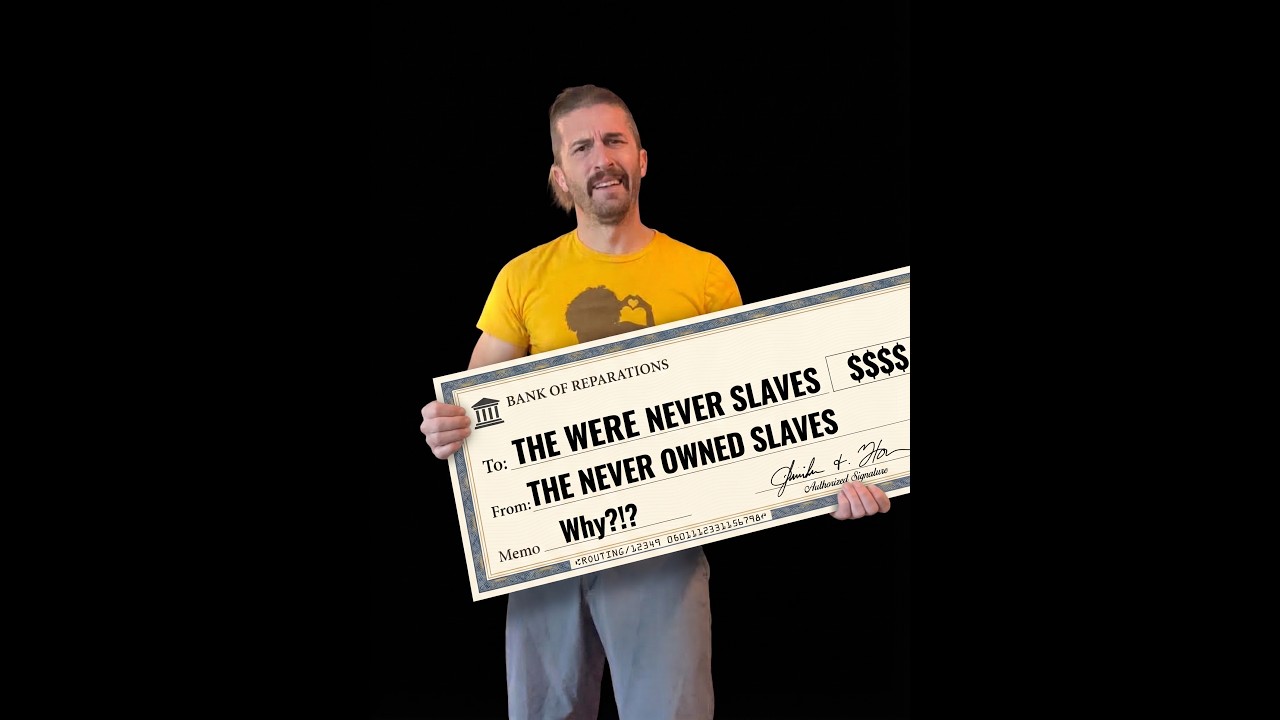
Copy Paste Post #5 - I never owned slaves why should I have to pay those that were never slaves?


Cool for Joe, a Crime for Don? Does he have any idea how Quid Pro Quo works?!


#2 Short: Only Americans Count? #personalgrowth #podcast #learntopodcast #politics #uspolitics