No Accountability in AI
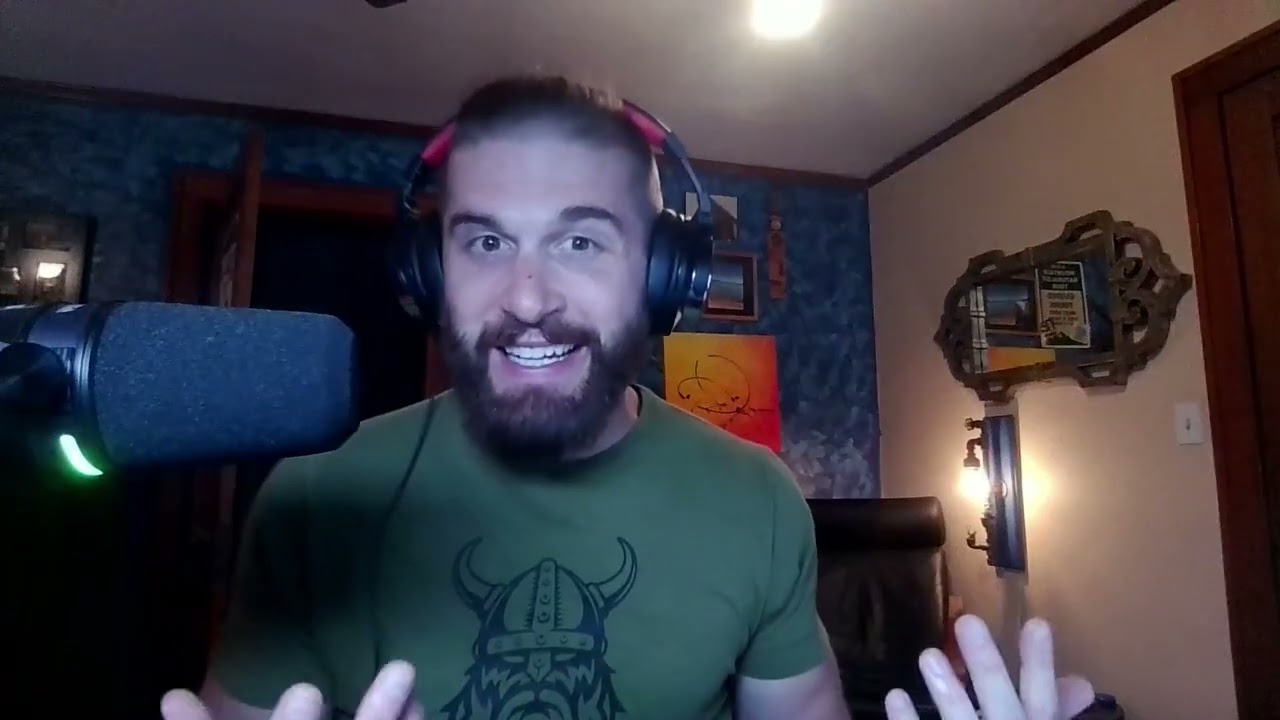
A sales engineer from Minnesota examines why AI companies face almost no accountability despite massive power. He walks through state regulations, a federal executive order, and Senator Blackburn's AI America bill, then contrasts them with the Department of Defense barring Claude for security reasons. The fragmented rules don't work for a global technology.
Chapters
Good evening from Minnesota. I am in full beer mode still because it's still winter. Skiing is still happening despite there being little snow on the ground. There's places I'm going and it's still happening. I hope whatever March brings for you, it's fun things. I'm the rare guy that likes the snow on the ground. So here we are. Last episode, I talked about Angus Fletcher, phenomenal book that he put out on primal intelligence and some unique qualities that we possess as humans that machines and AI do not have. I think it was pretty darn fascinating, and I think you should just go check it out if you're curious for more and what all that means. You know, remind yourself a little pride is something that's inherently human and awesome. So this week I'm going to continue talking about AI, switch up the level of the conversation a bit. But let's start a little with where we left off, which is just like you and I, average users. There's a number of companies out there. There's Grok, which reminds me of the former NFL tight end that Elon put out. There's Copilot and another one by Microsoft that's being funded, OpenAI, ChatGPT. I use Claude by Anthropic, more on that in a minute. And there's some others, right? So there's a number of things that we can ask, any kind of question like what's the fastest way to get here? Or how do I make the best cordon bleu? Or how do I figure out why my toilet's leaking? Turns out it was a wax ring replacement, got that sorted. So there are really a lot of great things that it can help you with. If I'm an entrepreneur and I want to scale my business, maybe it helps get my contacts organized. Maybe it helps do some mundane accounting tasks for me. It can also give you perspective. I've definitely used it to say, what's going on in Iran? Wait a minute, no, no trigger warning. We're not getting into that. That's not what today's topic is. But the point is, Here on this podcast, we're curious. And when I say curious, we have a working point of view and we want to seek more information. We want to seek different opinions, and we're going to just share what we learn with you all. And if that encourages you to create a safe place to learn with your friends and family and have a conversation with regulated emotion based on the simple principle of learning what somebody else's viewpoint is while sharing yours in a very healthy manner, Well, that would be great. And that's kind of, I think, the evolving goal of something like this. As we're only in episode 5, we're going to learn more. The next episode will hopefully be a little better and vice versa, like anything in life. But progress, not perfection. That's a key thing here. So when we think about AI, um, you know, there's definitely things from individual use cases that we had to keep in mind. Um, kids that get bullied, that might be depressed, age restrictions, certain things that maybe they should or shouldn't have access to. I personally think think kids shouldn't need a smartphone with all these capabilities until a certain age. Um, there's the thought of privacy and your data and what companies do or don't tell you. Um, you know, there's been a lot of— even TikTok's been in the news for that recently, not, not in a good way. Um, asking it questions with bias. We all have inherent bias. Sometimes it's not consciously something we're as aware of, and we need others to kind of remind us. It's based on our learned and lived experiences that we look at the world through a certain lens. It takes a conscious effort to take a step back and to be a little more objective and to choose emotional regulation, to have a conversation with somebody that might disagree with us on a topic, right? They might say mustard's the greatest condiment ever. And I'm going to like, you're crazy. There's no way. But then later in life, come to find out the German stone ground stuff is pretty good. I'll give it that. I just don't like the plain yellow stuff. It's garbage. So. But I can have a conversation, you know, it's a joking one, of course. But if we can have more conversations and be a little silly and fun with it, but also take away the idea that I need to convince you of my way. And why instead can I not just be curious? As long as the other person's being respectful, they're being a good listener, and they're able to regulate their emotions in order to learn. And if it gets to a point where emotions come up, because we're human, and there's certain things we're passionate about, then respectfully end the conversation, you know, walk away. And we're not getting into the dynamics of avoidance and all those parts. That could be a whole nother podcast episode, maybe something I will pencil in for another time. But I think it's important to just remember that we need to have healthy skepticism with the types of questions we're asking. And are they neutral? Am I getting both sides? Both sides. Hmm. We all know the media news outlets are going to be very polarizing to one side or another. And most of us have gotten around the idea that they're convincing you of their narrative one way or the other. And those big companies are being paid by other companies to spin things and do things in a certain way. And I've listened to enough people that I agree with what I've learned about these echo chambers that were put in by news media outlets, and reinforced in different ways with algorithms on our Instagram, TikTok, or other socials that are feeding us things that we like. Sometimes that's a good thing. I love dogs. Apparently, there's a ski resort in Japan you can go sledding with your dogs. It sounds great. Not like I needed another reason to visit Japan, but here we are. High-class problems. I need to go. So thinking about that, if I have a particular viewpoint on you know, mustard's the worst, you know, just as a fun example, like maybe my algorithm's like giving me all this like funny GIFs and making fun of mustard and people throwing it in the trash or other things. I'm like, yeah, this is what it's all about. Come to find out there's other people that really love mustard and it's a really great thing, but I don't get to see that. The way these echo chambers are designed, it's just giving me things it thinks I like, which is very problematic. If you look at the reason that we have debate and why that's a course in college and even high school, is it's healthy to hear different viewpoints. Is it possible that you have changed your view on something at some point in your life? I just told you I kind of like stone ground mustard and I used to be opposed to all of it, right? Still don't like stuffing. You won't convince me on that one, but I will be respectful and eat it if you make it in your home. That's just how mom raised Chris Webb. So I digress again, but my point being, is we need to be more thoughtful and considerate about a different point of view. That's how we learn. That's how we grow. That's how we show respect for different life experiences and different learned experiences. Now, there's definitely some topics that we get a little more passionate about that we have more like just set in stone beliefs. That's awesome. That's great. I'm not here to try to convince you otherwise, but I would implore you and challenge you to say that conversations about these polarizing topics should not be about convincing another person of your way. It should be about being polite, actively listening, and seeking to be curious as to learn to why they think the way that they think. You might learn a few things that you didn't even realize you didn't know. And it's not about convincing the other person. It's really not. Everyone's journey is their own. It is up to them at any point to decide what they choose to believe in or not, right? If we can be an influence on that, it's because we were a good friend and we're able to seek to learn and to ask questions. And the other side of the coin, right? Just be smart. If you're emotionally dysregulated about something, just say, hey, I'm getting a little heated and I'm not gonna think with the smarter part of my brain if we keep going right now. So let's just, you know, change the subject or go on to something else. And a part of growth means leaning into change and fear. So I would challenge folks to say, okay, can you learn from that? Is there something that you can employ next time that says, hey, I'm gonna set a timer and I get 5 minutes to share my points and then we pause And then you share yours. Or if we recognize the last conversation got a little emotionally off the rails, maybe we communicate, hey, here's some things I think we can try. Like, you know, it's one example, you know, have a little playbook on how we can improve and do better. I challenge you all to do that because man, there's not a bigger time that we all need to be doing better in terms of having conversation and realizing that there are more things that we all generally care about as humans and the wellbeing of one another than the other way around. And it's really frustrating to see the polarizing echo chambers that we get put in by mass media and these social media algorithms. So it's on that note that AI also comes back into play, right? Because it's the programming and that's a part of it. And it's learning about you to give you answers it thinks you want to hear. And there's, you know, things that they're putting in there. They're doing, you know, I think a good job in some respects in terms of what it's able to do, as I shared some examples and trying to give you an unbiased lens. But when it comes to anything that's complex, like Iran is a good example, I kind of dove into a bunch of different questions, but I checked some sources and ultimately here's the key thing. And I would challenge you to think this way as well. I still don't know. Crazy, I know, but that's a healthy concept. It doesn't mean I didn't learn a lot. Doesn't mean I can't speak to what I learned about the military strike potential political reasons, what people in Iran think compared to people on one side of the aisle or the other, or how they're making it seem or feel, et cetera. But there's just so much to learn, and it's healthy to say, I don't have all the answers. However, with what I have now, here's what I think. What do you think? And then, you know, get into that conversation and discourse, because if we can do that better, then I think we can do a better job of coming together as best as we all can with divergent viewpoints and not be separated in these echo chambers and crap, because it is crap is what it is. So getting into AI with these big companies, like taking it to that more macro level, if you're, uh, wondering, you know, what, what's happening in this world where the Department of Defense said no more Claude, we're not doing that one anymore because they've got safety as an important infrastructure and they don't want to give this, you know, full access, like no accountability. Again, key word to the Department of Defense and like mass weapon development and other things on the surface. And again, working point of view, I tend to be on the side of Claude that that seems like a reasonable thing to not want to give away. Right. Very opportunistic of OpenAI and ChatGPT to jump in on there. Um, I'm sure there's nothing to that, but anyway, it's not the big thing I want to get into. What I want to understand is the accountability piece of what standards are or aren't we developing. I did a little research and there's, I think, only 4 states: Texas, California, um, Colorado, and forgive me, One more, see if I can find it quick, that is developing— well, not important. Some state laws, some around child safety and, you know, under age of 17 and developer, um, you know, bias or accountability, uh, some unique things for discrimination. Um, that's great because there's not anything federally yet. There's an executive order that the president signed in December and that Senator Blackburn is pushing through in this, um, Trump AI America bill, which is really interesting because on the surface, at least what I read so far, working point of view, still learning, is he claimed it's like less onerous, less taxing on the companies, less cumbersome, something that can set standards but not be so hard to, I guess, subscribe to, however you want to look at that. Europe is a good example, has some restrictions and there's been debate. On, hey, they're maybe falling behind Asia and the US in terms of the AI race to superior world dominance, or however we want to look at it. Um, and then there's, you know, folks that say there's reasons that we have some of these restrictions for privacy and safety and accountability to make sure that, you know, information that doesn't need to be getting out there isn't, it's not being used in a way that's going to be hurtful or harmful to people. I mean, there's a lot to consider when we think about these things. What's the cost of progress? What's the cost of being behind in this race? Um, is it a race or does it, I don't know. I have more I'd like to learn in terms of comparing, you know, what Europe's doing compared to Asia or the US there. It's interesting. Uh, but what I looked at with this bill is it's actually not, uh, um, what the president said it was. It's actually fairly detailed. And I actually kind of like that because it, to me, mirrors what I see in my industry. So I work as a sales engineer. And design a lot of network setup for companies. And there's, for enterprise-level customers, a requirement that insurance that they have requires cybersecurity, whether that's a stateful Cloud Firewall, endpoint detection and response, a number of different things depending on the nature of their business for protecting the customer information, their infrastructure from malicious threats, all the stuff. Without getting into the cybersecurity piece of it, I like the idea that there's standards that the government is looking to have at a federal level for AI. I don't believe it works at a state level. How do you monitor that? How do you actually enforce that, right? Companies and people are remote. People that are using your product are all over. They're not in one state or the other. It just doesn't make sense to me. It needs to be on a more macro level. Um, I mean, globally, I don't know how that'd be possible, but I mean, you know, ideal world stuff right here. It's you know, beyond me. But, uh, this federal act seems like it has some legs. I read that even though, you know, one side's always going to kind of pit stuff against the other, there is partisan agreement across the aisle with what a lot of the policies are, which seems pretty good to me. Now, whether or not this particular bill passes, um, read that, you know, it's really got the framework and it's really a starting point. And I think with everything that's happening with AI, for this being a groundbreaking time in our country's history, to say this would be the first federal regulation on this new technology, uh, I think it's a fair assumption that they're not going to get it all right on the first go. But, um, you know, I'd applaud, um, you know, the, the senator that wrote the bill, from what I've read so far, and the administration, to say this looks good. That doesn't mean that I don't question some other things. Getting back to the Department of Justice and the military use of AI and what is being pushed in terms of this race, I have more serious questions on accountability and regulations, right? So when we think about— a capitalistic nation like ours. There's some wonderful things about that. The merits of your hard work and creative input and resources and people and all the things allow you to build something of your own, whether that's in a career or your own entrepreneurial endeavor to achieve monetary success. Right. And there's some wonderful things about capitalism, but inherently problematic at the same time. Where money breeds greed and power. And one of the things that's talked about is how big companies— and this is true in a variety of industries— have certain ethical and moral responsibilities to the environment, to the communities that they're housed in. And there's charitable donations and, you know, give-back programs and volunteer stuff, and that's all good and fine. But there's other things that are generally expected to say you've reached this level of success. You have a moral obligation to give back because the other piece of it with a capitalistic society is those executives in the boardrooms are legally bound to continue to seek profits. That's just how it works. So we need the other accountability piece to make sure that we're holding them accountable, that if they've got this much power that they're wielding, is this power for good? Like Uncle Ben said to Tobey Maguire in Spider-Man, with great power comes great responsibility. Not the best Spider-Man, great Uncle Ben. Or you unfortunately have these high chair tyrants, which is a Carl Jung term, that are in these positions of power that don't have this healthy masculine energy. And it's just this boy energy of immature, repressed, I want, I want, I need, I need. And it's all about them and their power and what they're chasing. And that's really Really sad, but we need to challenge those types of folks. We need to maybe not elect and, you know, support those types of companies either. So there's a number of things that we have more control over than we may think we do. So it's just the beginning and the tip of the iceberg, but one of the big things that I learned and listened to recently is the Nobel Peace Prize version of the godfather of AI. I think it's George Fillerton. I may butcher name, but he left, um, OpenAI of his own will and is at the age where he can because all the big tech companies don't like him speaking to the concerns, the lack of regulation, the things to be wary of, the fact that there could be brand new cyber attacks we haven't even heard of in a number of years, the military implications of having technology that can identify somebody using this and have a drone go out and You know, political assassination or, uh, you know, just or unjust and all these things that are confidential that we as the public don't know. There's a lot of scary mass weapon implications there as well. Uh, you know, I already touched on kind of the kids and the mental health and some of those other components, and there's legit talk. You might think this is crazy, but there is on some people saying this is the beginning of something that we created. That is going to spin out of control potentially and has the long-term potential— some people say 10 to 20%, other people say more and less, and I think it's too early to tell. Another healthy observation of we don't know, but that this AI could take over kind of like Judgment Day, Terminator, Terminator 2, and look at us as obsolete or in the way of its mission. And there's people talking about, well, how do we build ways to prevent that? I don't care how crazy that sounds or how unrealistic, if there's even a minute possibility that that could be a thing, because AI is not slowing down. It's going to keep going. Uh, yes please, let's build in those safeguards. Let's get Will Smith from I, Robot involved, whatever we need. Um, so shoot, I mean, there's just so much to consider with AI. And the big thing I want to come back to from the big players is the accountability piece. I don't know if this bill is going to pass. I'm going to be curious to learn more, to dig into it, to understand different parts of it, and to follow it closely. And I would encourage you to do the same. And then when it comes to just our everyday lives, I would challenge you to ask yourself, where do I have bias? Where am I not hearing another side? Where could I do better to learn more, to just be well-informed? It doesn't mean that you're going to change your mind on, you know, XYZ other things, but it's a healthy thing to be other, to be informed. And a lot of the time, I think it's sometimes folks that You're not appreciating your privilege if you're not able to do this because there's reasons that you have the life that you do, the education that you do, and have gotten to a spot in life where you have these belief systems and this way of thinking that others may not, and if you don't have it in your heart to be able to have a conversation, be curious to learn, I think it's a sad thing because we need more of that. We really do. It's not your job to sit there and listen to somebody that's maybe truly ignorant and not being, you know, productive in terms of listening to your side. It's reciprocity, right? And learning why you believe what you believe, right? So there's a healthy back and forth there. But I would challenge you to try to have more of those kinds of conversations. I don't believe in what I learned as a kid, that the topics of religion, politics, and sex need to be taboo and unspoken about. That's avoidant behavior. That's conflict avoidance. That's, I think, a lack of emotional intelligence, and it's an inability to just be curious, to learn, to have a conversation without just removing the idea that it's my job to convince somebody to think differently, because it definitely isn't my job, nor is it yours. So I'm gonna end on that little tirade and say thanks for listening into my more holistic approach to AI and what we're learning here. And until next time, this Viking bearded guy's excited to go skiing. I hope you have a fantastic weekend, wherever that may bring you. More curious than George. Until next time, have a good night and make good decisions.
More from Chris
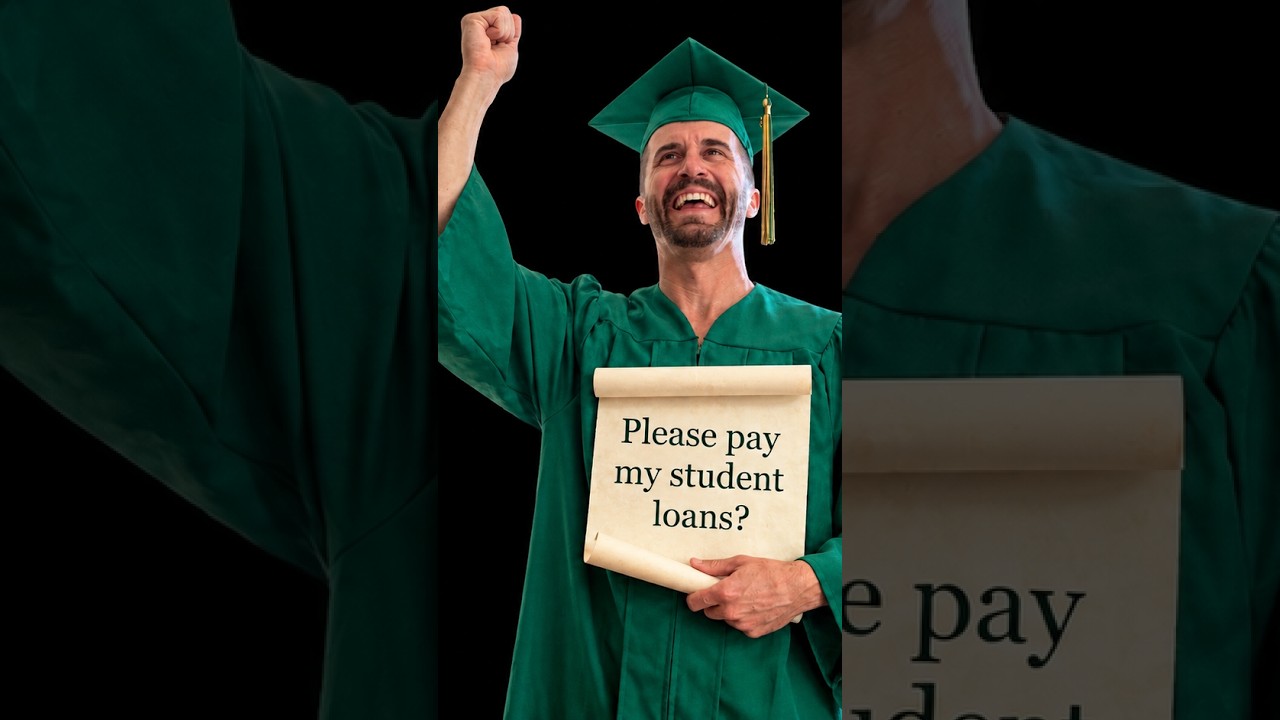

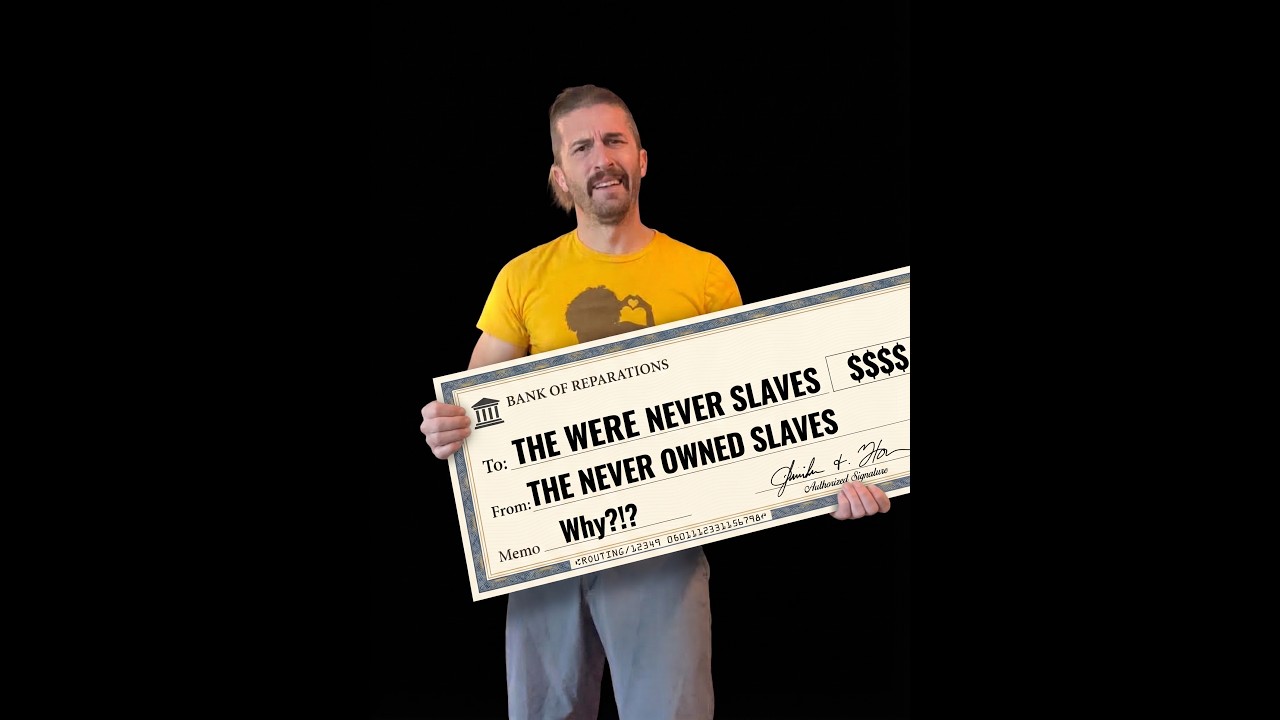
Copy Paste Post #5 - I never owned slaves why should I have to pay those that were never slaves?


Cool for Joe, a Crime for Don? Does he have any idea how Quid Pro Quo works?!


#2 Short: Only Americans Count? #personalgrowth #podcast #learntopodcast #politics #uspolitics