How to Make So Much Money as a Closer In 2025 it Feels ILLEGAL
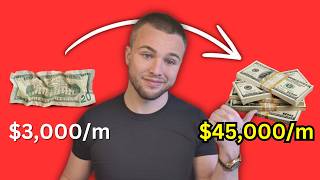
This YouTube transcript (Christian Polk, Jan 2025) teaches how to become a top-1% high-ticket closer and earn ~$30,000+/month by mastering four pillars: (1) who you are/identity and state management, (2) selecting the right offer (lead quality, price point, commission, ascension), (3) maximizing an offer via activity and repeatable processes (show rates, pre-call indoctrination, upsells, referrals, follow-ups), and (4) continuous leveling up. The speaker mixes mindset/character exercises with concrete tactics for finding offers (LinkedIn/job boards, cold outreach, recruiters, network) and on-call techniques (physiology, focus, language, tonality).
If you're looking to make a lot more money in sales as a closer, then you made it to the right video. As someone who's closed millions of dollars in deals myself as a closer, but has also trained hundreds of closers to become the top 1%, I'll walk you through the four things you need to be able to master in order to level up your sales game. Become a top 1% closer so you can be at least making 30,000 if not more each and every month. Now, I don't leave anything up into the imagination. I cover how to get the best offer, the sales process, how to overcome object, everything in between. So pay attention, take notes and let me know what your biggest takeaway is in the comments. Let's go ahead and dive into it. So I'm gonna keep this minimum edits, just try to spit some hot fire. So take some notes and hopefully this is helpful. So when we're talking about like you becoming a top 1% salesperson and making a good amount of money, I'm just going to say at least 30,000 plus each and every month. If you're not looking to make that much again, probably the video is not for you. But if you're looking to make 30,000 plus, then go ahead, pay attention because there's four things you need to be able to master. Number one is going to be the who the you need to actually be in order to lead others to make that type of money. We have the opportunity, like what's the actual offer? What do you have to be selling to be able to have enough volume high like price point, all that stuff to be making that type of money? How do you maximize that opportunity? And then number four, how do you make sure you're always leveling up? Okay, now the most overlooked and the most important part of all this is going to be the who the person you need to actually be in order to be a top 1% closer. In order to be able to close 50 to 80% of the people that you talk to. Because in order to have mastery over others, because we're in the game of persuasion, we're in the game of helping other people get to where they want to go. Having mastery over others, we need to have mastery over ourselves because sales is leadership and the leader needs to lead themselves first. The best leaders out there are leaders by example. Because when we're talking about somebody like Alexander the Great, he led by example. He did everything that his he asked his men to do. That's why he was such a good leader. So if you're going to sit across from somebody and ask them to do things you would never do, there are going to be things that are going to come across with your mannerisms subconsciously that they'll pick up on. Because there are parts of your brain that doesn't speak language, okay, but they speak emotion. They'll pick up on these things. And that's why people get gut feelings and people won't trust you is because you're not acting congruency. There's, they're not acting congruent, there's something off. So when we're talking about like you actually becoming a person who you need to be, I'll walk you through a quick little exercise so you can become aware. Step number one is you need to be aware of the person who you need to be. Because I'm really big on selling to people's identity, be creating a gap in their mind of the person who they are, how they've been showing up versus the person who can get everything that they want and making sure we put emotion to it and making sure the person who they are is very painful and the person who they need to be, that there is going to be gold at, you know, at the end of the race, you know what I mean? So we need to do that to ourselves first in order to congruently have these conversations with other people. And again, there are parts of your brain that don't speak words. So this needs to have emotion behind it. So if I was in your shoes and I, and I didn't have this vivid picture of where I was going, what would happen if I don't get there? I would spend a couple hours like really mapping it out because this will help you have that extra level of congruence to take action on yourself. Therefore you can help other people take action. So the first thing you need to do is you need to understand where are you going? Like, what do you actually want in life? Now I tend to want to have like a short term vision and a long term vision. But I would separate it into four categories. We got health, wealth, relationships, and spirituality. Again, there needs to be some emotion behind why you want these things. So let's say for example, you're looking to make 30,000 per month. Okay. So that's going to be the wealth side of things. I would get a little more, a little bit more detailed on why you're wanting the 30,000amonth. Like what does it actually allow you to do as far as like in the wealth range? Are we talking about Like a car, a house, like, what does this actually allow you to do? Okay, then from there, like where do you need to be health wise, relationships, spirituality, this all combines together. So as much detail as you can actually put to it, as far as your goal, the better it's going to be, the more vivid you can actually picture it, the faster you'll run towards something on the opposite end. Because I'm also really big on digging into people's consequences. This was what gets people to take action. Because we need to have internal tension to get moving. Okay. So if we know we need to get that in other people, we also need to get that in ourselves. So also in very vivid detail. If you just stay the same of where you are now, same habits, patterns, mindsets, worldviews, what will this lead to for you? Okay, like for example, my biggest thing that always drove me, especially when I was first getting into sales and you moved from Kansas, moved to Miami and did something that nobody in my family has ever done before. Right. Leave the great state of Kansas is like I knew what I was running away from. And I knew if I didn't do something drastic, at least for me, like moving across the country, not knowing anybody, just getting a remote sales job and just saying fuck it, that was drastic to all the people that I knew. Okay, so number one, change your environment. Right? Definitely does help. But then the thing that was pushing me is I was deathly scared of being average because for me, I grew up in a small town outside of a big town. But it just. There's always something in the back of my mind that I did not belong in this small town. And so there's always something like pushing me, like I can't be average because if I was, I knew that I would have to have the same type of conversations my dad had with me when I couldn't have something or we couldn't do something. So the feeling of restriction and feeling average, I knew if I didn't make a big change, those were going to be the feelings I would feel every single day. And I'd have those same type of conversations, which is not something I'd be willing to have. So that as far as like it chasing me really allowed me to push and get outside of my comfort zone and do things that I didn't think was possible as far as like waking up at 3 o' clock in the morning, you know, every single day to make sure I'm hopping on certain type of sales training calls. Okay, so these are the things that can push you out of your comfort zone, because that's where growth is going to come from. So then once we have, like, okay, where we need to be and why we don't need to stay the same or why staying the same is going to be painful, we need to then create two characters. The character who gets everything that we have in our dream, and the character who we are now, who stays the same and gets the bad outcomes. Okay, so we need to start to create a distinction between the two and then understand the characteristics of both of them and start aligning ourselves with the new character. So if create a character in your mind that is going to get everything you want effortlessly, like how this person does it effortlessly, it's unreasonable. But that this new character gets and achieves the dreams that we laid out. And then define your current character. Being able to take a look at yourself and being real with yourself is really important. Okay, so what are your current strengths and weaknesses? Then when we take a look at the new character, what are their strengths that allows them to achieve the goal? And, like, compare what are your weaknesses versus what are their strengths and see the things that you really need to work on. Okay, now understand, define what your current habits are. Because really, when we're talking about outcomes, it's just a result of the outcomes, the things you do every single day. Your habits. So what are your good habits? What are your bad habits? Then when we take a look at the new character who is going to get to your goal effortlessly, it's unreasonable that they want to get to your goal. What are their good habits that allow them to achieve the goal that we had listed out? Then from there, we need to understand what are the fears of your current character? Okay, like, for me, like, my fears when I'm talking about, like, me stepping out into my new business, like, me actually training people on my own, there is fears that creeped up, and because I was aware of them, I could actually address them. Like me being off my own, Everything's just on me. And that created a bit of anxiety. But because I was aware of this, okay, I can actually address it. Then it's like, which of these three fears is a new character free from? Like, is your new character free from the anxiety free from what happens if this happens? Or the worldview stress, whatever it is, what is your new character free from? Okay, and then what is your current character's general attitude and worldview? How do you typically wake up? What's your general mindset, your general mood? And then what is a general attitude and worldview of the new character that needs to have to in order to effortlessly achieve the goals. Like, for me, the biggest thing I'm always trying to strive towards, and I feel like I've done a lot in this area, is the general worldview of just being grateful. Because if you have gratitude about you, it just, it aligns you in so many ways. You're in a better mood, but you're also able to connect better with people. Especially when we're talking about sales calls and being able to get people to take action. Okay, so in this new character, how do they actually present themselves? Like, how do they look, how do they dress, how do they sound, how they walk, how do they talk? Like, are they confident? It's good to get an actual detailed, vivid image that we can be running towards. And then what is the new character's day to day routine again? Like the habits, how do we build on top of these things? Okay. And then we're talking about other people because we're not just one person. We're surrounded by other people around us. Like, how would other people talk about your current self? Like, what are some of the things you're saying? Or family, coworkers, whatever it is, like, what do they. What would they actually say about you versus, like, how would they talk about the new character? And then I would sit and I would try to understand what are the five core values that the person who you need to be is going to have to achieve the goal of making 30, 40, 50,000 each and every month? Okay. I would say key values for me that I'm always going to hold is somebody who is continuously growing and getting outside of their comfort zone. Somebody is, who is a leader, somebody who can rely on their own word to keep the promises to themselves. These are some of the core values that you need to have. So sit and think. Like, what are the key values that you need to actually hold in order to get to the next level? Okay, so once we do this, and again, I would take a day, couple hours, really dive into this and have an ideal of who you need to be, then we need to talk about the actual offer that you're on. Because it's good to be a good leader, a good salesperson, but if you don't have the right opportunity, then it really doesn't matter too much. So we're talking about like what makes a good offer. There's a couple things. So it's like one lead, flow and quality. So you need to be able to get enough leads to talk to enough people that you can Sell and make a good amount of money. Also, there needs to be high quality leads because if you're talking to 10 people a day, nine of them are no money. They have $200 in a bank account and they have 500 credit score. This isn't going to get you to your goals. I would say another big thing is going to be price point and commission structure. So really, and, and it's going to depend on the lead flow and quality. If you have less lead flow, you need a higher price point and probably a better commission structure. If you have more lead flow, you can have a less price point and a lower commission structure. You just got to map out, make sure the math mass. So whatever, whatever opportunity that you're in, make sure it can get you to where you need to be. And I would say getting great client results and having an ascension process. Why is this important? Because if you're looking to make a lot of money, we do not just want to rely on leads coming in. We also want to make sure we can get upsells. So if you are on a offer where people get shit results and they're not happy with what you have sold them, you're gonna have a hard time upselling people. So it's like getting them to like a higher ticket program and making the lifetime value of every person that comes in higher also as well. We need to make sure we're getting referrals, referrals, referrals, referrals. And again, if the product isn't good, it doesn't get people results, you're not gonna get referrals. Okay. It's just as simple as that. So we're talking about, like, how do you actually find an offer? If you're already on an offer and you feel like it hits all these things, fantastic, you probably skip ahead a little bit. But if not, how do you actually find an offer? So these are going to be the four ways that I found personally to find an offer. And I've used all these ways to find an offer to start selling for where I've least made it. 20,000 plus in each of these. Okay. So number one is going to be job boards. Now, job boards are a little tricky. I know a lot of people, especially in the high ticket closing space, are looking for things like on Facebook and in different areas. I've never, and I mean ever found a good opportunity doing that way. The only job board that I would say is worth your time would be something like LinkedIn. Why? Because the better companies or the companies that are a Little bit more legit. They will be posting on LinkedIn. It's going to be a more professional profile, more professional job board. If you do not have any type of experience, it's going to be harder for you to get jobs on job boards. So I would say maybe cold outreach is going to be better until you get more experience. Experience up. Because especially if you're brand new to sales, you might need to start off as either one, you start as a closer for not a good offer until you get the experience to then hop on a better offer. Or two, you start as a setter in a better offer and then you work your way up to being a closer. So we're talking about job boards. This is exactly how I do it. Okay, so if we take a look here, this is going to be LinkedIn. I would type in something like closer sales rep, something like that in the United States. And then I would find an offer that looks like it's from a good company and you just go ahead and you apply. It's pretty freaking simple. Ad outreach, good company. I used to work for them. Okay. Again, this was years ago. I know nobody at ad outreach anymore. Okay. So don't ask for the hookup. But I would go, I would apply number one. And then once you apply, go to their page and what you're going to do is you're going to find somebody that is in the hiring process and reach out to them personally. So what you do is you click on the actual ad outreach for here. You click on their page and then you go to the people. You go into jobs or. No, you go into people. Yeah, you go into people and it's going to list people who are working at this company on LinkedIn. So what you can do is you'll find somebody. So we got the founder here. This one is a chief operating officer. This person probably, if I can't find like a sales manager or something, would be the person I'd reach out to. So we got like a closer. Yeah, we got like a marketing coordinator. No, no, I'm a senior direct response, like copywriter. No, no, no. So you want to find somebody who would be in the hiring process or at least close enough. Because, like, what you'll do is you'll just click on their profile and then you would just message them. Okay. And I would just message them something fairly straightforward like, hey, applied for your job as like the subject line. Or it's like, like the subject line. You want to keep it pretty broad so they, they open it. So it's like, you know, quick question or something like that. That's always a really easy one. It's just like, hey, I applied for the job for xyz. I really think I would crush it for the role. I wanted to see if you needed anything else from me or you would need, or if I could send over a sales call or a call recording or something along those lines. So you just wanted to show initiative and then give them value. Because the biggest thing we're talking about, especially, like, bigger companies or companies that are, like, hiring salespeople, they're scaling. The real thing is they just want somebody who can actually talk to people because you'd be surprised. Like, a lot of salespeople just lie. So if you have good sales calls, I'm telling you right now, that's a cheat code for getting good sales positions. Okay? So if you reach out to these people and you apply, you reach out to them personally and then offer to send them sales calls, then you're going to be a step ahead of most people. And I would say when I got the job at, like, Stock Navigators, which is like their stock trading company, I literally, like, I applied and it would. Had already been a couple weeks since they, like, they posted it and they were. I didn't know this at the time, but they're already on, like, the second round of interviews, and they weren't taking any more applications. But I went in here and I applied and then I found. I don't think he works here anymore, but I found, like, the sales manager, and I just reached out to him personally and I sent over a sales call and then we had a call and they hired me on the spot. They didn't have me do any role plays or any dumb shit like that because again, I had sales calls where I was selling people. I sounded good. So there's like, okay, this guy's legit. Let's go ahead and, you know, just hire him. So if you have sales calls, this is going to be a cheat code when it comes to getting yourself jobs. Okay, so we got job boards. Again, I'd say LinkedIn's the only one. Then we talk about cold outreach. Now, when we're talking about cold outreach, there's a couple ways you can find companies. Number one, if you already know of these companies, just you can go ahead and reach out to them. So there are big people, you know, in the online space, or if there's somebody you know who's selling something you feel like you would enjoy selling, just go ahead and reach out to them. What you can do is you can go to their LinkedIn, you can go to their YouTube, go to their contact information, grab their email and just email them. Or what you can do is if you have your ads on like, you don't take off any ad blockers. You have like on Facebook, YouTube. And if people are running ads, typically they have a sales team. Okay. So it's like you can reach out to those people too. For example, with scaling with systems, I reached out to. This is just a company I knew. So I reached out to Ravi personally. Okay, so, and it's again, it's pretty basic. This was a cold email question about scaling with systems was my subject line. And I just a pretty basic email. Again, this is not my number anymore. So don't reach out to this number. But what I'll put is just like, hey, Ravi, I saw your YouTube channel. It looks like you're killing it. I heard through the grapevine that you're looking for salespeople to bring on the team. I did not hear through the grapevine that that's just what I said. I know I'd kill it on your offer. I have over four years of sales experience and I've sold high ticket coaching before for out of outreach, among other things. If you would like, I can send you over a resume and a few of my calls. Again, basic, straight to the point. Then he sent me over to like fill out a form. I talked to a sales manager. Again, pretty basic interview. They saw my sales calls and then they just went ahead and hired me on. Again, if you have good sales calls, I would definitely lead with that. If you don't, then if you have some role plays that you can send over, that can also work too. But sales calls obviously are going to be better. Okay, next we have recruiters. A lot of recruiters out there are pretty garbage. But if you can find some good ones that have some good offers. Again, I found some good ones that have good offers. That's a good way to go ahead and get different type offers. I would say the downside when it comes to recruiters is all the communication is just going to be between like the recruiter and the actual person hiring. They do not want you to reach out to the people that are hiring because they think you're cutting them out and you can get blacklisted. So that's no bueno. And the downside with this too is if you do not have like just a knockout resume, it's going to be harder for you to get jobs with the Recruiters, because recruiters are going to get a lot of people and send them their way and they're just only going to pick the top people to have a conversation with. But if you have a good resume, this is a great way to get jobs. And I would say last is going to be network. Now, if you have actually built a good network, this is going to be the best way to get it right. Because you're able to get jobs before they put on job boards and you're able to understand or really if you know people who are already selling for it, you're able to understand like it's a good offer or not a good offer. I would say if you're just reaching out to random people to like network and just ha yo get a piece of their mind. This is not how you network. I would say the number one way that I've always networked is when I was in like coaching programs and different things like that. I would always offer value, role play with people. And that's how I built my network or, you know, people like I've trained or whatever it is, like provide value to other people and truly network to just have value, right? Give value and then you'll get value back. If you're just networking to pick people's brains, you know, the, the LinkedIn message, hey, just want like 20 minutes of your time. If I said yes to even half the people who have reached out to me on LinkedIn for 20 minutes of my day, that's all I would do every single day. So again, don't network like that. I would say the easiest way to network is, you know, join a coaching program or join a community and just offer value. Role play is the easy way to do it. And then like over time after you build your network, then you can start reaching out for people for jobs or to see if they know anything. But until then, like, stick to these three things. If you're newer, okay? Cold outreach is going to be the best way to go because again, you're reaching out directly to them and you don't have to compete. Then I would say job boards and recruiters. And then last is going to be network. Okay, okay. Now let's say we're actually on an offer. How do we maximize the opportunity which we have so we can make as much money as possible? So there's two things that we can do to maximize the money we're making once we're on an offer. So we have activity in process and then we have our sales skills. Now the thing that's going to make you money quicker is activity and process sales skills. Takes a little bit longer to actually learn. So if you want to start making more money right away just with whatever offer you're on, if you just increase your level of activity, that's going to make you more money. So we're talking like actually how do you optimize what you're doing process wise? There's really five things that we need to dive into. We got show rates, pre call process upsells, referrals and follow ups. Now it's going to be very specific based off of what offer you're on, what's the type of people you're reaching out to. But I can give you some basics for all of these. So number one, when we're talking about show rates, the biggest thing when it comes to show rate is just be a human being. So you would be surprised of how many sales reps I talk to that do no personalized text messages to get people to show up. And that is ridiculous because if somebody is just getting automated messages and they can tell it's automated, they're not no showing an actual human being. They're no showing a robot because up until this point they have not talked to anybody if they're getting booked directly in your calendar. So what you need to do is you need to personally either one text or give a voice note. Better than just a text, a voice note to every single person who books on your calendar. Provide them some type of value. For example, if you're selling weight loss, somebody books in your calendar, leave them a voice note on your iPhone, preferably because most people are going to have iPhones. You have the blue, you have the blue dot pop up or the blue message pop up, send them a voice note. It's going to sound something like this. Let's say it's like John and he needs to lose like 30 pounds. Again, it depends on the information you have and then what you can actually give to him as far as value. But it's like you just going to want ahead and leave him a voice note like hey John, this is just Christian, Christian Polk. I'm over here with XYZ company. It looks like you had booked in for Thursday about possibly getting help some losing some weight. It looks like £30 here. I just want to say you're not alone. That's why most people come to us. So you made it to the right spot. Do you actually think it would be helpful? Because we help quite a few people like lose 30 pounds that are kind of in your age range that if I sent over some resources of how we helped other people do that send, right. Like, would it be helpful if I sent this over to you? Get some buy in and then if they don't answer, okay, what you need to do is just you follow up, like, hey, did you get my text pointing up like three, four hours later. And then it's like another like day later. Leave me out here in the cold question mark like emoji. Don't make it too serious. And then that will massively increase your show rates. If you have time, it's going to be even better if you call every single person pretty much as close as you can to when they book in. Just like, hey, wanted to confirm what your, you know, the time that works for you and just do the same thing so it looks like, you know, you're looking to, you know, lose 30 pounds. Do you feel like it would be helpful if I sent over some resources of how we help some other people? People do that. Okay, perfect. So I'll send it over to your email. Just, I'll shoot you a text, make sure you got that. All right. And then boom. So just make sure you're actually having a personalized way before they actually show up to the call. That's going to let them know they're talking to a real human being. Once you have some dialogue, it's going to decrease the likelihood that they're going to no show you. Now we're talking about no shows and show rates. We can also talk about utilization rate. So what I mean is if you have eight slots, okay. And you have a 50% show rate, you can, what you need to do is just start making sure on the ones that are likely to no show you double book them. Okay. So when you're talking about your slot utilization rate, it is the amount of slots you have versus the amount of people you actually talk to. So when we're talking about making sure you talk to as many people as possible, number one. Yes. Make sure you're reaching out to every person individually, giving them something personal. But if people are not responding, mark them free. So that way you can get double booked on people who are likely to not show. So that way you can have a 50% show rate but also have like an 80% utilization rate because the people who are likely to not show you double book them. So this is going to be important. Not only show rate, but make sure you're utilizing all the slots that you have available. Now we're talking about the Pre call process. Again, it's going to depend exactly like what you sell and what resources you have available. But we want to make sure they're indoctrinated. Okay. So this comes down to. This will also help show rate as well. But if you have specific case studies that fit into what they do, this is when you would use them. For example, when I sold for seventh level, I had every single testimonial for every single different type of sales industry memorized like the back of my hand. So if I talk to somebody in solar I would tell them oh yeah, we've helped a ton of people in that space. Do you feel like it'd be helpful if I actually sent over how we help some other people who do door to door solar? Oh yeah, it would be helpful. Okay, perfect. Because you know, you remind me a lot of Joseph Robert. Like when he first came to us he was around the same spot. He was making around 10,000 per month, but after about three to six months he was making 80,000 plus like per month. Do you think if I sent that over like you know, you'd be able to go through that? So I'm sending them over personalized case studies or personalized sales assets to get them indoctrinated before they actually show up on the call. Okay, so pre call process. Again it depends on what you sell, what that looks like. But the biggest thing is personalization. Send them something that's specific and will actually help them. Because what you want them to do is if you're wanting somebody to invest money with you, the first thing you want them to invest is time. Because if you get them to invest their time, they're more likely to then invest their resources and it'll just make your sales calls so much simpler. They'll be more bought it and you won't have to be dealing with people that are going to be a holes to you. Okay, so that's all pre call. Now when we're talking about post call, two big things that I see people always really lack on is going to be upsells and referrals. So again make sure you're selling something that actually gets people results. And there's actually an ascension process. Again for example for seventh level like the 2.0 which is just like the basic course, it's 3K and then we have the 3.0 or the Pro where you get more hands on help, that's 8k and then you have the inner circle, that's 16k. So ideally, ideally I would get somebody, I would sell them either the 3 or 8k. And then three months later I'm selling them to 16. So every single person that comes in, I'm either selling them the 3 or the 8 and then the 16. So that way I have more lifetime value out of them. Now you need to put the processes in place to make sure you're staying on top of every single person you sell. Because the easiest person to sell is somebody who's already bought something, believe it or not. So what you need to do and what I would always do is set up a check in call. Now when you set this check in call is going to depend on what you sell, but it's going to be when people start to see results. For example, with seventh level, again I'm just using as an example, it was 21 days, I'd always have a check in call, 21 days to also see, hey, how's the program going? Can I provide any more value to you? And I would either seed an upsell or just upsell them right then. And I would ask for referrals. Okay, Referrals, referrals, referrals. This is something that I just don't see a lot of salespeople doing is just asking for referrals. Referrals close at a higher clip, at least 50 plus percent. Okay. Even if you're not that good at sales because they're more bought in because they heard it from someone else. And these are just free sales that you're leaving on the table. And what will happen is if you again put it in the process, if you have follow up calls with people and you start seeding up sales, and sometimes again when you hop on the call, they're not going to have referrals to go off of. But if you start seeding these things and again another two weeks go by and you ask again, you'll start to get names. And then again, if you're selling 10 people and you get three referrals each month and you sell two of those people, then now you got 12 cells. And then it just starts to compound because then you're going to ask those people who came in as referrals for referrals, people who came in as referrals are actually more likely to get referrals. So that really starts to compound on itself. That way you can go from like 10 to 15 to 20 cells each and every month just because you create an ecosystem around yourself. And this is also going to come down to your follow ups too, okay? Making sure you're following up with people. Now we're talking about following up. I typically am only going to follow up with people who are like, money logistical, like they legitimately just don't have the money. Like, I'll follow up with those people. Because people, again, if you keep them in your ecosystem and you did a good job on the sales call, they will find the money. Okay. This is really important. So that way, again, you have a referral process in place, an upsell process in place, and a follow up process in place. So you should be able to at least get 30 to 50% of all your sales just from your process, not just one call closes. Okay? Because if you're just relying on one call closes. Yes, you can make good money, don't get me wrong. But if you're looking to make 30, 40, 50,000 each and every month, it's about having an ecosystem around yourself too. Not just being really great on the calls because you need to be really great on the calls for everything else to work better. But if you want to have an ecosystem around you, that's how you take it to the next level a lot quicker. Okay. Because these are something you can just do right now. Just start calling people, following up with them, asking for referrals, asking for upsells, without being any better at sales, and you'll just make more sales in general. Okay, so then we actually talk about how do you actually show up on calls? So this one is going to be the most important. Okay. Because we have our sales skills. So we talked about like everything outside of what you do on an actual sales call. Now let's talk about what do you do on an actual sales call. So the biggest thing is how do you actually show up on calls? So number one is we need to have good state management. So when you are on a call, you should have complete focus on the individual that is in front of you. So how do you do this? Okay, so this is from Tony Robbins as far as like, how do we manage our state? So he has our physiology, our focus, and then our language. Because there's language we can use to make sure, like we're in the right state. Making sure our focus is in the right spot and our physiology is in the right spot on. So we're talking about physiology. Okay. What are you doing to make sure that you're showing up to the best of your ability? Are you getting good sleep? Are you getting out in the sun? Are you exercising? These are all really important. Again, you got to treat yourself like you're an athlete. You are a mental athlete. You're showing up on calls and you need to be able to perform. You only make money if you perform. You're an athlete. So making sure you're doing all the things that you need to do. Now, when we're talking about also showing up as an authority, being an authority in a sales call is really important. How can I have the physiology of somebody who is an authority, who is confident? So some people, they need to stand up when they sell. Some people need to lean back. I'm somebody who, if I stand up, I'm aggressive as fuck, right? And I'll start getting combative. So it's like, I know for me, I can't stand up when I sell. But other people who tend to be a little bit more meek in their selling style, standing up is going to help them a lot. Now, when you're on the call, where's your focus? Is your focus really about being present and being curious or is it just about getting this up? Okay, it needs to be about being present and being curious. That way you're going to come across in the right way. And then the language, are we using language of an authority, of somebody who's being present, of somebody who's being curious, are we using that language? Because the biggest thing, especially when we're talking about tonality, because this is something I get questions with a lot like, how do I get better with my tonality? Tonality is pretty simple if you're good at your state management. Okay, what do I mean? So if your physiology is somebody who is, for example, we need to come across curious. If your physiology, if your facial expression looks curious, it's hard not to sound curious. If your focus is truly trying to understand where is this person coming from? Again, focus in the right spot, you'll come across more curious. And lastly, you can start using curious language. I'm curious what's going on here? Right. We can start using that language too. So make sure you be present.
More from Christian





Comment “LAZY” and I’ll send you how I’m making $100k/mo in sales working less than 4 hrs a day





