Speaker argues that trust in teams is largely built through informal, between-meeting interactions (the 'between the meetings'), which are missing in remote work. Remote teams must intentionally create those informal 'betweens'—otherwise siloing increases. Leaders should be prescriptive about fostering these interactions and align recognition/rewards to collaboration (not only numeric output). Hybrid teams need even more deliberate effort.
Chapters
Isaac Stern, the famous violinist, said, music is what happens between the notes. Well, trust is what's built between the meetings. You know, it's the chat, the chatter as you're walking into the meeting. It's the meeting that happens after the meeting as you're walking out. It's the bumping into someone in a hallway going, oh, I meant to tell you. It's, you want to grab lunch, you want to grab a coffee. It's all those little innocuous things that by themselves do nothing but over the course of time, build, build trust and actually support collaboration. When we work at home, we just have the meeting. There is no between. And so.
I think the best I heard this from.
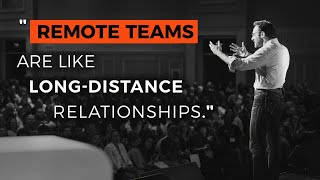
Sarah Kubrick, the millennial therapist, who. I love what she said, which is, she said remote teams are like long distance relationships. It's like you're on the phone the whole time, and you actually have to work much harder at building trust. You actually have to create artificially the betweens. And so when you start to have siloing and fast growth does that because you're so focused on the numbers, sometimes you forget some of those things that you used to focus on. It happens. We forget the scale breaks things. It's not unique to you. It's just, it's a thing. A, you have to be prescriptive about it. B, you're going to get the behavior you reward. And so are you rewarding and recognizing people who are collaborating, or are you only recognizing and rewarding people who are hitting numbers regardless of their collaboration? Because then you'll create a culture where the collaboration comes second.
And so recognition rewards is a big part of it. And if you have blended teams and sort of remote and.
Hybrid teams, more effort is actually required for it. I like.
Sending people around if they're not all coming to an office. I like making people meet in a city to have a hackathon for two days to work a project or work a problem that works wonders.