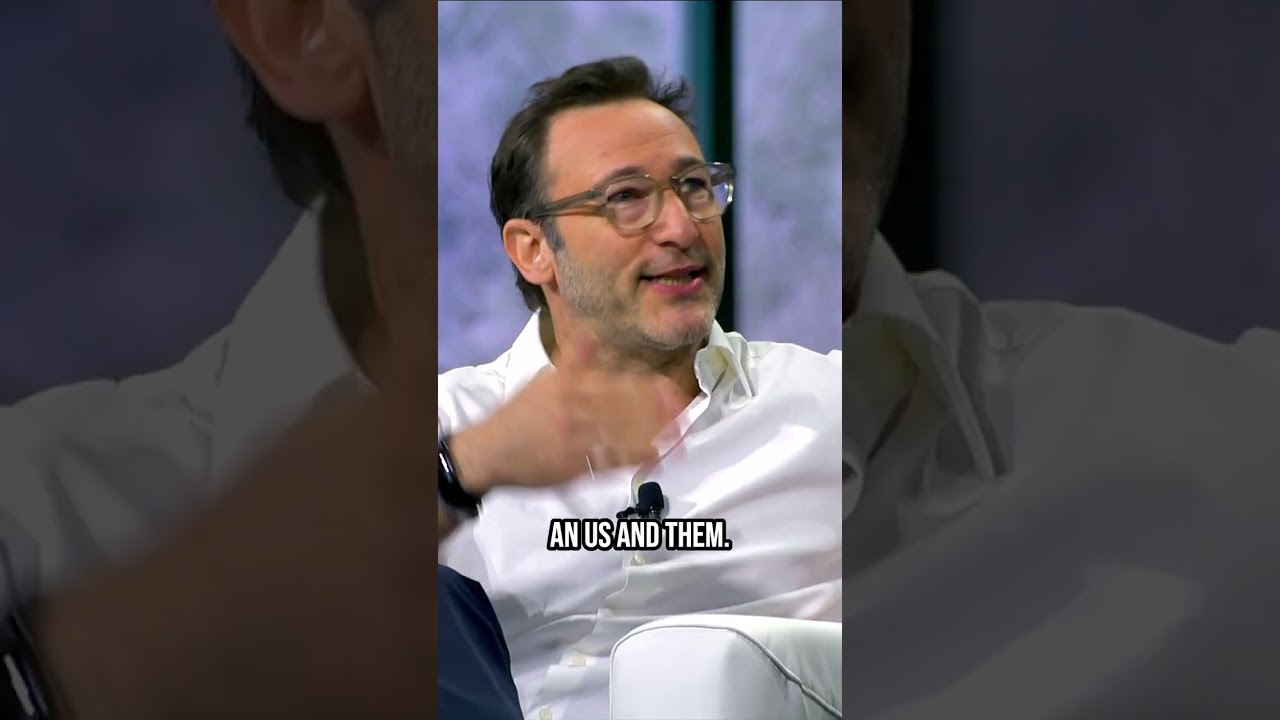
Simon Sinek argues that when leaders announce changes, employees worry about personal impact first. Confidence matters, but so does admitting uncertainty and involving frontline staff in decisions. The technology shifts, but the human skills leaders need stay the same.
Chapters
Anytime you make any corporate announcement about any technology or any systemic change or any strategy, the only thing going through people's minds is, how does this affect me? And people are really, really simple. We want to feel safe. We want to feel cared for. We want to feel that somebody, like, knows who we are as a human being. We're not idiots. Like, we can tell when somebody's BSing us. And so when people are BSing us, it makes us more nervous because we think, whether it's true or not— Yeah. We think there's something they know that they're not telling us. Which makes even more anxiety, and it creates an us and them. That's where I find the best communication works. For example, speak with confidence, right? And you can still have that message of uncertainty with confidence, like, hey, we know this is super exciting. We know this is like the next frontier. To be honest with you, no clue how it's going to net out, right? We're experimenting. We're trying things out. Some things will work. Some things won't. But one thing we know for sure is Is no hard decisions are gonna be made until we're 100% sure that this is good for our people and good for our company. Right now we're in a mode of experimentation and we're looking for input from those on the front line. Who wants in? Invite people and make them feel like they're a part of it. This is not new. This is not new. Like, AI is new, but like implementation of a new technology, not new. Strategic changes that will affect my daily job, not new. Like, we know how to do this. And I don't know why we're freaking out and suddenly thinking that the communication, the human skills, all of a sudden are going to change. They're the same. We just need to double down on them.