Live Like You Have 2 Years Left with dancer and cancer survivor Angela Trimbur | A Bit of Optimism
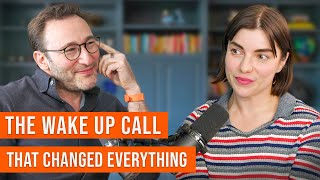
Dancer Angela Trimbur survived breast cancer and now teaches dance focused on joy and accessibility instead of technique. She shares how the diagnosis shifted her perspective on living intentionally, and how her viral dance videos and community projects turned movement into therapy for herself and others.
You survived cancer?
Yes.
What kind of person were you before? And who are you now?
If I had two years left, would I want to say I stayed in my rent controlled apartment and I continued holding on to this great space that I have? No. I'd want to let it all go. I'd want to let everything go that I own. I want to move to Manhattan and be a dance teacher. And so I'm like, okay, I sold everything and I moved with like $3,000 to New York City.
What if you found out that you only had six months left to live? You'd probably start knocking things off your bucket list. Empty your bank account and try and live life to the fullest. But what if you were told you had five years left to live? You might put some of those bucket list things off for a while and maybe think you had plenty of time to get them done. But what if you only had two years left to live? It's a strange middle ground. Not enough time to waste, but enough time to do things with more patience or intention. Well, that's exactly where Angela Trimber found herself after being diagnosed with breast cancer. The result profoundly changed how she spends her time, the path her career took, and most powerfully, the person she became. Angela replaced her chase for perfection and her need to control everything with a pursuit of joy. And now, through what she calls sentimental, weird dance classes, she helps other people tap into something they didn't even know they were missing. Angela has learned to live a life worth living, and she's teaching others how to do the same. This is a bit of optimism. This episode is brought to you by True Classic. I love their T shirts. I've been wearing them for a long time before they became a sponsor. I personally like the V necks and all of the basic colors. I like earth tones. I could get dressed with my eyes closed. It's pretty good. But I love their stuff and I'm really proud to have them as a sponsor. You are one of my favorite artists. Well, and I'll tell you why.
Okay.
And I'll tell you why. I love art. I love all of the arts. I love dance. I love good theater. I like painting. I like photography. I like the arts. I like things that, that excite my senses. But the thing that I hate about the arts is the arts tend to be very exclusive and also make people feel like an inaccessible is the word I'm looking for. In fact, you know, you know, you talk to like symphonies or opera companies or even some dance companies, ballet companies, and all they do is Complain about how they can't get new people to come, and yet they're arrogant and distant. And museums the same. I've always said to friends, you know, the only reason you need to say why you like a piece of art is, I don't know, I just like it. That's just where it starts. And one of the reasons you're my favorite art, one of my favorite artists, is because you have made a career out of making art accessible. It is the least elite thing that you do and the most welcoming thing that you do.
Thank you. Yeah, it's really like to make something that I would want to be a part of is where that comes from. And I used to feel so like I want to spend time with artists and I'd go to a dinner party with them and for some reason I still felt like, why is there a disconnect? And it's big words are floating around and I'm like, I don't, I don't know that reference. You know, just these things that made me feel smaller and smaller. I respect these people. But there's something that just felt. Yeah. It feels like I drive home and I'm like, wow, I should have said this. I should have said this. But just so creating a world where there. That feeling doesn't come up for anyone is, is just what motivates me to.
In your training, you're. You don't like, you don't. You're not a trained ballerina.
No. I mean my mom owned an a dance studio when I was little, so I grew up in a dance studio. But no, I haven't trained since I.
Was 12, which makes it even better.
Yeah.
You know what you do?
I know sometimes I'm. I like don't want to, I want to study other choreographers work and things like that. But then I'm like, oh, but I don't want to start getting in my head and I don't want to learn counts. Like I don't do counts in class. I like. I think that's left side of the brain and.
Wow.
Yeah. Because it really is.
So how did you start your. Because you do, basically. I mean, I guess it's best described as like pop up classes.
Yeah.
They're like, it's very gorilla.
Yeah. You know, wherever I can get.
Wherever you can get a space, you'll make an announcement on social media saying, having a class, whoever wants to come, come. And that's the class and that's when it is and that's where it is. There's very little as you said, there's very little structure to it.
Right.
How did that all start? Because I know your stuff, because I know I just know it from social media, but I actually don't know your story, if I'm honest.
Well, I think kind of like my first break into dance, so to speak, was back in 2012. I went back when YouTube kind of viral was a new word floating around. I had a dance video that went viral, and it was called Dance like Nobody's Watching. And it was just that I had something due for this brand, hello, Giggles. And it was like I was staring at, like a blinking cursor. I wasn't inspired. I didn't know what to do. And I'm like, getting over a breakup. And I was sad about it, and I wanted to try to find some energy to push through because that was why I was depressed and not writing. And so I thought, oh, why don't I. I'm going to go to the laundromat where we had a breakup and I'm going to dance and I'm going to put headphones in. And so I just went and I put headphones in and I filmed myself dancing. And nobody looked at me or anything. Nobody even acknowledged me. And it turned into like, okay, dance like nobody's watching because nobody was. And I just shot it once, and that was it. And I handed that in as what instead of the writing piece. And then they put it up and it was like millions of views. It was on the news. Like, it was just this really crazy thing. And then it started. Other people wanted to do dance like nobody's watching. And so people are starting to, like, dance in public places and calling it the same thing. And I did a few other ones. And then that's when, like, casting directors would see me because I. I was acting at the time. And, like, casting directors were, like, curious about me and bringing me in, but as a dancer, like, just as this optimistic, let it all go dancer. So that kind of like put me on the map in that way. And then I started a dance squad. We did, like, community, women's community basketball game, halftime dance shows, which was kind of like a really more performance art irreverent because we weren't. I don't know, there's just something really cool about you're not cheerleaders, we're not cheerleaders. But you have a minute and a half to infect joy and keep the energy going. So the concept of, like a halftime dance, I love you can't go wrong. And so I Did that for six years. And then I started as a job. No.
Just for fun.
Just for fun.
With a bunch of friends.
With a bunch of friends. It was an audition process. It was, like a strict. Like, you had to be there every. You know, like, it was a. That was a commitment. Yeah. And through that, then I also started doing these things called slightly guided dance parties. And that was, like. Because I went to a house party, and I was seeing people in the living room just bopping. People are. They're just going like this. And I was just, like, watching. I'm like, why is every. Like, no one goes for it. There's always one person that, like, goes for it, and they're like, the drunk one or, like, the attention seeker. But I'm like, no, they're. They're actually the only ones really dancing here. And then that song came on that was like, throw your hands in the air. Wave them like you just don't care. And everyone seemed relieved to know what they should be doing. And I was like, oh, that's what. They just need to be slightly guided.
So the song. The song gave the guidance.
Yes. And I saw the relief, and I'm like, oh, people just don't know what to do, so they're trying to exist without taking up space and dance. And so then I thought, what if I just made a slightly guided dance party? And it would be me up there on stage, like, slightly guiding people through a dance party, which. So it's, like, 60% guided. And then I'd, like, leave you off, and then you have three songs you could do on your own. But it really worked, and it was silly. And I would give little. A little speech before to just kind of get everyone out of their shell. Like, don't try to be cool. There's no tunnel vision here. Like, make eye contact with people. It would be. I'd call it, like, awkward Prom, and we'd start off with awkward prom. And I'm like, you hold the other person this far away.
Frankensteining.
Yeah, exactly. You Frankenstein dance. And then I say, switch, and then you find somebody else, and it's to, like, you know. All My Life by Casey and Jojo. And so you're meeting, like, 17 new people, and you're starting all these conversations, and so, like, that's the icebreaker. And then there's. I put on, like, juvenile, like, slow motion. And then everyone's like. I was like, you have to dance in slow motion the whole song. And, like, people would do that. And then we are gonna dance three songs on Their own. But just because they had some guidance. It really kind of started that and.
Then broke the ice. So what I love about this is there's this magical creativity in it, which is. First of all, everybody has. Well, everybody. It's amazing how many people have the bumper sticker or the Mac, the fridge magnet that says dance like no one's watching. But it's an idea. Nobody actually does it. And I love that. You actually did it.
Yeah.
Were you always that way or you sort of don't mind making a fool of yourself in public? Is that part of who you are? Did that show up? I'm curious why it showed up. When it showed up. Is it just something you. It's like, oh, it's. It's Angela doing her thing again. Or was that sort of out of. Out of character?
It was out of character. I was really nervous doing it. Like, it was just this thing where I'm like, I'm so depressed. How do I get undepressed? How do I get myself through this? And then I'm like, what's scary? What's scary? I'm dancing in public is so scary. So then that's when I. I don't know what the light bulb was that made me want to do it at the laundromat.
So it wasn't like a creative idea. It wasn't like a creative idea to get your assignment done?
No, no, I hadn't. That was what I was going to do to break the. Myself up so that I could go back to writing and then just decided, like, well, just hand this in instead. But no, I was really nervous. This was before TikTok, obviously, and before dancing in public got. Became such a.
It's now a thing.
Yeah, it's now a thing. So setting up a camera and then dancing. No, it was really nervous. I didn't do things like that before. You know, like, it was just for me. I wasn't even gonna knew what I was going to do with it. Yeah. Because I wasn't even posting things like that on Social at the time. It was just for me. And I think that that's kind of like keeping things feeling authentic. Like, if you're just doing it for you or if you're making something because it doesn't exist and you want it to exist. Like, those are things that have a purity to them that.
So we have to go down this path, which is. You survived cancer.
Yes.
How did it change you? How did it change who you are? Like, what kind of person were you before? And who are you now.
Hmm.
Well, how long ago did you have it?
I was diagnosed in 2018 and surprised. I don't know when I'm going to cry when I talk about things like that. But just your question posed that feeling. I would say before, I was very controlling. I was really codependent, even with the dance squad that I had because I was diagnosed. When I was running the dance squad, like, it was really like, we're family. We're all together. Like, we meet this time. This is it. No, you can't. You're gonna come late. No, you can't come late. Like, I was, like, this, like, dance captain energy that was, like, kind of a character, but not really, because I really had these feelings, like, with. In relationships. I was really like, who are you texting? You know, there's just this, like, grasp that I had on things, and. And that's just from, like, not being close with my family. And when my family didn't really show up when I went through cancer, like, you know, my sister were close, but we weren't super. So I was diagnosed with breast cancer in 2018 and learned that I had the BRCA gene, which is like, a family. You know, you have to reach out to your family. And so that was when I had to, like, finally reach out to my mom. I haven't talked to her in so long, so it kind of, like, forced these dominoes to fall that I was kind of blocking and letting go of. You saying goodbye to, like, your breasts that you've. That are. That represent motherhood, that are very sexual. Like, I loved my breasts. Like, I thought they were perfect, and they were like my. They were like my calling card. Like, sexually, I, like, couldn't wait to undo my shirt and, like, reveal them in their glory. And so to have that be, like, now you're not gonna have sensation there, and they're taken away, and they're not gonna be as attractive anymore, and you don't have that anymore, and I can't breastfeed. And, like, so just all these things that I had as things I never thought I wouldn't. So you're kind of, like, stripped away from a lot of things that connected you to yourself and the future. And so there was a therapist that kind of came along with, like, Cedars has a. Not a lot of people know this. Like, in the breast cancer community, you have access to a therapist that's meant just for that. You have to kind of, like, know to ask for. I started working with one, and she taught me about how the main goal is to keep your stress levels low. I'd ask her things, and she'd be like, whatever makes you the least amount of stress. That's the decision that you make. And so I started kind of like, anything that made me feel tense. I learned how to kind of let go. And I would say, in a nutshell, I just really learned about myself and how to be gentle on myself and how to let life unfold as it will, that you can't control things. You have to trust the universe, and you kind of have to trust, fall backwards and be like, I don't know what the plan is. I don't know what the lesson is, but I'm sure it's gonna make sense soon. And, like, when I was first diagnosed, all these survivors can't, you know that I don't know. And they were like, trust me, you're gonna love who you become after, and you're not gonna regret it. You wouldn't take it back. And at first I'm like, yeah, right. This is gonna be awful. But in retrospect, I really like who I became. I say that I had an edge to myself. Like, I was doing comedy. I was, like, making sketches and being funny and, like, always on and going through cancer really made me relax, and I feel softer. I'm a little bit more of an observer sometimes and feel more wallflowery. And sometimes I miss the zing zang girl, but I just feel I like the softer side.
How did you learn to settle the mind? Because it's easier said than done, right? Oh, just make the. Don't stress yourself and don't overthink things. Like, every overthinker overthinks about overthinking, right? You know, it's like, stop overthinking. Stop overthinking. You're always overthinking. Like, what did you have to go to to actually settle the mind?
Learning how to say no to things that don't sound like. I think the pandemic kind of taught a lot of people that. But. But I went through this before the pandemic. I just learned how you don't wanna do something that you have plans with. Like, it's okay to cancel, like, because you're sick. So you. You kind of have an excuse. Well, it wasn't an excuse, but your energy levels. You're tired. Like, I had this respect from other people. Like, okay, she's literally, you know, in chemo. So if she wants to cancel plans, she can. But you don't have to be going through anything to do that, like, you don't have to have an excuse. It's just whatever you need to get through. And I think I was always a FOMO person. I want to miss out. I can't let this person down. I'm going to go, I'm going to do this. I got to do that even if I don't want to. I don't know. There's just something that. Learning how to prioritize your needs was something I never really did. It was just acting out of fear.
During the pandemic, a lot of us learned that lesson. And then the pandemic ended and the lessons faded away and we went back to the people we didn't want to be, you know, productivity obsessed, you know, et cetera. I don't think as many of us have kept the lifestyle or the lessons that we imagined that we would now that it sort of seems so far away now. Right. But you have kept it. You made it through the cancer, you made it through the chemo, and you didn't become controlling again, your words, a different, better version of yourself. What have you done to not go backwards? Like, again, I understand it in it, but after it, you've maintained it. What's the mentality, what's the practice that you've been able to maintain? The calmness? I have to believe that the dancing, like, no one will see you. When was that?
That was like 2012.
So that was pretty early.
Yeah. So that. And that's also related to cancer because I was public with what I went through. I had a lot of people that came up to me that would see me in public. Like, thank you so much for sharing. And my mom went through this and then I'd say, oh, good, how are they now? And they're like, well, it came back two years later and I kept hearing two. I kept hearing recurrence after two years. And I was like, what is this two? What's the two message? Is it gonna come back for me? And so I started thinking, if I only operate as if I had two years left. And it sounds like it's a dark thought, but it's actually not because the timeline makes sense for anybody. You don't stay stagnant, you don't have six months, you're not bucket listing, you're not blowing money, you're also not like five year plan where you're like, I have some time to get there. Like two years. If I only had two years. And so I asked myself, when I was living in la, if I had two years left, would I want to say I stayed in my rent control department and I continued holding on to this great space that I have and just kind of. It's like, what would I want to do? No, I'd want to let it all go. I'd want to let everything go that I own. I want to move to Manhattan and be a dance teacher. I want to say that I was a dance teacher in Manhattan and so I'm like, okay, I'm doing it. I worked on this show called Search Party and I lived in Brooklyn for the first time for three months. It was like a whole summer of filming. And as soon as I went there, I'm like, this is another sign. So I sold everything and I moved with like $3,000 to New York City. And I don't know how I did it, but I got an apartment and I started. I was like, I just have to start teaching. And through the dance following that I kind of built from all the other things I'd mentioned. Cause I started doing these dance parties at like the MOCA in LA and I had. There were like 300 people coming because, you know.
Contemporary art.
Yeah, yeah. So I had kind of like a following and then the classes. Somebody from the Times took the class and bonuncs to me and asked to do like a feature on me when I was there. And so after living in New York for two months, I had a Times article about my unique dance class approach. And then the classes ever since then were sold out. And now I'm so this.
First of all, let's. It's worth underscoring because it is such a profound thought, which is to live life as if you only have two years left. And as you, you said it, which is if it's a six month sentence, you start bucket listing, you start emptying your bank account like but if you said, if you have, oh, I've got five years, then you keep putting it off. And two years is sort of this kind of, kind of a sweet spot of like it adds some urgency, but not a crazy urgency and not a bucket list response, but rather I've always wanted to do this thing that is an investment rather than an event.
What about you? What would you do?
That's a great question. What would I do?
I feel like you kind of live like this already.
I kind of do. I kind of do. I sounded like Christopher Walken there. I kind of do. I kind of do for different reasons. There's one thing that you said that I learned only pretty recently, which is I'm better at Saying no. But the more important part is I don't owe anybody an explanation. And that's been very powerful for me because I think very often, look, I don't want to lie, but when people say, can you do something for me? And you come up with, well, I'm so busy. But at the end of the day, if I really wanted to do it, I'd find the time. Or canceling plans, because I either just change my mind, you know, I canceled going to a wedding. You know, RSVP yes. No, it's not like the day before, but, like, yeah, three months, four months before the wedding, I just decided I didn't want to travel, and I just didn't want to go. You know, in that case, I probably owed an explanation. But. But. But I found that, like, I just say, thanks so much for inviting me, but I'm gonna pass. Or, I'm so sorry to do this, but I'm gonna cancel. And I don't have to, like, text or say, like, all of this stuff to justify my canceling or justify saying no and tie myself into. That's the answer is I don't want to do it.
And that's.
Yeah, that's it. And people are fine with it. I found nobody. Nobody slams their hand on the table and says, give me the reason. I'm like, nobody actually cares.
Yeah.
And that's the other thing I've learned is nobody actually gives a shit about me at all.
Yeah. People are on their own journey.
They're always thinking they're doing their own thing, and the only reason they get upset is because that somehow upsets their dinner table.
Right, Right.
I had it planned for an even number, and now it's an odd number. It's like, it's got still nothing to do with me. It's their table, not mine, you know?
Sure, sure, sure. Yeah, yeah, yeah.
That's a very new lesson for me.
It's powerful, too.
It's not just the saying, the. No, it's that I don't actually owe an explanation.
Yeah. Because so many times you're like, oh, I got to go to this thing. It's like, why? Why do you have to go?
Do you have Jomo now? Do you have the joy of missing out? Is your fomo? You still got it in there?
No, I would say there's a joy of missing out for sure. There's just like.
Like, everybody's at the party, and you're looking at it on Instagram, and you're just at home and you're in your Jammies with a tub of ice cream, watching tv. You know, it's like, have fun, you know?
Yeah, exactly. There's no. There's always going to be another party. There's always going to be. It's not a one and once in a lifetime oper. Chance. Yeah. No one's thinking. Everyone's thinking about themselves. Everyone's on their own journey.
Let's go back to dance classes. Because we haven't really. Because we haven't really explained to anybody what they're like. It's whoever wants to come. As you said, there's no, like, 1 and 2, and there's no counting, no counts. There's no. There's no skill level. Even the teacher has no formal training.
Right.
The only skill the teacher brings is a love of life and the ability to dance like nobody's watching.
Yeah.
Which is what you do in spades. And what is so magical about your class is people living out these sort of childhood fantasies of, I'm going to be a ballerina and take. And like, little kids dressing up to go to take their ballet class. And your people, your students, they're dressing in pink tights and leotards, and it's dance class. As if we're little kids.
Yeah.
And kind of like little kids, but nobody really knows how to dance, and none of it matters.
Yes. It's. I teach a bunch of different kind of classes. Like, one is called 13. That's the first one. My pitch before I teach is, like, imagine we're all 13 years old again, and we're in a backyard, and it's just my backyard because I have the corner house and it's the bigger backyard. But there's no hierarchy here. We're just all making up a dance, and we're going to show our parents before dinner. And our parents would be like, okay, that was interesting. Go wash your hands. Like, the stakes are so low. No one's better than anyone else. No one's cooler than anyone else here. We're all, like, the same. And so that's called 13. And then the exercises. Like, for some reason, hearing that gets people. Okay. There's no Beyonce's backup dancer here. Like, working mentally, like, staying on top of choreo. Like, we're just telling a story, and the stakes are low.
It's making the show for the parents at dinner. I mean, we've all done that.
Yeah, exactly. You get it. Living room, recital vibes.
Lipstick is makeup.
Yeah, sure. Yeah. And so those classes. And then I. Then I. I went to a ballet class. In New York, because I did want to start immersing myself in the dance community. And I took ballet when I was a kid. I'm like, you know, there's something beautiful and elegant about it. And I went and I found myself bored in the class. And no disrespect to ballerinas because they're athletes and what they do, they've dedicated their entire lives to it. But I'm in ballet class, and I have to do, like, little, tiny things to graduate to. Like, you can't just jump in and, like, we're going to do some a piece from Swan Lake today. You have to, like, graduate all these levels. And I'm like, I want to do this. I don't care about technique. I just want to wear the outfits and jump around and do arabesques and stuff. And so I thought, okay, why don't I just, like, create a beginner ballet class where we can pretend that we're professionals and. Because all the, you know, Center Stage, Black Swan, all these ballet movies that we're so obsessed with, it's because they're so unattainable. It's a world that you don't belong in because you had to have dedicated everything or you were rejected from it because you got boobs or you'd had a bad turnout. There's a lot, also a lot of ballet trauma, which I noticed. People that came to my 13 class afterwards, they thanked me, and they're like, I haven't been in a dance class since my ballet class when I was 7 or 12. So I realized that some of the dance blocks were from ballet trauma from people, and they have this perfectionism stuck where they'll. Now they really don't belong because it's been so long, and I can't. So that's when I started realizing, okay, that maybe there's this bridge here, and I can start making this ballet core class. So ballet corps, you know, is like this trend or core cottage, core. It's like, you dress as if you live in a cottage, you know, Fairycore. You dress.
I don't know this.
Oh, yeah, yeah. So balletcore became a fashion trend.
C O R E or C O.
R P S O R E?
Okay.
And so I'm like, okay, I'll call it Balletcore, because that's sort of the same thing. We're dressing like we are professional ballerinas. So that was the thing, and I'm like, oh, okay. And part of these movies are there's always, like, the mean teacher that comes in or, like, the strict mademoiselle. There's always that villain in ballet movies. And I'm like, that's kind of also part of it. So if there's a ballerina, like, people would be like, my teacher was. So, you know, whatever. I'm like, okay, maybe in order for me to show how playful this is, I need to play a role too. So I'm gonna play the role of Ms. Angela. So I, like, walk into the studio, and I'm wearing, like, an all black 1940s outfit, and I have sunglasses and a fake cigarette because all ballerina smoke. So we have these, like, fake cigarettes. And I come in, I slam the door. Everyone's like. Like, new people are like, what's happening? And all the other people that have been here before, like, they. Oh. And they get into this like, she's here. She's here. You know? And I'm like, bonjour, company. And, like, I, like, act like this, and I hand out fake cigarettes to the new people, and I'm like, your role is to play, like, the rebel ballerina. So we're like the Mila Kunis of Black Swan, where the. The motorcycle in center stage where the rat kings of the nutcracke, we are the rebels. So I want you to feel like that. I want you to. When I pass, I want you to pretend that you fear me, but also roll your eyes when I walk by. Like, I want this to be a playful world, that you can just be the lead in your own ballet movie. And so it really started working with people. They get it right away. We have, like, our little ballet bar warm up to, like, Unholy, which is, like the vitamin strings quartet version of, like, this, like, sexy song. Part of it is, like, gossiping at the bar, twerking, putting your ass crack on the edge of a ballet bar. Like, we are pretending, but there is no technique. And there's also. It's not like a fuck you to ballet. It's more of just, like, the pain that it caused, the. The exclusivity that it hurt me. I'm able to dance in it.
Well, it's being a kid again, isn't it?
Yes. Certainly.
Kids have no inhibitions, and they do things that are fun and playful.
Exactly.
They don't care what people think about them, and it's bringing that back to adulthood. They can take off the masks and the edifice, and they can put it all back on when they have to go to go to work or do whatever it is they do for this brief moment. They can be Kids again.
Yes.
And the way kids are dressing as a princess to, you know, go to school. Go right ahead. Sure.
Yeah. Because the illusion, like, even I found myself, like, I'm like, I want to buy leg warmers for this beginner class. And, like, I wore them, and it's, like, dark. Like, who's. Like, who's the new girl? Like, there was. I was like, my. Oh. I'm like, I'm gonna take them off. I guess I don't deserve to wear them. Like, there's just something where I'm like, no. Well, let's dress the way we want to dress. Like this. We want to play like this. But it.
But it took on a life of its own. Right, because now you do summer camp.
Yes. Well, also still with the ballet, by the way. Like, the choreography, it is not basic. It's not beginner choreo. It is, like, people see it, and they're like, I'm not going to be able to do that. And I'm like, no, no, no, you will, because we're telling a story. So there's no lyrics to classical, and so I have to invent a story. And so the stories that evolved are really, like. One is like, you're a widowed spider, and you're alone, but you're not lonely, and you live in this forest, and you're a really good web maker. Like, you make beautiful webs all over the forest. Like, have you ever seen those, like, ones in Australia where there's, like, spiderwebs everywhere? I'm like, that's you. You make these spiders, like, spiderwebs, and they're so artistic and huge. You don't do it for the likes or the follows. You do it just because, you know it makes the forest beautiful. So half the routine, we're weaving webs, and, like, you're confident, and there's, like, this, like, confidence that they have to go through, too. And this, like, a web gets stuck in your foot. Like, doesn't matter. You're gonna take it off and throw it away in the wind. And then all of a sudden, a bird flies over, and they're dropping a scroll, and you catch it and you. And behold, it's the mayor of the forest who wants to give you an award for all the art you've dedicated to the community. And they want to thank you, and so you cry because you feel seen without needing that recognition. But now you have it, and you get crowned. Like, there's, like, all these.
Like, instead of memorizing the numbers, memorizing the beats, and Memorizing the moves. You play along with the story.
Exactly. So it's like all storytelling and there's all. It's not like arabas complete pirouette. Like, it's like grab the web and spin and it's spinning out of your butt.
Right.
You know, like so. But there's also like a deepness to it. Like sometimes when I do that routine, like, I'm actually crying because I feel like seen for the first time.
And that story is you.
And that story, I mean, I know.
You just made that story up, but that story is you. I mean, you did the thing not for the likes and not for the follows.
Right.
You did the thing for yourself. You did the thing to get of your depression. You did the thing for the joy. It just so happened that it went viral on the Internet. It just so happened that there was a New York Times reporter in your class. It just so happened. It just so happened. It just so happened.
Yeah.
You know, and the success you've had is the end is the unintended byproduct of doing something incredibly joyful for others.
Exactly. Yeah, yeah, yeah. So all of the routines have like.
Storylines, semi autobiographical spiders, they're all kind.
Of like some semi autobiographical. Like one of them is like the Coppelias Your like, it's from me. I. When I was a kid, I worked at Macy's and I was 16 and I stole from Macy's. So now there's this witch named Macy and she punishes anyone that stole. And now you're a mannequin and it's the 80s and you're stuck there. But you realize you love living in a department store and like, the community is amazing. And at night you all come alive and you just jump on the mattresses. Like there's like, all weird.
Well, then you just stole the script from the movie Mannequin with Kim Cattrall.
Well, that's.
I'm old enough. I'm old enough to know.
I'm glad you know that I'm old enough to.
That.
Yeah. That's the only, like, VHS tape I had growing up. Because I was homeschooled growing up.
Right. So you stole from Macy's and you stole this, the story from mannequin from 80s from 80s movies.
Yeah, exactly.
This episode is brought to you by True Classic. And if you've ever wondered why our ads feel different, it's because they are. We don't just read ad reel. We have real conversations with real people and make it into content that actually matters. Let's go Back. So you're a musician. Did you want to be a professional musician?
I wanted to be a music producer.
Okay, so you want to be a music producer.
I played poker for a living. After I failed in music, I went to Vegas. And even though I was decent at poker, I realized very quickly that even though I was the best of my friends, I was the worst as a professional in the big leagues. If I were to go back and take one good thing that came out of poker, it was the ability to fail. Because, man, do you fail a lot in poker. Because even professionals that play for a living, they can go to streaks where they just lose for a month and a half, and they just cannot figure it out. But they have to pick themselves up and go back and lose again, get up the next day, go lose again, and you just really get numb. Because if you don't get numb to that feeling, you're never going to succeed in poker. It's just like, something you got to get used to. It's a big part of really breaking through in that industry. So that was one of the positives that came out of it. I built really good entrepreneurial DNA, because, as you know, when you're an entrepreneur, it's all you do is fail, because it always leads you to the better answer. And we're always seeking the truth, and we're not afraid to be wrong. Ben and I will sit and argue for 30 minutes about something, and all we're after is the truth. You know, we don't care about our egos. We're just. We. That's what's really good. We're able to pivot on a dime if one of us brings up a good point. And I think if you instill that in the culture, it's really good for progress.
We don't have to go too deep into it. But I think it's these kernels of ideas that you have that blossom. You know, I guess they're seeds, not kernels, but these seeds blossom. Then you have summer camp. So now you're doing summer camp and bringing back all the silliness of going to summer camp when you're a kid and you do a recital.
Yes.
And it's called recital. Like, you take your ballet students and you book a venue. You have a real stage with real audience, and people buy real tickets, and people come, pay money to see, and it's usually family and friends. Just like recital.
Yeah.
And it's your students, and you said they take it so seriously, and they practice and practice and practice, just like we did as little kids because we're on stage for our friends and family.
Yes. And it has nothing to do with your career and the more serious.
And you've got doctors and lawyers and artists and everything. Everything in your. In your class.
Not performers. Like, some people haven't even taken the stage. I realize that that's, like, part of it. So, Ballard, if you're really a part of a ballet company that we claim to be, they're working towards something, so it gives us something to work towards. And there's this logic that I have from this too, where I'm like. Like, through dance camp, there's new friendships that form. Through the recital, I get to cast a routine. So we do auditions, and the auditions are. Everybody makes it. You just have to audition. That's how you sign up for the recital. And you have to wear a number. And I. It's. It's purposely scary, but it's really not because the stakes are. You already know you're. You got in. But they go through this thing together where they're like, oh, I'm so nervous. Like, why? You know, and they're wearing the numbers, and they also still have their fake cigarettes. And then they. They audition. And then I really spend, like, so much time really thinking, like, what routine for this person. I know this person. This person should have the spider storyline. I think that they could use that storyline as something they continue to work on. I think that they're a little too obsessed with this success thing. And, like, so that. Or this person needs to have some anger. They're a people pleaser in this narrative. She's really angry all the time in this story. So I'm gonna make her. Also, these two people will make friends if they were to be getting together twice a week. Like, I think that they'll become friends. So I'm casting.
You're not casting for ability. You're casting for what their emotional journey. What somebody needs in their life.
Yes.
Which again, semi autobiography, Semi autobiographically. This was your healing.
Yeah.
And you're now using your art to. To heal others.
Yeah. Yeah. It's. And it's so fun.
And it's the core of what good art should be. Right. Good art should be for others. If it starts being for yourself or for the glory or for the likes, for the followers, for the money, for the Whatever.
Yeah.
It kind of misses the point.
Dilutes things.
Art is for people, which is why I hate that it has become elitist, and I hate that it is. It has become inaccessible because it has Become a self licking ice cream that it takes itself so seriously that it forgets that somebody else gets to come and stand in the museum and their experience is whatever they want it to be. And somebody gets to sit in the audience and their experience is whatever they want it to be, whether they're listening something or watching something. And it's not about how great you are based on your standards. It's about. It's our fun, it's our evening, and it's our money.
Right.
So why not make it for our joy or for our journey or for our. You can do complicated things. That's okay. You can do things that hurt or emotional or political. It's all fine. But I. This is what. Your art is so pure, which is why I think it keeps growing and growing and growing and why people want to be around and want to be. Want to be a part of it.
Yeah.
It's one of the reasons you're my. One of my favorite artists.
Thank you. Thank you. Yeah, I feel really lucky. Like, I do think that I have a calling for bringing people together. And the fact that it's my job now is just like my two, you know, this whole two year thing, I'm like, what would I do now? I'm like, I can't leave now. I can't go somewhere else. I have this dance community in New York. I don't know what else. I'm posing my question, like, what would I want to do now if I had two years left?
But isn't. But hold on. I think this is the definition of a wonderful life, which is if I only had two years left, I would change nothing.
Mic drop. Yeah, you're right. Right. Yeah.
If I only had two years left, I would change nothing.
Yeah.
I want to be here. I want to be these friends. I want to be with these. With this family. I want to do. Doing this thing. I might tweak a little bit here and there. Say yes to a couple more things, say no to a couple more others. But yeah, fundamentally, I'm on the. I'm good.
Yeah. Wow, you're right. Just relax a little bit more.
Tell me whether it's a specific class or a specific project, something you did over the course of these last few years that was beyond magical. Like, you absolutely loved being a part of it. Doesn't mean it was easy, doesn't mean it was commercially successful or successful at all, however you want to define it. But something that you were a part of that you absolutely loved. And if everything you did, if every project you did from this point on was like that one thing. You'd be the happiest person alive.
Like the recital, anything. You can pick whatever you want. I mean, that's the most recent thing that. So that's just top of my mind.
Is it this specific recital above all other past recitals that stood out more?
Well, this is the second one. So the first one, I think we. We were all a little baby deer legged with it. And this year the narratives got tighter, like regard or they got deeper. There's like OG students that kind of guide the new students, but the new students kind of remind the OG students what the excitement was and why we're doing it. I don't know, there's just some sort of specific energy with it. But it was really, really challenging too, because as a leader, people, they want to share everything that comes up. And you hold space and you listen. This year had a lot of that energy. People being nervous, people having to place people front line, back line. Like, that's really tough. That I almost like, didn't want to do the recital for that part because I'm like, it's not a big deal. It's not about that. But this person does tell the story really well, and it makes everyone look really good because they're telling the story. And so that trickles to this person who maybe isn't as confident in facial telling stories yet. Like, there's popcorn reasons like, and I have to tell, it's not about the line placement, please. Like, it's not about that we're all together, but also, yes, you are there. You know, I don't know. There was just a lot that came up, even for me, like, having to ask myself and remind myself of, like, what am I standing for? Does it have to be this person's in the front and center?
So what was it about recital that if every project you do from this point on was like, recital, you'd be the happiest person alive?
I think it's because I got to see people change. Like when from the beginning of the process, even like their first ballet corps class to the recital. Like, they have so many friends now, their confidence levels are skyrocketing. They're dressing the way they've always wanted to dress. There's just something about it where I'm like, this is what it's about. Like, it's about the journey, opening paths for people. And like, when I watch when I Cupid people and I see their friends, I see them hanging out outside of class, I'm like, that's I knew that one was gonna. They were gonna be friends. There's just something so satisfying about seeing people coming out of their shell. And this specific year, it felt extra special with everything that's going on in the world. Like, feelings are so anxious and so giving people a space where it's like, okay, and while we're here, we're focusing on this spider story, or we're, you know, like, there's something to care about that can be towards a goal and working towards a team. We're all working as a team towards something. There's just all. It, like, checks all the boxes of things that feel.
Tell me in early. An early childhood memory, something specific that I can relive with you.
Okay. Happy childhood memory for anything, I think. I mean, I. My mom pulled my sister and I out of school when we were. When I was in fifth grade. And so I was homeschooled. She became a Jehovah's Witness and kind of feel like we got, like, convinced to get homeschooled, even though, like, we were promised a lot of things. Like, you can graduate earlier. You can wear your pajamas, like, all day long. Like, I don't know. There were just things that were, oh, cool. But all of a sudden, like, no, you also have to be a Jehovah's Witness, and that's part of your schooling. Like, you have to go door to door. That's public speaking. You have to read the Bible. That's history. So all of a sudden, we were kind of, like, living a very trapped life. But my sister and I were best friends. We weren't allowed to hang out with anybody else, really. We had only each other. And every day at 3:15, the bus stop was at the end of our driveway. And so we wanted to go back to school so bad. And so we would, like, at. Every day at 3:15, we'd, like, go and we'd, like, watch the people get off the bus together. And I know it sounds like a sad memory, but that's just what popped up. Like, sitting with my sister, like, looking through the window at all the cool kids getting off the bus and, like, wishing we could be a part of it. I don't know why that's a nice memory, but that's like a very vivid.
But that's something you did frequently.
Yeah.
Is there a specific memory that I can relive with you?
Well, for some reason, this just popped up. Like, we didn't celebrate holidays or anything. And I remember being in my bedroom, like, so New Year's, I Always like had a fantasy about New Year's and I just put the clock radio under my pillow and like listened to the countdown alone, like through the clock radio and hearing like the neighbors celebrating. I don't know. Wow. These are a lot of memories of like fishbowl, like stuck inside of a thing, wishing you could be a part of something else. I don't know why they seem like sweet memories to me, but they're very like, I don't know, times where I remember the most were when I'm self soothing.
But there's very connected to the other memory, right? Which is to the other, to the recital experience, which is there is a fishbowl aspect to our lives and there is a wishing we could go do something or be someone or change our. Change our environments, change our surroundings and feeling like we're behind the window, pulling the curtain aside, looking out at everyone, thinking, oh, if only. And then what you have done is. And you, you use these words, which is you cleared a path. Which is you gave people, you know, everything you say is helping people through out of over the fishbowl your slightly guided dance parties, which is, come, come, I'll show you. Yeah, you know, I'll show you the person you want to be that you can be. And it's not just a dance class for amateurs who aren't dancers. You play the mean teacher. You're in a movie because if you think about it, we get our cues about the lives we want to live, for better or for worse. Watching tv, watching movies, looking. Looking through the literal or proverbial window, the fishbowl, and wishing our lives could be like that. And you create these fantasy worlds and it is a perfect sitcom. It is a not sitcom, romantic comedy of, you know, boy meets girl. There's something that gets in the way and they always fall in love at the end. There's always a happy ending. And that's sort of what you do, which is you give people this unbelievable hope that life is actually pretty good. And sure, it's got its grumbles and its ups and downs, but there is a happy ending. The way you describe your journey through cancer, you mean like you're giving people these paths to happy endings? It is very fairy tale, even the, the yarns that you spin. Yeah, they're fairy tales, but they're. The difference is, is you let people actually go on the journey of finding themselves. And I find that that's perfect.
Yeah, I really think. Perfect. I think that the community of it all too is really what is the most Healing too, because to bring people together and to have a goal and to have a vision for it, people show up like trusting you. And most people are really down to show up and explore something new. You can like really have like a plan for people. And I don't know, this is just things that I'm learning like regarding bringing people together. It's. And it makes me excited about life because the possibilities are endless. It doesn't have to be a dinner or a party. Like you can make unique hangs. And yeah, the dance class is. Are different because everyone's showing up like with an intention for themselves. Like, so even an introvert is there. And maybe they're like, I'm shy, I don't know how to make friends. Or I'm. I'm not good at talking to people. But they are forced to do so. When we're doing the awkward prom. And it is a nice moment because everyone is guided into it. Sometimes we do like pass that Dutch. Like that's like the Missy Elliott thing. And we're like, you're just like passing energy to people. There's like all these games that force you to connect with someone but in a way where you know that you're going to feel better and more open afterwards. So it's not just like a dance class. You go and there's all these exercises to get you out of your shell. And then. Yeah. The narratives of all the routines that I come up with are something that someone should be healing through.
What's the difference between the healing we do that is visible and the healing we do that is invisible?
Healing we do that is visible. What would be something in your mind that's a visible healing therapy? Huh? Okay.
Dance class.
I see. Okay, so I think invisible healing, maybe our. The life lessons, like, you don't. We don't get to see life lessons on somebody. We don't get to see like, oh, now I see why I made that mistake. You know, I think the healing just comes in like the aftershock of a situation you were in. And we don't really see it, but you'll see it within yourself the next time something like that comes up and that you. Oh, that doesn't sting as much or I didn't go back to that personality trait of this people pleasing thing. I don't know. It feels like you don't get to see the. The lessons on other people, which is.
A reason why you should. We should throw ourselves into things.
Yeah.
Because sometimes the invisible things that we don't really know that are going to happen. And we may not be aware of them until later. They may not be visible until you've gone through it.
Yeah.
And so as you said, you never want to go through having cancer again, but you like what happened as a result.
Yeah, I really do. I really, really do. I think all the time. What, what would it would be like? I mean, there's obviously things I wish. Like, I wish that I could have kids. I wish that sex wasn't painful. Like, there's like a lot of things where I'm like, it's not like I'm like, ooh, I'm in my best. Like. But from an emotional standpoint, I definitely like my personality better. But yeah, there's a lot of things that I'm still like, ah, remember that. But yeah, you are wonderful.
I'm so glad you came on. I think you. You're a path illuminator. I think you're a door opener. I think you're a. Let me pull the. Let me pull the bushes aside and show you that there's a bit of a worn path that you. You can also walk down. You're not. You're not. You're not the first one. You're not the trailblazer. Some. I'll show you.
Slightly guider.
Slightly. A slightly guider? Yeah, a guide slightlier.
Yeah.
Kind of like you and your sister, little kids looking out the window. For other people, those would be traumatic memories. And for you, they're actually quite warm. And I think the reason they're warm is the sense of not alone. You know, you listening to other people, you're listening to the neighbor celebrate New Year's Eve. There's a vicariousness to it, but, like, you can actually enjoy the joy of others.
Yes.
And with your sister, you know, the sort of what should be depressing, watching other little kids get off the bus. But you had each other that you. There's a bonding thing. And I think you talked about your cancer and it's the other cancer survivors who be like, you'll like yourself better. And the therapist who helped guide you. And these people keep showing up in your life that you now do for others as well. And there's this beautiful yin and yang. Like, I am the person that I'm looking for, you know, and you've been very blessed that people have been there for you in these times that should be really stressful and even are really stressful, but because someone else was there who's either gone through it or is going through it with you, and that's what you do. You said the old. The old. The OGs will help the newbies, and.
The newbies help the OGs, and the.
Newbies help the oGs. And there's this beautiful. And you said it before, community. This. This. That we have a responsibility to our fellow human beings and both in short form and long form, you know, in. In the immediacy of the interaction, like, ask the barista how they're doing and actually care about the answer. You know, smile, hold the door.
Yeah.
Like, there's these. The lessons that you're teaching are. It's. You're not. You're not the only person in the world, even though you feel sometimes like your problems.
Yeah. Take the tunnel vision away.
And that's. And I think that's one of the reasons you're dancing like nobody's watching is everyone was watching. And that's what was so inspiring about it.
Yeah.
Literally everybody watched it. Millions and millions of people watched you dance like nobody was watching.
Yeah. Yeah. You know, very ironic. Yeah.
Yeah. You're beautiful. I think it's beautiful. I just think the whole thing's magic.
You gotta come to a class.
I know.
Gotta get you there.
I meant to go yesterday, but I screwed up my schedule. We have a mutual friends. We got to meet once before, but I. I've stumbled upon your work. I don't even know how. You know, I think just the magic of Instagram just showed me something, and I was like, huh? And it was not what I expect, you know, it was bumpy and messy and human and imperfect and silly. And the more I went down the Instagram rabbit hole of who you are and what you stand for and why you do it, it is art in its purest form. I think for me, the lesson is, what would you do if you only had two years left and live like that every single day? And thank you so much for sharing everything you've learned with us. It's good stuff.
Thank you for having me. This is an honor. For real. Thank you. This is lovely.
A bit of optimism is brought to you by the Optimism Company and is lovingly produced by our team, Lindsey Garbinius, David Jha, and Devin Johnson. If I was able to give you any kind of insight or some inspiration or made you smile, please subscribe wherever you enjoy listening to my podcasts for more. And if you're trying to get answers to a problem at work or want to advance a dream, maybe I can help. Simply go to SimonSinek.com until then, take care of yourself. Take care of each other.
More from Clegg





AI Won't Tell You the Full Truth | Arthur Brooks + Simon Sinek | A Bit of Optimism Podcast



How To Make the Best Decision | Arthur Brooks and Simon Sinek | A Bit of Optimism


