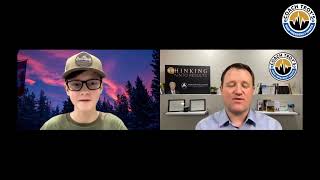
RECORDED INTERVIEW WITH BRIAN PROCTOR!

Brian Proctor discusses his new book about his father Bob Proctor, which took four years to write. The book's title came to him in a 3am dream six months after Bob's death and centers on the idea that his father knew the secret. Brian shares two core lessons: the impression of increase (MMFI, Make Me Feel Important) he learned at nine, and the hourglass metaphor about living fully in the present.
Questions this video answers
About four years before the interview.
Nine years old.
Bob Proctor was given Think and Grow Rich in October 1961; Brian was born in December 1961.
Around 72 years old.
Chapters
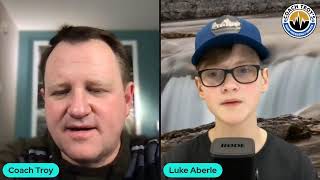
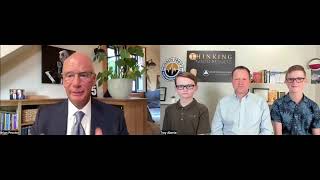
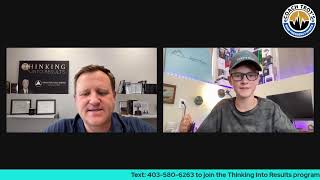
Welcome, everyone. My name is Troy Aberly and I have both my sons here, Luke and Everett, with me today. We get the opportunity to welcome someone really important to our life, not only because of himself, but also because of the work that he's done with his father. Brian Proctor has worked with his father for over 30 plus years. And, you know, it's just with a ton of privilege that we get to talk to you today, Brian, about the new book that you just came out with and reading through the information we have so far and studying it like a scientist, as your father would say. You know, we're going through this material and it's just an honor to be able to talk to you and hopefully inspire other people who are trying to figure out, you know, who was Bob and and Brian and what's the information, what's the clues that could really help steer people's lives differently? Because for my own self, ton of impact, I am a consultant for Bob Proctor and the Thinking and Results Program, and I actually do it alongside Luke that's 14 years old and we've been doing that for a couple years, but also now Everett. So, Brian, without further ado, welcome and thank you.
Well, thanks very much, Troy. Thanks, Everett. Luke, it's, it's great to be here. It's fun to share and I appreciate you guys inviting me on.
Thank you so much for coming on today.
Yeah, thank you. And I think it'd be fun to be able to, if people are watching, you know, grab your children too, because the information I think is so cool. I get to work alongside my kids in our business. But, Brian, you've got to do the same thing, which is really, you know, encompassing so much information inside the book. And I think there's a lot of information we can go through to talk about things that people maybe didn't know about yourself or Bob and your family and be able to take a look at that. And so my question, I guess right off the start is, who did you write the book for?
What made you write the book and who was it for? What were you hoping to do with it?
So I really wrote. Well, I'll tell you where it came to be. I started to write this book about four years ago. So my father was alive when I was writing the book. He knew I was writing it. He really liked the idea. It was one day I was talking with my wife, Corey, and I said to her, I said, you know, I really have this urge to write a book. My father always said, everybody's got a book in them and I thought, you know, I have lived this life with Bob Proctor as a father, and I thought, boy, I've got so much I can share. And I said I wasn't quite sure what I was going to do or what I would write. And, And Corey said to me, she says, brian, she says, every seminar you're at, I mean, you know, we, we held hundreds and hundreds of thousands of seminars. She said, everybody comes up to you and is always asking, what's it like to be Bob Proctor's son? And I thought, wow, that's really it. That there's the answer. That's what I can write about. So I started to write this book as what I learned from Bob Proctor as a father. The secrets, the stories, the, the lessons that he taught me as his son. I thought, it's going to bring a whole different perspective of who Bob Proctor is. So I started to write it. And dad knew I was writing it. He thought it was a great idea. I didn't know what the title of the book was going to be yet. At one point I had Living your best life was kind of on. On my brain. And none of it felt right. It just didn't, you know, it didn't seem right. And dad always said to me, says, Brian, just take your time. Take your time. You know, it'll come when it's supposed to come. And we would share things that I was writing about, and I would, I would send him a couple of paragraphs. He loved what I was writing then. Then he would add things for me, would say, well, remember when this happened? Or when that happened. And it was a lot of fun for the two of us. We're both early morning people. We were both always got up early, so, you know, it wouldn't be unusual for the two of us at 5am in the morning, be on the phone chatting with each other. And so, you know, we, we got to relive a lot of things and, and it was a. It was a great experience. Well, then he, he passed away. And it was a tough, tough time when he passed away. It took me months before I could start writing again. And that first chapter that you mentioned, that was the first thing I wrote after he was gone. And it took me a little while before I could get there. And it was, as you can imagine, that was a very, very hard chapter to write. Um.
The title of the book, interestingly enough, came to me probably six months after he was gone. Um, it was the middle of the night, 3am I was having a vivid dream of my father, which Was kind of cool. Um, and then I woke up with a clear head. My father knew the secret, and it was just like, it was so clear to me. And I actually got up and wrote it down because, you know, in the middle of the night, sometimes you can forget what was going on in your head.
And.
And so I got up and wrote it down and it just felt so right. And I swear it was my father, you know, giving me that as a gift. Whether it was or not doesn't really matter, but it felt right. And I knew instantly that was the title because, you know, for everybody that's watching this, you know, Bob Proctor was a pioneer in the self development industry. I mean, he started in the 1960s, 1970s, when nobody was studying personal development and, and it was a tough thing to sell. Nobody wanted to take part. They all thought it was woo woo, and you know, what is that all about? Well, it wasn't until he was 72 years old that he really became known around the world. And that was because of the movie and the book the Secret, that propelled him to a whole nother level. When that came out, that's when he got on Larry King Live, Ellen DeGeneres, Nightline, all kinds of shows, and more people in the world became aware of who Bob Proctor was. So I thought how perfect to tie that all in that the, you know, the movie, the Secret. Well, I really feel my father did know the secret. And I know he taught it to me and I know I'm living it. I'm living what I would consider a charmed life because of what I learned from my dad. Dad never gave me anything, but he gave me the tools to live my best version of me and to live a great life. And so that's, that's kind of where the book came from and how it came to be. Who my audience is, is anybody that's looking for a better life. That's it. If you know who Bob Proctor is, you're going to love this book. If you don't know who Bob Proctor is, you're still going to love this book. You're going to realize that what we're capable of and what we can do in our life is so much greater than what we can, I can even imagine right now. And this book will show you how to live that better life. So this book is really for anybody that wants to improve their circumstance, improve their life, do better in the world. That's it. That's, that's the audience.
I really love that. I would agree with everything that you said To Brian, it. If you don't know who Bob is, but you have the, the inclination that there's something better, you're trying to figure out, you know, just how to get a little bit more vibration, a little higher frequency in life and figure out some of the tricks that people have been able to do that I think that's really important to pay attention. Now. Guys, what do you, what are things about the book, about Bob's teachings that really stuck out for you?
For me personally, I always thought that Bob, you know, he was, he seemed like just, you know, through his videos, his seminars, even thinking through results, he seemed very kind hearted, but also strict in a way to actually, you know, getting your point across and actually making sure that, you know, the person on the other end really understood what the assignment was. And that's why I loved how he talked to people in a way that was, you know, not just, you know, throwing a bunch of information on someone but actually guiding them through and saying, hey, this is, this is the way that I've. All the teachings that I've learned from Napoleon Hill and all the things that he's done, but also, you know, guiding people. So I love that way and I also love through thinking, thinking into results, the ways that he's helped, you know, people around me and also myself. You know, when we've done, you know, lots of the different courses and masterminds together with Bob Proctor, everyone there in our courses and stuff, you know, they've all had different goals but in the end everyone came together to help each other. Bob, you know, made such an inclusive space that was super kind hearted, but also really brought a lot of knowledge to the room so that people started helping each other. Right. It wasn't just someone speaking to someone, but it was everyone helping each other in an inclusive space. And Bob really created an environment for that.
That's great, Luke. I love that. I love that. Yeah, I got it. I got to give you guys both. Troy, you, you have two incredible kids here. I know you're not kids, you're young men. But you know what? It takes guts to sit here and to do a recording that's going out to the world, to, to, to others out in the world. And, and the fact that you guys are willing to do this and grasp this kind of knowledge, it's impressive. I love it.
Thank you very much.
Thank you. How about you? I really like the part where Bob gave the impression of increase to people and I've really learned from that. So I always try to do that to people.
Around me too, Everett, that, I got to tell you, is probably my favorite lesson. Without a doubt is my favorite lesson.
Yeah, that's really good. We try to be a product of the product, like Bob would say. Right. And it's. When I first heard that, I didn't even understand it yet. But then when I realized that, you know, taking a look at what that product really is, the way I show up or the person that I'm showing up as, and if I'm going to talk about involving your family and helping people with business and their. The way that they. The way that they operate, I have to be doing the same thing. So it's very important.
Well, you know what, if you don't mind, I'd love to share this whole impression of increase, please. Yes.
Thank you.
You know, Everett, just you saying that just warms my heart and I'll tell you why. I learned about the impression of increase when I was nine years old.
And I share it in the book. When I was nine, we had just moved to Chicago. Dad was just going to start to work with Earl Nightingale. I think it was around 1970, 71, somewhere in there.
Probably 1970.
I had. I was born in Toronto, so I started school in Toronto. Then we moved to England. So I started a new school in England. Then we moved back to Toronto at a different area of Toronto, so I started a whole new school in Toronto. Then we moved to Chicago. So by grade four, I'm already. This is my fourth school. I was forever that new kid in school. And, you know, I don't know if you guys have ever been the new kid in school, but it's kind of awkward and. And I'll never forget. I can't remember where I was sitting. You know, dad often talks about his vision, how he created his vision in the den on Maplewood Lane in Glenview, Illinois, about, you know, consultants and people teaching this material all around the world. Well, it was in that very den that I was sitting with dad, and I said to him, I said, dad, about to start school. I hate being that new kid. I'm nervous, you know, And. And this is when he taught me the impression of increase. So I was nine years old, he said to me, he said, brian, he says, all you need to do is put these four letters across the forehead of anybody you're talking to at school. Mmfi. And what that stands for is make me feel important. He said, if you can make the person that's standing in front of you feel important, feel seen, feel heard, you are going to create what's called the impression of increase. And the impression of increase is leaving those you come in contact with feeling better because they were in contact with you. So I started to do that. I made friends so easily because I wasn't focused on me. I was focused on them, and I was interested in them. I would ask them interesting questions. I would maybe pay them a sincere compliment, but I was always interested in them. And when you can be interested in someone else rather than trying to be interesting, you're going to get on the world in a much better way. The funny thing is, I didn't realize until I was in my 20s, I was in real estate selling. I was a real estate salesperson. And my first year in the business, I made it to the top 100 internationally for a very large real estate firm. And I was only 26 years old. I was at a real estate seminar in Palm Springs, California, or Palm Desert, right next to Palm Springs. There was like 2,000 agents in the room. Well, the fellow that was hosting this, his name was Mike Ferry. He was a real estate trainer. And I was sitting in the very front row, and Mike had heard what I was doing, and he knew I was a rookie. I was just new in the business. And he invited me up on stage. I was a little kind of off, but I wasn't quite sure what was going to come. And he asked me what was my secret. And that's when it took me back to when I was nine years old. And I explained to them the impression of increase in the whole mmfi. And I said, I've done that all of my life. I think I was doing unconsciously, but from that point on, I realized what I was doing and I started to do it consciously. I became even better at it. I was a success in real estate because I made everybody I was in contact with feel better because they were in my presence. And because of that, people wanted to deal with me. They wanted to refer their friends and family to me. I had so much business coming my way because people enjoyed dealing with me. And that impression of increase in my eyes, that's one of the most important things that dad ever taught me. So I love that that's an important thing for you, Everett. I think that is a beautiful thing to know as a young man. Yeah, it is.
Thank you. When we go to a store or we do business with somebody and somebody's done something, well, most of the time, if you phone there quickly on the Bluetooth and you want to report back to the Starbucks, IT person or somebody to Say, hey, you know what? So and so did a really good job. Most of the time they answer the phone waiting to be yelled at. And so we've always said if we can impact that person by giving the impression of increase with a, you know, compliment, that person then will have that effect on so many more people.
Exactly. Throughout. You know, the cool thing with the impression of increase is when you can leave somebody feeling better about themselves, you have no idea what's going on in their life and you could potentially change the course of their day. But even more importantly, and you guys especially, you're teaching people how to live a better life, you could potentially change the course of their life by leaving them with an impression of increase. It's a powerful thing.
I think it's one of the most powerful things I've ever learned from, from your father and, and I'll continue to live by it. It's the opposite of just being selfish and not doing it doesn't feel very fulfilling and you know that it's not adding any value to the frequency of society.
Yeah, yeah. Well, you know how often you catch yourself if you're at a party or out somewhere and you meet that one person and all they're doing is talking about themselves, or if you say something then they'll say, oh yeah, I did that too, but I did it this way. And they're one upping you, you don't really care to talk to that person for too long, you know, Whereas if, you know, you meet somebody that's actually interested in you and is asking you interesting questions, but you like that person, you want to stay and talk to that person. You know, it's common sense that most people don't really give thought to.
I love that. It's so true.
So true. Brian is, you know, I know you and your dad were very close, obviously over 30 some years of working together, but also, I mean, obviously you've known each other for 60 years. What would be the most inspiring thing that you learned from your father up to that point? Is there, is there a single thing that always just.
Boy, that's a tough one. You know, here's the interesting thing. Dad was given that book Think and Grow Rich in October of 1961. I was born in December of 1961. So I was literally with him the entire journey to land on one particular thing. It'd be tough.
I guess, if I was to land on one thing in particular that I lean to. And it's something. I start the book off with this and I end the book with this.
Is.
How would your life be if you were the best version of yourself every day? That's it. If you were the best version of yourself, if you're the best version of yourself, each and every day, you're going to find that you will do more, you will accomplish more, your relationships will be better. Everything will be a lot better. If I'm to give one thing, that would probably be it. And I think the re. I can share it with you. Dad always in seminars, always brought out an hourglass. And he has been doing this since I was a young boy. I was. I was younger than you guys. I remember going to seminars and Everett, I was younger than you. I was so young. As a matter of fact, there were evening seminars that eventually I'd crawl underneath the table and go to sleep. So how long I've been going to the seminars. But dad always had an hourglass. And there's a very, very valuable lesson in this. And you see in the COVID of the book, I have the hourglass. And that is because that was such a prominent thing with my father. There you go. So dad always said, he had a great statement. He said, you cannot change the time you got out of bed this morning. I loved it when he said that from the stage. And you'd look at that and kind of chuckle or think about, you know. But what he meant by it is that whatever's happened in our past has happened in our past. There's nothing we can do to change it. You can't change the time you got out of bed this morning. It is whatever it is. So he would bring out an hourglass, and he would say, the sand that's at the bottom of the glass is our past. It's already. It's already been here and done good, bad, indifferent. It's part of our past. We can't change it. It just is what it is. And he said, the sand on the top is our future. We don't know what the future holds. All we have is what's here right now, what's running through the glass at this exact moment. And he says, if we can be the best version of us right now.
Welcome, everyone.
Sa.