Cybersecurity Resume Workshop
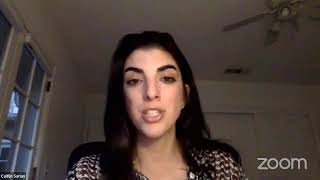
Caitlin Sarian and Kay walk through resume basics for cybersecurity jobs: use action verbs and metrics instead of buzzwords, keep it to one page if possible, and tailor each application. They cover ATS optimization, networking on LinkedIn, and why a short hook about yourself matters when it's genuine.
Chapters
Preparing live stream. Oh, let me just go on my page and see where. Where we are with it. Perry livestream. Oh, no, it's okay. We've said turn the volume off. Let's go on my page and see. Okay, volume is off, and it looks like it's working, but let me just double check. Here we go. Boom. Done. Okay. All right, we can probably start. I don't know how many people are on this. It looks like a few, but. Or we can wait a few minutes. Just talk. Chat the chat, you know? Up to you.
Hit the chat. Shitty chat, chat. Get hydrated.
Stay hydrated. Do you know what I realized today is that I constantly am drinking, like, something. Like, I'm drinking either water or fizz or tea or a protein. Like, there's literally, like, three cups or four cups around me every day. And when I'm in any meeting, I just. Like, this one, this one. And I realized that no one else eats or drinks when I'm in meetings. Have you realized that?
Yeah, I, like, nobody actually eats. But I do remember when we worked, like, together in person? It was just, like, you would come with, like, an army of liquids, and I started doing the same. I literally have, like, I have sparkling water, and then I have regular water, and then I have my tea, and then I have my coffee cup from this morning. Like, I got made fun of while in a meeting because I pulled out three different types of, like, liquids.
I don't know why more people don't do that. Because honestly, like, all day in calls, and then, like, I have to run to the restroom, but I'm like, if I don't have them around me, I won't drink anything, and then I'll just die.
Yeah, you will literally die on camera in the middle of a job.
I will. I'll just. I'll just kneel over, like, fall asleep. But anyways. Okay, I think we could start. I'm glad I'm not the only one, because I realized that today I had this outer body experience where I just saw myself on the video drinking, like, eight things, and I was like, why have I never seen anyone drink any liquid? Like, sometimes.
No, it's true. Because I'm always the one, like, taking a sip, and I'm like, nobody else does. But I know people have to stay hydrated or eat because otherwise, like, we'd all be passing out on camera.
I know. It makes no sense. Okay, so I think we're good to go. For those that are on, welcome, I'm really excited to have this resume workshop. It was requested by like a bunch of people. And also one of the number one things I get asked on my channel is how to get a cybersecurity job. And one of those things is a resume. And I know it sounds so stupid and cliche, but honestly, a resume really does, like, make or break a lot of, um, a lot of things. So I have my bestie K on, who's also a badass be. Be. I. Oh, this is. I already said this wasn't for kids, so I can say bitch. I think I. I think I can say bitch. I don't know if it'll be, you know, I don't think it has that technology. Um, but she's a badass bitch. And she also heavily recruits for her company as well. So I wanted to have, you know, two different perspectives, not just my own, because, you know, I talk a lot to you guys or maybe talk at you and not listen to you. At least I try to listen. But I will, I'll let her introduce herself. And Kay is also an amazing person. I work with her. We work at different companies now, but I work with her forever. And she is also really, really trying to get more women in STEM just like me. So. Gotta love, gotta love that. But anyways, I will let you introduce yourself, Kay, because I can go on and on about how awesome you are and we don't.
Please, please always do. Always feel free to.
But.
Hi everyone. Thanks, Caitlin. It's nice to meet you all. So as Caitlin said, I am also in cybersecurity. I have been in the industry for about seven years now and have various backgrounds within cybersecurity, working with vulnerability management, data protection, security monitoring, cyber strategy.
All.
Different things within cybersecurity and love all of it. So I'm here today because, as Caitlin says, I have been involved with recruitment.
In the past for my companies and.
And I'm really hoping to give some insights of just like how to help build your resume, how to really pursue the necessarily know about. So I'm really excited to be here. And yes, women in stem, women in tech, and just in general, more people in tech. There's so many different ways to pursue cybersecurity or get into the tech industry and I would love the opportunity to just get more people involved because obviously I'm very passionate about it. Caitlin is very passionate about it and I think we, I think we want you to be passionate about it as well.
So.
Hello.
Yeah, I know we want you to be passionate about it. I used to go through interviews and people would Be like, wow, you're really excited about this. And I was like, I don't know what, like, it's like, I don't know why I'm this excited about it because, like, God knows this kind of can be really boring, but I get really excited about the thought of like helping others, either whether that's a company or whether that's you guys. And so I'm really excited to be here. And I don't think this is going to be very long. I think it's going to be like a 30 minute thing. I already talked to Kay about it before. I was like, look, we're efficient people. Like, that's why we're great at what we do. We know exactly what we need to do and we do it. And so I said the agenda out earlier. We're going to go kind of through top three to top five things that we look for in resumes that really will make you stand out. And then this is not like a official thing. This is more of like a kind of podcast vibe. And then we're going to go through top three to five, like resume like downfalls or like pitfalls that you might say that like, when we see this, we're like, no, we can't have this person. And then also just maybe like, top tips on how to one, get your resume to the right people and two, like, make yourself stand out to the correct people. Because we all know that it's very easy to do the Easy apply on LinkedIn, but that really doesn't usually work. Um, so we're going to go through our tips on how you can get your resume in the right hands to hopefully get you to that first job interview. So with that, I'll start off with K. What do you think, like, when you first see a resume, what's the first thing you look for?
So first thing I look for is how easy is it to read? Is the actual format, you know, is it very comprehensible when I open it up? Like, do I know the candidate's name, their background, like, their skill sets, like, all of that? It's just the flow of the resume or if, like, it's really jumbled up and it's hard to kind of read, like the font is weird or like, it's not really comprehensible from, like beginning to end, it can be really difficult to read through. So number one thing is just like, how easy is the format to follow? Can I read it in a very, like, comprehensive manner? What about you, Caitlin?
Number one, I agree with you, like, obviously, if it's like all scatterbrained, I can't do it. But I am looking for like a personality. Because this sounds bad, but like, I kind of view resumes as like, like a online profile, like a dating profile. Like, if I'm not going to be interested in dating you, like, I don't want you on my team not dating you, but you're looking for a match, like meeting you. Like, I don't think, like, think about it this way. Like you want to work with people that you're like, similar to or even like that can push you or whatever. Like, you kind of look for like a personality. And so the first thing I'm looking for is like, who, who is this person? Like, who are they? Like, is this, is this someone that I could work with? Like, and that really brings in like some cool resume fonts. Like the boring resumes, like really gots to go, you know what I mean?
The Times New Roman throughout. It's not for you.
No, it's not. So I base my resume on. There's a, an old Yahoo CEO and if you Google like Yahoo CEO resume, it'll come up. But it was like this cool purple and I can probably bring up my resume too, but I don't need to. But it's awesome and it's like it like shows a day in her life and like it really gets me to like understand who this person is. Like, you don't have to go that elaborate but like, I really want to know who you are as a person, you know? So that's the first thing. What about, what other things do you look for?
So the second thing is that are they in a way a match? We're talking about dating profiles, but are they a match for this position? Have they highlighted their relevant skills or experience for what is the position about, like what they're hiring for? Like, that's really the number two thing is like, is your experience, are your skills in alignment with what the position that is open and recruiting for? Because, you know, if, if I see a great resume, but it's someone who is probably applying to be a chef, then probably not going to be the same skill set as someone who's going into cybersecurity. So I really want to make sure that the skills are in alignment and it doesn't have to be a one for one, but just something that is relatable to what the position is hiring for. And then I'll skip to like my third one too. Number three is kind of actually your number One is getting the sense of the personality of the candidate. So, like, what are some of the things the candidate maybe likes to do outside of work? Or do they appear to be very driven and ambitious and, like, passionate about whatever kind of field they're applying for? So is it something that they. When I read a resume and I'm reading it, is it something that they're applying for just as a job, or is it something that this candidate really loves to do and that just shows through their personality? You know, what. What is that person doing on their downtime? Like, how. How do they interact with the world, so to speak? But those are my two and three.
Yeah. So I kind of switched those. I did the opposite. Where I said two is like, I want to see what they're passionate about. Like, I want to see what really gets them going. And I would hope that what gets them going, some of it, it's not just outside of it, but, like, I hope that I can read their passion from the page of, like, how excited they are about this field in this subject, which I know sounds really cliche, but, like, there are a lot of resumes where I'm like, I'm excited reading them. I'm like, this person is awesome. Like, they have, like, clearly passion for, like, doing certain types of tech or cyber work, and then they also have, you know, X, Y, Z outside of work. So, like, that's cool to me. And I literally wrote like, passion on my. On my number two. And my third is like, the experience. But it's not just like. It's not just like, oh, you know, stating the buds or it's like, oh, I. I manage like a global project. It's like, how do you do that? Because you see so many resumes where you're not seeing people actually specifically write out what they have done. Like, obviously you're trying to be as succinct as possible in a resume. You're not trying to, like, write an entire paragraph, but you have to use action verbs and, like, show me what you've actually done. Because there are so many buzzwords that, like, get thrown around in resumes that I'm like this. Sometimes when you use too many of those, it seems like bs, in my personal opinion. So explaining your experience and making sure that experience actually matches the job description. Because we get so many because of there's easy apply, right? You get so many that people just drop it in. And the experience is there, but it might not necessarily meet that specific job experience. So I think those are our top three. I Mean anything else, like, for, like, what you really look for. Obviously, we'll go through pitfalls, which is, like, what we don't. What we, like, are, like, ooh, about. But any. Like, was there ever a resume that you're like, damn, this was, like, really good, and it was good because of, you know, xyz, or was it just because of those three reasons?
I would definitely say it's like, there's always, like, other things you can do to, like, kind of, like, demonstrate and, like, stand out in the crowd. But, like, when I look at resumes, it really is like, those first three things of, okay, is it easy for me to read? Does this candidate have the experience and skill set that, like, I'm looking for or the position is looking for? And finally, like, who is this candidate as a person? Like, if you can hit those three things, like, right away, then, like, I'm hooked. Like, I want to learn more, and I'm going to read through the resume even more than maybe if, like, it's hard. Hard to kind of, like, read and it's not comprehensible or the skills don't really align with what, like, the position is, or, you know, the person just, like, doesn't really jump out on the paper because it just. It looks like they're just dropping a resume out of, like, 100 positions that they're trying for. So, yeah, I would say those are the top three.
Yeah. And we actually got a question from Shelby, and it says, are we supposed to have an About Me kind of section or something? What if hobbies outside of work are not related to the job? Should we include it? So that's a great question. I think it really depends on the reader. I like a quick like About Me section. For me, personally, on my resume, I wrote, like, proud engineer and cyber nerd. Like, that's what it. Cause that's how I define myself. Like, I love that, but that's, like, kind of like a click About Me. That's not like anything else. I think About Me sections are really important. If you're not submitting a cover letter, if you're trying to show that you're perfect for that type of job. So if you're doing an about me and there's, like, not really any experience that you've had that matches with the job, but you're really passionate about it, that About Me section can kind of succinctly say, like, oh, in like, one or two sentences. This is why I really am intrigued about this job. So if you're a new like person into cybersecurity and you really don't have the experience yet. But you know that you want to be in cyber for xyz. That's when I think you should do an about me section. Otherwise I still think you should have like one sentence, like a hook of like who you are, like what best defines you to put it at the top of your resume. But that's my opinion. And then the hobbies outside the work, that's not related to the job. I think if it's like a big hobby like that you do a lot and you're really passionate about it, then I definitely think you should include it. Like I put that I love traveling because I've traveled and Kate has to. She's travel around the world. She worked in the Netherlands and I worked in the uk. So I put that on my resume because that is part of who I am. But if you say like I love traveling and you've been to like one place, you know, like you want to make sure that you're like really passionate about that extra hobby in order to put it in. So that's my opinion. Okay. I don't know. The first one was about me section, the second one was the hobby section.
Yeah, I think both are great questions. So for the about me, I would agree of if you're kind of new to cyber or any type of tech job and you want to be able to demonstrate that you're really passionate about it, even if you don't necessarily necessarily have an extensive like experience, having a very brief about me can be helpful because you don't want. What you wouldn't want is an about me section that takes up a lot of prime real estate where it's like you have a full paragraph of like, you know this much about you on like a page that is this much or like it. It takes away from like your experiences. If you haven't experienced extensive about me and most likely the recruiter, whoever's looking at that resume, they are going to be looking at it very quickly and they're not going to have time to read, you know, seven, eight sentences in your paragraph. I would actually use that about me section on your LinkedIn profile instead. That way you can give like more buzzwords and recruiters are going to read those versus like prime real estate on a one page resume. As far as like the extracurriculars, I think that like it's good to show your hobbies on there. But again, like thinking of this one page CV or resume as like prime real estate what you want to use it for. Again, I wouldn't do like five different, different hobbies that show your personality, maybe under your skills, you can say, you know, is proficient in Excel or PowerPoint and you know, skydiving instructor on the weekends. Like some small bullet like that can draw someone in because it puts you above the crowd. And that's. That is the purpose of the hobby section or whatever you want to say is just like, draw their attention quickly. But don't go too extensive because you only have so much space on your resume for it, right?
You want to give some people, the recruiters like, a reason to connect with you. So, like, that's why, like, if, again, if you Google the CEO of Yahoo, like she has like a day in the life chart where she's like a quarter of the day is this, like a fifth of my day is this. And it like, tells you like, what she does besides work. And it kind of gives you a reason to be like, oh, well, I can connect. I mean, obviously she's a CEO. Yeah, she doesn't need a job. But like, you get what I'm saying of just like, it gives you something to connect to too, because you're like, okay, not only do we share passions about, you know, what we're doing and like, you know, the jobs that we're doing, but we also can, like, connect on different levels as well. So you really want to make sure that you're like, trying to connect literally, like, it's a dating profile, your resume, like, you're trying to put your best foot forward. So that was a great question. If there's any more questions, feel free to do, drop them in the chat. And also if you're in the chat, introduce yourself to everyone. Like I said, this is a community and Kay is obviously officially part of the community now. But I really want people to start, like, recognizing the same people that are showing up, like, just, just being there for each other. So introduce yourself on the live chat. We will give you shout outs and say hi, but the next thing we're going to do is the pitfall. So these kind of also relate to what you. What we want. Because usually the pitfalls is like the drastic difference of like, what we want and what we don't get. So they're very similar. But Kay, what's like your number one pitfall?
Oh, number one pitfall is grammar. If I see any type of misconception, spellings, or run on sentences, it's such a, it's a downfall for me mainly because like, number one, thing to do before you submit that resume, run a spell check. Even if you're super confident that everything's correct, just run it. Because half the time, like, it will pick something up. And even if you don't notice it, a recruiter will. So if you have misspellings in your resume or run on sentences or any, any type of grammar problems, fix it. It's like one of the biggest downfalls and negatives for me.
Yeah, for sure. The funny thing is I'm actually terrible at grammar. Like, I'm an engineer. I'm not good at English. You're a lot better at English than I am. And like, a lot of my stuff is, like, I coded it myself and so it's not on word. So, like, it's not easy for me to like, run spell check. And the amount of times I've changed it, like, over the years, I'm like, I know that there's grammar issues in mind. I. I'm not too harsh on that. As long as there's not like a bajillion of them. Like, if it's like a glaring one, like, right at the front or like, you know, some of the, like. Cause obviously as a recruiter, you don't like, get to like, full on sit there and like, read it like a book. You kind of scan and you scan over everything. And like, if I see it when I scan, then that's a bad thing. But yeah. So I think my number one pitfall is like, just, this sounds bad. I just, I guess I'm just not like, I just don't like boring resumes. Like, I really just want a spicy resume. I want a spicy resume. Yeah. And so I think my, like, number one is just like, if I don't understand who you are after scanning it, that's like a big issue to me because then I'm like, who is this person I'm even going to be interviewing? Who is this person I'm even going to be working with? Like, I want to know. So. So that's my number one. Grammar is obviously an issue. Oh, actually, no, I lied. My number one is when they're too long.
That's my number two. I say stick to one page. I know there's like some debate about, like, one or two pages. I personally, it's always like one page. For me, it's hard to read the second page because again, you're going to be looking at resumes quickly or like, you're just reviewing them and you want to be able to read it in a very concise manner. And so being able to have it on one page, your experience, that's very tied to the job. I don't really know if there's one job out there that would like require like 2, 3 pages of a CV. I think if you can stick one page and make it valuable and impactful, you don't need to worry about having like a second page.
See, I'm gonna. I have a two page resume. Yeah, I do. I like mine. And you know what? I'm okay with it. I've seen like four pages though. And also I will say this, I only had a two page resume after seven years being in my career, I only had one page like all through college and after, obviously after college and one page, like up until like five plus years, I only had one page. Because honestly, you don't have enough work experience. And don't try dragging. I know that I used to do this, I said one page. But like don't try dragging all of your college stuff in there. Like it really is not that big of a deal unless it's like directly out of college. So like that was one way I was able to condense it, is take that stuff out. Unless it's also like an internship. And even the internship I like, I didn't write that much after because like after 10 years, like why do they care? It has nothing to do with the job that I'm trying to get. So like if you're trying to really cut it down, like don't add your college stuff. If you're a lot of. I think most people are like kind of brand new into this. So you should have no reason to have more than a page. Let's just blanket statement. You only need more than one page. Maybe if you're like 10 plus years out of it and you have like crazy work experience, like, hey, I do think that like in a few years you could easily make this a two page resume. Not that you could.
I could make it a two page. But the thing is, is I just. For positions that you're applying for, you want to make sure that you're, you're speaking to relevant experience.
Right?
So that's why I try to keep it to one page. Because for now, like if I go back like 10 years, it doesn't make sense. And I'm, I don't even know if moving forward, depending on like positions I would go after if having a two page, like if what if what I did right out of college would really apply for that, that job. So I'm traditional I stick to the one page. But you can be happy with a two page as well.
Yeah, I don't have anything more than 10 years back. I just. I don't know. I have a lot written of like all the. Because I do think that, like, obviously a lot of our past has led us to where we are. And so I want to make sure that I am like, including the relevant details and within like what I've done in that section. So I don't care if it's two pages. Unless you're like a new hire or like someone at a lower level and you have more than two pages or like more than a page, then I'm like, this is a little much. But like, yeah, also make sure that you include relevant information, like case of relevant information to the job. So someone asked me earlier on I went on TikTok live about this resume workshop just to remind people. And someone asked me about, you know, can they put, you know, college stuff into the resume? And I'm like, obviously if you don't have a job before, like, I think it's good. But make sure that whatever you're doing in college, like, it somehow relates. Yeah. And if it doesn't relate, you can add like one line in there saying like, oh, because like I was, for example, a tour guide that doesn't relate to my job at all. But I wanted to be like, yeah, I was a tour guide. Like, that shows that I have a personality that I like love talking to people. So I added that as a one line. I'm not going to add like a bunch of details about being a care guy, but I also worked in the wind tunnel lab as a researcher. I'm like, that. I'm like, I had relevant, relevant experience. So I added like a few bullets, like back when I was doing tech consulting. But like, if you're doing stuff like that, like, just highlight what you do in school and highlight leadership experience. Yeah, leadership experience is key for that. So especially right out of school, like, I don't just put clubs in because you are part of the club. Like, I really could care less about what club you're in. I really only care if you held some type of leadership role or if you participated in some type of event where you like did something other than just show up. Yep. But that's my opinion. What about you?
No, I would agree with that. It's just when it comes to. Look, we've all been there, like first job out of college or even like when you're in college trying to get like an internship. Like you don't really have that much experience to draw from but like you do have some and you want to be able to fill your resume up with those experiences to really like show and demonstrate like your capabilities. Like you want to be able to demonstrate you are a leader and that you are ambitious and you're driven and like that should be reflected in the activities you're putting on your resume. Especially if you don't have like an extensive amount of experiences to draw from. Which actually leads me to my number three. No, no. Is having these buzzwords that I know like you previously discussed, Caitlin, of just like using language that is like not very specific, kind of ambiguous, but sounds great. And we've all heard of like efficiency, effectiveness, synergy, big data, like those kind of buzzwords and like they can be interesting to draw someone in. But I would rather be able to know that you're an ambitious, driven leader through the actions on your resume than you just self identifying as an ambitious driven leader. More of a show me how you're self motivated. Don't tell me you're self motivated.
Like an action speak louder than words but written on like your actions written.
Yeah, the resonantly on an equivalent of action speaks louder than words.
Right, Exactly. Because again like we see so many and like of course like people are smart, they want to show that they do everything and they also want to hit those like high level topics to make them seem whatever. We all do it. We're puffing up our feathers like a peacock. It makes sense. But yeah, we want to make sure that we're actually like showing how we're doing that. Not just you know, saying it and walking away. So I think for me it was like the way I did that was like action verbs. Like I was like demonstrated or led this by doing XYZ or you know, dealt with the difficult. I mean I don't write it. This is not like an example but like dealt with a difficult client by doing X, Y, Z, like just showing that you actually know how to do it. So that. Yeah, I, I think I really only have like a few pitfalls. And yeah, those were. We kind of covered everything. So that makes sense. And we're running like perfect on time. We have like it's 58 pass so we'll be a little bit over. But I didn't ever, I didn't actually tell people it was 30 minutes until the front. Also I want to say, and I think this is, I'm speaking on behalf of both K and I, like we have Worked at a lot of different companies. And what we're saying right now, obviously like it helps like we're reviewing resumes and picking people out, but it's not the, our company's, I guess, you know, we're not representing our company in this at all. Like this is our own personal thing that we've like these standards are like what we've developed over a long period of time as we recruited people at different companies. Like we work at different companies now. So what we're saying is not representing it like any of our companies in any way at this point. We're just speaking on behalf of like what, what we do. Just wanted.
Yeah, I think it's, it's important to note like and even just through this conversation you can see like I'm a one page kind of girl. Like Caitlin is a two pager. Like there is always going to be just some conflict there depending on like who's reviewing the resume. And I think it's important to kind of see what Caitlin and I are saying are more of like high level tips and advice. It's again, we can't guarantee anything from this conversation because you don't know who exactly is going to be on the other end of the review. But this is just some of our advice and our like personal, personal opinions.
Right. Definitely the personal opinion. Someone wrote those traditional words like adaptive, creative, thinker, et cetera are bad. Correct? I'll let you answer that. I don't think they're bad, but you have to show like why are you adaptive? You can't just be like I'm adaptive. Yeah.
So I would say they're not bad. But it's one of those things of if I put on there like self motivated speaker. I mean you can read that line and like you say, oh, Kay's a self motivated speaker, but it doesn't really drive the point across. But versus me saying like going on Caitlin's YouTube and being able to talk to others and give advice about like how to update your resume. Does this all the time and has done it at 50 different conferences. Like that drives more of a point than me just saying I'm self motivated or anything of that sort.
Yeah, like give metrics. So I was talking to someone earlier about how to. Because when you get into jobs you have to do a year end review. Right. And the first year I had no idea how to write. I did not know how to talk myself up. And I think we're actually going to have a conversation about year interviews maybe like in future trainings Because I think that's something that everyone needs to learn and I talk to a lot of people about it. But like when you do a year end review, right, you're talking about, oh, you know, I, I'm part of this team. Okay, well, what does that mean? So you participated on the weekly calls, you helped set up this one event. Like, like you're giving numbers and specifics of what you've actually done rather than, oh, I'm, I'm on this team, or I'm, I'm a part of this, or I'm a leader on this team. Okay, what does that mean? So you can use those words, but how are you adaptive? How are you a creative thinker? What have you been doing to actually, like, why, why do you call yourself that? Creative thinker? Like what, what makes you define that? So that's a great question, Tiffany. Okay, the last things which I think are the most important is what do we think is the most helpful to get your resume into the correct hands?
Good question. So I would say to get it in the right hands first, be strategic. You know, don't be applying or I would advise you not to apply to over 100 jobs and just do that. Easy apply. Click, click, click, click, click. Yes, it's really easy to do, but it's not strategic. I would say take the time to apply to three to five jobs and tailor your resume to it. Make sure that it really represents who you are, that you are ready for this position. And like be strategic about where you put your resume and getting it into the right hands. And then also I would say like, it doesn't hurt to just go on LinkedIn and find someone who works at that company that you want to work for or has a position that you one day want to have to and connect with them. Like ask them for a 15 minute virtual coffee, talk to them, pick, pick their brains about like what their career experiences have been like and just start networking. Because one of the best ways you can get your resume in the right hand is just through networking. What about you?
Yeah, I agree. Also if the people are watching, like, give this a thumbs up because I think this is like very valuable and I'm just trying to make sure that this gets to the people that need to hear it, honestly. So yeah, give a thumbs up when, when you get the chance. But I just want to get this to again, like I said, as many people as possible because there's so many people that are struggling with it, so many people that are wanting jobs and like K is A boss, bitch and a genius when it comes to this stuff. And I just want everyone to understand and hear different perspectives. But I agree, like, I, I'm one of those people, like, if you want a job, like, go after it, don't just mass apply. And I'm, I'm also not going to like lie. I did mass apply a lot. Like in college I did mass apply to the jobs I didn't really care about and then I did like specific ones to the ones I cared most about, which is also technically could work ish if you wanted. But honestly, when you get to a point like if you're experienced, hire at least like, you really do need to like specifically look at which jobs you want. Because like, if you're not passionate about where you work or who you work with, like, there's not really any passion at all. So really understand like what areas you want to or what you want to do and then find jobs that allows you to do that, like in that, in that environment. So like, for example, I really liked this workout company. Like, I really, really liked them. And I was like, you know what? I would love to have a job. Because I was like, I know how much working out means to me and how much it like makes me feel good. I'm like, can you imagine working with these people that also have the same love of like working out and fitness and health? Like, that sounds awesome. So I literally like Google the CEO and I reached out to the CEO and I actually somehow he like magically responded to me. But I like, you know, talked to him and he actually flew me out to interview with them. And it's stuff like that where it's like, yes, you need to cater your resume, but you also like, if you really want that job, like, go after it. Like, maybe not to see because this was a startup. So like there was only 50 people working there at the first place, so wasn't that big of a deal. But I mean, now it's huge. But like, find the person that you like, just message a bunch of people. And one way you can do this is you can find mutual contacts. You can search like the same school that you went to and then the job that you're looking like the company that you work for, because then it gives you a starting topic, like, hey, I also went to this. And like, again, it's kind of similar to that dating profile where it gives them something to relate to you to. And then the other thing is when you're messaging people, don't just say like, I want A job. Because I've gotten messages like that before. Like you want to say why you're passionate about that specific company and why actually your expertise can help them and how they can help you. Like we're all looking to help each other, but it like it's such a, like a strong, I guess way. It's a lot stronger to come from. Like I can help you in this, these ways. Like I've seen, I work with companies like you in the past and these are the ways that I can help you. And I'd love to help you. Like I would love to talk to you a little bit. Even if you don't have a job for me right now, I'd still love to connect. Like stuff like that where you're just like, you're trying to offer help and you're also just trying to connect with them on a different level because they may not have a job to do then, but they will later. So that's the one thing. The other thing is kind of tips to. For me personally, this is what I found. Tips to get your resume past the bot. So a lot of people don't realize that there's like bots that kind of filter out resumes, especially on the easy apply jobs. Because so many people apply that they can't have the recruiters look at every resume. So what I found is that you have to copy and paste the job description into your. Somewhere into your document that your, your resume that you're going to upload. Which also brings us back to like you're catering that resume to that specific job still, FYI. So if you're going to do that, you might want to just add, add a few things anyways. But you can like make it one point font, put it white so it blends into the background. And then there's a thing called jobscan.com and you put your resume in and then you, you copy and paste the job description and it'll actually tell you the percent match your resume has to the job description. And I was told 4ish years ago that unless it's like an 85% match or above, which is. Sounds like a crazy high, unless it's an 85% match or above, it's not going to even pull your resume to the recruiter. I don't know about you if you've.
Heard that, Kay, but I hadn't heard that before. I learned something today. So thank you.
Yeah, of course. So that's like one easy way of getting it. But I honestly think like the direct messages on LinkedIn, like, follow them. And like, there's like, even if they don't respond to you, like, be like, just reach out. Yeah, just reach out. Be supportive of them. They'll start recognizing if you're. Like, if they, if you send them a message. Right. They probably see them. They just don't have time to respond because sometimes that will happen to me. But if you're constantly, like, liking their stuff or like, supporting them, they're going to remember when they're going to reach out to you eventually. So I think that was like, the main thing. And it doesn't have to be a recruiter. It can be like, any. Like, we're not recruiters. We work for the company. Like, but we like to. We like to recruit, we like to help. So it doesn't have to be a recruiter. Any other tips? I have a few. I think I had a few more, but I can't remember right now.
I would just. The final tip I would give is, even if you have your dream job, update your resume at least like once a year. Just do kind of like an audit of your resume. Update it with the skills that you have. Kind of like making sure, like, hopefully each year you're in your position, you're growing your skills, you're growing your capabilities, and you just want to make sure that your resume is up to date and reflects that. So that would be just like my final tip.
Yeah, that's true. I don't update my resume enough. Someone Shelby just wrote. I definitely thought that was frowned upon, but I'm not quite sure if she was talking about, like, the copy and paste to get to avoid the bot situation or which isn't the best bet, to be honest. Because honestly, if you're gonna do that, you should really just cater your resume to what the job description says already. Like, you can just change it. This is a fast, stupid way of doing things. And I used it like six years ago. And my resume always got to the recruiter's hands. But also, like, I got a call back because my resume still matched what the job, you know, I mean, it's not like it was completely off, off base. It was just really to avoid the bots. But yeah, I mean, I think just know what you're worth is like, my final tip. And know that, like, you aren't bothering people. Unless you're like, stalker calling them, which you wouldn't. But, like, you aren't bothering people. You're just trying to help. Like, ultimately think about it this way, because I used to Think about it opposite. When I reached out to people on LinkedIn, and maybe that's what you're talking about, Shelby, if it was frowned upon. I used to be so scared of reaching out to people on LinkedIn because I was like, these people are so high up. They are so busy. They don't have any time for me. I'm just like, a. No. But, like, I had, like, zero confidence in that. And to be honest, like, people aren't like that. Like, you're your own biggest critic. And if anything, just know that, like, you're just trying to help them. Like, you're so passionate. Like, we're always looking for people that are passionate for our jobs. Like, you're so passionate that you're literally willing to go that extra mile to reach out to them and help them and provide input. And, like, you aren't a burden. You aren't, like, bothering people. It is not frowned upon. If anything, like, the more and more people I've talked to recently, like, they got their job from LinkedIn messages, so stay on top of it. Like, even, like, don't just message them. And, like, don't add them as a friend. Like, add them as a friend. Follow them. Like, do all that.
More from Caitlin
White House scraps a rule to block data brokers from selling your personal data