Processing Chems//x Triggers
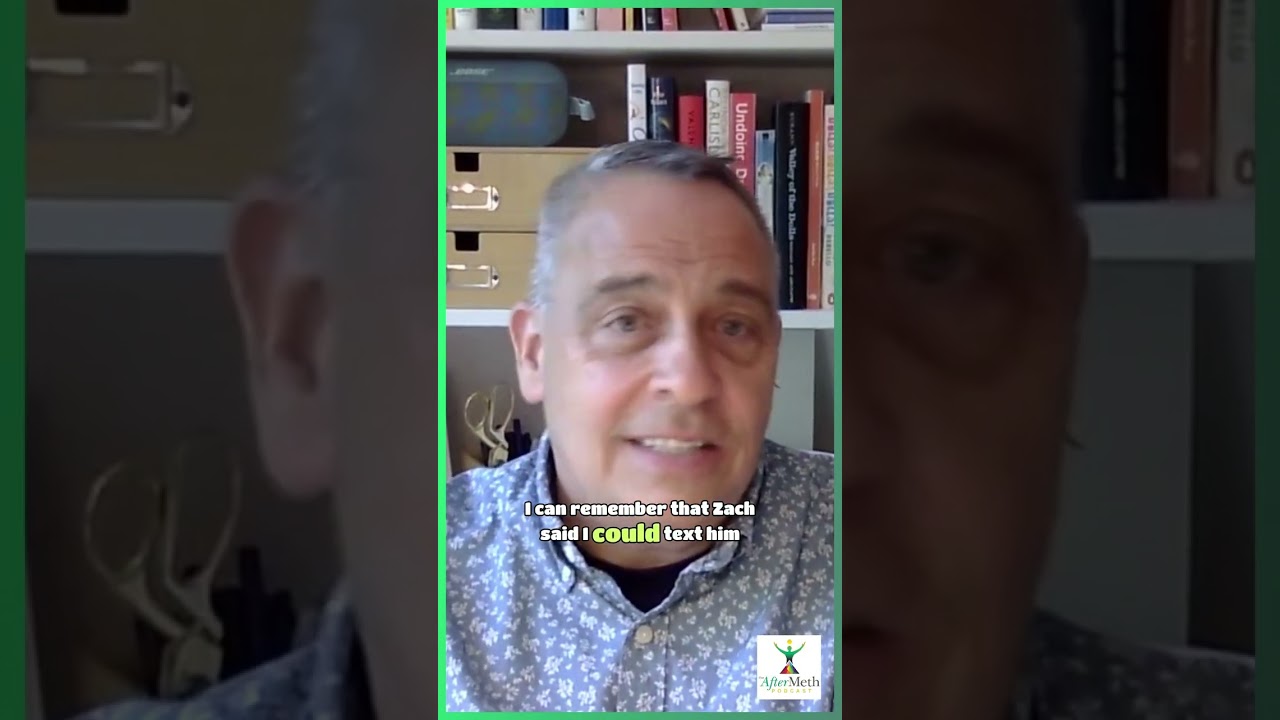
In this brief dialogue, Speaker A shares how participation in SMART Recovery introduced them to cognitive‑behavioral therapy (CBT) techniques for challenging unhelpful thoughts. By practicing these skills, they create a mental “wedge”—a pause between a trigger and substance use—allowing space to consider alternative actions and to reach out for support, such as texting a trusted contact named Zach. Speaker A emphasizes that the longer this wedge is maintained, the higher the chance of staying sober. They also note that SMART Recovery does not prescribe a rigid step‑by‑step program; instead, it offers a flexible menu of strategies that can be applied as needed. Speaker B provides brief affirmation, underscoring the conversational, supportive tone of the exchange.