Create Your Best Life With Rex
Suzanne Lyons, president of Snowfall Films, walks through indie filmmaking from paperwork and budgeting to fundraising and distribution. She covers LLCs, operating agreements, networking etiquette, and concrete exercises like the 'to-be' list and backcast poster boards that help producers clarify what they actually want before diving into production.
Chapters
Foreign. I am Rex Sykes. And welcome to create your best life with Rex. I'm so excited to bring you my guest today and my co host, Danny Walsh will be with us in just a moment. But let me tell you about Suzanne Lyons. She's an independent producer. She's the president of Snowfall Films Incorporated, and she's the president and. Well, she's the president and producer of Snowfall Films. Excuse me. And she's produced or executive produced 13 feature films, and she's in prep for her 14th film. She's worked with some wonderful talent, including Christopher Walken, Naomi Watts, Alfred Molina, James Kahn, Susan Sarandon, Donald Sutherland, Ellen Burston, John Lovitz, Asia Argento, Winona Ryder, Peter Fonda, Jeremy renner, Ed Begley Jr. Dermot Mulroney, and all of my friends. I mean, this is just an amazing lineup of people she's worked with. Her films have won a gamut of awards and festivals, including a BAFTA and, and premiered at the Director's Fortnight at Cannes, the film festival. And they've been accepted into Toronto, Berlin, Los Angeles, Montreal film festivals. And in addition, Susan launched and ran a film school called Flash Forward Institute with a focus on. On marketing myself in the industry. And she's been a guest speaker in well over 80 industry events and guilds and organizations and everything. And she's coming here and create your best life with Rex to talk about how you can make it not only a show business, but in any walk of life, any. Whatever your career advocation is. So I'm going to bring up Danny.
Hey, how you doing?
And you should know Danny's in Atlanta.
And I'm excited for this, and. And we've just had a chat behind the scenes. I'm super excited. This is going to be something that will impact the lives of many people. So I. I can't wait. Rex, ready when you are.
Well, all right, so here we are. Just. We'll bring up Suzanne.
Wow.
No pressure here. Holy God, Danny. And Danny. I love that Atlanta accent. Yes.
All the way from England. So I fit in around here.
That's great.
So we're excited to have you here, Suzanne. And there's so much that you do and so much that you know and so much that you've accomplished that we're really thrilled. And we could probably do, you know, hundreds of hours just starting to pick your brain, but in the limited amount of time we have that you're an author, so why could you have your book there? You want to hold it up?
I do, I do. I love promoting this book. Indie film producing, the craft of low budget filmmaking. And the reason I did it is because I. One thing I'm very brilliant at, and I might have told you this before, is making mistakes. I don't just do them once. No, I do them two or three times. Right. And I thought, you know what I think after I finished a bunch of these seg ultra low and seg modified movies back in 2005 to whenever I can't remember, I thought, this is crazy. I've got to pass this information along to people just so that they're not making the same mistake. Everyone, we're always going to make mistakes on whatever film it is. There's going to be new challenges. But at least I'm hoping that this has taken away at least 90% of the mistakes.
Oh, well, no, it's amazing. It's an amazing book. And the thing that if people aren't in the film business, but certainly those who are know that there's so many moving parts. And as a producer or director, the people who are in charge of pulling a production together have many different departments they work with and many, you know, there's equipment and there's financing and there's, you know, it's like creating a pair of shoes in some ways. You have to design it. You have to think it, design it, manufacture it by gathering resources and the people do it. Then you have to distribute it and market it and get it to the, you know, and so everything. And, and you wear so many of those hats.
So many hats. Yes, those hats are getting heavier all the time. So that's why I'm doing some bigger films starting this summer.
So what would you say as a producer, somebody who's got to coordinate because there are people in corporations who do similar things. But, but the idea is that you, you have teams that you work with people that you work with and, and you're trying to get everyone working together to create this singular item. You know, what, what you see on the screen and, and what would you say is your role or, or what a person could do to, to make sure everybody works together in harmony and gets that vision up there or gets a vision out, whatever it might be.
So me as, as the producer, you mean what my role would be and I did, what I did in the book is I kind of, I think the other thing that scares people too, and it scared me as well, is that you think, oh my, let's just take a seg ultra low back years ago it was 200,000. You could go a wee bit over if you had. No, I don't even know if you could back then if you had diversity. No, not then. It was 200,000 period. A dollar below or, or you're going to be charged extra for everything. So what I noticed, and I was just as scared too, is that we think, oh my God, I have to raise. It's different when you're doing bigger movies. You're dealing with a broker or you're dealing with someone who represents investors. And that's like doing those first movies, you know, that you were talking about those actors. That was not as. That was not as hard as raising the 200,000 to do a little indie. Because then you have to talk to your dentist. You know what I mean? You talk to your chiropractor. I mean, nobody was safe, to be honest. I mean, Kate had a sore back one day, my film partner at the time, and she said, oh, Suzanne, my back sore. And I said, oh, I think I see a share coming on. Go to your chiropractor. Sure enough, he bought three during that session. Three different chairs on that, on that project. Candy. It was candy stripers, I think one of those little ones. So what I decided to do is, when we finished all those, is I broke it down into little tiny bite sized pieces. You know, you don't have to think of everything. Oh my God, does that mean I need to learn how to do a budget? Does that mean I needed to do a schedule? Oh, no. I've got to raise $200,000 and what do I need? Oh, my God, does that mean I need to like, people go panic and they shut down? Believe me, I used to teach these courses all the time on indie film producing, not just flash forward. I used to teach indie film producing and people would be hysterical. They'd actually cry sometimes. I'm not lying. These are all adults and they would break down and cry because it looks so daunting. When I realized that, I thought, okay, you know what? That's why we have to write this book. And that's why you'll see timeline in here, because it literally breaks it all down into. No, don't worry about anything for me. If I'm starting as a producer, first thing I'm going to do is option the screenplay. Let's get the paperwork done right now. Paperwork, paperwork, paperwork, paperwork. I need to tell you horror stories of students that came to me after they made the movie instead of before. Never see the light of day, I promise you, because of all the mistakes. So the paperwork's got to be In, I mean, one girl said to me, oh, Suzanne, I don't need paperwork. That was my girlfriend, was my best friend who wrote the script. Well, the best friend, as it turned out, ended up having a fight with the director. And when she called to finally say, I've got a distributor interested, could you sign this? She said, it can. What you say? The movie can burn in hell for all I care. That's. I mean, and I've got worse stories than that, so. And that was somebody else's $300,000, by the way. That movie cost money, and it was not her money. It was somebody else's money. That's when I go crazy. You know, if it's your own visa, I don't care. I do it. Do with it where you will be as stupid as you want. But when it comes to someone else's money, no time for stupidity. You've got to get on it. Okay, so that's the first thing. Option it, period. Get that done. Take a deep breath. Good, I got that done. Next thing I would do is I would open. I don't know if I'd open up. Depends on the time of year. I would. If I'm going to be shooting, you know, next year, I probably would wait, you know, and do the. Open the LLC. Because in California, it's 800 to open it, you know, within three months, and then an 800 come April 15th. So sometimes a little leery of opening it too soon, but definitely the next thing would be your business plan and kind of get. No. And also getting the budget done because you can't really move forward into asking you. Oh, Rex, would you like to buy a couple of, you know, a couple shares? You know, in my movie, they're only $7,500 each. I'm selling 35 of them, you know, whatever. And I can't legally do that unless I know, Rex, that the budget is going to be fine. You know what I mean? Sort of thing. So that's the next thing for me, is making sure. Can I really do this for seg ultra low? Can I do this for 2 million? Can I do this for 1.2 million? Can I really go to you and to Danny and ask you to buy a share if I'm not even sure I can do the movie for that budget, then. Oh, do you have a question first?
So can I. I want to ask you this question because a lot of people want to raise money, you know, and if they first go to family and then the friends and then the dentist, you know, the Doctor and everybody, they know. But what I see happen too often is they say, well, I won't take a salary. I won't do this or I won't do that. And my experience has been that, that an investor wants to know that you're going to manage their money. Hopefully you're going to return it with some added profit, you know, so that their investment, you know, grows instead of. Is lost. But, but wouldn't you say it's important for somebody who's going to produce a movie to know everything they can if they're going to raise some money, to know everything they can about investment so that when they go to an investor.
Yep.
And they walk in the door because that person knows whether they know what they're talking, whether the, the, the, the. The asker knows what they're talking about or not.
Right. Exactly. So what I would, what I would do is I would actually get a mentor. We'll talk about mentors later. But that's so important because I had Kate and I had three mentors when we first started out. And, and that was really important because I. We learned then that, you know, you've got to do an operating agreement and, or a p. You know, a private placement memorandum. So I prefer kind of the operating agreement. Sometimes I'm a little overly cautious and I do everything, all that legal work. But that is so important because you've got to make a decision on what can I offer. You got to stand in graciousness and generosity all the time. You are literally, as the producer, you are the head person. You're the leader, you're going to be. And I'll go through the rest of the steps too. But you really are the person in charge, like the presidency of your company. And what I did is I sat down with Kate and we kind of made some stuff up because it wasn't. There was no template out there in 2004 when this one seg and the directors Guild created that opportunity to shoot on American soil. You know, because producers, we really couldn't that much. There was no section 181. There was no ways you could work with the union. But they were so intent on stopping Runway production, it ended up helping us. Now, unfortunately, it's reversing and going back to Canada and Australia and everywhere else. But, but, but at least there's some movies shooting here. So we just. Yeah, we're planning to shoot here, too. So on the next one. So what I would say is, yes, like, get that knowledge. You've got to know what to put in that operating agreement. What we did to start off with is we did. No corrid, just did 115 or 120, I forget percent for the investor. And then after they recoup that, and then I did a waterfall of course then after they recoup that then we would be 50, 50 partners. Nowadays I would, I do it differently. I do a corridor so that it's a 9010. So you and Danny are still get. If you, if you've invested in my film, you're still going to get your movie. But as the money comes in, if a dollar comes in from Japan, I'm going to be sharing it between the 30 of you or however many there is, 90% of it and 10 will come to me because you' we don't put a salary in a lot of the time at that lower budget films, even though we should put something. But at least you know, put, you know, put. Put yourself in a situation where as money's coming in you can pay for your office or pay for supplies or whatever it is you need. So if that, does that answer the question to really get that knowledge.
Yeah, and, and I think that, that people will need to mentor, you know, if they need to understand waterfall or corridor, different terms that, you know, use.
Sure.
But the, but the important thing is, is, you know, mindset and attitude, you know, and, and being presentable to the person you're appealing to as somebody who knows what they're doing as opposed to being. Yeah, I mean if you're going to be a complete novice, then at least being a complete novice. And don't try and BS them because they can see right through everything.
Well, here's what I would do because Kate and I had done the bigger movies but we'd never done the smaller ones. Right. So we could do stuff that was between 5 and 10 million, not a problem with our eyes closed. Seriously. But all of a sudden you're doing SEG ultra low and SEG modified. That means I'm having to ask my dentist. Right. Or not family, never family, but my dentist or you know, friends, you know, the teacher next door or whatever. You know, I get to ask them sort of thing. So. But the, the important thing is also to remember that you are kind of the person in charge and you have to kind of really look at who are you being during this situation. If I felt Rex and Danny that I wasn't, I wasn't up to the job yet, you know what I mean? What I would do is bring to the Sales presentation with me, whether it's a zoom one or the live one. People around me, I'd put good people around me. You know, I ended up having a phenomenal dp. He had won four Emmys at the time. I mean, he was a good name dp. And so I brought him and he spoke at it. I brought in a line producer, had done at least 25 films at the time. Way more than Kate and I had done at that point. And lots of low that was in his genre was low budget film. So. So I, I, Kate and I surrounded ourselves with that. The other thing we did, Rex, which is so important and it's in the book or if people just need it, just email me and I'll send it to you. Is in that sales presentation. We also talked about our personal lives. Kate was a stockbroker. So all of a sudden they felt, oh wow, this woman knows how to manage money and funds or whatever. She was also a Chesterfield winner, which is a year with Spielberg or somebody from DreamWorks on. You know, they're actually on the DreamWorks site for a year or location for a year. My background was marketing. I was vice president of marketing and promotion for a television network in Canada for a long time. So they felt, oh, wow, this they know she knows how to market it, you know, when it comes time to choose the sales agents to get out there to do festivals or whatever. So it was more that they're not so much investing in your film as that they are investing in you. So that's just as important as having done a bunch of films, to be honest, if you can put it. And don't shrink just because, oh, well, I haven't done it yet. But if you've got a good team around you and I'm investing in you, I'm not worried because your personality has come through. I know that I'm going to be looked after. We were very generous. We offered perks. I said to Kate, because it was no. There was no template for this back then in 2004 and 5. What are some perks that they can come to the, the, the wrap party that was so important to them. You would not believe it. People bought. One person said, can I come out to set? I said, of course. He ended up moving from three. From one unit to three units because he and his wife and kids came out to set and he said, can my sons be play do a song for you for the end roll credits? I said, absolutely. You know, do you know we got an entire hospital floor for free? A Working hospital. Because I met the owner of that hospital and he was. And you know, we were going to have to pay. And I said, this is a seg ultra low. We don't have the $10,000 for those 14 days in your hospital. And he said, you know, he and his brothers were. Their, their dad wanted them. This was 1960s. They wanted that. He wanted them to be, you know, doctors. They're all doctors in his family, but they all want to be rock and roll singer. They all want to be the Beatles when they were young. Right. So he said, can I write a song for one of the end roll credits? This was a different show, different movie. And. And I said, absolutely. And I got the hospital for free. Free. When you're, when you're standing in graciousness and generosity and abundance, things come to you. The reason people don't get things made is because they're think, their mind is thinking. Scarcity. There's not enoughness. You know, that's my kind of issue with, with unions a bit. It's kind of like there's the us and them all the time and, and there's the animosity and there's the not enoughness and I better mess with you before you mess with me kind of attitude. And. No, there's more than not enough to go around, you know, and if we could just kind of get that concept and stand in that when you're speaking with investors, you know, it was not an issue for us raising the money. I have to tell you, you know, it really was not. So, you know, it was. But that's where we were standing, though. We weren't like, oh, geez, we don't know what we're doing or, you know, I'll help you do it. No, we were like, no, this is a product. Yes, it's a widget like any other product. But, you know, we're going to make it such that there's a good possibility can make money. That's all we can do in this industry.
Wow. So I, I just want to kind of backtrack a little bit. If I were to feed back a little bit what I've gotten from our discussion here. You know, it's important to know what you're doing. And in order to know what you're doing, you're going to want mentors who can guide you and help shape you and mold you to, to, to. To make the best, the wisest decisions and not repeat all the same mistakes, you know, but to understand your market, understand your product, understand the you know, money and the, and the investing and, and the. Collect a great team around you so that you do that and then understand it. What you said is an abundance and graciousness. In other words, it's who you are that will determine how far you can go. And with that said, you know, it's entrepreneurs, people are inventors, people are, you know, sales. They have all sorts of things. So this applies to anyone in any walk of life. And I want to turn it over to, to Danny because I can. I know Danny is a marketer and Danny's got, I'm sure he's got a question.
I think this, this is fascinating. And it's not just, you know, the film industry, right? This is industry at large. And the, the things you've described, the principles are the same. And we talked about this earlier about being transferable to other businesses. And we've got business owners and entrepreneurs sat here now thinking about, hey, I need to get investment, I need to attract funding, I need to show up, I need the right sales presentation. How lichen is this to just any industry? Is this totally transferable? Obviously there's little nuances, but it's like there's so many principles building the relationship, that's, that's something that stands out. You see where I'm going with this, right?
Yeah, I do. And, and it's funny, I was speaking with somebody from a. I don't even know what her industry is, to be honest. I can't remember what she does. It was something in technology and we were having this kind of discussion a couple weeks ago and I'm actually meeting her again tomorrow and, and she was kind of, even though I was talking my language, she was mapping it all onto what she's doing with her new business. And it's the same, and it's the same kind of thing. She, everybody, you know, if you have, if you're a owner of a company or work for a company, you know you're selling something, whether you're selling yourself or your product or whatever, you know, you're selling yourself. And people are so concerned about the doing. We were all brought up in the 80s and 90s on the doing. You know, where's your to do list? Where's your, you know, where's that list today? How many things are on the list? How do you do a to do list? Oh, you put A's and B's and C's. And remember all that. We were taught all that in the 80s and 90s and early 2000s. And then what I say to people is who you're being is so much more important. You know, you can make a hundred. You can pitch your. Whatever you're pitching a hundred times and get nowhere, or you can pitch it once and who with who you're being is committed to. To it. I mean, if I. If I had time to tell you the story for my first movie, you wouldn't. You would not believe me. That's how. I mean, we lost everything five times. Five times. And Kate and I got on the phone when everyone else gave up, and we turned it around and made it happen. And that's the one you were talking about with Chris Walken and Naomi and Brenda and those people. It was wonderful and fun. We shot in Wales, so, I mean, we just. We turned it around because I refused to take no for an answer on something that, no, it's only $2 million. We can do it again. How do we do it again? You know, what can we do? So a lot of times, I think when you know, people, the doing stuff, you get shut down so much more easily as opposed to when you're standing and who you're being. And no, this is who I'm being. This is what my mission statement is. This is who I'm being on a daily basis. So what do I. How do I need to speak to somebody? How do I. Like, I'll say to actors, sometimes they'll come up to me and say, oh, Suzanne, I hear you making a movie. Here's my. My headshot. And. And it's kind of like, oh, poor little me. Susan, please, please hire me or please read my script. Please listen to my composer. Real. I'm. Honestly, that's how it occurs. I'm not lying. It occurs like that. And I'm thinking, no, put yourself up to. We're all on the same industry. We're all having fun together. It's just a giant playground. You just want to, you know, decide on who you're going to put in your sandbox. That's all. So who are you going to be to. To invite those people in?
You know, kind of like, we need a to be list, right?
Rather than we really do. It's kind of like. And I do have that exercise, actually. I think I took it from Landmark Education because that was such a powerful program that I did. Can't remember which program it was in the inside that. But one of them is like, you know, write down, you know, what's. How did they say it? Oh, my God. It was kind of like, if you've got a Flat tire on the way to that. You know, you're having a meeting. You finally have that meeting with DreamWorks on that movie that. Oh, my God, you worked so hard on it for the last 10 years, Danny. You finally got the meeting, and then you have a flat tire on the way, and it's like, oh, right. And then instead of looking at the facts, you don't. You create a story in this industry. The reason nobody moves forward, I mean. I mean, a lot of people do, but thousands and millions don't, because they make up a story of why it can't happen. So the flat tire no longer becomes a flat tire. The facts are that if it was me, it's a flat tire. And the true other fact for me is I don't know how to change it. That is a true fact. That's it. But meanwhile, I'd sit there, or we'd sit there in the car going, oh, God, why did I buy this card in the first place? Wasn't. It's secondhand. I should have bought a freaking new car. God damn it. What am I going to tell these people? You know, this is so embarrassing. They're not going to want. They're going to cancel the meeting on me. I know. They are, in fact, worse. They're going to want to see me again, and then the world's better. I might as well just leave town now. Okay. I mean, except I'd be going for an hour before I got to that part, right? It's kind of like that's how crazy our stories are. And I'll tell you how bad my stories are sometime. Danny is. I actually messed up a couple of times because of my own story. I was. One of my friends came in. I was sitting behind my desk. The computer's here. And he came in and he sat there. He hadn't seen this in years. And he said to me, what are you and Kate doing these days? I. And I. My. In my brain, he was an actor who wasn't working very much. Okay. And I said, listen, don't even worry about it. Like, how are you? And I just put him off right now. I thought I was being very sweet. It was my story that was going on that cut him off, right? And I said. And they said, no, no, really. And then we chatted a bit, and he's. No, really, Suzanne. And finally starts kind of looking around at the computer. And I said, okay, I'll tell you. I said, we're. We're doing a movie called Candy Stripers. You know, the aliens come down, kill everybody in the hospital. We leave a couple in case we do a sequel, and just gonna have some fun and just kill as many people as we possibly can. You know, whatever. I think I said, kate's in menopause, so we're just. We have to kill people. You want to like that? And he said, oh. He said, would you put me down for one share and put my sister down for a share? And I went, excuse me. You know, because that was like that. $16,000, right? Two shares or 15?
And.
And he said, yeah. And I said, oh. I said, what's going on? He said, oh, you didn't know? My sister and I have been flipping houses for seven years. I know. What the hell? So my own freaking story was stopping me. Also had an intern. An intern. I forget from what university he was there, you know, for. And he happened to be there for one of the projects. I can't remember. It might have been seance, one of the small ones. And he said, can I take this package home and show my dad? I said, no, no, don't you bother your dad with that. Don't be silly. Don't bother your dad with that. He bugged me every day. Finally, the last day, he said, please, Suzanne, there's two shares left, and I'd like to show my dad. And I said, okay. He comes in the next day, said, my dad's really mad. And I said, see, I told you not to give it to. No, he's really mad that there's only two. He would have liked to buy 10. Like, hello. My stupidity got in the way. So I just wanted to share that so that you're not listening to those stories guys, you know, that we tell ourselves to get ourselves off the hook in whatever way, shape and form.
Sorry, that is. That is beautiful. I may have said this on another show, but I was standing in line in the supermarket in Los Angeles one time, and person was an older gentleman who looked very disheveled and essentially homeless, was, you know, digging in his pockets for some change. And the guy in front of me, behind him was like, hey, old man, get out of here. You know, and really, you know, ragging on the guy. And this guy paid his money and he. And he leaves. And the guy who's doing all the insults now leaves. And the woman turns to me and says, that guy is a billionaire.
Oh, my gosh.
He dresses like that because he doesn't want anyone to know.
Oh, my God.
So you never know.
You never know.
And, I mean, I looked at him. I didn't think, oh, this is a good billionaire in hiding, you know, kind of thing. But the other guy who was, you know, rag certainly was, wasn't making any friends. So. Yeah, you're right. You gotta, you gotta kind of restrain that dialogue, that auditory channel and the storytelling. Let me ask you this because I think it's important that. And we're about at that halfway point. So let me say if you're watching this live, you can ask questions or leave comments, and if you're watching in the replay, be sure to, to go ahead and comment and like. And the replay will be on YouTube and, and elsewhere, but there will be a replay. So.
Oh, my God, I should behave. Okay.
It's good. It's great.
It's great stuff.
One of, one of the things that, you know, happens is you were saying if somebody comes up, I, I used to host like some dinner parties with people, and I would invite producers or directors or, you know, people from the industry, and, and I would tell the actors, I would tell the writers, please don't hit on them. You know, this isn't, you know, a rapid dating session or anything like that. We're, you know, it's not speed connecting. Just enjoy them. And if they ask you for a picture or screenplay, feel free to have one, but don't, don't give it to them. Let them request it. And almost every single time, you know, the doors would open, the producer, the director, the actor would be standing there, fish walking, go, here's my resume. Here's my screenplay. You know, And I was like, yeah, you know, this is a dinner party. So you think they want to hold a stack of scripts or.
Terrible. What do I do?
These pictures, you know, and you can tell. I mean, it's like that old thing about, you know, go ahead and send it to us. It just ends up in a circular file anyway.
Absolutely.
So. So what recommendations would you give actors and, and want to be filmmakers or crew people? You know, meeting someone who could help them further their career.
Right. And, and just to start, I'm going to give you a couple things. Start with the first thing, though. Actually, three things is that's the reason why I started a course many years ago, I can't remember, late 90s, I think, called the Relationship Seminar. Because what was making me crazy is every time I go to a screening, every time I go to anything, people would come up, oh, Suzanne, I hear you're a producer. Here's my, you know, whatever. My director is real. Oh, you guys disappeared. Am I?
You're still there. You're still there.
I'm still there. Okay, so, you know, here's my deal.
To get you a single shot.
I look better when there's many other people. And. And especially if the lights are very dim. Trust me. Anyways, so what I. I noticed and Heidi, now we're on our way to New York to teach a. Launching a Flash Forward class. And I said, heidi, I can't take it anymore. I can't. I'm gonna, you know, end up, like, hurting somebody. These wine and cheese things while you're waiting for the movie to start. Because I ended up with, like, you know, a bag of headshots before I even get into the screening. And. And I said, I have to create another class. And she said, let's go ahead. Let's do it on the plane right there and then plane right back. It was called the Relationship Seminar. And it was 160 people came to it. And we only. I think we only just did the one, maybe two. Oh, my God. It was hard on people. It was six weeks long. And the. The homework was that you had to have a party and you were not allowed to share about your career. Not allowed for six whole weeks. Oh, my God, you should have seen people getting up and screaming at me and crying, and it was. It was horrendous. And I said, hey, guys, you're not happy. Leave. And nobody left. Like, nobody left. And they're going, no, tell us more. And I said, okay, so that's the homework. Three to 300 people at a party every week. Just whatever you want, as low as three, I don't care. But it's a party every week. Not allowed to talk about your career. Obviously somebody asked you, that's fine. Do you know of all those early Flash Forward classes with that one in the first week of that relationship seminar with nobody allowed to talk about their career, More people got jobs. And I'll tell you why. Because let's say. Let's take Heidi. Heidi loves whitewater rafting. That shoot. My partner in that business. Right. Flash Forward Institute back then. And she could feel she. Let's say she wanted to meet. Let's say she's an actor. I'm just gonna make this part up. And she wanted to meet a casting director friend of yours, Danny, and she, you know, who lives here. And that casting director, Danny, would think, I. I'm not going to because I don't want you just. I'll say, here's my headshot and whatever. No. So. But no, she's not allowed to do any of that Danny. Because she's going on a whitewater rafting trip with, you know, you and her and maybe me and maybe somebody else. And like, there's a bunch of us who love white water. Not me, but let's say, you know, so. And. And let's say it's me. I'm not allowed to pitch to her because, you know, that's. We're not allowed to in that six weeks. So those were the parties where you were just allowed to be like other humans in other businesses. Like men on a golf course on a Sunday afternoon. They're not talking business. They're talking about their kids, they're talking about the sports, they're talking about their. Their house, whatever, the new car. No, you know, we don't. But in this industry, we. We forget who we are. So I want to give you an exercise right now. The people that are watching. Here's the exercise. I want you to write down three or four interesting, interesting, unusual, remarkable, distinctive, different things about yourself that have nothing to do with the entertainment industry. We've even forgot how to talk. You know, people talk to me and they say, oh, by the way, I've had five callbacks in the last month, and I've been called in again by this director that I'm thinking, I don't care. I don't care. How are your kids? You know what I mean? Like, you know, tell me something. But, like, tell me who you are first, for the love of God. Then we'll get into. If I want to ask a question about that, that's fine, but who are you? So that's why I started the course. And the other thing I want people to know. So those are the things, those remarkable things about yourself and what that says about me when you get all those three or four or five written down, what that says about me as a writer is what that says about me as a producer is what that says about me as a teacher is what that says about me as a doctor, as a nurse, whatever. Whatever your career is. That's what that says about me. You know, maybe it's traveling all of a sudden. I might hear rexes, and he's going, you know, I've traveled to 27 countries in my life. Do you know, like, it could be all about adventure. Do you know, I've jumped out of the plan plane. Well, I mean, with a parachute, you know, obviously, but, you know, I've done those kinds of things or whatever, and all of a sudden, you know, and I'll say, oh, and. And what that Says about me is I'm a writer who loves to put action into my work and I love to put comedy because I'm also a fan of comedy or whatever. Like it's, it just. You take them all and put them in. And that's what that says about me. Because people forgotten who they are and without knowing the essence of who that actor is or who that person is, you know, it's so hard to, to, to create a relationship on top of just. I've had five auditions. You know, the other thing is I used to teach business first before I came out here in Philly and, and before I came to la. And one of the things about business is how come. And I could tell you if your business is going to fail. Okay. If you've got a business, a small business. We used to do under 10 people. If you have a small business and you don't follow these. I think this is landmark again. I'm not sure. Actually. I've gotten. I've done every program known to man over the years. I'm a strong believer and so should. And all of those inspirational books. All of them. I don't care if you're reading Joe Dispenza. I don't care if you're reading Napoleon Hill. Obviously everybody has to read Napoleon Hill. Obviously. Rex's book. My book. No, that's different. But I mean all those empowering.
And he's got a book. Yeah.
Oh, no way. Oh, my God. We have an offers conference is here going on book fest. So here's the thing. If you own a business and you do, I don't care if you're listening. If you're the makeup artist on the movie set, I don't care if you're the makeup artist, period. You know, in your own, your own store don't care. It still follows. It's called a conversation for accomplishment. And there's four categories. Everybody in the industry reverses the categories and that's why they fail. Okay, here's what we do. It's conversation for relationship. See what comes first, guys? Relationship. Conversation for possibility, conversation for opportunity. How can we work together? Like, you know, you're doing a. A woman in Jeopardy movie and, you know, I'm somebody. Let's say, you know, one of our. My students actually was abused very badly by the husband and, and the kids too. And they escaped in the middle of the night and lived and you know, came out here. She'd be a perfect for those 1990s movie of the week. Right? So. Oh, you know, my name Is so and so. And, you know, I've done this and I've done that or whatever. And the possibility that I can bring to that is I have literally, I'm in love with, you know, these made for TV movies. I never miss this in the 80s 90s. Never missed a CBS movie or an NBC movie. I love them. I've watched every single one. I promise I could tell you about every one of them. And number three, Number three is opportunity. The opportunity that I can bring to that movie. If you choose me and we get to do an audition. I have to tell you, I lived through that. You know, this girl from Texas would say, and I lived through that. And. And we were lucky enough to escape because the violence was getting worse. And I got myself up and I got my kids up at three in the morning and I got in a car and I drove and I drove and I drove until I got all the way to the ocean, which was here in la. And I'm determined, you know, to have this career. And what I can do is I can bring that to the screen like nobody else, because I have lived that. And you can count on me as an actor who has lived that to bring that to the screen. Number four. The is. Number four is action. So would you like to see my real. Okay, is that. Is that clear sequence?
Yeah. No, I mean, it's the other way around usually, as you said, which sadly, the. The person I'm referencing, one of them is. Is no longer with us. But the. But we, we all started in movie together in the 70s. And, you know, the movie came out and it was maybe a year afterwards, and I said to this gentleman who's now gone, I said, have you seen so much so. And he goes, oh, God, I hate seeing him. And I was like, what's going on? I run into my auditions and all. It's like his resume comes out of his mouth, out of the first words out of his mouth. I've done this, this. I know that. And that really shaped me at that time. I was like, the best thing to do is not talk about you and what you got going, you know, and. And so when you say, this is amazing, because I have a clubhouse room that for. For months, I said, here's an opportunity. Everybody uses the word challenge. I like to call it an opportunity. And I was like, you can get up in on the platform and you can talk, but you can't say anything about yourself. You know, you can do the. Well, because the, you know, the bus driver doesn't talk about the bus driver. The bus driver talks about the stops. The tour guide talks about what, this, what you see and what you see, you know, and, and what you should avoid and what you, you know, want to enjoy. But they don't go tour guide. And I've done this and I've, you know, and so what you have said is just so incredibly valuable. You know, nurture the relationship possibilities, the opportunities, and then have this, you know, call to action. Would you like to see my reel? Could I give you my resume? You know, you know, could I call you? May I buy you lunch? You know, whatever, whatever.
Exactly. Sorry.
Yes, it's beautiful. It's opposite of how most people do it. And you need a mentor.
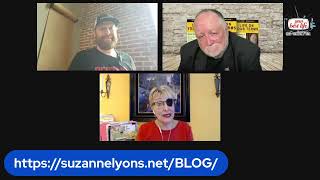
That's right. That's how mentors come in handy. And for the love of God, everybody, please go onto my site, Suzanne Lyons.net blog because I wrote 25 blogs and one of them is about, about mentor etiquette. So when you say, oh, Suzanne, would you be my mentor? The first thing I want to do is just run in the opposite direction, right? Because it's like how it occurs for me if you say it like that, which is how people say it is I have to care for you for the rest of my natural bloody life. Good God. But in flash forward, it was three ten minute conversations over a month long period or one half hour coffee meeting. You make it easy for people to say yes and no suspicion succinctly, clearly what those questions are. I've had complaints. I remember the guy who wrote oh God, the Bruce Willis. Not. Or was it Lethal Weapon or Dry Die Hard? Can't remember. Okay, so no, but I mean the writer. Sorry, can't remember. Can't remember. Shane. So whichever one, it was like the webinar, I can't remember. So I think his name was Shane. He called. We used to get calls from mentors sometimes because people would say, okay, here, oh, here's our 10 minutes. And then they'd expect the mentor to, you know, create the conversation. No, have 10 questions ready. You know, 10 questions ready so that you are generated. You're on time. I had somebody call, might have been Linda, see her? I can't remember saying the person was late on the call. So it's like, no, you've got to be a professional. I don't care who you are in this industry or any industry, you are the president and CEO of your company. Would you take actions like my. I said to my husband one time before he was working because he got a big agent when he first moved Here because he won big, big, big competitions and in the television world. And he's waited by the phone for the agent to call. Waited and waited and waited. And finally I had to say to him at one point, because I started demanding he do my class. And I said to him, hon, go through the daytime. Go through your daytime or this year, I want to know in those months, just pick a month. I don't care what did you do or who did you be to move your project forward to get a job writing your first script here in the industry? What. What were the actions that you took? What inspired actions did you take? Pick a month. And he, and he picked October. And I said, good, so go ahead and read what you know. How many actions did you take? Inspired action. Wow. He looks up at me with, like a smile on his face saying, three. I did. I did three. I did three phone calls. And I looked at him and I said, if you were the president and CEO of your company, would that be sufficient? Hell no. He said, I would have fired myself months ago. Right. I mean, that's how crazy it is. We wonder why things aren't working, and yet we're not taking the inspired actions or creating. What do we need to do? So what I would say is maybe start with something easy if you're scared, because it's all fear. Everything is fear. Every single time you hesitate, it's fear. So are you going to want that on your tombstone? Sorry, didn't really do anything. But, you know, I did, you know, have a lot of fear throughout my life. No, no, I took actions. I succeeded in the things I wanted to succeed on, and I had fun. If it's just the fun of, of doing the pitches, then that's fine, you know, but what. And what I was going to say is start what we do in flash forward or did in the 90s and eight early 2000s, it was do a board, get. Go to, you know, Staples and get a poster board. Or if they're Canadians, that would be a Bristol board. And, and write, put yourself in the middle. Put a really cute little picture of yourself in the center, and then write in categories. Everybody, you know, because you're thinking, Danny's thinking, first of all, when I first said it. Oh, no, I look at my, my, you know, list. Suzanne, I've got a whole bunch of people in alphabetical order. No, that's of no use. Danny, for example, if that's what he thinking. All the actors I know, all the producers I know, the entertainment industry, you know, the directors I know Whatever it happens to be in your particular line of work and write them all down. And then what you notice is don't beat yourself up. Because with Kate and I, when we first did our map of relationships, what we call it mor, is that we only had three directors. We knew three directors, period, end of story. And we real. So don't beat yourself up. Do you do it? Oh, good. This is great. You know what? I see what's missing. And then you take your hit list file and you write down, okay, who are some of those directors that I really love who are doing a lot of seg Ultra lows these days? Okay, great. There's a bunch of them that won someday. Okay, great. Here's some other ones. That one, you know, these festival. Great. And write them down. Then start also connecting the dot. Well, geez, I wonder if Danny might know that director, because that director is from Atlanta. Oh, I wonder if Rex might. Rex might know that makeup artist that. I'd love to get that, you know, or whatever. Then you start connecting the dots and making requests. In this industry, what people do is they ask for favors. No, no, no. That is not a word. If you're asking me to babysit or, you know, not that I, you know, would. I wouldn't know what to do with those little creature things, but. But anyways, let's say Danny and I were, you know, Danny, could you come babysit? You know, can I. Danny wants me to babysit. Okay, great. As long as. Then you come babysit with my kids the next night. Because of course I have to go to the Academy Awards and stuff like this. That's a favor. That's okay. But when it comes to making requests, that is the language of business, and we don't use the language of business in the entertainment industry. So that's what I'm saying. And please be proactive. If you want to meet those casting directors, then take it upon yourself to do so. If that's missing, if you're an actor, call the women in film or whatever and say, listen, I'll be the moderator and I will invite them. If you put the two or three hundred people in the room. I did that when I was not even a member of the pga. I called it because I wanted to meet Millie. I wanted to meet producers who were doing movies that were 50 million and over. I wanted to know how they thought and how. How do I move into that world at some point in my future. This was years ago. I wasn't a member. And that's what happened is they Said abso freaking lutely. So I, I had to call and therefore I was now their peer. I'm no longer the little Susie down here producer, no, I'm their peer. I'm in the green room making them comfortable before we get out and sit down, I'm asking them the questions and you know, that sort of thing if I wanted to meet, whatever. So, so take it upon yourself. And a lot of students have taken that advice and gotten jobs and whatever with my husband, when he wanted to get a job, finally did the class and I said, Heidi, you lead this part. I'm not going to lead with James. And it was about goal setting and he, he actually cried. He stood up and said, I can't do it, I just can't do it. So scared. 17amazing scripts still sitting in the closet, right? Couldn't do anything with them because he just didn't know what to do. And she said, okay, I'm going to create your goal for you, James. It's going to be 10, 10 minute relationship meetings with showrunners or supervising producers of shows. And he started to cry again. And he never made it past the three because he ended up with two jobs from the first three, just so you know, and then with it. But within three months he was on staff with the Highlander TV series. But he actually used his first relationship meetings with the guy who, the X Files guy, not Chris, the other guy, I can't remember his name. And so when James went in, he used his remarkable things to start with. He said, before we start, he said, first of all, first of all, you start with acknowledgment always. Authentic acknowledgment always. And that will break the ice for sure. And then he said, I think you should know something about me. My dad was an undertaker and we lived growing up upstairs over the funeral home. So not only do I think I could write for the expos I think maybe I am an X file. And the guy started to laugh and they had a great time and it was just fantastic. So, you know, sometimes people use, a fair amount of people use those personal things to, you know, break the ice kind of thing, especially if they're kind of funny. So sorry, Rex, I think you had a question and I interrupted.
No, yeah, I'm, I'm thoroughly enjoying it and we've got about, you know, outside of about 15 minutes left and Danny, would you do what? I have plenty to say and ask.
But I'm loving it and I think, you know, I advocate that you want conversation away Right. But some people will never have that first conversation to even understand what that feels like. And there's an important thing about feeling and experiencing that and getting it wrong. Like, you go in there, you're going to get it wrong and you can get a mentor to help you and guide you. But I think just breaking into that habit of having a conversation, whether you're in business, shore business, any business, I guess if you're in the, the business of telling stories, you kind of need to tell a story, which is what you're saying, right? So what, what can people do to kind of build up the confidence when it comes to facing. Because a lot of people are like, oh, I, I can't ask that person. I, I could never stand in front of that person and ask this.
Right.
Make this introduction. Or there's this confidence block. It's like, what do we do to just blow that out of the water and just get in there?
Because like, yeah, I'm going to give you a couple of things. First of all, it's your story. You've created that story. The stories are never true, ever, ever, ever. The stories you've created were created probably by a 3 to 4 or 5 year old that you're still living those same stories. I'm not enoughness. I'm not worthy. Who the hell do I think I am that I should be asking for, you know, a position in that company or a pitch meeting with that particular company. Who am I? Right? So that's the first thing is to get that those stories aren't true. They're part of your identity. If you want to live inside that identity, which is in quite a small box because believe me, we have put many boxes around us to keep us very small. And the identity is there to keep you safe. It keeps your security blanket, my God, it smells like shit. But it's safe, you know what I mean? That security blanket where I want to live is in the other circle. That's one circle. I want to live in the other circle called commitment. And it takes, I'm going to give them another exercise in a second. It takes some, some a little bit of time to switch circles. And I noticed for me, I was just as scared when I moved here, believe me. And I was even teaching this stuff at this point. And I was scared. I would go to those events and I'd get my free glass of wine. I'm not stupid. I was just scared not to stupid. And I'd go in the bathroom and I'd stay there till the screening started. Right. So I drink my wine, and I wouldn't talk to anybody because I was scared to put my hand out. And then finally I said, good God, I'm teaching this stuff. I'm gonna have to do something. So I said, suzanne, just put your hand out once, and if the person walks away from you or whatever, so be it. And I did. I put just once, if I can meet one person, where I initiate it, what happens? And nobody ran away, you know, nobody calls security. It was like we had a lovely chat, you know, and then the screening happened and we maybe even sit together, whatever. I said, next time, how about I put my hand out twice? So I just did a wee bit at a time, just a wee bit at a time, just to gain that confidence. And then I started also researching people. This. I got this idea from one of my students when I'd go to the PGA event, you know, the Produced by event. It was over at Can't Remember. I think it was down at Universal years and years ago. And she had pictures of everybody. This was on the Friday night before you start the event or like the party. And she had pictures of all the guest speakers. How smart was that? Right? And so she'd actually go up to some of them, were there on the Friday, and she'd, you know, shake hands and say, thank you so much. I hear you're going to be speaking tomorrow or Sunday or whatever it was. So I thought that was smart. So then I started doing more research. If I had a meeting with somebody, I'd go and look at what's on IMDb, you know, and what are they doing now and what have they been doing, and is there any similarities? You know, like if somebody calls me and they're Canadian, obviously, first of all, we're all human. So, yes, we're all connected. So that is our background of relatedness is we're human. Secondly, you know, if you're from my, you know, Atlantic Canada, I'm from New Brunswick or in that area. Obviously, that's even more background of relatedness. This guy called from Ottawa. Of course I'm going to take the phone call. You know, it's kind of. Then you've got that other thing, you know, going on. If it's somebody else who maybe it's a female first. Female, first time directing. I probably take that call. You know, it's kind of like, you know, you've got to be, you know, you'll get out there and kind of, you know, make yourself known. The more kind of confidence. And sometimes I will start With I apologize. You know, I'll start, I'll pop with an apology. Listen, I don't know you. I've heard about you and, and I'm very impressed with your work or whatever, and I just want. Here you are at the screening. I just wanted to say hello and just tell you how impressed by the work you've done and you've inspired me over the years. Just do an acknowledgement to somebody. They love it. You know, they love it. And it gives you a chance to calm down, take it easy. And then they may, you know, say something back, or they may just say thank you and be gone or whatever. I remember with Henry Winkler, one of the girls, instead of sending the email back then, or letter back then, there was no email back then. She said, suzanne, I'm going to be at a party on Friday night where he's going to be there. Can I make the request then? And I said, yes, but do it in the way of etiquette, like you're trained.
And.
And she said, okay. And she did. And he started little tears coming down. And she said, oh, my God, Mr. Winkler, I have offended you. I am so sorry. She started to apologize. No, stop, stop. I'm so happy. I'm. Yes, I'm definitely a yes as your mentor. It's just that nobody's ever asked me before. Everybody wants relationship, everybody wants to contribute. We're all. And the other thing. Background of relatedness. Hello. We're all in the same industry, right? I mean, that's what it is. We're all on planet Earth. God give you eight. Gave you eight billion people and you're staying away from them. It's insane, isn't it? Insane when you think about it. So I want. Go ahead. No, I just want to give them an exercise at some point. But let's go, please. Or do you have another question?
Though I do have a question in the end. But go ahead and give the exercise. We'll go. We'll go with the exercise first.
Okay? So, yeah, so the other thing is, I did mention research when it came to that as well. Research the person so you know about them and especially if there's anything personal that you might have in common. The other thing I want to say is sometimes we let our story rule the day. I mean, our story about, oh, poor little me, or it's my first time, or I haven't done enough, or I'm not worthy or whatever the bullshit is that gets us off the hook, right? So what I tell people to do is when they start Going down that rabbit hole is look at the project. Let's say you're a writer and your goal is to get, you know, is have your agent and you, I always say take, obviously you have to do much more than your agent, for God's sakes. Get your first, you know, in kind of thing as a, as a, you know, whether the money for your screenplay or a producer who can get the money for the screenplay, or a showrunner who wants you to come on board and maybe even work in the writers room, whatever that happens to be. So then the first thing would be, you know, that they get their script option, let's say, by a producer. That's their goal for, for example. And then I would say to them, I would say to the person who wants that because they've got the story going on, it'll never happen. Right. I'll say, wow, you'd love to get your screenplay option by a good size production company. What could that make possible? I'm going to use the same sentence. What would that make possible in your life that's not yet possible? What could that make possible in your life that's not yet possible? Okay. Then they'd answer back, wow, you know, with. If a, if a producer, you know, wants a project, then I can get myself an agent because of that possibly. Great. What could that make possible in your life or career? Whatever you want to say that's not yet possible. Wow. Well, that agent and I can then get together and look at where, what are a whole bunch of different companies that are production companies that I can sell other of my projects to. Great. What could that make possible that's not possible? Well, that, wow. If it's out to like six companies, there's a good chance that one of them will get made and be on the screen. Wow. What could that make possible that's not yet possible in your life? Oh my God. Well, financially there would be a bit of security and. Okay, great. What would that make possible that's not yet possible? Well, and then they go on and by the time they get to seven or eight or nine or 10 things out, they don't exist anymore. You know, usually it ends with, you know, when those screenplays get out, you know, what does that provide? You know, Wow. I guess it could be a world that works for everyone.
Wow, how beautiful. How very beautiful. You know, go ahead.
No, I just want people to start thinking it's an exercise that I have to do every day because I go down the rabbit hole every day. I get two phone calls of Rejection like we all do, or three or four or ten. I have to redo that for myself. Wow. But when I get that. Yes. What happens? Oh, my God. I'll get the funding for that movie. Great. Well, you know, so then I have to do the same thing, but write that line down. If you haven't. If, you know, if you guys out there haven't.
So that's great. I'm not going to ask the question now because we don't have a whole lot of time left. And I'll save it for another time when we get to do this again because I still look forward to talking to you more about all of it. But what people should know is you're in about ready to be shooting. I mean, you're right in the middle of everything while we're doing the show. You took the time from your production schedule to, to be here so that you could talk to the audience and to tell them what's going on. And we really appreciate that.
Well, thank you. Yeah, thank you. Yeah, no, I've got. I'm just working with some friends right now. It's just on a teaser, but it's a half hour teaser, so I have to do contracts. I, I do all my own legal anyway, so I did about 40 contracts in the past few days and, and revising those as I get more information. And our locations, just two new locations came in, so I'll do those up. But then, yes, I'm doing a project that we're looking to shoot either in Vancouver or, or New Jersey. We're not sure yet. And it's great. It's. It's called Eve of Destruction and it's wonderful. And it's with my broker right now. We have a phenomenal cast. Absolutely phenomenal cast. It's very funny. Very, very funny. It's a teen horror comedy with more comedy, no horror, but lots of fun. And then I'm doing a deal right now on a TV series, which I'm excited about. I had one last year with Boat Rocker, but the strike ended that, of course, for a lot of people, not just me. So that. And then I have another one because of the Banff, you know, event that just, just finished. Right. That one of the other projects, TV series, is out to two other companies right now. So I'm doing a lot of focusing on television, to be very honest. My husband's been a showrunner now for years and forever, so I'm just trying to kind of get more into that world. But still, I love doing features. I've got Two features that I'll be shooting this fall, one with one of my friends, again, which is a lower budget, but it's great fun. And then I've got the other one, which is around 6 million. So I am really trying to work more towards that. There's another one that's two to two and a half million. That. That's looking good. My broker is doing great. And I also sometimes get need. People need funding and they'll call me, you know, because they have the fully cast, but they're missing something or whatever. And then I get involved with those people that are former students of mine. So. So that's what I'm up to right now.
Wow. So let's recap this this way. If we could do it in about 30 seconds. I hate to say it, but a lot of people, you know, they know what a director does, they know what a screenwriter does, they know what a cinematographer does. They may not know what craft service does or some of the other, you know, location managers, but they get it. But a lot of people, and these are people in the film business, but that grassroots filmmaking kind of thing, I really don't understand what a producer.
Right. So I'm just going to list off the titles of the book because it'll take you through, first of all, you know, doing the option agreement, like I talked about, paperwork, then putting. Keeping that business head on, doing the business plan, getting the operating agreement, opening up the LLC with that, opening up your bank account kind of thing, when you know that you're going to be starting to raise the funds, if that's the way you're raising them, if it's through a broker, obviously, different way. But I'm talking about if you're doing the smaller budgets as indie, you know, say indie a seg certified and say the modified. Sorry. And the. The 200,000 $1 or 300,000. Now create a timeline. First thing I do when I'm jumping into all of this is obviously I get my budget done in that first little round of things too, before I can go to an investor. But I also do a timeline. I put my ass on the line and for. For my company back then for Flash Forward Institute. I'm just going to show you what it looks like, what our logo was. And it's hard to see this. Oh, I don't even. You can see it at all. It's a W with a line underneath it. See that?
Nope, not much.
Okay, picture a W with a line underneath it. Ethan. It's called putting your ass on the Line.
Oh God.
Okay, got that. So what you do then? You know, or maybe even at the beginning. The truth is I do it the minute I finish. The option agreement is I'll get two poster boards from Staples and I will put at the end what I want it to be like. Maybe it's next, not this AFM, but the next AFM. Like October, I'm sorry, November of 2025 for example. And that gives me, let's say that's a 12 month. I don't know what that is, 16 months or 18 months or whatever that is. Then I back time at all, just in moder called milestones. Not every day because I want to take the panic out of it. So what are the. What needs to be done before that and before that? I work backwards by the way. Okay, from AF from November 2025. I'm coming backwards. What happened? What needs to happen three months before that? What needs to happen three months BEFORE that? Just the milestones. What needs to happen three months before that, three months before that, three months before that? Until we are today. Got it. Okay. Now it's spread over 18 months. Not so scary. Then, then I. So I guess then I start filling in some of those blanks. Okay, what needs to happen for that milestone to happen? Got it. So I start filling that. The next thing obviously. Is there any development I need to do? Is the pay, Is it too long? Is the script too long? It's coming in at 250,000. I want, I wanted to do it for 200,000 for how do we drop that 50, you know, so we maybe have a table read. You know, there's those kinds of things. Obviously I mentioned the business plan and all that, setting up the bank account, your account, sales presentation. Then maybe it's time, maybe you know, it's time to do my presentation. Everything is organized now I've got a few of you guys that want to invest, but I need to held a nice, you know, zoom sales presentation and an in person sales presentation and all that's there. Then I move into soft prep. Not prep. I do soft. I do try to do two to three months of soft prep where no one's getting paid because I told the investors I'm not using the money to the first day of pre production. But meanwhile we got shit to do. You know, I need to get a director on board. I know I need to do stuff. So he's talking to the first AD and you know, there's certain people you need to get on board right away. Really. So I do that especially in the low budget world. Not, not quite the same in the big budget. Then I go through the casting process. I couldn't afford casting directors on those, so I did it myself. And I made sure the director was there, especially if he was new or she was new. Then I did that. Then we move into pre production, which is not as busy for me. That's busy for the line producer. So I want to make sure all my contracts are done, everything's done, just like I'm doing now with this one. To make sure that then he or she, that line producer, because he's going to be coming to me every second minute for a check. You know, I need Suzanne, I need money for this, I need money for that. I need money. We have to lock down. Look. Okay, good. So all that stuff is done pre production. Then we start principle. Then I'm mostly looking after. I never leave my headset off. It's always on, always on. Make sure you ask your sound mixer for the extra headset and I get extra chairs. Make sure the investors who want to come. I am informing my investors every week from the moment we start soft prep all the way through till the end of post every week they get pictures of who we've chosen for that actor, whatever. So the principal photography, I'm watching the dailies. I'm setting up the dailies to the area when the investors come in that they can watch them kind of thing. I'm looking after the actors. Is there anything that they want? I go around and ask the crew. I try to do treats. Even if it's just $100,000 movie, I'll set aside 5 or 600 for little treats every now and then. Even if it's just a poster that we've created for whatever. Then obviously it's a wrap party, wrap up, post production. That's your, you know, obviously your composer and your sound. I'm sorry. Yeah, your composer, your sound and your. What am I missing? Color correction, all that kind of stuff, you know? Yeah, all the regular post stuff. And the titles, you know, in the front row titles and roll title. Double check with everybody. You got the names are right. All that stuff. A lot of work. And then also if it's a low budget, am I doing 1099? It's now January and we shot in the summer. I've got to do 1099s for you guys because you made over $600 and I need to get your 1099s out. And some. I didn't have an accountant on these. I was I was the accountant as well. And then delivery and sales. That's when you have to have a mentor for sure. It's for God's sakes, if you're choosing a sales agent, let me read the contract before you sign anything because they're always horrible. Then any distribution you want to do or any going out to festivals for your film, stuff like that. So that kind of covers your job, which is a big job. It sounds like it's only 18 months. It's. It's 18 months. But it. Or 12 months or what, 16, whatever you've got. But after that there's going to be a lot of stuff going on.
And it is, and it is fair to say that whatever walk of life you're in, if you're an entrepreneur or solopreneur, even a middle management or upper management in a corporation or something, a lot of those tasks are the very, very same tasks industry that you will have to do.
In fact, Rex, what I said, what I do in flash forward or anytime I'm coaching anybody, because I still do some coaching is I'll say to them, if you're finding it hard, pretend you're the head of the Toyota dealership down the street. Is he going to say, oh, let's just make up, hope we sell a whole bunch of them this year. Let's get a whole bunch in and we hope we sell them.
Them?
No, he's going to say if I'm getting, you know, I don't know, two, two thousand cars in, how many do I need to sell per month in order to sell those two car, thousand cars by the end of the year? Okay, got it. That means I need to sell, you know, whatever it is. 15, I don't know, whatever a month. 500amonth. Great. Okay, good. What do we need to do? Same thing, same milestones, same action plan, same thing. So no matter what, I don't care.
So good. So good. We need like a part two. And there's like people are busy, right? And then there's people who are objective and planned.
Yes.
You've said this a few times. Actually. We're having fun. This is like you're supposed to enjoy the journey, right? And I think maybe as we close out and maybe Rex has got a final point. But how important is that fun in, in what you do?
It's like 100. 100. Are we still recording or is it. Yeah, I think, I think it's a hundred percent because we are in a net. Here's what's insane. I, I'll Go in to teach a class on all this stuff with the entertainment industry and people have the most serious looks on their face. I said guys, like lighten the up, you know what I mean? It's like otherwise I'm gonna have to, have to leave because you're in a 10, you're in the entertainment industry. Guess what? Your job is to provide entertainment. Like how insane that you're acting so like serious about everything. Yes, it's a business but you're still having fun with it. You're still providing 150 jobs. You're providing 50 jobs. You're, you know, you're, you're, you know, getting to have, you're getting to know new people all over again. I've networked with so many people because every, every everything is either a 50 to 150, you know, cast or crew and all that stuff. So it's like you're the one that has to, you're. And as a producer especially you've got to set the stage. You know, you've got, if you're the leader of anything, whether it's, you're the makeup artist, you've got to set the stage. And it's all about having fun. And those are the people you want to go back and play with again. This is no different from a playground, guys. You just have to decide on who do you want to have come and play in that sandbox seriously and have fun, fun with it. It's always got to be about the fun, you know, and what little things can you do to make sure that people are having fun. And in Wales, and that was a six week shoot in Wales. I went and saw Kate and I stopped every morning and got a bag of candy for the cast and crew every morning. Crazy, crazy times. And you know, we just did all these little treats. You know. One time I couldn't afford it, but I said to Kate was a low budget film. We knew we were doing 14 hour days unless this low, low budget film. And we decided to take $500 and do the Chinese truck one night. And we also did a coffee truck one night on another one of those. Well, you know, what are things that you can do to make sure that people are like, can lighten up even in the midst of a 14 day shoot. How can they lighten up? How can they relax and have fun?
You know, I would, I would end with that. I mean the thing that is really important and that some people forget and I'm so happy that you said that is a lot of people think well, you're working for. For me. I'm paying you. I don't care if you're having a good time or not. But the people who will stay and who are loyal and who will go the extra mile and who will do anything you ask without having to be asked are those who are going to enjoy it and who love you and who understand that you don't have to do some of the things that you might do, but you do them because you appreciate, you respect, you care for those people. They're giving up their time, their energy, even if they're getting a fabulous paycheck. You know, money doesn't satisfy everything. So, yeah, that esteem, to have that connection, to have that relationship, to have that. That camaraderie, the love will go through all of the problem times as well as all of the good times. So I really. I think that's such a powerful point for us to close on.
Yeah. And acknowledgement. Make sure you do authentic acknowledgment. If you're hap. If. If your makeup artist is doing a killer job, then tell them, for God's sakes, don't keep it to yourself. Make sure you're acknowledging people and get in the practice. We don't do that in the entertainment industry. People seldom do it. I've had people cry. I remember during a casting session one time, people. The woman had come in from Thousand Oaks, and I acknowledged her. You know, I said, oh, my God, thank you so much for coming to this audition. Although it's like an hour's drive almost for you to get to Burbank. And she was like. She started to cry. She said, oh, my God. And I was thanking her. She said, nobody's ever done that. Like, it's so rare. Isn't that disgusting that it's rare? It should be the automatic. It should be the. Of course not the rare. You know. So I just want to emphasize that for my last.
Very true. Well, we'll do this again, you know, because we have to.
Okay.
It's a must now. Thank you for giving up your time and your. And your talented. Your energy and your information and everything that you've done today to bless us with so much and to fill us with so many powerful principles and practices and exercises that we can do to transform our lives. So I thank you. You will talk in just a moment, but we're going to say officially goodbye for now and hang out in the green room. We'll be back together, and we'll have Suzanne back on again. We promise. Okay.
Okay. Thank you. Bye, everybody.
Thank you. Thank you.
Thank you. Bye.