If You Add This ONE Habit, Everything Else In Your Life Gets Better...
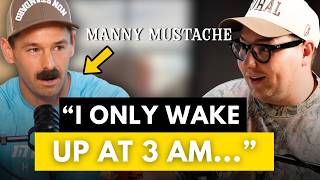
In this episode of the Brand Builders Podcast, host Daron Pacheco talks with fitness coach and entrepreneur Manny Lamson about how focusing on a single habit can cascade into broader life improvements. The conversation covers the importance of niche targeting versus trying to serve everyone, the concept of prioritizing over balancing multiple life domains, and how seasonal shifts dictate what should be emphasized at any given time. They discuss the power of authentic personal branding and why raw, unedited podcasting builds trust. The duo explores the role of AI in content creation, marketing, and fitness programming, highlighting its limitations in providing accountability. Manny shares detailed nutrition strategies, emphasizing macro tracking, protein intake, and the use of supplements to fill dietary gaps, while also describing his business model, community outreach, and how he funnels prospects through Instagram, TikTok, and Facebook. Throughout, they stress relationship‑based coaching, accountability, and the value of serving a focused community rather than trying to be everything to everyone.
Chapters
Like my mornings are very strict. Wake up at 3:50. I read and do my journal and my daily Stoic and maybe check in on clients from 4 to 5. I walk to my gym, work out 5 to 5:45 or 5:15 to 6, depending on my morning. Yeah. You know, like maybe you go find somebody that wants to go with you. So then you're the reason.
We cannot serve every business in Abilene. It's way beyond our capabilities. I don't want to serve every business in Abilene. And so I can have my core 15, 20 clients here. They can have their 15, 20 clients there.
Manny, how do I balance a business, a family, work, kids, health and wellness? Brand Builders Podcast.
Today's episode is sponsored by Empire Management Group. Whether you are a business owner looking to improve employee benefits, strengthen your insurance coverage, grow your sales, develop your leadership team, or build long-term wealth, Empire Management Group provides practical solutions all under one roof. That's right, their team helps businesses attract and retain top talent, improve operations, and create sustainable growth. Plus, through premier partnerships like AFLAC, they offer career opportunities for individuals looking to make an impact in their community. Learn more at empire-management-group.com. Let's get to the episode. Welcome back to today's episode of the Brand Builders Podcast. Today we have Manny Lamson on right here from Abilene, Texas. Did you grow up in Abilene?
No, I think that's always a cool thing because I've only lived here for going on 12 years for the military. But my wife and I, we call Abilene home. It was funny. We were just talking about this about a year ago. And we're thinking of when I look at retiring and we're like, where do we want to retire? So I grew up in California. She grew up in New York, moved to Washington. We met at Washington State. And so we were like, well, we can go to California where some of my family is, or we can go to Washington where like we have a lot of mutual friends and there's a lot to do in Washington. But then we sort of paused and we're like, why not just like here? Like our kids are Texans. Like both of our parents have moved here. And so we, then we were like, well, I guess we are like Abileneans, you know? And we've seen Abilene grow a lot in the past 10 years.
So y'all been here for 12?
Yeah, we got here in 2015.
Yeah. So, so yeah, I got here in 2019.
Okay.
And even since then, yes, it's completely changed. And so I met my wife in college here and then we stayed here. It's a great place.
Oh, we love it. Yeah. My wife did her undergrad at ACU, her master's at Hardin-Simmons, and then just finished her doctorate. And then I just started as an online professor at HSU this summer.
That's right.
Yeah. And so I teach a health and wellness class there. It was one of the ones she taught and made. And so she was like, hey, I'll just let you jump on. Because that's, I have the credentials, I want to get into teaching. And so it's been like a good step into teaching. So I'm on, you know, I'm also doing that on the weekends, you know, like reviewing grades and it's so cool to see, like, she did a great job setting up her class. And so like, whenever I'm like reviewing and it's all health and wellness, so like SMART goals, habits, you know, things like that. So I'm reading these college kids' habits and I'm just like, this is amazing. You know, it's so cool to see, because we're in a time where people may think like college kids are very lazy because of technology, but everything I'm reading from these kids, I'm like, this It's pretty cool, man. Like, yeah, they got a lot more on their shoulder than what I had at that age. So yeah, yeah.
So is that like an adjunct type of role?
Yep.
Yeah, I've looked into adjunct.
Yeah.
And I think it'd be so fun.
It's a cool world because it's, it's easy. Like, yeah, find— like, she's looking at random online colleges wherever and just applying for them.
So that's awesome. Okay, so you're involved in a lot of things. Um, Air Force. Yep.
First Form. We got it today.
First Form Energy. You're gonna see a lot more of this can on camera. Um, anyway, you know what, let's just— I'm gonna crack it open right now. You gotta, gotta get a good listen to this. 10 out of 10 right there. Um, so you're a sales rep, or, or what did you call it the other day?
Yeah, so we call— we say Legionnaires within FirstForm. So very similar, companies have like an ambassador or something like that. First Form just takes it a step above. They do a lot more for the people, not just like, hey, I want you to go online and take pictures with our products, you know, and you get a commission link. Like, that's where I started with them, and then they've grown so much over those years with like online training, coaching. You can go places and meet other people. It's just phenomenal.
That's awesome. So you do online coaching, um, you have your podcast.
Yeah, that you do.
You're avid book reader. Yeah. So we got a lot to cover today.
Yeah. And then obviously trying to get involved in Abilene, right? So that's one of my things I really love seeing Abilene grow. So Abilene Leadership was something that really opened me up because that's one thing I want to do when I retire is help out the community wherever I can. And so even if it's just small things, like I run my First Form events now, you know, once a month where I get people out to move and it's a simple way to grow the community just from a very basic level, but it's not crazy. It's not hard. We just come out and move and you meet new people.
Yeah. So you mentioned Abilene Leadership.
Yeah. Abilene Leadership.
It's just like an organization.
It's a program that you like a cohort you do each year. So people will apply for it. And we started, I think you start in May and you go, it's like once a month you go through different aspects of Abilene. So we have like career day, you have business day, you have state government day, you have military day where we went to Dyess. And so it was a cohort about 30 of us each year. And I was in Abilene Leadership. I don't know. I guess it's the year 26, maybe it's our class. I'm not sure. They're going to kill me for not knowing. But, um, so a lot of people that you've had on your show, like Alejandro was on it. So he was the one that told me about it. And I, uh, Cameron Wiley is a big component of it. And, um, it's a great way for me in the military to get to know people in the city that hopefully want to like work with and work in.
So, yeah. Cause you moved here, you said from Washington?
Yeah. Well, Washington to Florida and then to here. From Florida. Yeah.
So where did you grow up?
I grew up in Northern California.
So you've been everywhere.
Yeah. Uh, California was actually very shockingly similar to Texas where we are now. So Northern California, very flat, rural country, dry, rainy. Washington was obviously four seasons, amazing. Florida, we love the beach, can't complain it. Then coming to West Texas, we didn't know what to expect. Um, when we got my aircraft in my training, we call it a drop night, just like you see some pilots do. We do for our CSOs, combat system operators, where you have this big party and you get told what aircraft you're going to go work in. So we got the B-1s and I Googled it. I was like, Abilene, Texas. I was like, I don't know anything about Texas. But obviously, you know, like, of Texas when you've never lived in Texas. And we came here and it was like, it's true, man. The people are amazing, the food's good. I love summer weather.
So yeah, you get some hot summer weather here.
It's pretty warm.
So when did you get into the Air Force? Was that right out of like high school or college?
I enlisted in 2006. Um, after high school, I had a guaranteed job to be a survival instructor. So it's SEER, Survival, Evasion, Resistance, and Escape. I went up to Washington State where I had my first base where I teach aircrew how to survive in the woods. Uh, phenomenal job. Yeah.
Why did you decide to do that?
Uh, growing up in a small town, there wasn't a lot to do outside of the town besides just, you know, I say very similar to probably Abilene, you know, where you either you work here, you stay here. It was a lot smaller of a town. And I was looking to go play college sports, but I had an injury my senior year, broke my thumb. And so like, that was sort of out of the question to continue that. My dad was in the Air Force. And so a recruiter just came to our base or not, I say our base, my high school. And, uh, I was like, hey dad, I think I'm joining the military. At the time it was just the Army. So the guy that was there, he's like, well, if you are, let's shift to the Air Force. He told me about the Air Force. So we went to my Air Force recruiter. Um, I took the ASVAB. I had a very general score, not the best.. And so I went to my dad, I was like, hey, I got this score. It's like a general mechanics job. He's like, well, if you do that, you're gonna get something you probably don't like. So let's find a job that's guaranteed. And there's like 3 jobs you can get, PJ, SEER, and those are the 2 I was focused on. Well, pararescue, the PASS test required swimming. I was like, I'm not the best swimmer. The next job, SEER, didn't require any swimming. It was just a, a ruck, a run, and some calisthenics. So I passed it and my recruiter's like, cool, you got a guaranteed SEER job. We'll call you when we have an opening to go to tech school and basic. And so I hung out, worked in my dad's business, and, um, they called and I was like, cool, let's go. So that was 2006 to 2010. In 2010, I got out, separated, went to college at Washington State University, enrolled in ROTC to become an officer in the military, um, played a couple years of football and rugby, and my wife was there with me and was super busy. Uh, and then I commissioned in 2014 when I graduated college to become an Air Force officer. Then that's when I went to Florida for a year of training, and then we moved to Abilene since then.
So is football the sport that you played?
Yep, football was the one I grew up— played in high school. I really loved it, and having the opportunity to walk on at a college level, a D1 sport, you know, the tie to Texas, you know, I got to play for Leach, you know, so that was pretty cool. Um, really cool experience there, and walked on there, played a couple years there, and that was an interesting experience because I was the like a freshman, but same age as seniors being 4 years in the military. So I had that life experience and that was just like a, I'm gonna try it, you know? And I did. And that's sort of like the way my wife and I do a lot of things now is why not just do it? Same way as like she got her doctorate, you know, after 2 kids, you know, and finishing up. I think Cooper was born when she finished her doctorate or maybe she was pregnant, but still like now we're just at the point in our life when we do things, we're like, why not do it? You know, show our kids like what we can do.
High achievers.
Yeah. There's no other way, man. Yeah.
I don't know why some people just want to coast through this life. Just kind of do it. Yeah.
You've probably seen it in the books. You know, when we talk about the Booker E. Stephry later, like it, once you're on that, that path and that life, you can't go back.
Yeah.
And it's really hard to distinguish a complacent life. You know, it's, it's, it's hard for me to talk about because I get really like direct and passionate because I have friends and people that do, they live that life. And so it's hard for me to understand and be like, well, I can't like enforce this way on them, but I need to because it's so beneficial to do these hard things.
Yeah. And some people don't even, they're like, yeah, I know it's beneficial, but I don't care.
Exactly.
It just doesn't make sense to me. It's interesting. Like why, like for example, like this business or podcast or anything, it's like, why are we going to just halfway do it? And that's like, you're setting yourself up for failure in anything that you do that way. Yeah. And so for some reason, my brain thinks constantly of how can we make it better? How can we scale? How can we do things like more efficiently and all the things? And so I definitely feel that to an extent. So you're big into leadership, you're big into reading books. I know we were talking about that before we started recording. What are some books that you would recommend?
Oh God.
Even if it's just like a few that if somebody's listening to this today, that if they go read in the next few weeks is going to change their life?
I have a pretty wide range. So being in the military, there's a lot of military people have military books, you know, like I've read books on Winston Churchill, Napoleon, um, very focused areas like that. But when I think of people who don't understand the military, like Angela Duckworth, Grit, right? Probably pretty common book. Like that is phenomenal book. Anybody can read it. It talks about grit, right? Which is what we've probably seen in a competitive life, you know, like what you need and it relates to anybody. Like everybody has grit. It's just like how hard you want to use it. So that's usually one I always recommend is Grit. Super simple read. It's got good research to it. That's a good one. I like Mel Robbins' High Five Habit. She's got a couple other books, but Mel Robbins, she's just phenomenal. I love watching her videos. Very direct and very on point. Um, and then Atomic Habits is one I usually always have on demand on my, my Kindle because it's easy for me to pull up and quote. It's really actionable. So that's— those are some of the books I like to read too. Actionable books that I can execute, add to my life, and then books I can learn from.
Yeah.
So like, I think it's Malcolm Gladwell. I'm on like a fanatic page of his. I'm on his third book right now. He is super deep into psychology. Like, a lot of his books are just like, I'm like, dude, what is going on? I'm not going to learn a lot of like actionable habits, but I'm just going to like understand life.
Yeah, psychology books.
Yeah, I got a few where I was like This is deep. Um, but so his books are really good. Grit, Atomic Habits. Um, uh, being a military person, David Goggins, right? Can't Hurt Me. When I did 75 Hard the first time, that was one of the first books I read. And some people probably outside the military have seen David Goggins and maybe how crazy they think he is, but his book showed me. And whenever I tell people, I tell them not to read it because it shows you how much you have not done with your life. But that's why I recommend it. Because it shows like what we are all capable of. And then that led me to the book Endure, which talks about the governor in your mind that limits you physically for how far you push your body, uh, because he learned a lot about that doing all his ultra stuff of like your mind is going to stop you from achieving things because it doesn't think you can make it when your body can. And so I talk a lot about that with the young airmen I work with where they're like, I don't think I can do this. And I'm like, dude, that's just your body or your mind just like telling you to stop.
Yeah.
So both of his books are really good. Tim Grover is a great book person. He's a trainer of Michael Jordan, Kobe Bryant, a lot of Dwyane, a lot of athletes. He has a good mindset on just, his books are Relentless and Winning. So like that type of competitive mindset, I think that'll be a good stop there.
And then if any pop up later, but yeah, just go to his TikTok and you'll probably find him at some point. No, that's awesome. So you, you mentioned, uh, you work with, is, are these like that just straight up, like you go to work and they're there, or is it like you're helping them with their nutrition and fitness and everything?
So they're airmen on the base that I've met that want to do hard things. So there's a program on base that I run called RAD, Rapid Airmen Development, that was started 4 years ago by another officer that I worked with. Um, he put together a team to go to the Netherlands to do this big ruck march that we did. And when we came back, he left and I took it over and we've incorporated it as a program to help airmen do hard things. So we put on ruck marches for them, physical events, but it's also a personal development thing. So the airmen, I have my group, I bring them to my house to work out. We go on rucks every weekend and it's really to show them fitness is a way to get to know people. Like when we go on rucks, we have airmen all across base, even civilians that'll come out and join me, that people I know in town to talk for 2 hours, just like talk about life, you know? And that's just so., which is so amazing for an airman that maybe runs the transpo stuff of driving the buses of officers to the flight line, or airmen that work on the B-1, or airmen that work in the med group where we go to get our shots, you know, airmen that work in the gym or the DFAC. They have, I have this huge network of airmen that have a close group outside of their job. Um, because in Atomic Habits, it talks about the 3 groups we surround ourselves with, right? The successful, the many, and the few. There's the few, which is like people you work around, the many, Or I think it's a successful— I think that is, but there's like your family, your intermediate, your workplace, and the successful. And so the successful ones aren't always the ones you're close by because you're not going to have like all the successful people in one place. Yeah. And so that's why I love social media, but also I bring people together because in this small group of rad airmen, we have airmen that have excelled in everything they do. And so they're meeting other airmen on base to build each other up. And a lot of airmen don't get to meet other people on base. And so it brings them together. And so they may be like, hey, I'm new to DIAS. I need something to do. And with my TikTok algorithm, I get a lot of people that are sharing like, hey, I'm new to the space. And I'll reach out to him like, hey dude, come work out with me at my house. They may think it's weird as an officer, you know, texting an airman to come work out, but I'm not texting him. I'm texting him as Manny to like gym, right? Come to my house and work out. I'll cook you breakfast. You know, I always have breakfast in my house. I have protein shakes. They get to see like that family setting. Cause my kids come work out. It's just something they don't get to see at their workplace, but that's what I do with the airmen on base. And then some of them I train in the First Form app on specifically nutrition and, and their macros. Because once they usually work out with me, they go, I need more help. You know, I see what you do. I need to do this, or I need to get better for my PT test. 'Cause we have PT tests we have to do. What do I do? So like I have an airman right now, Giovanni, he's lost like 35 pounds. He's improved all his physical fitness. He's leading in his shop and he's one I specifically coach in this app, you know, 'cause I, I track his nutrition. I see his pictures. I help them and all there. And so that's where it, you know, we talked about earlier, these small things compound into other areas of our life. And so these airmen I meet, do I originally meet them to get them in the app? No, but I know it'll lead that way because we met because of this reason. And then I just show them like, hey, here's what I do. Here's what's helped me. I share all my progress pictures online and they go, I need to do that. Yeah.
Yeah. It's a lot harder than people would. Expect. Um, how, how important would you say your physical well-being and fitness is when it comes to the rest of your life? Because I feel like there's a massive connection between like physical fitness, yeah, or physical well-being, mental well-being, and emotional well-being. Trust is the foundation of every single great business, and the Better Business Bureau exists to protect that. So the Better Business Bureau helps consumers find businesses they can trust, offers scam prevention resources, and supports local business owners through accreditation, networking, education, and visibility opportunities. Brittany Brown, she's the CEO. She's been serving the big country, and she says strong communities are built by strong businesses. Whether you're trying to grow your business or make a smarter purchasing decision, the Better Business B Grow is in your corner. Visit BBB.org to learn more.
Huge. And the reason I talk about it so much for— and some people will beg to differ because there will be a lot of people that would be like, I know people that are in shape, but they're horrible at their job. But it's vice versa as well. We don't speak about it as much, but I talk about it personally because it changed my life. I was, I say, like an average dad, right? I was like 217 pounds. I had like a beer every now and then with dinner, which I thought was normal. I'd go to my military functions, you know, have my drinks there. Obviously going to a college, I partied a lot. Like all that was instilled through traditions in the military and college. And so I sort of brought that with as a dad. Then I did 75 Hard and that's where, 'cause 75 Hard, you can't drink. And so once I stopped and I worked on myself, I was like, this is crazy. 'Cause everything in my life got better. Yeah. So like, there's a— my number 2 leadership philosophy is to be selfless, you have to be selfish because I can't help others if I haven't helped myself. And so that's where the physical side comes in. Like, I'm huge on maxing out PT tests, doing as much as I can, doing hard things. A lot of people think it's like very extreme, but it's not because it keeps me grounded.
Yeah.
Keeps me mentally strong. Keeps my wellbeing strong. Like if I go through a hard time, it's not as demeaning as it was earlier in my life because I have ways to cope with it. Like just going on a walk or a run or being out in the gym is those areas where I can focus on myself and give more to the people at work.
Yeah. So when do you usually work out?
So I work out every morning and then obviously doing 75 Hard, you have to work out twice a day. Since I did it, 75 Hard in '22, I still maintain those habits. So I think a majority of the year I probably work out twice a day, every day.
Twice a day.
Um, 45 minutes, usually in the morning., in my garage or at base if I'm meeting airmen. And then in the afternoon, either at lunch, if I have time, I'll go on base and go for a jog or a walk. Or in the evening, if my, my wife and I wanna go on a walk, we'll go on a walk together too. Or if our kids wanna work out, we go work out in the afternoon with our kids.
So, yeah. So what would you say to somebody who claims that they do not have enough time?
Yeah, that's, that's huge. I, I don't believe it because I've seen people do more. That are busier than me. Yeah. Like being in 75 Hard and working for First Form, again, another aspect, social media, social media, which I love. I follow people that are more successful than me, right? A lot of people dog on social media because they get down because they may follow people or they see things they don't like. And dude, it's your algorithm. Like if you don't like it, like it's your fault. Like you can change it.
It is showing you what you choose to watch.
It's not Instagram showing you something you don't wanna watch. It's literally you hovering over a video for a few seconds. And Instagram going, cool, you like this, I'll send you more.
It's a reflection of who you are.
So my Instagram is a reflection of who I want to be. And so I see people on there that are way more successful than me that have done 75 Hard and have put in 45 minutes twice a day. And we have the time. Most people don't do morning workouts where you can get all the time. Like, my mornings are very strict. Wake up at 3:50, I read and do my journal and my daily Stoic and maybe check in on clients from 4 to 5. I walk to my gym, work out 5 to 5:45, or 5:15 to 6, depending on my morning. And then I come home— or I say come home— walk back inside, make breakfast, cook lunches, maybe prep dinner, get ready for work. Take— then during school, I'll take my kids to school and then go to work. That's where people can buy time. Like, I call it— a lot of people call it zero time. I call it zero time because nothing happens probably before 8 or 9 in most workshops. Yeah. And I have a lot of airmen that are like, how do you do it? I'm like, when do you get up? Oh, I snooze until like 7:35, wake up, shower, and head to work. I'm like, bro, that's 3 hours you could win. Like, I'm not asking for 3, I'm asking for 30.
Yeah.
Wake up 30 minutes early this week, go for a walk for 10, and then you can break it back. I've been working— I've been waking up early for so long, waking up 3:50 is what's easy for me to shift to. Yeah. And now, like, that's where I win so much.
Yeah.
Like, we talk about winning the day, right? Like small little steps, you know, the PowerList or 5 simple things. I do so many things in the morning. I cannot do anything. I could stop my day at 8 and be successful.
Yeah.
Because I've put in all these small things in the morning, checking on clients, checking grades, doing homework. Like, like I can do homework in my gym if I want to. I just bring my laptop out there, do a set of workout, check some clients, You know, nutrition, go back to work, like boom. And then, cause with kids and a family, you don't know what's going to happen after work. I can't, I don't plan a lot after work because with sports and moving kids around, I just let all that do its thing.
Yeah.
I'm not a big evening guy when it comes to like reading or things like that. I have my books I read at night just to read.
Well, if you're up at 3:50 AM, I mean, by that point you're—
I'm falling asleep with my kids in bed by 8:00, 8:30 when I'm reading to them. They make fun of me falling asleep when I'm reading to them. Them. So that's probably the one thing I, I'll coach people on is the morning. Yeah. Like, dude, let's just wake up in the morning. If they don't have kids, um, then the evening is a little bit easier. I like lunches. I think a lot of people can go out on a lunch for 30 minutes, then maybe go eat something for 15. Like, very doable. You know, you guys have a little walk treadmill thing in there. We have that at our house. I think you can implement those at a place, you know. And, um, my shop knows, like, when I put— I'm a huge scheduler guy too, and I'm very Direct, I want to put on my schedule. So at work I put gym time instead of like maybe trying to hide it, you know? So when people are looking at my schedule, like why Snare put, or Manny put like a gym at lunch every time on pecs is because we need him. I need them to know it's important to me to get through the rest of the day. Yeah. If work interferes, that's fine. Like they know they can schedule stuff over it if I have to fly or something like that. But on Mondays I go in and see what I have for the week and I plan my, my, I usually put like gym lunchtime for an hour. 'Cause I'll go to the gym, 45 minutes, shower, come back, and I usually pre-make my lunches so I just eat 'em at work and—
Yeah. Yeah. So how big do you think, because I know at least for me, like there will be seasons where I'll, I'll go to the gym at like 5:00 AM for like a while. Yeah. And then a big event happens. Yeah. Or we go on a vacation or something and you stop that habit. Yeah. It's very hard to pick that back up. And so what I find that helps is, and this is really with anything, is accountability.
Yeah.
Having somebody that is gonna like meet you at the gym. Like, yeah, I know if somebody's meeting me at the gym, I'm not gonna miss it. If there's nobody meeting me at the gym, it's really tempting to just go back to sleep.
Yeah.
So what are your thoughts in that area?
Ooh. I've always been the person to bring people to the gym. So I've, but I also affirm believer, like if you want it, I don't think somebody has to be there. Like my motivation would be if that's you waiting on somebody, maybe try to be the person for somebody. Yeah. You know, like maybe you go find somebody that wants to go with you. So then you're the reason.
Yeah.
Cause that's where I'm at now with all my fitness stuff. When I started it, it was for me. And so now I can't stop because there are a lot of people that watch or ask me what to do. Like there have been plenty of times where I'm like, dude, why am I going on these rucks every morning? Why do I still wake up at 3:50? Like I don't have to, I can wake up at 6, still be pretty productive, but I do a lot of it for the other people that may watch it, you know?
And so now they're holding you accountable.
Now they're holding this. And that's how that, I think that's a good shift from like, like that journey. Mm-hmm. Like my journey was me and my wife knew that when I started 75 Hard, she's like, why are you doing all this? You know? And like, oh, you got this. But then after a while she sort of saw how it helped me, but now she sees how it's helping other people. You know, like I got 7 people coming over tomorrow for a HIIT workout at 6:00 AM, you know, but that didn't start yesterday. It started because of all these things I did before. So now they're holding me accountable, right? Because I'm going to work out harder that morning now because I have people coming over my house. Yeah. So like if somebody is having a hard time, going with somebody, I'd find somebody to go with you. And I've lived the gym life, you know, where I had groups and I went with, but I've also established that role. Like I, I think I am my own motivation, you know, like I love going to the gym. It's super fun. It's great when my kids wake up and go with me, but then, you know, I have that accountability on the side too. So like we have my Team Non-Standard, you know, where we sort of motivate each other, you know, like we check in on each other, you know, we have our little groups where it's like, hey, how you doing? You know. You doing this? You slacking? All these different group channels I'm part of. Like, I have a men's group on WhatsApp that I've never met any of these people, and I'm going to go do a 70-something mile ultra up and down a mountain in October. And I've never met any of these person— anybody in person. It's just like we've all met on social media and we added this group. And so I'm doing that this October as like my, like my masagi for the year, right? Like one big thing. I've never met any of these people, but I'm going to go to— I think it's in North Carolina, and we're going to go up It's over by the Appalachians, 35 miles up, 35 miles down. Um, then I have like my rad group I was talking about to help keep me accountable. Like, I love all that stuff. Like, some people may think it's a lot to like be in all these groups, but like, that's, that's my, those are my tools, you know? Like, they're all my different outlets, you know?
So all these guys you met on social media?
Yeah.
Yeah.
Okay. Uh, one of the guys runs a podcast and he was on my buddy's podcast that I was on. And I heard his episode, his name's Stetson. I reached out to him and We've talked a few times on, on a phone call, just like as like a guy to guy, you know, like that sort of group. And he added me to this WhatsApp group and it's of these, they're like killers, dude. Like one guy just ran a quarter lap at the highest elevation for 100 miles. And so like, it was around this, I think it was like 10,000 feet elevation. And he shared it to this group. It was a quarter lap and he ran it for 100 miles. And I'm like, these are the people in this group. Like, this is crazy. Like, we have guys in this, and they're just a bunch of these random— they're not random, but they're all— no, Stetson, and he added us all to this group to go do this event. I'm like, those are the groups I want to be part of, you know? Like, that's, that's where I'm at now, you know? The RAD group, these airmen are sort of like where I'm in this group. They're part of this group where they see me doing all this stuff, and they may not know how to do all this. They may join me once a month, you know? But yeah, at least they know it's there.
That's legit. So Let's talk about your podcast for a minute. You've been doing it for how long?
3 years.
3 years straight. How many episodes are you at?
I think I'm at 79 going into 80 that I'll be dropping soon.
Almost 80 episodes. So obviously I'm a big believer in podcasting. Yeah. I love listening to podcasts. Oh yeah. I love having my own podcast. And so what are some of the things if somebody's listening right now who is on the fence about starting a podcast, what are some of the benefits that you've seen in your life that has improved just overall your life in general?
I guess before I started mine, I was there, you know, I was on— so it started on social media, like I was on TikTok making content. Yeah, making content, answering a bunch of questions from airmen because I talk a lot about how airmen can go from enlisted to become an officer. Like, that's a lot of my content because I share my story over and over. And I was getting all these questions of like, how do I do this? Because there's different paths to do it. And so I didn't have all the answers, so I was finding people that did it. And so at the time, I was like, man, how do I like capture all these, um, all this info from these people who've done these paths and share it? And so I was like, well, if I just created a podcast— and that's what it was specifically going to be designed for, is going to be designed for me talking to people who have done these different paths to become an officer. So So if somebody asked me online, I can just share the link. But then I was like, well, if I'm going to do that, what else can I talk about? I love, like at the time I was taking a college course on leadership and it asked me to establish a leadership philosophy, right? If I take over command and I was like, ooh, I have that. And working for FirstForm, they talk a lot about it. And I was listening to podcasts. And so my wife's always been like my, my rock, my guide on ideas, right? Like I was like, throw it out to her and like, if this sticks, cool. If she throws it back, I'm like, okay. Well, I threw this out and she said, yes. She's like, you should do it. And I was like, oh shoot. So then I reached out to my buddies who have podcasts. And I was like, hey man, obviously when you're in a podcasting and you ask somebody about, they're going to say start it, right? They're not going to be like, no, they're going to be like, dude, do it. And I'm like, oh, that's what I love about the podcasting community is it's not competitive. Yeah. Like online fitness coaching, I think is very competitive, right? Like if I'm going to reach out to an online coach and ask for tips, they're not going to give me the best because they think I'm going to take their clients, but it's not how it works. Podcasters, exact opposite. You ask me if you want to start a podcast, they're like, dude, let's go. Yeah. Like, I'll be on your show, you know. And I've had him on my— I've had other people on my show. And so I was like, okay, what do I do? Uh, mine is very simple. I just got like a random microphone. I plug in my laptop. And like I said, I have Riverside and there's all these apps out there that do all of it for you. Um, and that was it. I just, I had friends I wanted to talk to. And so my format was How to develop leadership for anybody, especially now in the military, where I think we, we have our time developing leadership at a younger level. I needed to share all that so anybody can become a great leader. You're not like waiting until a certain rank or time and somebody goes, you're a leader now. Like, that's how some people think it works. Like you like go through a certain time in your career and they go, congrats, you're a leader. Here's, here's how you become a leader. Here's how you lead. I didn't know that when I became a leader. I was like, what do I do? Nobody gave me a book. You know, leadership is like learning as you fail and you develop these tools. And so that was the format of it. And I had people in my RAD group that I thought would be amazing guests. And so I was like, dude, you guys, let's do it. So Columba, my Army buddy, my brother, you know, like he was my first guest. I've done multiple crazy events with him. He was a Summer Smash with me at First Form. Like he, he was like my first guest and I developed my script. And that's it. Like, so if somebody's nervous about it, it's, it's easy. There's always going to be people out there that want to listen. There's, there's niches everywhere. Like, that's what I was nervous about at first. Like, oh, there's all these great leadership podcasts, right? Like Jocko and the Teach Me to Fish one I listened to and Andy Frisella with MFCEO. And I was like, how do I match that? I was like, well, not everybody wants that. You know, like some people want to hear from other people. And I was like, even if it's one person, like the guy on my show, like That's what I love about it too, that people think I don't do a lot of these episodes for a lot of people. I tell people when they get on my show, like, I'm doing it for me sometimes. Like, I've never met this person on TikTok and I get to talk to him for an hour.
Yeah.
You know, now we're like best friends. Um, so I think that's what's fun about podcasting. You probably feel the same way. You get, you get to meet people.
Yeah.
And if somebody else just, even if it's just one download, you know, like that's amazing. You know, even if it's my mom, I don't care. You know, my son puts it on when he has his day. Amazon at night, he'll put on my podcast. Like, is he learning anything? I don't know, but it's cool because maybe there is something he learns, you know?
You know what's cool about that too? Like, whenever you have kids and 30 years down the road, we're here or we're not here, that is cool. Yeah, our kids and their kids will have a chance to get to know us.
That's very interesting.
That format and podcasting is so like It's just a conversation. And so, yeah, they're getting the raw version of you, of who you actually are.
They may hear these episodes and be like, I didn't know that about him.
You know how cool it would have been to be able to watch a podcast with my great-grandfather?
Yeah. Oh dude, that'd be amazing.
Yeah. Went through the Great Depression, like, come on. And so that alone, like my daughter, when she gets older, she's going to be able to experience who I was because she's 1-year-old. We just have a 1-year-old daughter right now. And so she's going to get to see us kind of figure out who we are and what we do. And that's just one of the many cool reasons outside of all the other things.
But yeah, I think it also ties to obviously being on social media, right? Like taking the reels from them and sharing those is really fun. And I think the people on the show really love it because they get to see what benefits from it. And it's just, it's a community.
And yeah, and video. So, so do you clip up your Yeah, very simple clips.
It's usually like one reel from the riverside, like ranked. Yeah, it does. Like, it's like, this is like a 90 or whatever. But I love that because it gives me something to edit. Um, usually I always mark during the episode of like, if somebody says a line really quick, I'll like mark it and jot down like, cool line, you know, like I gotta do it. Um, but that's like the, the premise is how far I go, just because it's simple for me to add to Instagram or TikTok or YouTube.
And yeah, yeah, Riverside. We use Riverside for like, if we'll do virtual episodes, we'll have people here and then we'll set it up to where they can see them on the screen and we're simultaneously recording everything. And so Riverside has been the best one that we found. And so, and it's not very expensive.
No, it's, it's, I think it's like $12 or $20. No, it's, it's, it's very cheap.
Even the base one, like. Try it out and see how it goes and just start. Yeah, even if you don't know what to talk about.
And the apps now to download them on, like Apple and Spotify, right? Dude, I think Spotify was— it's free to create. Yeah, your thing. And, and then obviously I use Buzzsprout to— what is the RSS or whatever the code is to send it all?
Like, dude, and if you don't want to be on video, which I think you should be on video, but if you really don't want to and that's the only thing keeping you from doing it, pull out your Voice memo app.
Yeah.
Oh, record for 10 minutes. Just talk about whatever you want. Upload it to the platform.
Yeah. That's probably the part I haven't dove in too much is me just like giving some like leadership talks on. I've done a couple of them that I've done pretty well where I just talk about, in case people are new to my podcast, I recap like, here's my leadership philosophy that I talk about every episode. But other than that, yeah, the audio, because all mine are audio. I just take the RSS and put it on Spotify. The only video is when I edit to the Reels and TikTok. Oh, so my full Video episodes aren't even out there.
So you don't put them on YouTube or anything?
The YouTube, I think, is all audio as well because it's just the RSS feed from Buzzsprout.
But you're doing it on—
I do it on Riverside, so I have them all video.
So why aren't you posting the full ones?
I don't know how.
You just download the full file and upload it. Like, you hit upload on YouTube and I'll have to— just like Facebook or Instagram.
I'm pretty sure my YouTube's all audio when they, when they show. I'll have to see what I'm downloading from Riverside to Buzzsprout because I thought Buzzsprout was only pulling the audio format, like when it, when it pulls the clip in, you know.
Yeah, so it might. So like we have—
maybe I can take the clip from Riverside. Yeah, that MP whatever and do that straight into YouTube.
So that's what like we would typically do. Like, uh, we record everything video And if even if this was on Riverside right now, whenever you finish, you can hit the export the video. You have the MP4 file. Take that to YouTube, drop it in there, upload it there. And then we use a platform called Red Circle to distribute to Spotify and Apple. And then we'll put just the audio in those platforms.
You know, it'd be cool if I took all my other 80 episodes and just threw all the video on YouTube. As like another—
like, should do that.
Another increase.
Yeah, because YouTube is also going to— like, once you hit the point of being monetized, it's going to pay the most out of all the platforms. Which, interesting, that's just a little cherry on top of being on YouTube. But, um, it's also a great way to get discovered because YouTube's algorithm is like a whole beast that people pull up their homepage and they get to choose what they watch. TikTok, you don't get to choose, you just keep going. And so if, if the algorithm dials in that type of person who clicks on your videos, it's game over.
I'll have to add that.
That'd be good. So I don't know. And it's a good way to repurpose all your stuff.
That's exactly it.
You already have it.
I already have it all. Yeah.
But yeah, podcasting is, is great. So, so you do virtual coaching as well?
Yeah.
So What does that process look like? Do you use Zoom? Do you use—
Yeah, so the virtual coaching, when like people reach out to me on how to like get in shape or get faster, I primarily coach right in the FirstForm app, which is phenomenal. Like that has all the tools. The best thing about the FirstForm app is it has an advisor, a real person that would be me to help coach you. Most nutrition or fitness apps don't have like a person like MyFitnessPal. I don't think they do. They may have like a, I don't know, like an AI thing you can talk to, but FirstForm has an advisor. So I have an advisor in my app that I can reach out to and be like, hey, can you check my nutrition? See how my food's going or ask questions to you like, hey, I'm about to try the supplement or how do I do that? So that's what I do at the lower level is I send them the link, they get into the app. It's got a yearly subscription or monthly, whatever, but it has more tools than that. It's got workout programs, livestream videos from FirstForm every day, and then progress pictures, weight, all the stuff there. That's like the easiest way for me to train. And then if anybody wanted like one-on-one coaching where I'm developing workout programs with the knowledge I have or meal prep or anything like that, I can. That's like the online coaching fee that most people see where it's like roughly like what, $200, $300 a month, you know, because of the time. And that's where I'll have like weekly Zoom calls or if they're here in Abilene, I can have them come over to my house and work out. Like that's what I'm trying to shift to now is we've seen it with a couple of the guys here in Abilene that have those home gyms. Where they just have clients come there. So that's where I'm shifting as well with my home gym. Like, I'm starting to reach out to people and be like, hey, do you have a hard time going to a gym, or do you need somewhere more focused to train? Like, come to my house, you know, we can do some one-on-one training there, even if it's like once, twice a week. That's like the next level. So it's like online, but then I have the ability with Abilene and the people I know here to like bring them to my house and work out for a couple times or do specific training.
That's legit. So how much is the First Form stuff? Is it like a subscription?
Yeah, it's a subscription. I think the premium version, which is the coaching and the assessments, then it comes out to like $120 a year. So like $10 a month. So like when, when I talk about it to people, it's like, dude, it's like a couple coffees a month that you're sacrificing.
One coffee to change your life forever. Yeah, dude. I'm about to hop on that, honestly.
Yeah.
Cause I need to get, I played college baseball.
Oh, nice.
And I got really burnt out. On athletics, and, and I've done like weightlifting outside of that since then, but it just like, it, it has not become as much of a priority, which is something I'm working on.
Yeah.
And so I feel like I've put all my attention on this. Yeah. And at times I'm like, I just, I would love to go run 5 miles again. And then I'll go out and I'll run like 1 or 2 miles. I'm like, gah, it's a good reminder of, yeah, that I need to get on it. But no, that's awesome, dude. So, so what are some of your plans for like your future stuff with the coaching and, and the Air Force? And what are your 5, 10 year goals? Quick shout out to today's sponsor, Gray's Craze Abalone. If you haven't seen one of their charcuterie boards in person, you're missing out. Madeline and her team build these gorgeous handcrafted boards and boxes for everything— client gifts, corporate events, birthdays, you name it. They're in the Chimney Plaza off South 27th with free local delivery on top of pickup. Order online now at graze-craze.com/avalon-texas. Here's the best part: mention this podcast when you order and get 10% off your next one. So go check out Grace Craze and let's get back to the episode.
Yeah, so 5 will be probably right after I retire. So my plan is to compound everything I'm doing now, right? So take the coaching to maybe more of a large scale, you know, wherever I move, if there is a gym that needs a coach or something, or I can start my own, like that would be the development into a 10-year program to have a gym. Working for First Forms has been great because they're only growing in that area. So potentially, you know, like working remote for them, or if they do events, wherever I'm at, they can like message me and I'll go there and do those events for them. Be a social person, hang out, work out, just be that person in person that people don't get to meet of a company, right? That's why I love 1st Phorm is because whenever they do events or do these High Rock Shakeouts or something like that, you're meeting people that work for the company. Like nobody can say they know somebody that works for Nike, right? Or works for, I don't know, another supplement company, you know, like in person. 1st Phorm has the personable side to it. That's what they do great. They, they provide the people aspect to relationships. They believe relationships first, you know, like their community events that they put on now, you know, like Abilene, now that these products are in some of the stores, you know, like H-E-B and that, they may see this and go, oh, Manny is working for FirstForm and he has these events. I know somebody that works for this company. So you have more of an attraction and relationship to that product. Like I can't go to something else and be like, Oh, why do I love this product if it's just a product, you know, like, yeah, so that's what they provide, you know. And so that's the goal there is to continue to develop that. The podcast would be cool to develop as well. That's always just continuing. It'd be cool to dive more into the teaching world, right? The adjunct world, I think is really cool. It'd be cool to go more in-person teaching. So there's all these avenues. Working for the military as a civilian would be something later, but I would go down more of the health and wellness side now that The Air Force and military branch are starting to bring in strength conditioning coaches in their units. So that would be something I'd like to dive into as well.
So would you ever open up your own like public gym?
That's, it's, it's definitely in like the 10-year world. Like I would love to do that. And it's funny when we talk about that, cause I believe like, and I think you've seen it too, competition breeds greatness, you know, like, and a lot of gyms are very competitive. And so Abilene, we have a lot of great gyms here. And I'm a huge component of all those gyms doing something together to help each other out. But sometimes it can be hard as a business owner to do that because you, you think you want all the clients. And that's why I would, that's why I love thinking of starting gyms like that, especially if I were to start a gym in Abilene where people are like, dude, Abilene's pretty small for how many gyms we have. We have a lot, but it's only going to make the other gyms better because they have to improve their gym to compete with other gyms. And some gyms have a different flow, right? Like the Lab has the great, you know, like group fitness, you know, the Alpha Aesthetics has a great bodybuilding that Abe does there, you know, and then the Fieldhouse with Rob and all those guys. Guys, like I know all these people because I love that aspect of Abilene, you know, and you know, the CrossFit gyms all do their thing. That's why I would never be closed to opening a gym wherever I go. Cause it's only going to help the community. Yeah. Will gym owners get mad? Probably, but they're still going to see growth because that's just how gyms work. And there's still plenty of people in Abilene that don't have gym memberships. So we're not going to run out of people to go to a gym.
There's a lot of fish out there in the sea. Yeah.
So it's definitely something I've talked about with, and if I were to do that, it would probably be with other people in the community as well. You know, maybe I meet other coaches that are thinking about it and we can just go in together and it's easy now to open a gym.
Yeah.
The equipment's are easy to buy. Like it's just like a podcast, you know, it's very simple to start a podcast.
Yeah. I mean, that, that's how I feel with like marketing companies and I feel like any other person who does any sort of marketing that I have a conversation with, they're immediately like, on guard anytime we're talking.
Yeah.
And it's kind of— it can be toxic for just the community as a whole. And so hopefully I'm making some of the other marketing companies better and content companies better. But there's been a few of them who kind of want to partner on some stuff, but I totally get that. And there's also, like you were saying, there's plenty of people here. Like, we cannot serve every business in Abilene. It's way beyond our capabilities. I don't want to serve every business in Abilene. And so I can have my core 15, 20 clients here. They can have their 15, 20 clients there. And so same thing with the gym.
I would, I would say, yeah, it would be fun to open a gym. Being an online coach is the same thing. Very scary because people are gonna be like, oh, there's so many online coaches out there. But that's why I think a business is fun, funny, because there's that saying, you know, if you try to help everybody, you help nobody, right? Same as business, right? If you try to have a business that's open to everybody, Nobody's going to come. Yeah. And so there's niches in business, but that's also hard for a business to have a specific niche because they think if they're only serving a specific group, it's a small group, but you don't need a big group to make money. Like that's why when I was starting my podcast, I was nervous of having a leadership podcast. I was like, how many people are going to listen to it? But the same as online coach. That's why I focus on military and dads, right? I am a military dad. I can relate to that as a business owner. I can, I'm more passionate about it. Like when I started, I was probably like any online coach, like, come, let me be your trainer, everybody. And then there's crickets. But once I started being like, I help military people train for a PT test, right? Help dads be the hero for their kids. Right. You know, like that's, and you'll be surprised if it's just 3 dads here, 3 military people here. But now I'm looking at like starting like those dad groups in Abilene, right? Those dad-son groups in Abilene to go do things together because we're lacking that, you know? Those small niches, like I talked about all my groups, you know, like they all help.
Yeah. And, and, um, I just forgot what I was going to say.
I'll help you bring it back. I'll ask you a question then because you brought it up earlier. Prioritizing. You talked a lot about prioritizing throughout your life, and a lot of people ask me about balance. So I don't know if you've done any reading on like the word balance, right? And priorities. Um, I think, and what I've learned is we go through seasons that you talked about where our shift in priority is going to change.
Yeah.
So a lot of people ask me, Manny, how do I balance a business, a family, work, kids, health and wellness? And I say, you don't, you prioritize what's important at that time. And then you shift it throughout the seasons. So like when you're talking about, you go on a vacation and people are always nervous when they go on a vacation, cause they lose all that progress and they don't know how to start back up. I love that because I love the challenge of going on a vacation, enjoying myself, and then coming back and having to work back to where I was, you know, like that's, it's always fun. You know, like it's a lot of people, a lot of my clients will message me and go, Manny, I fell off, you know, like I gained some weight. I'm like, dude, that's the best part. We could lose it again. And it's even better. Like, like that's, that's the joy in challenging ourselves. That's why I love prioritizing because like there's times in my career where I have to prioritize flying the B-1, right. To maintain my currency where I may not be able to have those dinners or lunches with my kids at that time. But I know in the weekend or a couple of days after I'm done flying, I can press shift towards my family. So there's a podcast I love with Matthew McConaughey and Ed Mylett. They talk about, and Matthew McConaughey talks about, he uses as like, I think it's like a red light, green light, yellow. He'll be like, when he's acting, he's in the green, right on his business. But the red may be his friends because he's not communicating with his friends during that time. But after he's done making a movie, he'll bring that up into like a yellow band or a green band while his business is going to yellow because he's not making a movie. And so you shift those throughout your time. But I also think we try to prioritize everything within like a week, you know, like in a week you go, I need to exercise 3 times. I need to go on a date with my wife. I need to. Make a podcast. And you're like, there's a lot in a week. I try to teach people like that macro, like 6 months, a year prioritized where you're seasonally like, let me throw down like 5 podcasts this month. And then next month, maybe I do 2 dates with my wife, you know, or for these next 4 months, I'm focused on the gym. You know, like I'm locked in every morning. Maybe I'll be tired in the afternoon, but it builds a habit so where I can work it from there.
Yeah.
Because you said that earlier, I was like, that's always just a fun topic to talk about because people confuse balance and everything with the shift in priority of what's important.
Yeah. And literally same exact thing goes for business.
Yeah.
I remembered what I was going to say a while ago. You were talking about like, you were afraid that if you go into the leadership niche that there's already other people talk about that imposter syndrome.
Yeah.
I think the biggest difference that is going to set any person apart is them.
Mm-hmm.
Them as a person, which is what we call personal brand. And so if you post content, if you're online getting to know these people, building true relationships with people, they're going to watch your podcast because of you more than the topic all the time. For example, I love comedy, comedy podcasts, comedy shows. And so if I'm wanting to laugh, I could pick anything in the world to go watch comedy, but I always choose the same one or two people, like Theo Von, for example, just because him as a person, his personality, I would much rather watch him over the other person. So it doesn't matter how big or small your audience is. They're going to watch you because of you. And that's also another good reason. Like when people get into making content, they think they have to be a different person. They think they have to be like all the influencers and everything. And so just being yourself is creating that brand and you don't have to put on a front. Yeah, in the long term, because you're going to burn out and you're going to get exhausted if you try to pretend to be something that you're not. So another reason I love podcasting is because it is raw and it is just a conversation. And typically there's really no edits. And so if you forget a word or whatever, if you make an error live on camera, that's going to build more trust.
Yeah.
Like I forgot what I was going to say a while ago and probably not. I don't care. I'm probably not going to edit it out.
I've had that on plenty. Yeah. You probably had it on plenty of episodes too. Like where somebody be like, you can edit that. I'll be like, No, no. Like, they'll ask me on the show and then they'll be like, you sure? I'm like, yeah. So I just go to Riverside, download.
I don't care.
Unless like my dog's barking in the background or my kid comes running in, I may just snippet that one part. But other than that, like, if there's like brain farts, something like that, they'll look at me and go, just keep going.
Yeah, who cares? Nobody's paying that close of attention. We made— we were making some content the other day out at this new park, and I, I did— I was squatted. I don't know if you saw this.
Was it the Australian one you did?
It was one right after that one. So I was doing— I did this like stupid bit of like I jumped off of like this stone step out there, and then it cut to me talking about hooks. And so I was explaining what a hook was, but I was squatted in a catcher's position. Yeah, well, I didn't know I had a massive hole in my pants right there in the crotch, and I only found out like as I was editing it and about to post it. And 4 years ago, no way. I'm like, I didn't bat an eye. I just put it in the caption like, stop for the parkour, stay for the holy pants or something.
Yeah, it was that book Jab, Jab, Right Hook.
And people love it. They commented about the pants. Yeah. And so, which helps engagement.
Yep.
Otherwise they wouldn't have cared.
Yeah, I think the, uh, the being you is important, you know, like, but where I think we're seeing that shift in social media, people, not influencers who are sharing their lives. Like, yeah, I've always shared my life. And so it was easy for me to make my brand and push it more because I was never one that shared only the good. Like, like I share my kids, you know, I share with my wife, I share stuff around my house. The only thing I probably don't share a lot of, which people think is weird, is probably like the military side of the place. Like, I share some with the B1, but A lot of people will message me like, dude, is that all you do is work out? I'm like, dude, you don't want to see me behind a desk. Cause that's primarily what I do in my military is I'm answering emails, but I'm really good at it. Like my kids know I'm pretty good at answering emails. And sometimes I may just like make it real, like me just typing back. You want to see what I do? Like, here you go. Boom, boom. But like, that's what's fun, you know? Like, but I'll share like the struggles of being a job, you know, the work-life balance and things like that. But that's why I love the personal brand. So like when I was, when I created Team Nonstandard, I was wondering like, Do I create Team Nonstandard Instagram and do this? And a lot of people I talk to and even first form, they're like, all my coaches there, they're like, you are your brand. You have your business, but that's you. And so I've went back to the shift of like, all right, let's go back to, you know, Manny Mustache on Instagram. Like that is Team Nonstandard. If people want that, they find it there and then it funnels down, you know, like I tried to do both for a while, like share my nutrition stuff on Team Nonstandard, but then going back and forth, I was like, you know, that, that was business, you know, like I need it to be me.
And so, yeah. So question, we always, I try to hit on AI a little bit in all of my episodes. Do you use much AI in your life?
I think the only thing I use it for, and it's probably very basic, like making flyers for events. And I'm trying to think what else I've used it for. Sometimes I'll use it for captions. Captions are pretty simple. Because it just knows how to get the algorithm. So captions, wording, flyers on Canva. If I'm thinking of topics, sometimes I'll just like throw in like an idea to AI. But I haven't went down any of the editing stuff. It's more just like text format.
What about like for workouts and stuff? Have you used it for any of that?
Like creating workouts?
Creating, keeping track.
I don't be. Only because I'm pretty knowledgeable at making workouts. Yeah, but I will tell people, like, I'm like, dude, just have AI do it.
So what do you think about, like, if somebody has a goal and they're like, no, I don't want to— I don't want a trainer, I don't want a coach. What if they were to give ChatGPT or Claude a goal and some context about, like, this is how much I weigh, this is how tall I am, this is the food I like to eat or not like to eat, I want to get here. How do I get there?
I think the only thing you don't have is the relationship. Yeah. Like, you don't have somebody who's going to hold you accountable because the AI chat's not going to check in on you to make sure you did the workout. It only cares about what you ask it.
Yeah.
It's not going to follow unless you even— I think even if you were to ask, hey, follow up with me every day on how I'm doing, it wouldn't be the same as, yeah, hey coach, let's jump on a Zoom call, you know, and see how that's— so like, if somebody came to me, was like, hey, I have a program from AI, can you help me with it? Sure. Like Maybe I'll look at it and it'll, it'll be phenomenal. Cause obviously AI takes, is a lot smarter than me, but maybe I can add the realistic to the workout and the relationship side to accountability. Like I love, like accountability is huge. Like that's what AI doesn't give you. That's what First Form is trying to show people as well as like the accountability by knowing people. Yeah.
Like, so 100%. Yeah.
And then it's funny though. Yeah.
Even if it does remind you, you can just swipe the notification away.
Yeah. It's not as important as like if you were to ignore. A call from your coach or like me messaging you at 3 AM in the morning, you know, like, or if we're local, like I will go to your house, you know, like go to your door.
And ChatGPT, I've stopped using ChatGPT and I've kind of switched to Claude. But ChatGPT is really bad about just being a yes man.
Oh yeah.
It agrees with everything because it's trying to be helpful, but I'm like, I don't want you to agree with everything. That's true. I'll be like, hey, chat, like, I, I woke up late, I didn't make it to the gym. You're like, oh, you're all good, like, no worries, like, you'll, you'll get next time.
Like, when an Airman texts me that they slept in the day prior for a workout, I'm like, dude, that's the worst excuse ever because that's literally your fault. Yeah. Or like, if a client of mine overeats, right, and I see it in the nutrition— you'd be like, you did all right. I'll be like, bro, what the hell are you shoving in your mouth, dude? Like, you are literally in control of what you eat. That's why I'm so big on nutrition. When people will tell me like, Manny, I'm eating healthy, but I'm gaining weight. I'm like, dude, it's because you're eating too much good food. Like you can eat healthy and gain weight if you're not tracking it. You're not. And so like a lot of, I am, I am not, uh, I guess polite when people tell me they're on vacation and they're going to gain weight. I'm like, dude, when you're on vacation, it's the same thing. You're home. You still shove the food in your mouth.
Like you're just in a different location.
Control what you eat. Is it different food? Yes. If you track it, it's the same amount. You are the one— like, when you're on vacation, it's not a butler shoving food in your mouth, making you eat. Like, so what do you think about—
I, I have a buddy who has a— he, he got an app that he can take a picture of his food.
Yeah.
And AI will analyze that feature. Do you think that's like pretty accurate right now?
Uh, I don't use it as much because I'm pretty good at tracking mine, but for my clients who make the excuse of not being able to track their food. 1st Phorm has that feature now where it's a picture one or you can tell it what you ate. I've done the picture one a couple times and it's not bad. Like it's enough for somebody who's not gonna track their food to get close to their total calorie, but it's not the best answer. But it's a feature. Like it'll literally take picture, like especially like in the military when we have DFACs, like chow halls, you know, you get like a big plate. They can take a picture of that. And the feature will probably tell it like you had this much mashed potatoes, this much corn, and this much of this. But over time, like I'm pretty good now knowing like how much I'm eating. So I can just like go to my tap, type in like, yeah, I had 3 ounces of 90/10 ground beef, you know, and 2 potatoes or barcode scanner, which is really simple. But I think it, I think it's a valuable tool to help somebody get started on that adventure without like going all in on tracking their food.
Yeah. So what do you think? Because I hear a lot about— I've heard about macros, tracking macros, tracking calories. Like, which one would you say, or do you do both?
So macros equal calories. So macros are like your protein, carbs, and fats that equal your total calories to lose weight, right? So to lose weight, you just eat less than you burn. To maintain calories— yes, to maintain muscle, you want to eat a specific amount of protein. So when you lose weight your body's burning fat and maintaining muscle. That's where a lot of people usually lack is when they lose weight, they're not hitting a certain amount of protein, so they're losing muscle and fat. So they look like a smaller version. So the First Form app prioritizes 1 gram of protein per pound of ideal body weight. So you're maintaining that muscle as you're losing body fat. So macros, it protein, carbs, and fats. First Form is gonna focus on protein and then it's gonna split up your carbs and fats with your remaining calories. To put you in a deficit or surplus depending on your goal.
So, got it.
So I like macro tracking, yeah, to hit a specific calorie amount.
So what if somebody goes to McDonald's and they just look at the calories? Like, should they— they shouldn't do that, right?
So as a beginner, if you're not familiar with tracking or making meals, I can be in a deficit, lose weight, and eat McDonald's every day if I'm tracking it and in a deficit. Is it gonna be the healthiest macros? No, I feel like shit. Sorry, I don't know if I can swear, but I feel like poop. But it'll teach people on where they started and how to shift to that, right? So as you track your food for calories, you're probably gonna like— when I, when I coach a lot of people, like the first 3 days, just track everything you eat. I don't care where you are in your, your macros, just track everything you eat. I don't care if it's McDonald's, your 4 coffees or whatever. I need it in the app so we have a baseline. And then I'll help them be like, dude, Here's what you're eating for lunch. Let's try this, this, and this and this to get those same calories, but be more macro-friendly. And then as you'll start tracking their food over months, you know, they start to get rid of the other stuff they're tracking and implement healthier foods or implement proteins that are more valuable and easier for to digest, you know? And yeah, cause that's where a lot of my clients lack is lack of protein. So I have to help them increase their protein. Most females are lacking a lot of protein. So when I give them the app and it tells me this much protein, they're like, man, I can't eat all that. That's gonna make me gain weight. No, because it's still in a deficit because you're eating less carbs and fats, but you're gonna feel better and get stronger and be more agile.
So what would be the best way to consume that much protein besides— I mean, because obviously you need meat, like steak and stuff. I, I'm cool with that. Yeah, I know at least my wife and like some women, they're like, they don't want to just eat beef or chicken.
Yeah, so we'll start with whole meat, right? Lean beef, turkey, chicken, pork, whatever's available. Then you have your dairy products, a little bit higher in chi, a little bit higher in fats like yogurt, cheese, et cetera. Then First Form, right, supplement company for nutrition, they have products to help fill those gaps. So supplements in like the late '90s, early 2000s had a bad stigma of just being on the market for people to take. And so a lot of people are scared of supplements when they hear the word, but the term supplement is to fill a gap. So Technically, a supplement isn't a food. It can be anything to fill a gap of any need, right? So like, if I have a podcast and I don't have the right equipment, I'm supplementing it with something else, right? So something's just a word.
Yeah.
First Form helps people fill the gaps of protein with a healthy supplement. So they have a protein powder and different types, like a vegan one, uh, a gluco— lactose-free one, and they're clear to help females in this example fill the gap of protein without shoving their face with meat. So there's that. And then there's like protein bars. They have meat sticks, right? Healthier protein supplements, but still get good macros. And so that's where I lean to next with my clients. Most of my clients are exercising, so they need a post-workout protein that's easily digestible, healthy for their body, and going to help them hit their protein goals. So 1st Phorm has a great post-workout protein. So like there's a gap filler. Every morning, most people don't like to eat breakfast. So if they have a good protein drink or a shake, it gets them on their day. So that's where we add the supplements for protein. If you're not going to eat like 180 grams of meat, like I have to eat with my goal, I don't eat 180 grams of meat. I may eat like, let's see, 4 meals a day, 30 to 40 grams, 120 to 150 grams. So I need 40 to 50 left. Well, I take a post-workout shake, 40 grams. Yeah, I take an afternoon shake, 25 grams, fills that gap. It's all math too with macros. So interesting.
Yeah, which you sell all that stuff.
Yep. Yeah, so First Form is a great company, which the way they work is that guys have a link, right? So people wanted to buy it, they use my link. There's no discounts or anything, I just get a commission. But that's the relationship, right? They can go to a store and get a generic brand of protein, but who's it helping? You know, like with First Form, if they know me, they know it helps me, right? Continue my brand, continue helping my family, whatever, you know, like we have that relationship. Yeah. Most people when they try First Form stuff, they go, it's pretty good. I'm like, yeah, it's the best out there, man. Like their protein's amazing, their energy drinks are good. So that's how I— it's all like a never-ending loop of, you know, tying back in.
That's awesome. So where can people connect with you if they want to do any of the things that we talked about today?
Instagram is the one I usually funnel people more to because that's like the more generic one. That's just Manny Mustache. Pretty simple there. Facebook is just Manuel Lampson Jr. So like the Facebook side of the house. TikTok, I think it's @afmannymustache. Um, but Instagram is usually one most people are generically tied to. Got it. Most of the clients I work with, they're either on TikTok or Instagram, or like Facebook and Instagram. Instagram's like this middleman of social media. It's easy for people to get on. It's not complicated like TikTok, and it's not like your family or friends like Facebook, you know? But, um, but usually when people reach out to me on Instagram, if you give me a follow, most times I try to like, you know, like reach out to those people and they follow me like, hey, how'd you hear about me? What's your goals? What's your intent?, and then I'll follow up there.
So sweet, man. Is there a word or anything you want them to send you if they found you off the podcast?
Um, if they just message me, that'd be great because most people that just, you know, will just follow somebody. But if you followed me from somewhere else, you just message me and be like, hey, I found you because of this.
Bet.
Let them know.
Yeah. Let them know.
That'd be cool if people like sent that message, you know, like, hey, I found you because, because usually I will start that conversation, but if somebody does it originally,, it would help me know. You know, most of the people I get on TikTok are like military people that are trying to improve fitness, and so they'll message me, I'm trying to do this, and then I work with them there.
Heck yeah. Well, I appreciate you coming on the show today.
It was fun.
I appreciate you for serving. Yeah, thank you for serving. Um, yeah, make sure to go follow him on IG, TikTok, and all the things.
The, the podcast is just the Nonstandard Podcast.
Perfect.
So same with the business that I use, nonstandard, like leadership style that I use. So yeah.
The Non-Standard Podcast. Go check it out. Um, we'll probably be collaborated on YouTube or something. Yeah, somewhere on social media, so look for that. Go check out First Form Energy.
This cherry one is pretty good.
It's pretty good.
It's pretty good.
I'm almost drinking it all.
You almost drink the whole thing?
Maybe about halfway, maybe about halfway.
It's a big energy drink.
Um, yeah, thanks for coming on. Make sure to go check out the other episodes if you haven't already, and we'll see in the next one. Peace.
More from Daron







Entitled Woman Tries Suing Man For LEAVING Her Mid Date, Instantly Regrets It


This Is Why More People REGRET Buying Their Electric Vehicle Than Ever Before