How To Drive More Pipeline by Taking Risks with Design and Brand (with Eli Rubel)
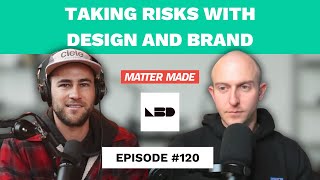
Eli Rubel discusses how bold design and brand choices drive pipeline in SaaS marketing. He covers marketing velocity, paid media efficiency, and why creative differentiation matters more than micro-optimizing campaigns.
In a world where there is so much competition, you need those advantages. And if you think that someone is going to, you know, lay up the feature Checklist and compare 50 features and okay, well they do this one thing like, no, I believe in like taking those things out of buyers hands. I want to win with our story, with our brand. And I want to show you that we can do all the things that you want. And so I'm 100% on board with this idea that design and brand can be a competitive differentiator.
Exit.
All right, Eli's here. We connected last year or so and I, I have a bunch of questions right, right out the gate. So you, you're the CEO of a design agency, a design company. But then if I go into your background, you've been advising a marketing advisor to a bunch of really interesting SaaS companies over the years. So what, what is your background, man?
Glad to be here. Yeah, I've got a weird background. Honestly, it's very atypical. I actually went to art school, dropped out of art school, thought I wanted to be an artist for a while and then realized like, oh shit, I need to make some money in my life and do something.
So that happens to everybody. None of us, none of us are here. Most of us on this podcast did not wake up.
And.
We'Re not born to be here. Right?
Right. Yeah. No. So, yeah, I call that my quarter life crisis. And I decided that I would move into my mom's basement. And I wasn't allowed to leave until I started a software company. And so I was like 21, maybe 22 at the time and did exactly that, moved into my mom's unfinished basement. It was in Portland, Oregon. It would flood in the winter with water and I'd have to like, you know, mop up the water as I'm down there lamenting my decision to set this challenge of not being able to leave until I'd started a software company. But long story short, ended up starting a software company. We raised VC from firms in Silicon Valley like True Ventures and a bunch of others. And that business ended up getting acquired in 2014. So yeah, that was my first foray into tech, was as the CEO of a software company. And then from there I bought an e commerce company.
What was this? Like, was there a team? Were there people? What, what was the, what was the business?
Yeah, so we, I kind of. My thesis was like, I don't have any business being in business. Like, I didn't go to business school, I don't have any background. I don't really have any knowledge. So the way I want to compete is picking a really boring, uninteresting sector that there are like, I'm not competing with a bunch of Stanford grads. And so landed on contract lifecycle management, which today comparables would be like. Yeah, right, Comparable to like Panda Doc essentially today. Something like that. Okay. But this is back in the day of DocuSign when they still just did signatures. There was no like approval flows or any kind of like workflow based logic. So tackled that. Yeah, that was our, that was our focus. Built a team.
And how big was the company?
We were super small when we were acquired. So there were like 10 of us. Something like that.
Cool.
Yeah.
And then how did you. So you've been a marketing advisor to C level execs at Dropbox Loom Product board. Like how did you get in there? And, and what? Like who, who, who are you to do that? Right? Like, I don't even mean that in like a, like a, a condescending way. I'm just like, wait, this guy's a CEO of a small startup, they get acquired.
Yeah.
Now he' advisor at all these like relatively well known SaaS companies. Where did that come from?
Yeah, so after the acquisition I wasn't really sure what I wanted to do next and basically went to our investors and was like, hey, do you guys like, what, how, what should I do with my time? And they're like, why don't you like pop around our portfolio and start helping advise some of these early stage companies with how to think about growth and stuff like that. Like I had done that early stage growth Sprint prior to the acquisition and so that's really where it started. I just started advising, you know, early stage companies and then an advisor of mine joined Dropbox and wanted like a fresh perspective on what was going on there and ended up going all the way up to the C suite and an advisory role there. So it just kind of like won popcorns to the neck. Next. Popcorns to the next. And I think you start to, I'm sure you see this too. Like you see enough patterns, enough times that you can essentially drop into most of these businesses once you're familiar with that sales motion and, and have some thoughts.
And do you have a general kind of like thesis, like a view, a view of the world of what usually works or doesn't work across these companies, especially in the early stages?
Yeah, I mean my general thesis in the early stages is that most people fail at Velocity. They try to get too clever, they try to get to. They're looking for new and novel and at the end of the day they're missing the fundamentals and they're not shipping fast enough. Probably same could be said for product, but in this case I'm talking about marketing and go to market motion.
Yeah, and let's, let's go, let's go riff on that a little bit because I'm a believer in that too. And that speed is the most important thing, especially in the early stages. But there's often a lot of pushback on that because people don't want to change the website so quickly. They don't want to go after a new market. But as we're starting to build Exit 5 as a business even we're making changes every week and we're trying to come up with new stuff that we're doing every week. And I saw this at Drift when I was there as an example of momentum. Like it's contagious, right. The more stuff that you're creating, the quicker, especially today when you have social media, you have email, you have an audience that you can reach directly, right. Or even early customers. Right. You can get feedback, you need to ship something so you can get feedback on the messaging, on the product and you need to keep iterating on that. But what's your like what should marketing be? Shipping. Right. It's obvious, like people know that product is going to move fast and ship stuff. But when you talk about marketing, shipping, shipping and marketing velocity, what do you mean?
Yeah. So we have this whole thesis that we created around demand efficiency. So zooming out for one second, I have, I have two agencies, right, that I run, Mattermaid which is like demand efficiency, performance marketing and then the design agency, no boring design. So matter made. After four years of doing these engagements with super high growth startups, we basically had this pattern where we would go in, we would spend two to four weeks doing really deep dive discovery to find out exactly. Basically a gap analysis. Where are all of the areas that they were lacking and what we found this ties back to that people tend to focus on the big sexy things like the obvious levers like you hear the talking heads on podcasts where you know a lot of them talking about like demand capture and demand creation and just like the big, the things that are fun for execs to get into a room and talk about budget and blah blah blah blah. But in doing so they neglect the what we call the micro surfaces. Like all of these small places throughout buyer journey where you could meaningfully drive conversion like ultimate conversion. If there are, you know, 50 or 100 microservices across revenue, orchestration, tofu, mofu, bofu, ways that you can experiment, messaging, alignment, brand retention, expansion. Like if each one of those buckets has some number of these microservices that you could tweak and drive conversion improvement. I mean you could cut your cost to acquire in half or double your pipeline with the same budget. But people don't prioritize those small spaces, those micro surfaces because when you look at them individually, they seem like a nice to have. They seem like it's kind of like a three week project. And really what we should be focusing on right now is insert more interesting sexy thing. But like the aggregate of combining these smaller microservice projects and shipping them on a regular basis back to your original kind of point is where I think the most meat is on the bone at the end of the day the company.
Is that what you do with matter made from a, like what does a typical engagement look like?
Yeah, so matter made's changed a lot over the years. We used to do full spectrum demand gen and now we just focus on paid media. So performance media. We, we come in, we're, we're pretty well known at this point for coming in, reducing a company's paid spend, keeping their pipeline the same. And then once we've found the efficiencies through a bunch of the stuff that I just mentioned and everybody's happy with the unit economics, then we can pump up spend together with the team. But yeah, we frequently come in and like cut spend by 30% through all of these efficiencies while maintaining the same pipeline.
Which are the typical channels in that paid bucket that you're focusing on?
Search, social indie channels, depending on the industry that they're. They're in.
What's the indie channel? Like a niche community? Like it exit 5 for B2B marketing as example.
Exactly. Yeah. Cool.
And then what, what goes into that? Like what are the big general themes that you see over and over? Like you come in and you reduce spend. Where, where is money? You reduce spend while keeping pipeline the same. What I'm sure it's the 8020 that you see across these companies. What is it so often that you can cut that doesn't impact pipeline?
Yeah, I mean so the first thing that sounds so dumb and ridiculous to say, but it's so true is most of them just don't even have the measurement in place to know what's working and why. And so the very first step is getting Them to a place where they have clean data so we can actually make real decisions, not gut based decisions.
And are you working with specific. Like it seems like the companies that you're working, that you've worked with like just the ones that you reference. Right? Like Dropbox, hoppin, G2COM, loom, productboard. Those are all like self serve signup type of companies. I don't know what you'd call them. Maybe product LED growth.
Yes, we have. It's pretty evenly mixed between PLG focus pure like old school sales led and then some folks, folks have like hybrid, you know, PLG into a sales assist.
Got it. I was just going to ask because like the measurement at least this has been my experience and I'm not very good in this area. But the measurement is easier in the high vol. High volume product led companies. My experience has been that it's much harder to figure out what you should be doing with paid in the sales LED motion. But I'm not sure if I'm right about that. I'm curious to hear your take.
So your, your take is that it's much harder to measure in a sales LED motion for paid Just.
Yeah, like that, that. Oh, someone converted on this. Right. Like first if you have loom and we're trying to drive people into the free version of the product, that's much, that's much easier. It's much more direct. Direct response.
Right, Totally. Yeah. It's much more like B2C almost in nature where you're, you're able to very quickly. So these longer sales cycles then you get into like arguments around attribution and how are we actually like modeling that piece of things which is at the end of the day I think quite a bit of a distraction from just like are we increasing revenue in the way that we want to at the price that we want to. But yeah, anytime the sales cycles get dragged out it's going to increase complexity there on measurement.
And do you have like benchmarks around targets like you mentioned? Like we want to keep things the cost like the cost that we want them. Do you have rough benchmarks for ratios that you like?
Yeah. So actually we published all of this on Mattermade Co. You can go and see the demand efficiency benchmark and that's where companies, I mean ranging from like box $0.06 most, most of like the fast growing or established tech companies at this point, their marketing leadership have gone in there and taken the demand efficiency evaluation and then we allow folks to opt into benchmarking against each other so they can see like oh how am I doing as compared to fill in the blank other company and they can specifically see like what, what area, what microservices exist, where is the low hanging fruit? So originally that was kind of like our secret sauce. And I realized when the market took a downturn I was like let's just open source this and let people like self evaluate and some people are going to need help with it and other people are going to just take the information and it'll be helpful to them. So yeah, we publish all.
What are the most important benchmarks that somebody who wants to get better or start exploring or getting smart about paid should be focusing on.
So in this case our benchmark, it's our own metric. So it's the demand efficiency score. So it's not like a subset of paid. It's really looking at the entire, their entire program across those categories that I mentioned earlier.
Right, but is there something like CAC and payback period like those, those have to be meaningful, right?
Yeah, yeah it's all the, all the usual suspects in SaaS metrics. And what those usual suspects are going to depend on their selling motion. Right. Like to your point, if their sales assist or mostly plg, it's going to look quite a bit different than sales LED or more enterprise motion.
So and what are, what are the most common in inefficiencies other than me? Measurement. Right, like let's get measurement. Right. Where are we, where do we see people typically wasting money?
Yeah, I mean like we can just pull this up and look at some real company examples. If you're, if you're game for that, that'd be great. Let me move you over to the other monitor. So if we go to mattermade Co, there's a demand efficiency dropdown. Go to the benchmark and so we can see all the companies who have taken the evaluation and opted in like Sendoso, ZoomInfo 6 Sense Grammarly and they're stack ranked by their sophistication around demand efficiency. So if we jumped in to answer your question, let's go towards the bottom here we've got Picnic Health. So the three areas it says that they need to improve messaging, alignment, experimentation and customer focus. And then within that it's saying, all right, they haven't implemented lead routing or automated lead booking or lead enrichment. They have an opportunity to launch experiments to determine channel viability across out of home podcast direct mail. See, they don't have mofu nurture sequences to support accelerating the middle funnel conversions, increasing free to paid conversions. They don't have use case and Persona specific sequences. What else? They don't have post close retention nurture sequences. So it's a lot of like, it's like death by a thousand paper cuts.
Yeah. And I get what you're saying now with like these micro surface areas, it's like you're spending money, you have the creative, but there's so many things that get you. Like if you're trying to go from step A to step D. Yep. It's like, oh, well, what's the like, what was the landing page there? Oh, there's no email like. Or the email is not performing here. It's there. It's like it's a bunch of leaky parts of the funnel. As opposed to like, we need to throw out this creative completely, come up with a new campaign. It's all the stuff in the middle.
Which totally adds up. Right. Like if you compound some of that stuff together. I have an example here for you where. And this is actually what led me to starting the design agency. No boring design. So at this client way back in the day, it was the first electric motorcycle company in Silicon Valley. Alta Motors. Great product. And they don't exist anymore. But I was helping them with some marketing stuff and their, it was their cost to drive the action they were trying to drive, which was to get people to sign up to go ride one of these bikes in person at an event. It was like $37 was kind of their baseline. And came in, looked at all the different elements of that campaign and just focusing on one micro surface right now around design, we were able to tweak between design and copy. We were able to get that down to like I think A$30 at its lowest. And then it normalized around 7. And that was through like just simple experimentation with design. So for example, you know, I ride motorcycles, but I don't jump motorcycles. And so if I see an ad of a motorcycle jumping through the air, I don't identify with that. Doesn't get me going. But if I see a motorcycle like ripping through a forest, that's a different story. And so just like simple variations and playing with like, is something that's colorful going to grab more attention than maybe something black and white that's going to be more timeless and like nostalgic? And the answer is none of these are right or wrong. Most people just never take the time or have the rigor to actually test and learn A lot of, I think a lot of teams and this is a pattern we see a lot of teams are let's let's say, for example, average client spending a hundred thousand dollars a month on paid across a variety of channels. Many of these clients, especially the earlier stage ones, call it like pre, like series C and below. They're operating from brand guidelines that were maybe created by the founders in a room with a, with a tiny budget way back in the day. And, and all of the decisions around Ad Creative are being hindered and restricted by those early brand guidelines decisions that haven't been updated. And so you're talking about $100,000 a month that is potentially being like massively handicapped because the marketer is afraid of getting fired and because they don't want to step outside of brand guidelines to experiment.
It's crazy. I mean, you just go to the LinkedIn feed and if you see ads, I would say 90% of the ads look like ads.
Yes.
And I used to have, I had a great relationship with a creative director at a past company, but we would always argue about like the line between like looks good and on brand versus. I wanted to just like write a bunch of scribbles on a post it note and take a picture of it and use the picture from my iPhone as the ad. And he was like, we could never do that. That's not on brand. I'm like, but you have to play the game a little bit here, which is like, you have to stand out. You have to interrupt the pattern in some way. And I always felt weird about, like, why are we spending so much money on paid media when all this stuff just goes off in my brain as ads and everybody has this banner blindness and it just blends in too much. I don't understand that exactly.
When you're talking about a meaningful monthly budget, like $100,000 a month, for example, if you could write on your post it note and have it interrupt that feed and not just be another ad and it stands out and, and you got, you know, 50% lift because of it. Who gives a fuck if it was on brand guidelines or not? Like, your CFO is going to love you.
So I want to get to the design piece because I think it's interesting that you, you basically have a paid media company and then a design company and we're kind of only talking about. Well, I want to talk about the design piece in a little bit. But you're talking about this idea of all of these micro surfaces, right? I used to call it something different. I kind, I called it more like free money. It was free money or house money, which is basically like we already have all this traffic here. They converted on this landing page and then we send them like this really shitty email that comes out after that, right? And versus, like, the opportunity is like, well, everyone's already going to get this email anyway. I remember doing something for an event once where we were trying to drive tickets to an event and the number one channel ended up being after, like Eli buys a ticket to this event, we send you an email and we offer you like a promo code to bring a friend or something. And that just adding that little micro step in there became a channel to get like hundreds of new ticket sales as opposed to. It is to your point. It's so easy to be like, all right, what's the next big hit? And it's just exhausting when you have to come up with this next campaign. Next campaign. So I guess, like, how do you. How do you. How do you get coach people to focus on this? Is it like, let's get on the whiteboard and like, map out all of the go take the next campaign? And I also have this other competing thing in my head as I'm saying this to you out loud, which is like, I also do see, though, like, I do see some people obsess over like the nurture emails a little bit too much. And it's like, there's also this balance of like, sending another nurture email is not why this campaign is not working.
Yeah, totally. So to the question on, like, how do we do this with clients? And just in advising and all that, I actually use the framework that is published on the site. So I have them take this evaluation, which gets me. I mean, this is basically like 80, 20, right? It gets me, them and myself visibility into what are all the total possible things that they could be working on. And then we go through and say, okay, like, how. How many days of effort, how many team resources do we think each of these is going to take? Like, small, medium, large. And then we stack rank them based on impact, like potential impact, and start clustering them together and then basically have the team commit to a cadence. It's just like anything else. It's like, hey, what would be a reasonable cadence based on your team size and capabilities right now? Is it knock one of these off? One. One large, one medium, one small per month, per quarter. Like, I don't know, you know, some teams are knocking three small off per week. It just really depends on the. The team layout. But it, going back to that original point of velocity is finding a velocity around this particular discipline and then not over investing right to your point like it's 80 20. You don't want to. You don't want to polish a hundred percent. You want to knock as many of these microservices out to an about 80% of. Done. Moving on to the next one.
Speaking of nurturing, have you found any particular type of recipe or what works here? I do see this question come up in the Exit 5 community a lot and somebody asked it for like an AMA that we're doing tomorrow and I figured I would ask it to you now which is. All right. We have great open rates on our nurture. This is from pia. We have great open rates on our nurture cadences but conversion is pretty much non existent. Have you seen a nurture play that directly converts at least eventually. So this is actually perfect. Right in your alley of like what would you advise? What should the process of what should PIA go do here? We have great open rates on our nurture emails, but conversion is pretty much non existent. How would you go and tackle that?
Yeah, I mean the first and obvious piece is like if open rates are great but conversion is non existent. There's something in the headline that's really compelling that people are willing to spend some time on.
Yeah, get free free pizza if you open this email.
Yeah, yeah, exactly. Like but then the thousand dollar Amazon. Right, Exactly. Yeah. And then, then I mean it's like reverse engineering. Okay, where's the disconnect? How could we. You know a lot of the time companies will be nurturing but they're nurturing this like incredibly massive software purchasing moment. Right. And that moment it might be that they're already bought in on the concept but it's like they don't have a budget. There's nothing you can do about that.
That's kind of my, that's been my take is like with working with companies with a bigger, a bigger like average contract value. It's like ah, is it that you know, you could send three emails or 16 and the emails are not going to be the reason that they do or don't buy. Right. They're not going to be like oh thank goodness you sent that 11th nurture email and like yes, I would like to take a call now.
Yeah. And I would think about it to that point. Like I would also think about it and challenge a little bit on nurture emails might not depending on your sales motion. Like if you're enterprise led long sales cycles, nurture emails might not be the place where you're driving conversion. That shouldn't be the Goal, it's you're building trust, you're building authority, you're staying top of mind. But it might not actually be that because again, like it might be January, they might not be making this purchase until August. And again, nothing you can do about that except add value to this person's life and be a champion of their role as a company. Build brand value. And then they just think of you first when August rolls around. If you're like a loom, for example, obviously it's very different. Then it's much more B2C. Like you're able to have a hook in the headline and expect that they click on the link. And if they don't, you've done something wrong as a marketer and you should be experimenting and tweaking with all of the little variables they're in.
I like that in that example from pia, it's like, okay, you have this one data point that says people are opening it. So they're clearly getting it, they're clearly interested in opening it. Obviously to your point, the con, the subject line does matter. But like, then the first step is like, well, how could we, we need to, we need to put a better message in here where it's like, it'd be a different issue if like, hey, we're sending all these email, these nurture emails out, nobody's even opening them. Okay, then how do we get them to open them? It's I like this micro surface approach because you're just kind of like, you're just being a little bit more targeted with smaller stuff. And to your point, to make this change, it doesn't require like a three week design sprint and approvals from everybody. Like, it could just be like, yeah, that makes a ton of sense. I'm going to go change that email right now and I'm not going to ask anybody to approve it. Like, we're just going to go do it. And that's how you create this velocity of shipping small wins. Is that kind of what you're referencing in the beginning?
Completely, yeah, you nailed it.
Also in the nurturing thing, I think people get caught up in like, nurturing must mean like X number of emails where I see it. All the, like, nurturing can come in other forms too. Like I'll notice even in just like with my small business as an example, like someone would be like, I just joined Exit 5. I've been listening to the podcast for six months and I finally saw a LinkedIn post. Like, and I joined that. That to me is also nurturing. It's like you can be getting in front of your ideal customers in a bunch of different ways so that when they are ready, 95% of people are not going to be ready to buy right now. When they are ready, you're top of mind and they're going to come in and be interested. It's not going to be because they directly converted on some nurture email that you sent.
Yeah, completely.
What else is interesting to you, sir?
Yeah, I mean I've been nerding out pretty hard on the design side of things ever since spinning out no boring design. Our focus there has been what made.
You want to do that by the way? Why did you go spin out a design company from a paid media company?
Yes, I. Design had always been design and creative had always been a huge part of our secret sauce at matter made on the paid side. And we had people coming to us saying hey, like the creative that you're pumping out or the website that you just released, whatever is really excellent. Can we work with you just on the creative side? And I kept saying no. And then at some point like small business, Eli's brain was like, hey, I should actually just say yes to this and spin it out and offer it. Because I see so many companies either failing to have an interesting and iconic memorable brand and website or the same statement but for their marketing, creative and collateral and just anything visual. It blows my mind that like tech is generally full of a bunch of well educated folks who are smart and yet we fail to grasp many in many cases, like we're emotional beings when it comes to purchasing things and learning about things. Like we like things that are beautiful, we like. It's like Apple, right? And yet when it comes to B2B, we're just like, nope, needs to be a corporate PowerPoint presentation look. And so I'm pretty passionate about making that part of the Internet a more beautiful place, a more aesthetic place. And I think the companies that are willing to take that risk and make that investment are rewarded in spades. I'd imagine as someone with a strong point of view on brand yourself in B2B. This is something that you probably feel strongly about.
Yeah, I mean I was trained to think this way by when I was at Drift, I worked for this guy David Cancel who's a CEO and we had product differentiators that we were building. But his big hypothesis in the beginning was like, hey, we're going to in a sea of 10,000 sales and marketing tools, we're going to win. We're going to differentiate ourselves by brand and that meant like the look and feel of the company, our tone of voice, the way we did things. And you know, he was obsessed with like the, the, the types of like hoodies that we, we sent to customers or like the font on the website and the, you know, us not looking like everybody else. And I see now how that was so, and I saw it then. I mean that was so essential to like, yeah, I don't know yet how you're different than these four other companies. But like, I just think your stuff looks cool. So I'm ready to talk. And you know that that gives you an, that gives you a huge opportunity. And I think in, in a world where there is so much competition, you need those advantages. And if you think that someone is going to, you know, lay up the feature Checklist and compare 50 features and okay, well they do this one thing, like, no, you, you need to like, I, I believe in like of buyer's hands and like, I don't want you evaluating the features of like our nearest competitor. I want to win with our story with our brand. And I want us to, to show you that we can do all the things that you want. And so I'm 100% on board with this idea that design and brand can be a competitive differentiator. The hard part is it just constantly tries to break inside of the company when you get into this. And I'm not calling out demand gen people, this is very important. But like when you get to the sales and the revenue side of things, like, people just default to like, well, this is, you know, an ad to promote this thing, this ebook that we're doing. And once again, it should just be a post it note, you know. And we did some really awesome ads in the early days of Drift where like, and we had a lot of fun doing this where we would take, we just take pictures with our, with. We would literally take a picture with my iPhone and that would be the creative for the paid that we were running. And we had like Matt who was our, who was like a product manager and Jess who was in marketing. And we had them like stand with their arms crossed in the middle of the office and their backs to each other and they both look like real mean and mad, you know, just silly. And we said like, you know, who will win the battle in sales versus marketing? And it just was completely made up. But that creative worked amazing. And it was a picture we took with our iPhone and it was like, oh yeah, I believe like things should look great and look professional, but In. In. In a world of, like, marketing is a game of attention. You are trying to literally get people to pay attention to you. Why would you not try to stand out? And it doesn't have to be in a corny way. It doesn't have to be in a forced way. It doesn't have to be in a desperate way. But there's so many ways that you can use brand to create an advantage. And I've seen a bunch of your stuff. It looks awesome, and it doesn't look like the type of design that other people are doing. How do you. How do you pitch that to some? Like, do people come in and they know that that's the type of stuff you all put out and that's why they want to work with you? How do you help people get over that hurdle of, like, hey, let's try to do something that doesn't look like what everybody else is doing in your space?
Totally. Yeah. I appreciate that. I. My approach has changed a lot over the years. I think, like, part of it is just having been in industry long enough now where when people. And in a way, the design agency is like, it started as a passion project for me, so I'm much more comfortable being really, like, blunt and just myself with people. And so, you know, you get these, like, series A, series B series C founders coming in and, like, kicking the tires or their marketing leaders kicking the tires. And I'd basically just tell them the same story, like, hey, how much are you spending right now on paid? Right. And like, if we could do something so silly as mess with your design and increase conversions by 25%, like, would you care what it looked like? Would you be willing to take that leap with us and try. And the answer to that, once they see it as, like, a conversion lever, not just a oh, I want to impress my buddies on LinkedIn by how cool my company looks lever, they're bought in and they're willing to take that leap. And then, of course, once people get a taste for it, they're like, oh, this actually works. What? We should be investing in creative. So, yeah.
And do you have a process? Like, I know I've done a bunch of design exercises in the past, and some people, you know, they'll ask you a bunch of questions and which type of things do you want? And they have the, you know, the 12, like, brand archetypes wheel. And do you have a process that you. That you use for that. For developing a brand? No.
Oh, for developing a brand? Yes.
Yeah.
I thought you were talking about for, for like our approach to creative is just, just to your point, like getting creative. We've got a bunch of senior creative minds in the room and I think to some extent when you put structure and process around creativity, it can kind of like squeeze the life out of it. So in many cases. No, in many cases we will just like riff as a creative team with the creative directors, lock themselves in a room and come out with something really interesting and some options to try.
And ultimately, like, in that scenario, you're just working, you're doing something based off of their existing brand guidelines and you're just going to create a campaign, right?
Yeah, and that. Yeah, exactly. Or trying to like, take what they have and, and bend it to the furthest extent that we can possibly bend it before someone slaps our wrist and says, okay, that's like not our company anymore.
Yeah, yeah, sure. Which is, which often works. And then do you, do you do any like, creation stuff? Have you worked with somebody on like developing a brand identity or are you more working with existing, like companies that have already defined those and helping them execute?
It's 50. 50. So we do, I'd say 50% of our engagements are, are. They already have brand guidelines locked in and they just need help on like we need to produce ads, we need to produce, you know, social graphics, we need to produce anything visual, landing pages, et cetera. And we just are on retainer each month cranking those out for them. The other half are, hey, either our brand guidelines are outdated and we know it, we want to refresh them and create something iconic or were, you know, seed stage startup series A, we've never really gone through that in the first place. We picked some colors in a font to raise money and now it's time to like, do something meaningful. And so yeah, that's where we will run through a full process, create their brand, create their website, work with them on, on that full picture. We don't touch like narrative around, you know, like messaging, positioning, copywriting. So they come to us with that point of view on the industry and where their place is in there. But then we work with them to make something like truly iconic that stands out, which I think at the end of the day is much more durable than this is going to be a super hot take product. Because I think product, like most of these founders, this is, this is about as spicy as it gets from me. Most of these founders come in and they think they're going to like change the world with their tech and it's not new and novel. But then like if they're actually onto something, there's going to be five well backed competitors within the next three years and they're, and they're just going to be duking it out for feature parity. So it's like once you have a thing that's legit, it's almost game over on like your product is this unique unicorn of a differentiator and you need something durable like brand like your visual identity that keeps you top of mind and sticking out in the market.
Do you ever work with teams where the in house creative team is a little upset that the head of marketing went to go work with you all directly as opposed to them?
Yes, we, we have a process for that though. Like our pitch there is like hey there. We sell it as like there's so much tedious like you as a design. Usually it's like the designer or creative director like hey you, you hate doing ads, you hate doing ebook covers, you hate. This is like it makes your soul as a designer die. Every time you have you get asked to do it, you want to do the interesting like creative explorations, blah blah, blah, blah blah. And so we sell them on the idea that like we're going to take over the mundane part of their work and then once we get in there and we earn their trust, we slowly start to have more of a point of view and an opinion and can like really help be a partner in the room when it comes to driving creativity, not just like a commoditized resource.
What do you think makes design and brand not boring?
Great question. I think it's about taking risks. Taking risks in ways that other companies aren't or haven't. Taking risks in how far you take certain concepts, the details. I think it's probably those, the over the overlay of those two pieces to me is what, at least in our, especially in our industry around creativity and like where it can drive the most impact and how. I think if you really knock it out of the park with those two layers, people will notice.
What do you think about mascots?
The mascot, you know, let me give you context.
There's no context. This is how I am. But yeah, what you mean like there was a deck like a decade ago people would just be like best brand mailchimp, right? Like yeah, everyone loved in a world of like they had just had the way like the monkey, the sweating monkey pressing the email send. I was working at constant contact back in the day which was like mailchimp before mailchimp and mailchimp was eating Constant contacts, lunch because they had a free product and they had this like cute and fun and weird and quirky brand and that the monkey was behind that. And, you know, there is just so much sameness in B2B SaaS that we see today. And it's like everyone's got the black and the white and the blue. You know, there's something to be to your point of just like doing something, like taking risks. Like there's something to whether it's a mascot. I don't even know if it's a mascot, but there's just something to like just doing something nobody else is doing that's going to get you attention.
Yeah. I mean, the great thing about mascots is, and you mentioned a piece of this, like, it gives you permission to get really creative in places that people aren't expecting creativity. Like the sweating monkey pushing the button. Like that could have just been a button or an arrow or whatever. And instead it was like this moment of joy that you gave someone randomly when they weren't expecting it. And having a mascot gives you that opportunity to like, involve them in all of these little micro surfaces, if you will. So, yeah, I don't know.
I need an Exit 5 mascot. Like a sign with legs and like hands or something.
Like, I need the sandwich board.
Sandwich board.
It should be the, you know, the. I love the tiktoks of like the blow up outside of like a tire shop. You've got like the blow up thing and it's flapping in the wind and they set it to like a, like a hip hop beat or something like that. You should have like the blowing in the wind mascot.
All right, I'm making a note. I'm making. No, Dan, if you're listening, we need a mascot. We need a mascot. We need a mascot asap.
I'll have the team at no boring design throw together.
I need something crazy. I want a viral, like, I just want a viral LinkedIn post that's really. I don't care if it works or I just want to.
We'll do it. We'll do it.
Yeah. All right. Anything else before. Anything else before we. We should wrap. I think like, this is, I think a couple things I got from this conversation today. It was like, don't be afraid to take risks with design. And in fact, that's going to be the thing that's gonna be thing that helps you stand out and you can actually drive pipeline by doing this. In a world of sameness and lots of noise in the feed, how can you stand out and brand can do that. Prioritize the small spaces. I made this note like you can make. You can make small wins. The big. The big wins by finding these micro surfaces and prioritizing these little things. And so maybe like a call to action for people is to go and reevaluate all the, all the existing parts of your funnel today. It could be. This email could be better, right? This landing page could be better. This piece is missing here. Go and evaluate all those things. And I love that as advice, especially, you know, you had sent this an initial note, but, like, at a time where CAC matters more than ever, right. Everybody's looking to get more efficient. To your point, going in there and finding things that you can either trim out or make. Make more efficient by finding these micro surface areas. I love that we talked a little about nurturing, but maybe if you want to have a parting thought, we got a couple minutes. If you want to get something off your chest.
Yeah, I mean, I love this conversation. I think there's so much out there that is free that people can do with it with just a little bit of time and elbow grease to really meaningfully impact their year, like the outcomes of their efforts. And so, yeah, if, you know, folks want to, we have that free evaluation, Mattermade Co Demand Efficiency Benchmark. They can take it and it'll spit out all of those results. And if nothing else, it gives them like, fodder to sit down with their team and talk about and brainstorm and potentially get on their roadmap. And then likewise, if folks are curious about the impact that, you know, investing in design, investing in brand could bring, noboringdesign.com and if you mentioned that you heard about us through this pod, we'll do a free design on it.
Oh, I love that. All right, so, so, so go check out Eli. Go to eli Rubel on LinkedIn. It's noboringdesign co noboringdesign.com Yep. And mention that you heard about them from this podcast and get a, get a free, you know, some free design action going on there. And I really like the, the benchmarks you. You mentioned from, from Matter Made. What's. What's the link to that resource?
If they go to mattermade Co up in the top nav, there's the Demand Efficiency benchmark and the Demand Efficiency evaluation.
Perfect. I got that now. And we'll link to that. All right, Eli, great to. Great to have you on. Let's stay in touch. I'm gonna send you a note. Let's let's help me come up with a mascot for exit 5. This is a serious project now, dude.
I love it. Let's go.
All right. Good to see you, man.
Likewise.
Ex.
More from Dave



Asynchronous work isn’t a trend. It’s how teams actually get things done without burning out.

AI is changing product marketing. Here's how top B2B teams are scaling without cutting corners.

How Product Marketing Is Evolving in 2025: Lessons on AI and Leadership with Jennifer Cannizzaro

Why referral programs look different outside of SaaS (and why that’s a good thing)

The secret to scaling dual GTM? Give every marketer ownership and get out of their way.

From content to CMO: how Jess Cook made the leap (and built her first budget from scratch)

Leading B2B Marketing for the First Time: Strategy, Budget, Content & Team with Jess Cook

Most B2B advice is built for SaaS. But what if you don’t have demos, PLG, or lead goals?
