How Do I Take Care of Myself as a Founder without Letting Everyone Down? | Ask Dave Kashen
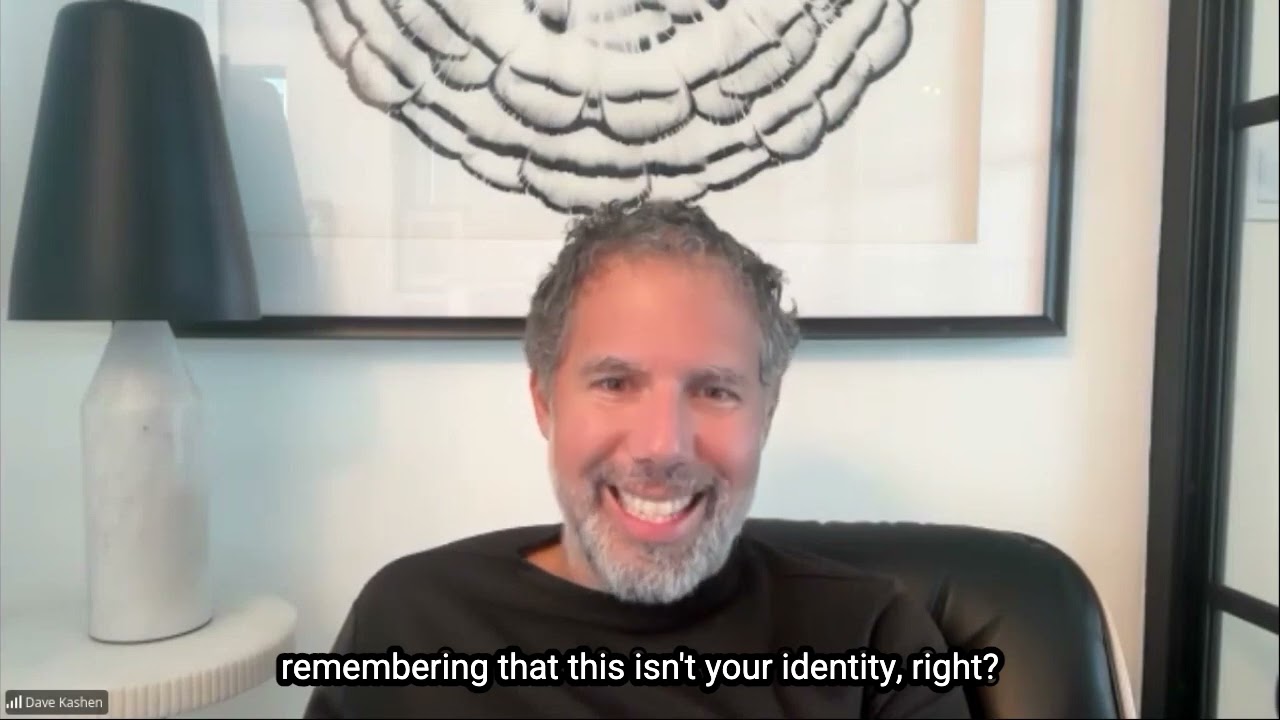
This content was created by Dave Kashen. This content was uploaded by Dave Kashen. This is a YouTube Q&A titled "How Do I Take Care of Myself as a Founder without Letting Everyone Down? | Ask Dave Kashen" (published 2026-01-19). It features Dave Kashen in conversation with an interviewer (labeled Speaker B). The discussion focuses on founder self-care: debunking the ‘sacrifice’ myth, managing energy rather than just time, the productivity benefits of exercise and vacations, using time off as a forcing function to delegate and scale, examples (a client’s honeymoon), and the value of retreats and context shifts for long-term effectiveness.
Chapters
First of all, I think one of the biggest myths in business and startups specifically is that success requires sacrifice. It's sort of born out of this win-lose mindset that like either I can thrive as a person or my company can thrive as a business. And that's a really common sort of perceived trade-off. And so you see lots of founders, you know, even some who used to have like really regular exercise habits and hobbies and, you know, spend time with their friends, sort of let all that stuff go on the altar of startup success. And I think what it— well, one, it's limiting belief that that success is— that sacrifice is required. Um, because, you know, there's this phrase, one cannot drink from an empty cup, right? Like, if you're operating in a way where you're basically draining your battery, burning yourself out, like, you're not going to have much left to give. And, you know, most people recognize that, like, an hour where they're at their peak state, you know, they're way more effective at accomplishing tasks, at being a leader, at motivating people than like that, you know, last marginal hour where they're still just trying to push, you know, beyond their natural human limits. And so really, if you're trying to, um, maximize sort of results and output, you need to be grounded in the reality of like, what does that, right? And, um, I think from this sort of zero-sum you know, I have to sacrifice mindset, a lot of founders end up operating at a, like, a suboptimal state where they're not actually their most effective as a leader, they're not as creative as they could be, they're reactive. Um, and so what I think is so exciting as a possibility is this kind of both/and win for all where you're investing in your own state by exercising and keeping up hobbies and, you know, doing things that energize you, spending time with people you love, being present with them. And then when you're focused on the startup, you just have more to give. So you end up being way more productive and effective and a better leader and being a better, you know, let's say you're, you know, a spouse or parent or you know, friend. Um, and I think the, the myth is that it's like the zero-sum thing, you know, based on just like time, which misses how effective you are during that time. And so I just think it's a, it's really cool phenomenon. Like, I know for myself and lots of my clients, if I go exercise for an hour, I'm way more clear-headed, I'm way more effective, I'm way more, um, inspiring And so it's actually totally a win-win. And founders who come to view investments in self-care as important, you know, startup, like investments for their startup, right? It's actually not an expense. It's not like a cost to their startup to have them go spend an hour, let's say, exercising. It's actually an investment. Because they come back, you know, and most of us have had this experience, they come back from the gym, you know, way more energized, way more clear-headed, you know, having these kind of breakthrough insights, being able to, you know, inspire people and motivate people more effectively. And, you know, the truth is when you're building a startup, like, at least subconsciously, like, you're sort of always on to a certain— it's not like when you go to the gym you know, your brain is not thinking about all the goals and challenges of your startup, right? This is like the, the equivalent of like, oh, you know, having this breakthrough idea in the shower. Often those are the times where you have these breakthrough insights because you're, you're, you're getting out of your head, you're kind of quieting the noise, you're getting, you know, your endorphins firing and sort of, you know, stimulating your brain in a way that allows you to have more clear, more important insight than if you're just trying to sort of grind out another hour, you know, in the office or on Zoom. So I think most of us, um, at some level recognize that, but this idea that I'm gonna let people down if I take, you know, an hour quote-unquote off from work has a lot of founders stuck in this like suboptimal cycle where they're, um, they have less and less energy, and so they don't have the energy to go to the gym, and so then they don't go, and then they have less energy because, you know, going exercise energizes you. Um, so, you know, there's an article years ago called Manage Your Energy, Not Your Time. I thought was really insightful if you think about, um, yeah, if you just think about your energy being the most important contributor to the startup success, well then, and you think about like the arc of a week, it's a much— it's a very different way of thinking about, okay, how to use your time. If I'm trying to maximize my energy, or if I'm trying to bring as much energy as possible to my team and my company, well then there's a bunch of things you have to do to maximize your energy, like rest and renewal and exercise and self-care. And again, most people have experienced, you know, the difference between the times where you're really energized and the times where you're drained. And so it has a lot of face validity, but I think it's sort of this, there's kind of this default zero-sum mindset that like, I have to give all of my time to my startup or, you know, and that like, that's what my employees expect of me or that's what my investors expect of me. And I think the truth is what people really expect and want, you know, from you as the founder or CEO is to bring your best, right? Not to bring, you know, not to maximize the quantity of hours that you give, but to bring your best self. And I don't think we do that by sacrificing ourselves.
Hmm. So when you say like you can have it all, that's usually around just like taking care of your energy essentially? Or is there also like, say I wanna go, you know, on vacation for a few weeks, but you know, there's, you know, a pressing situation in my startup. It's like, how do, like, is that, does that play into like the, you know, you can—
Yeah, it's a good question. So yeah, when I say have it all, like, I don't— I want people to be grounded in reality. Like, building a startup is very demanding. There are times when there are critical deadlines that, you know, based on the market, based on customers, uh, partners, etc. So you need to be grounded in the reality of all that. At the same time, uh, as Clayton Christensen said in, um, the book— what's it called— How Will You Measure Your Life, Life is a series of extenuating circumstances, and especially a startup is a series of extenuating circumstances. And what that means is it never feels like the right time. There's always some, oh, I can't right now because of this. So I've seen founders, you know, okay, not now, but next month I'll take that vacation. Oh, but I can't now because we're raising money. Oh, but I can't now because we have this important client. And so then they end up just delaying and delaying, and then they drain themselves and, and also burn themselves out, you know. Um, I mean, I think there's a lot of like— doesn't get talked about, you know, much, but founders really, like, their, their health and their mental health and their physical health are truly sacrificed on the altar of startup success. And I, I really don't think that serves anyone or is required, and I think that's a dangerous kind of path to go down, to think that you have to sacrifice your physical and mental health to be successful. And so I do think the human body works in cycles. I mean, that's not just my thought. I think there's a lot of good evidence. You know, our heart opens and closes. We have circadian rhythms, right? We, we need sleep. The, you know, just like a year has cycles, there's different seasons, etc. So when we try to just work linearly and just push, push, push and ignore our body's natural limits, you know, that's not actually maximizing our energy. Like, we need to work with the system that, you know, in which we're operating, which includes being human and having a human body and a human brain. And so that's— I think that's where the danger comes in, is when, like, founders never take vacation, never get like a mental break, a context shift. And, you know, I've worked with lots of founders who finally do, and they're like, oh my God, like, I was so stuck in this rut, this like local maximum. And when I got a week off, I could just see things so much more clearly. I could see the patterns I was in. Um, and, you know, even more than just like a week off on vacation, you know, I'm a fan of things like the Hoffman Process and Groundbreakers and meditation retreats where you really intentionally spend, you know, something like, you know, several days or a week getting out of your normal context, seeing your patterns. And, you know, that gives you a chance to really create like this quantum leap in performance and energy. So I think it's— I think it's important to recognize that it's easy to get stuck in a rut and taking breaks and like taking yourself out of the context can, you know, get you out of those ruts, you know. And even just remembering that this isn't your identity, right? This is something you're doing. But like when you're in it every day, it could just— it could just like take over your identity and you forget that there's other aspects to yourself. And what that gives you is, is more spaciousness, you know. It's it's harder to let go of attachment to the outcome when it's like all you're ever thinking about and focusing on. When you, you know, hang out with your friends or your spouse or go exercise or go do hobbies that you love, go, you know, you know, go play a sport, it's like, all right, I'm— I have these aspects of myself too. And I think that's really healthy to maintain that like holistic perspective about who you are so you don't just get like tunnel vision and myopia around the startup, which I think actually leads to suboptimal outcomes.
So what advice— say I want to take a step back, but I'm afraid that if I do, things will just start falling apart. What advice would you give?
Yeah, I mean, that's, that's a more intense version of like, I want to delegate this, but I'm scared if I delegate it, it will— it won't go well. And what's cool about the question is, in order to scale, you have to learn to let go. Like, you just have to. You can't do all the things. And so what I like about vacation, it's like, it's, it can be like a forcing function to letting go. It's like, okay, if you're gone for a week, like, you really get to see what falls apart, you know. You really have to think about Um, you know, who can I delegate to? How can I delegate well? What context do I have to give people? Or if there's no one you can delegate to, well, that's, that's informative around your hiring. Like, oh wow, I really need someone on my team who can handle these kind of, you know, tasks or responsibilities, because otherwise I have to do them and that's limiting me from scaling. Or especially as the founder CEO, like, there's very few things that only you can do. And one of those things is thinking about the future. Most people are in the business thinking about the day-to-day. You're kind of one of the only ones that can be really thinking long term, really looking at, like, you know, strategically what's happening broader, you know, in the industry, um, you know, generally raising money, you know, hiring senior executives. So there's like a few things that are really, you know, critical for you to do as a founder. Most founders are doing many other things than that. And like, I really like challenging my founders like to hire themselves out of a job. Like, I want them to be bored for a little bit. Like, you know, most founders at the start think that's absurd, but like, can you hire, hire and delegate your way to being bored in the sense that your team is running the business day to day so you can step back and really work on the business versus in the business? And so what's cool about like the forcing function of, you know, a week vacation, you know, is, is you really have to look at, okay, what are the things that I'm taking responsibility for, I'm doing, that someone else could do, and start to hand those off. And what's hardest about it is it's scary, and your mind will tell you stories that, you know, things will fall apart and unravel. Generally, those stories aren't true. And even if it's true that you would do a better job than, you know, someone on the team for now, really the only way to get leverage and scale is to let people learn by doing. And maybe they won't do it as well as you the first couple times, and maybe they'll make mistakes, and maybe they'll fail, what they'll learn from those mistakes and failures and get better and better. So again, it's like, I would think of it like an investment, right? Like, you may need to make an investment in the sense of the gap between how you would do it and how they do it for the future gains of them being able to do it as well or better than you forevermore, so that you're no longer having to do all those things. And I think it's an investment that um, founders have trouble making. They maybe don't see it as an investment, and also it's just scary. And so, you know, I talk a lot about like expanding your capacity to be with intense feelings. So being willing and able to just feel that fear and let go is one of the critical sort of crucibles to scaling as a founder. One of the best ways to feel that fear and let go is go on vacation. Yeah, and don't be, you know, on for, you know, all day every day. Like, actually take, you know, take time off. Like, don't focus on work for a little while. And you may need to, um, show your nervous system that things don't fall apart, right? That your story that things are going to fall apart just isn't true, right? That, that I've seen a lot of founders find a lot of freedom when they come back after a week and find things are still running okay. People stepped up in surprising ways. Yeah, maybe a few things slipped through the cracks, but they're not existential things. And so that's, you know, it's just clarifying about, you know, what, what processes are needed and what delegation needs to happen.
Is there, is there any specific stories or examples that come to mind?
Um, yes. Uh, I remember a client who was basically like either we could call it micromanaging or heavy involved with all the details. But he was getting married and, you know, like there was very clear expectation that he and his wife would go on their honeymoon for 2 weeks after the wedding. And it was like clear this is like really important to his wife, important to him, like this kind of life event. And so, um, we worked for months leading up to that to hand stuff off and delegate. And it was an incredible forcing function because it really transformed the way the, the team and organization operated. And he had to hire people, he had to let go of things, delegate, like really shift his role from kind of, you know, in the weeds doing to, you know, much more higher level leading and orchestrating. And by the time, you know, his wedding came, he had done a really good job of creating an organization that could function without him. And I think if not for the honeymoon, he'd still be kind of micromanaging and in the weeds. So that was really cool how like the forcing function of, okay, this is almost like a mandatory vacation, I have to take it. Was really powerful and served him and the business by forcing him to kind of, you know, let go, get more hands-off, and create a lot more leverage.
I see. So basically what you're saying is the Sun Valley retreat would be an incredible forcing function for founders to let go.
That is a good point. Yes, it can feel hard to take time off like that, but One, it would be a really powerful forcing function, and two, per the earlier discussion, it will be the kind of deep work that will allow you to go from being stuck in some local maximum to actually have a quantum leap of performance. So investing those couple days is an incredible investment in future effectiveness. So even if you lose 4 days of productivity, percentage increase in the years after of how effective you'll be, it, you know, becomes a no-brainer ROI in terms of your time.
Awesome, thank you.









