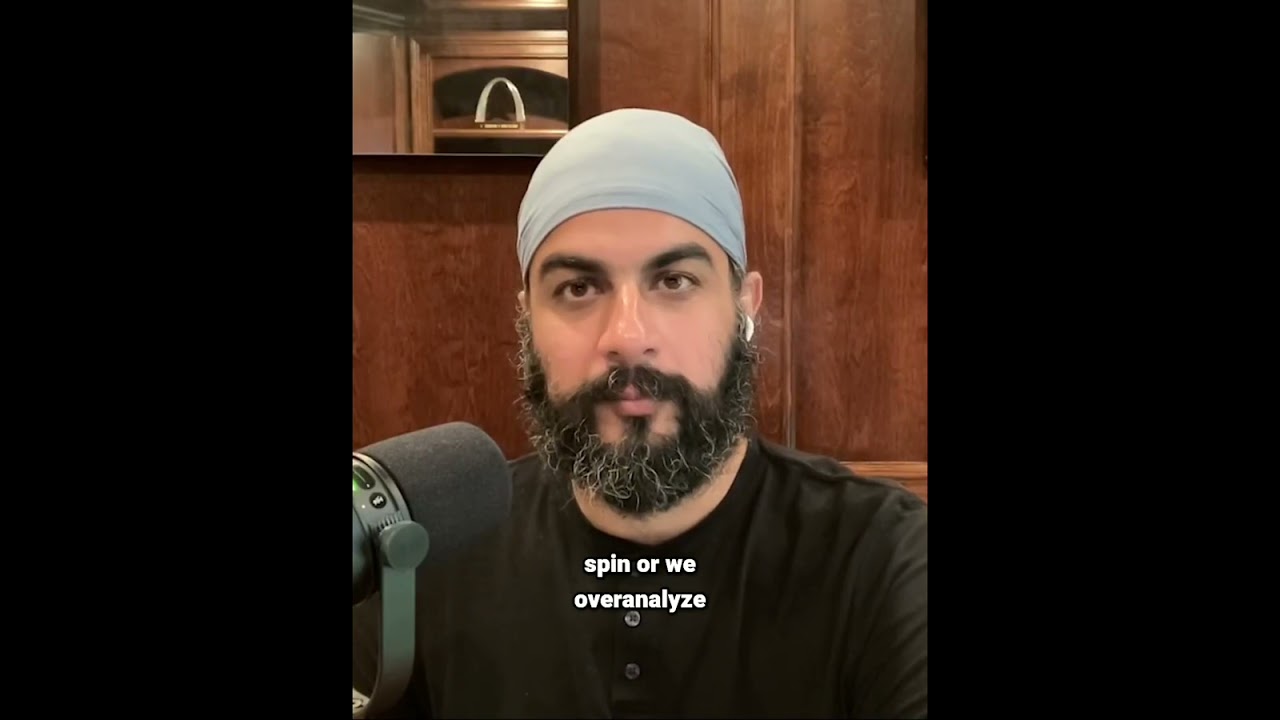
Dave Kashen explains why founders who resist emotions like fear end up ruminating and stuck, while those who feel them make faster, better decisions. He cites research on brain injuries showing emotion's role in intuitive decision-making.
Chapters
I had a client recently be like, "Oh my God, like, I can't believe I was ever trying to build a company without these tools." Like, it can be that transformational. So, what are the benefits? Again, because we're human and we have emotions, if we deny and repress them, you know, there's this notion, "What you resist persists." We can talk more about that. So, one of the advantages of recognizing and feeling is you don't end up in these moods and these like perpetual, you know, almost every founder I know is stressed, right, and overwhelmed. And a lot of that is actually because they're resisting fear. They don't want to actually feel the fear. So a few things happen when you resist an emotion. Let's just talk about fear. Um, one is we go into our minds almost as a way to escape feeling the feeling, and then we ruminate or we spin or we overanalyze, right? Again, lots and lots of clients, you know, show up and they're like, I'm overthinking everything, or I want to make decisions faster, but I feel stuck and I'm just constantly spinning on decisions and I can't access my intuition or I don't trust it. And really what's in the way of that is not feeling feelings. We're actually emotional decision makers. We may have talked about this, I'll just cite it quickly. There was some experiment or research basically into people who had brain injuries, could no longer feel their feelings. And it took him hours and hours to decide which color pen to use because we actually make decisions emotionally and then we rationalize them.