Dave Kashen explains the drama triangle (hero, villain, victim) that keeps people stuck in blame and fear, versus a presence-based model where the coach empowers, the challenger pressures without blame, and the creator takes responsibility. Teams that operate from presence are more creative and effective.
Chapters
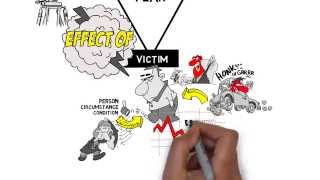
Are you working from presence or the drama triangle brought to you by the conscious Leadership group? Find them on the web@www.conscious.is. conscious leaders know the difference between working from presence and working from the drama triangle. Presence is above the line and drama is below the line. Most leaders and most organizations spend most of their time in the drama triangle. Drama is characterized by blame, wanting to be right, toxic fear and adrenaline. Like good dramas at the movies, all drama has characters that play certain roles. The drama triangle has a hero, a villain and a victim. The job of the hero is to seek temporary relief. The keyword is temporary. The hero is the one who gives a hungry person a fish sandwich rather than teaching them how to fish. The hero doesn't want others or themselves to feel bad. So they say and do things that make the immediate pain go away without facing and dealing with the core issue. When I'm exhausted from overworking, I hero myself by eating and drinking mindlessly or surfing the web or exercising. When another feels sad, I hero them by saying things like It'll be okay or I'll do it for you. The hero seeks value by being needed by others. The second role on the drama triangle is the villain. The villain's job is to blame. I can blame myself, others or blame the group. When I blame myself, I say things like I shouldn't have eaten that donut or I should work harder or I messed up that presentation. When we blame others, we say it's your fault we didn't get that project done or you didn't give your best effort. When we blame a group, we say they messed it up for all of us or they just don't get it. The final role on the triangle is the role of victim. The victim is at the effect of life is happening to them. For the victim, a person, circumstance or condition is doing something or not doing something that is causing the victim's life to be as it is. I can be at the effect of anything, including my boss, my kids, the weather, my job, the traffic, the economy, my body and my mood. When I'm in victim, I'm feeling powerless. Every role in the drama triangle is a form of victim consciousness. And in the end, everyone is trying to prove that they are the biggest victim. When people and teams work in presence, the roles change. The victim moves from victim to being the creator. They take responsibility for their lives and stop complaining about what is happening to them. The villain becomes the challenger. Challengers bring healthy pressure to the creator to support them in facing and dealing with their lives. In a way that creates a breakthrough. Unlike the villain, they don't blame or criticize. In presence, the hero becomes the coach. The coach doesn't try to fix anyone. They see everyone as fully empowered creators of their own lives and seek to support them in taking responsibility for creating the life they most want. Leaders and teams that learn to play in the creator, coach, or challenger roles of presence find they are more creative, engaged, aligned and energized. They have more fun and get more things done. So are you working from present or the drama triangle?