Buying A Home As A Single Woman (Tips for First Time Home Buyers) | Episode 113
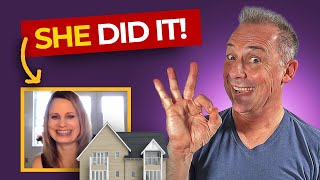
Stephanie closed on her first home May 25 after searching for jargon-free guidance. She borrowed from her 401(k) for the down payment, switched to a supportive realtor named Stacy, and shopped multiple lenders before committing. Her advice: crunch the numbers, get a realtor early, and allow overlap time between your lease ending and moving in.
Chapters
Think you can't buy a home because of your student loans? Or maybe you've tried to buy, but it feels like this housing market is some sort of sick version of Hunger Games. Well, instead of me telling you today you can do this, you're gonna hear from Stephanie and how she overcame all of that and a lot more, and she did it. Time for another real first time homebuyer story. Keep up with all the current market updates and hear other first time home buyer stories. Subscribe like bang the bell. Not. All right, everybody, it's another one of your favorite episodes. An interview with a just recently closed first time home Buyer. This is Stephanie and she's very excited to be here today. She told me that she's sorry she doesn't have blinds. That's how new she is to her home. I told her it gives her a nice glow of home ownership with all the sunlight behind her. Stephanie, tell us, when did you get in this home?
So I closed on May 25th and I moved in on June 17th.
That's awesome. I'm going to jump right into it then. So you had a little, you had a little crossover there, a little extra time from your apartment into this.
Because I knew I wanted to, you know, take the time to pack. I just paid for the extra month of rent. Figured, you know, it gave me time to come here and get things cleaned out. And I got the carpet shampooed and took some measurements so that I could start to think about what I wanted to put where.
That's very cool. It is something, you know, people will ask me about their closing costs. And I know everyone tries to stretch as far as they can, but I always try to tell people, think about the fact that you might want to cover it for an extra month. You know, I have some episodes where I talk about the fact that it can be okay because you pay your mortgage backwards and you pay your rent ahead of time. So you really don't have a payment for a little while. So you can work that crossover. But getting ahead of myself. So let's go back to the beginning. Tell us what brought you to the decision to find my crazy podcast and decide to buy a home.
I had been renting for a really long time, and like I said, I turned a milestone age. So I just felt like it was, it was time. You know, I was really sick of renting and I had been looking, you know, at the real estate listings to see what was out there. And then in January, I just thought because I wasn't happy where I was living, I was just like, I can't. I can't move into another rental. If I'm going to move, I'm going to move to a home that I'm going to own. So that really started me getting serious about it. And then I was just looking at what was out there and I. And hearing, you know, the news about the low inventory and rates might go up, I just thought, I really got to do this now. And so I really wanted to find a resource that could just kind of break it down for me and explain things to me, like, I'm a moron. You know, like, I really needed something that was very, you know, rudimentary and just what you need to know without any bs. And so I googled how to buy a home podcasts, and yours came right up.
Well, yes, that's very helpful to have a name how to buy a home. Right? But I really appreciate that if for me, I try to say I'm going to break it down to you like you're in kindergarten. That doesn't necessarily mean that I'm not thinking like a moron, but, you know, it is one of those things because it's interesting. You're very put together, articulate, seem like a real smart lady. We've had nice conversations getting this together, even though I was the idiot who couldn't figure out how to actually turn on the podcast. But. So you're not 21, fresh out of college, trying to figure out how to buy a house. The breakdown was important to you through friends or family or anything else? Are you the kind of person who was going to research no matter what they told you anyway?
Pretty much, yeah. I mean, I, I also, you know, I was looking for a certain set of things. Like, I wasn't looking for a center hall colonial with four bedrooms and a huge backyard. Like, I was very specific about what I wanted, and then I had some concessions that I was willing to make. There are some people that I do talk to about real estate, like my brother and one of my friends, and just try to get their input, but for the most part, I just, you know, I, I just went with my gut. And your podcast certainly helped.
It's very personal, isn't it? You know, a lot of people think that, oh, you know, you like, I'm going to talk to my uncle. He buys and sells a lot of houses. But, you know, when it's your own place that you're buying, it becomes a whole different situation. I get so many people that reach out to me and they ask me a question and they're like, so the answer, should I do it or not? And I'm like, you gave me a paragraph. I need to know, you know, all 20 chapters of your life, you know, so for you, then, once you made that decision and you started researching what was. What did you find surprising about the process or just something that you didn't know? Some or were there any big things that. Big revelations that kind of changed the path for you?
One revelation was I was listening to one of your episodes and I knew because I'm a single person, that I would probably need to borrow from my 401k to make a down payment, which a lot of people tell you not to do. And I knew that I would have to do that. And it gave me some hesitation. Like it kind of gave me a little anxiety. And again, milestone age, you know, I understand one of the things you said is you have to think of it as diversifying your investments. And that really made a lot of sense to me because I could keep socking money away into my 401k and look at the number and be all proud, but I would still be renting and that rent would still go up. So it made a lot of sense to me, especially how I could also recalibrate my contributions so that I'm not putting my entire paycheck into my mortgage. So all of that was like, wow, I didn't even think of it that way. So it made me feel a lot better about, you know, the direction I was going in.
It's such a powerful tool. And, you know, the hard part about that is I can't put it in a 30 second TikTok. The explanation of borrowing against your 401k because, number one, I come from a place of empathy and compassion. And I understand that's scary. But when you are near our milestone ages, as you love to say, both of us, you start freaking out a little bit for a couple different reasons. Number one, you're thinking, well, wait a minute, how much time do I have left? Everyone told me I was supposed to start these retirement accounts at 22. But the other thing too is as you get older and older, diversifying your portfolio is a very important part of what you do. And that's why I had to dedicate full hour episodes to that. But that's because I will get people that say, oh, wow, I didn't know I could even buy a house with 650 credit. And then I'll get people that say, oh, wow, I didn't know I could buy without 20% down. But one of the things I'm really proud of is that this is something that I've been working with is helping people who are hitting milestone ages realize that the diversification of your portfolio is the smarter, long term move, especially when it's a one time, you know, non taxable event that happens because we're told, you know, we can't withdraw. You know, I'm 52 and I feel like I'm just starting over in life with this whole thing with the podcast. So I love the fact that we're, you know, being able to pull from that now, whether there are any other obstacles, things that popped up that, you know, I mean, granted, either you didn't listen to every single episode or I missed something.
So, yeah, I did. You know, I did start with a realtor that I. She didn't really have my back. And, and like I was saying, I'm not looking for a big house. I'm, you know, it's just me. It's not like I'm going to be putting down, you know, a million dollars on something. So I felt like I was kind of pushed to the back burner. And she would send me listings that were kind of like, I could tell she didn't really research them and what I was looking for. So that's when I reached out to you and you hooked me up with Stacy, who's amazing. And so that was sort of a hurdle. And then there were times when I would go look at a place and it didn't check all my boxes, but it was close to where I thought I wanted to be. And it kind of had, you know, some of the things that I wanted. But, you know, there would be 10 other people. And so the inventory issue was concerning. There would be people. Like, I would go look at a place and then Stacy and I would get together and she would do her homework and she would tell me how to look into, you know, the offer that I wanted to make. And then the next day we would find out somebody came in and offered cash over asking. So that stuff was really disillusioning, but I just was like, I'm gonna find it. It's out there.
It's so, you know, and people don't like to hear it or, or like to think about it. But no matter what the market's doing, the, the buyers are going to be in a position where they think, well, this isn't what I thought it was going to be, because if the market's going down, then they'll, they'll have Plenty of time to think about it. But then they'll like, well, the market's going down, so I'm going to offer them way lower than list price. And then the seller, you know, might not take it. And then the situation you're in, that's why it's so boy Scout, Girl scout time. Now prepare, prepare, prepare. Because you might find it. The way I usually do it is I'll call people, we'll set it up, we'll spend the first Saturday with a lunch in the car and, you know, waters and granola bars. And we'll see like 10 or 12 properties all over the place. And then we kind of think about it and then next week we funnel down. Yeah, yeah. Can't do that now, right? Or you got to do all that stuff ahead of time.
So it's the Hunger Games.
It totally is. It is. I had, you know what, I had a buyer say that something to me, like, I believe they offered their child as tribute to get a home. Yeah. And, you know, it's, it's really neat and I appreciate the fact that, that, you know, I just had a conversation. It's so funny. I've got 278 unicorns across the country now. And you know, Stacy's great and it's such a, it's a valuable resource. But I just had a conversation with a guy. I'm, I'm just south of Los Angeles and in Los Angeles proper, I'm having the hardest time because it's someone who has their eye on the bigger prize and just like what you ran into. And I finally had a conversation with this guy this morning who's 26 years in the business. But he said, yeah, you know, I'm at a boutique. And I said every time I call a Beverly Hills boutique real estate place, they're like, okay, so we're doing 4 million and above. That's you, right? And I'm like, nope. So I'm really glad that you found there are those people out there who can still give you that, you know, really great kind of service. So besides finding an experienced realtor who's going to give you that service for our. How about, you know, for our single ladies? Because that's a big one. Do you, I'm sure you don't have the same tip would apply to everybody, but do you have any tips for people out there? Anything you did with, you know, anything in the process? Budgeting, credit planning, shopping for homes? Any tips for first timers?
Yeah, I made sure that when I found a broker That I liked because I did shop around. I started with my own bank, and I just felt like they were just gonna treat me like a transaction. They weren't gonna treat me like a customer, like someone that needed some support. And I had a lot of questions about the whole financial part. And I found this broker who was awesome. So I had a team of women. My broker was a. She actually has called the mortgage sisters. So it's her sister and her and then Stacy and me. So I just felt like I had these great women behind me. And every time I had a question, no matter what, and I knew I would have a lot of dumb questions, but they always took the time to answer them. They didn't talk to me like, you know, listen here, little lady. You know, they were just very, you know, open. And there was never a dumb question that I. That I could ask. They were totally supportive.
Wow, that's incredible to hear because, I mean, I'm, you know, married almost 18 years now, and I go through that with my wife when she has to take the car into the shop. And the list will, listen here, little lady. Crap. You know, fortunately in real estate, it's. It's a real strong representation of. With women, you know, it is the highest, I think 18%, the highest growing bracket of buyers are single women. That's so cool. I love that you had that strong group behind you. Major pitfalls. Because you said you tried this a couple years ago. What would you say would be the big difference between thinking about it at one point and not pulling the trigger and then getting to this point today?
Crunch the numbers and see what is possible. I didn't think I could afford a mortgage, but I had to think about, well, I'm already paying X in rent and I'm already saving this amount, so why not just put it into a mortgage payment? So crunch your numbers. You never know what you might be able to afford. Don't be so crazy about paying down student debt. Like, I have student loans. And I thought, oh, I'm going to have to pay that off before I can get a mortgage. But, you know, I've just been paying it off and I'll pay it off eventually. But I didn't want that to stop me from thinking that I couldn't get it. You know, get a loan. Also be able to think outside the box. Like you may not like for me, I ended up not buying in the town that I was living in. I went a little outside of the city, and that's where I found this. This place and this Place is awesome. It's like everything I wanted.
It looks incredible. I mean from the little bit that I can see that's. Those are, you know, it's interesting. Those are three really big points. When you're crunching the numbers. Crunching the numbers doesn't just mean go get an approval. It means to look at the whole big picture. So you not only talked about getting some Money from your 401k to help with the down payment, because there's simple math behind that. But do I, do I try to save up 30, 40, $50,000 or do I just borrow it for myself? But then the other part said, did I hear correctly? Did you, you, you're a together person who constantly is putting money into things and you reduce that savings so you could increase your mortgage payment or savings contribution, I should say.
Yeah, so like I had been saving a set amount every payday and I just kind of took away from that, you know, so I'm not saving as much, but I'm, but I'm not renting and you know, my, my mortgage payment will stay the same and my salary will go up, you know, assuming so, you know, like with merit increases and things like that. So I feel like this just makes sense. You know, it's not. The money's there, I just have to rejigger things.
Yeah. And it's true. There's so much math behind it. It's, you know, if you are putting out to a 401k monthly, that's contribution, you can, if you have the mindset, the understanding that your home is the same type of long term appreciating asset as a 401k is. You also, if you're putting money into a savings account, you know, all people will be like, well, I don't want my rent to go, you know, my monthly payment to go up $500. And I'm like, well, you contribute $1,000 into a savings account, so, you know, maybe cut that in half. Do you work from home or do you commute?
I do work from home full time now. I was commuting into Boston and I was living like seven miles outside of BO in.
Well, that's expensive.
Yeah. And so, you know, we have a lot of people who were leaving the city and moving into, you know, kind of a suburban area, which is what Quincy was or is. And, and those prices were skyrocketing and I, you know, I could have gotten a crappy, crappy condo for what, you know, what I paid for what I have here. You know, no offense to the city of Quincy. But I just wasn't finding what I wanted. With every place that I looked at in my price range, there was something I wasn't going to get. Like there was some concession that I would have had to make, and it just wasn't worth it to me. And then one day I was kind of discouraged and I reached out to Stacy and I said, and it was right after we found out that a place was, you know, bought cash way over asking, you know, So I said, you know, I think I'm gonna have to widen my search. And she was like, yeah, that sounds like a good idea. And then I went online and I found the listing for this place. And I had seen it, but I went past it because I didn't think I could afford it. It was in my range, but I thought, oh, that's too much. And then I went back to it, and then I looked at the pictures again and I said, you know what? Okay, it's, you know, 45 minutes away from where you are, but it has everything you want. And I, you know, I have lived in Salem before, so I figured, I know the neighborhood. I, you know, I have friends there. I gotta do this. It just makes sense.
That's so incredible. And it's so good for people to hear someone else saying that besides me, you know, under, you know, I can't figure out what everyone's quality of life is and their personal goals and dreams are. But your local realtor will be able to after they work with you for a little while and, you know, you realizing, and I don't think it was any offense to your previous city. Your previous city, Quincy, would say, oh, yeah, no, we're just bougie. It costs more money to live here, you know, so that's cool. And if you're going to be working from home, that can be a big difference between a condo, where you have to set up your office in your living room, you know, or not have the extra space. And so that's a. It's an exciting adventure. I tell people all the time, you're gonna find out when you start. Can I afford to live in the picket fence? Where I grew up, you know, none of my friends could afford. When I started in real estate, the neighborhood we grew up in, our parents were all just darn lucky and the neighborhood exploded. So I ended up helping them get houses outside of the neighborhood. And eventually they move back. But, you know, it takes time. So this is just incredible. I'm so happy for you. I'm so appreciative that you took the time today. And I'm glad the podcast helped you find your super she woman team. That's so awesome. That's so neat. Any closing thoughts for our buyers out there who might be getting frustrated in today's market? Besides, hey, know your stuff and be ready to compromise.
Just, you know, don't give up. Like, you'll find something, it's out there and just do your homework and you know, like you keep saying, you can do this.
Oh, I love it. That was perfect. You're a soundbite queen. Are you in broadcasting? Oh, man, gang, that was a really, really fun interview for me. Hearing stories from someone like her, that milestone age, you know, maybe has a couple extra years of renting more than, you know, you Gen Z people listening to the podcast, it's exhilarating for me because it helps to show how this process can be navigated by anyone at any point in their life, even a, let's say life, experienced individual like herself. And she still didn't have it all figured out. She said that she wanted to ask the dumb questions. Those are her words, not mine. And she was looking for resources to help explain everything to her like she was a moron. Again, her words, not mine. She said that she wanted rudimentary explanations with no bs. That is a smart buyer. Got to know what you don't know. Embrace the education, do your homework. Once she did all that, she still found out that it was great to lean on that powerful group of ladies that she had her superpower team of strong women. She tried a few years ago. She, you know, had been through all the horror stories you hear about. She got beat by cash offers. She said that she actually at that time felt like her realtor didn't have her best interests at heart. So what did she do? What a lot of you guys out there do. She had to take a step back. Once she got her mind right and she opened her mind, she stayed focused. She found something amazing with her unicorn team, that super strong woman team that she had, and then she made it happen. Now, if you're like her and you just can't bear the idea of renting again, then just follow her lead. She had realistic ideas when she was going into it. And you did hear that she said she already had some concessions in mind when she started looking. It's just the way it works. Most people don't look under their maximum loan amount. They're trying to get the absolute most out of whatever they can get their loan amount for getting ready for those Compromises was a good tip. The other big one that I thought about was everyone told her the 401k was a bad idea. Now I'm not saying that dipping into your retirement is the right thing for everyone, although if you're young can be a really good thing to diversify early. Just saying. But I am saying that it is not a terrible idea for many of you people out there. Despite what everyone tells you, she decided to go with her gut. She did the research and she realized that using her retirement funds was simply a way of diversifying her investments for the long goal of her financial stability. Remember, a home is a forced savings plan and you have so many options when it comes to not only perhaps borrowing against your retirement to have a non taxable event to help you with your down payment and but you can also look at adjusting your monthly contributions. If you're already making contributions into your savings account or your 401k account, then if you're looking to figure out how to adjust to a new higher monthly payment, maybe then adjusting and reducing a little bit of those contributions into something that you know is a forced savings account, an appreciating asset, maybe that's the right thing for you. Look at the whole big picture just like Stephanie did and if you're looking for details on that, they're in episode 58 and 22 and probably sprinkled throughout the podcast and other places. There were so many great lessons in there and I hope you took some mental notes and you could always get a full transcript if you want to read everything that she said@howtobuyahome.com just a couple other nuggets of wisdom that I want to make sure you heard about. Have some crossover time on your move in day. I can't say this enough, do not try to end your lease with the day that you move in because closing dates are fluid. I've seen this one play out a hundred, well more than 100 times and trust me when I tell you this that you will be so happy that you have a few days of crossover. Or, or not even days, a few weeks of crossover. The little extra money that you're going to pay for, so called paying double rent for a little while is going to be so worth it to you. Did the bot sign just fall? It just fell. The crossover thing is important. I got into how you're not really paying for four, five, six, seven weeks on your mortgage until you move in because you pay backwards. But that's in another episode. But the key is, even if you did have to double pay for a couple of weeks. It's well worth it. So you can do all the little things that you want to do to the home before you move in. Another one of her great tips was shop for lenders. Now, she went to her bank. You know, she'd been going there for years. Remember, it was a milestone age for her. So she's been banking as an adult for a little while there, and she realized that her own bank was just going to treat her like a transaction. They're going to treat her like a number, not a customer that needed support. So, once again, big tip for everybody out there. How to buy a home podcast. We always recommend you go to the Realtor first, not going to a bank or to an online lender, but that's what the Internet's going to tell you to do. And I'm telling you, this is my biggest hack. Don't do that. Get yourself a good Realtor first. Start working out your plan, and then that Realtor can give you recommendations to, hopefully, a local mortgage broker. Now, you're gonna have a few different people of those that you can choose from, and they're all gonna give you similar rates to what you're gonna get from the bank or the online place. The only difference is, well, they're gonna treat you like a person and they're gonna give you the service that you deserve. Her next tip was crunch the numbers. You got to see what's possible out there. She didn't think she could even afford a mortgage, but she crunched the numbers. Bam, here she is. And she told you to think outside the box. She eventually went outside the city that she first started looking in, and she found everything that she wanted in that town outside the city limits. By doing her research, she figured out it was a choice of staying in the city and getting a crappy condo versus getting the beautiful home of her dreams in another city. And it worked out for her because she was working remotely. Think outside the box. And finally, my favorite thing she said, don't give up. Do your homework, and you can do this.
More from David

How Tariffs are Impacting Home Prices and Mortgage Rates- May 2025 Housing Market Update

Urgent housing market info for first-time home buyers. #firsttimehomebuyingtips #howtobuyahouse

House flipping data, and a technique to use to take advantage. #homeflipping #howtobuyahomeguy

Housing stats and data, and how they affect first-time home buyers. #howtobuyahomepodcast

Mortgage rate relief for first-time home buyers. #firsttimehomebuyer #howtobuyahomeguy