A YouTube video by David Sidoni explaining the conservatorship of Fannie Mae and Freddie Mac since the 2008 housing crash, the Treasury bailout and FHFA’s role, the debate over how long they should remain in conservatorship, and potential effects of privatization—particularly on first-time home buyers and mortgage rates—given a likely policy push during a second Trump term. The presenter notes financial metrics (net worth increases through Sept 30, 2024), current mortgage rates (~6.9%), and expert expectations that major policy changes wouldn’t occur until 2026–2027 unless accelerated by political shifts.
Chapters
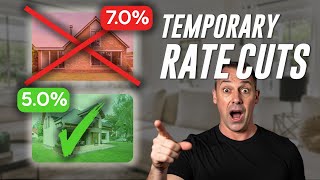
When it comes to Trump's campaign promises, one that didn't get highlighted in many campaign speeches was actually the one that's going to affect things most of all, the conservatorship of Fannie Mae and Freddie Mac. Fannie and Freddie are the banks that support 70% of all the home loans that happen in the U.S. in this video, I'm going to explain some of the background of this unprecedented economic event, as well as if and when these policy changes are going to affect first time home buyers moving into 2025. During the 2008 housing crash, the US government placed Fannie Mae and Freddie Mac under conservatorship to ensure financial stability for the housing market. This made them government sponsored Enterprises. When the US treasury cut a deal and gave them a $100 billion bailout, their regulator, the Federal Housing Finance Agency, used their authority to take over management of the GSE's assets and profits, a concept known as conservatorship. During the crash, from 2008 to 2012, these entities remained financially stable while in conservatorship. Since then, the debate is how long do they need to stay in conservatorship? Since 2008, Fannie and Freddie have put their profits back into the U.S. treasury. This is the main factor in the debate. The Democrats want them to have $300 billion in capital reserves, while the Republicans think the 100 billion that they have right now is plenty enough. Privatizing them means it's up to the discretion of Fannie and Freddie on how they want to use their profits. By passing the savings on to you with lower interest rates or passing their savings on to their shareholders with higher profits. During Trump's first term, he began the process of taking Fannie and Freddie private. The Trump administration wants Fannie and Freddie released from government conservatorship. And now that Trump's been elected to a second term with the Republican Congress, the odds of him returning to these policies are definitely high. So what does that mean for first time home buyers? Well, the intent is that we'll have a more competitive market for loan products, meaning that you'll have more options when you're trying to buy your first home. We've never seen 70% of the loan market go from conservatorship into privatized and how that's going to affect things overall. So the best we can do is analyze the data we have right Now. As of September 30, 2024, Fannie Mae's net worth was up 18% and Freddie Mac's was up 16% in the same period. Since they're obligated to have their profits held by the US treasury, it makes a lot of sense their net worth had both gone up. As for mortgage interest rates, they're hovering around 6.9% even though the Fed has made two cuts to the bank rate. This is down from the high of 7.5% that we saw in 2024. Now, privatizing Fannie Mae and Freddie Mac could mean that they could offer more competitive interest rates, which could mean a better interest rate for you. However, housing affordability is mainly controlled by the low inventory in the market. We got a low supply and a very high demand, and privatizing Fannie Mae and Freddie Mac would have very little impact on this portion of the housing market affordability issue. Now, as far as home buying in 2025, these policies are not expected to take place anytime soon. Bloomberg intelligence analyst Ben Elliott said a long process lies ahead and he doesn't envision these policies happening till 2026 or 2027. Keep in mind, with Trump in office backed with the Republican Congress, things could change on a dime. So if you've got questions about conservatorship, drop them in the comments because we're going to keep updating you as things change. We'll see you in the next video.