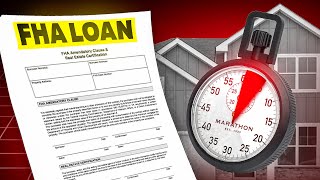
David Sidoni compares FHA and conventional mortgages for first-time buyers. FHA loans accept credit scores as low as 580 and require only 3.5% down, but charge mortgage insurance and restrict the property to your primary residence. Conventional loans need higher credit and a bigger down payment but skip the insurance if you put down 20%.
Questions this video answers
580
Up to 50%
3.5% down payment
FHA: up to 6% credit; Conventional: up to 3% credit
Within 60 days of closing
Chapters
Confused about FHA loans versus conventional loans. I'm a consumer advocate for first time home buyers and in less than five minutes you're going to understand the differences between these loans. And specifically, we're going to help you avoid the misconceptions about FHA loans that can cause your attempted purchase to crash. Five minutes, starting now. The first misconception is people think FHA loans are just for first time home buyers. That's not true. And some first time home buyers think FHA loans are their only option. This is also not true. So here's what we're going to cover in this video. A basic fact, background of both loan types, the minimum FHA requirements, pros and cons. And then we'll discuss the misunderstanding about FHA loans that can really hold buyers back if they're not careful. As with any real estate video online, this is guidance only. Your specific financial information is going to change each individual's loan approval. So it's crucial that you double check all your specifics with a vetted professional who can give you exactly what you're approved for. So where do we start? Well, the first step in choosing the right mortgage for you is sorting through all the different loan programs. There are several of them. We've got adjustable or fixed rate VA loans for veterans, USDA loans, construction loans, jumbo loans, and honestly a whole bunch more. But the two most common loans for first time home buyers are conventional loans and the big one, FHA loans. Well, with any loan, you borrow money from a bank or a lender promising to pay it back each month with interest. And how much interest depends on the rate that you're given at the time you apply. In order to determine the risk of loaning to you, the banks perform a rigorous pre approval process going through your finances to determine if you're eligible for the loan. So what is the difference? With conventional loans, they're privately secured, so they're much more strict with their requirements because the banks see a greater risk there. You're borrowing money directly from the lender with the promise to pay it back. But with FHA loans, the requirements are less stringent. The loans are special because they're government backed and insured by the Federal Housing Administration. So specifically that insurance means that the lenders are protected in case you default on the loan. This means the banks see them as less of a risk for them. So what are the more flexible requirements? Well, you can get an FHA loan with a credit score starting at 580. You can have a debt to income ratio or DTI of up to 50% and you can get a low down payment at 3.5%. So which option is best for your home buying? Well, let's look at the pros and cons of each. Obviously, the FHA is popular for its minimum requirements. So for people without a perfect financial situation, FHA is the best way to go. Another advantage of an FHA loan is that the buyers can receive up to a 6% credit from the sellers for their closing costs. With conventional loans, that's only up to 3%. Typically, FHA interest rates are less than conventional because they're government backed, but they do have some extra fees that add to the overall cost of the loan. Breaking down the extra fees isn't something I can do in these five minutes, especially because I don't know your specific financial situation. It's a trade off. You pay the extra fees so you can maybe use a lower credit score, lower down payment and less stringent requirements which might net you more money by building equity with your purchase instead of giving it to your landlord every month. Here's some other FHA specifics to keep in mind. You can only use them for your primary residence, which means it can't be an investment property or a second home. You must occupy the property within 60 days of closing. You pay a one time upfront mortgage insurance fee and you will pay PMI on the loan. PMI is one of those extra fees I was talking about, but for many people it's the solution to get in faster. But that's its own video. And there's another thing about FHA loans that can get easily overlooked and it might throw a wrench into things. Your appraisal has to come back to meet FHA standards. That means the home has to has to be safe and inhabitable. There can't be any structural damage, you can't have exposed wires, and the home has to have heat. So why would someone choose a conventional loan over an FHA loan? Well, perhaps it's to avoid that FHA appraisal. Maybe they're looking to restore the home. Or another reason is an FHA loan can actually hold you back if it's not approached correctly. Like for instance, when you're submitting an offer on a home, the sellers of that home or the listing agent may have misconceptions about your offer because they don't understand FHA loans. So how your offer is presented is key. Your team has to make sure that they don't believe that you're barely qualified with shaky loan approval. Bad credit and no cash reserves. Okay, so let's recap. Fha. It's an incredible loan product. It's backed by the government. It makes buying a home more accessible for more people. But you have to choose it strategically when you're presenting your offer so you avoid the misconceptions about fha, which could mean you lose out on your dream home. The way a really good realtor and lender presents your offer removes the stigma of an FHA loan. As for conventional loans, they have the stricter approval requirements and each one will have their own specifics that you're going to have to figure out. But overall, they have less fees and they're more widely accepted. So to compare these loans the right way, you or your real estate team need to look at your full, detailed specifics. A really great real estate support team can show you the difference between FHA and conventional and how it works for you. Maybe you're approved for FHA today, but with a few little tweaks, you can be approved for a conventional loan down the line. Boom. Five minutes, barely. If you've got questions about FHA loans, put them in the comments and I'll make sure I make a longer video. And for now, you can check out the hottest things that are going on in the current housing market so you can stay up to date. I'll see you in the next video.