DO NOT DO THIS before BUYING a NEW HOUSE! 🏠 Ep 87
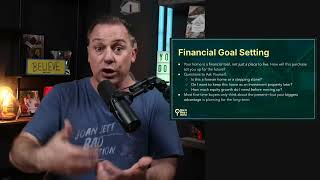
David Sidoni warns first-time homebuyers not to take on new debt or make large purchases before closing, as it can tank your debt-to-income ratio. Watch out for wire fraud when sending closing funds. Closing procedures and taxes vary wildly by state.
Chapters
My first home. There it is. Oh, man. 2022 is a tough time for first time home buyers. So in the spirit of what I try to do here on the podcast, bring you practical positivity. I'm going to assume that no matter what phase you are in this process, no clue what's going on at the very beginning. Phase one, phase two, you're a little bit on the way. Or phase three, you're getting ready to go out there and start writing offers. No matter where you are in your home buying process, some you will be closing on a home. So today we're going to fast forward to just a day or two before you get the keys to your new home to help you get prepared for what to expect for our favorite word in real estate, closing. What is happening? My how to buy homies. I'm David Sidoni, the how to buy a home guy. Crushing the confusion and bringing clarity for the entire crazy home buying process. We want you to be prepared, have clear understanding of what's going on, and especially for those of you out there that this is your first time buying a home. Now today we're going to jump on the TED Lasso train of positivity. I'm going to get you ready for the moment that you've been dreaming of. Getting your keys to your very own home. Getting your keys means you can finally say screw you to your creepy landlord or maybe just screw you to your landlord who never returns your calls and doesn't show up. Anyway, so for today, we're fast forwarding and we're saying you made it to this happy, happy place of homeownership. Come with me. Let's discuss what you need to be expecting in those happy final days before you get your keys to your new home. Oh, it's so exciting. You're about to take on the largest debt of your entire life that you've ever been saddled with. Isn't that fun? Wait. Sorry, guys. I was supposed to be taking you to a positive, happy place. Missed it. Actually, I am glad that I gave you kind of the yin yang getting you those meditation moments mixed in with a little bit of the real. Because that ying and the yang, the excitement of getting your keys, it can also be mixed in with some of the crazy things that happen in the closing. Closing days also end up being some of the most intense and stressful days in the entire process. And usually that's because the closing doesn't happen on time. I've said it in the old episode, on episode 81, I talked a little bit about this, but let me recap it real quick. Closing dates are fluid. Closing. Closing dates are fluid. Closing dates are fluid. Don't put that day on your calendar with a star and rainbows and unicorns all around it. It's a goal, not a promise. All right, there's going to be things that happen, issues are going to happen. Loans are going to need an extra day or two or an extra week. The seller's moving truck might be delayed, stuck in Boise in a tornado, or the termite tent needs to stay on for a couple extra days. And that's just a few samples of the many, many things that can happen. So you got it. Get your closing date, plan on moving in on that closing date. And if it doesn't cool, you can do what my clients just did. Just the other day when they found out that their home did actually close on the date that it was supposed to, they met me at the home, got the keys, let their four year old Jack run around in the backyard and run through a big empty house. And then they ordered pizza and they had a picnic on the floor in their new house. They didn't have their movers lined up, they didn't have painters, they didn't have, you know, moving boxes and all kinds of people. They just had a couple days to enjoy the house and move things over slowly. If you're so tight on the purchase that you can't factor in a week of overlap between your rental place and you're moving brand new place, well, if you can't cover that safety valve, then maybe you're just too tight on that purchase. Anyway, closing dates are fluid. Moving on. One thing to keep in mind about the closing is that most people buying a home stretch their loan to the very top of their approval, which means there's not a lot of wiggle room for any new changes in your debt that's going to throw off your dti. DTI is your debt to income and that's your debt to income ratio. And now suddenly, if you have some new debt, you might actually no longer be approved for the home loan while you're under contract trying to purchase a house that can suck in like 50 different ways. So do not apply for a credit card, don't get a furniture card or a loan of any kind while you're under contract. Very important, don't purchase or agree to purchase anything not with your existing cash, because that might be something that your lender has that they're using to show that you can get your approval and don't use your credit cards and jack up the amount that you have on your credit card. Don't buy furniture. That's the big one. So many people go out and buy furniture. Do not buy furniture. Do not buy appliances. I don't care. Don't buy a fridge or a washer and dryer. Wait until you close before you do that. Don't do anything beyond grocery and gas unless you're talking to your lender first. Don't do anything until you actually close. Closing doesn't mean the day you sign your loan documents. That's not the closing. The documents have to be processed and then funded. So no purchases until someone hands you the keys. The rule of thumb is this. The second you sign a contract to buy a home, before you spend or receive any money of any kind, that is not a regular monthly expenditure or deposit, call your lender, period. And I'm talking about, I don't even want you adding a new streaming service for a new monthly bill. Nothing without calling your lender. That's the rule of thumb, period. So here's a big one to protect you. In this new world of the electronic economy, everything is done electronically now. And I'm not just talking about bitcoin and web 3.0 in the metaverse. I'm talking about wiring money. Something that has been happening for a long time. But now, well, the bad guys have caught up on this. The biggest scam in real estate is wire fraud. When you get to the closing, you're going to need to give money to buy the house. Most closing companies are not taking a bag of cash, so you're going to need to wire them the money. And when you get into the closing, you'll notice at the bottom of everyone's email who's involved with the closing. It has this big disclaimer about wire fraud. This wire is probably going to be one of the biggest sums of money you've ever sent to anybod in your entire life. And it's going to be crucial that when someone's asking for a wire that you do that in a timely manner. So that means it's going to be coming at you quick. And the scammers know that and they know how excited you are about this and they know it's going to feel quick and you're going to be rushing. You might just press send and gang. When a wire goes, it's gone. You can't stop it, it's done. You wire the money and it's theirs. So what these scammers are doing is they're getting company letterheads and logos and they're getting email templates. And I'm talking from everybody, from banks, from the escrow companies, from the closing companies, from the attorneys. They're even going to put a phone number at the bottom. And then you call and they're going to answer the phone and act like they're in office and make it sound official. So avoid these scams by calling or emailing the people that you work with throughout the contracted period. So you're going to be working with escrow or title or attorneys call, and if it's the same person and they verify over the phone with you where you're supposed wire it, then you're going to be safe. Okay, next up, let's talk money closing costs. Now, once again, I talked about this in episode 81. I'll go into the details there. But I couldn't get to the closing day without bringing this up. It's the most confusing part of real estate and, you know, I told you why they can't exactly calculate it because there are 50 states and everyone does it a little bit different, differently. And the calendar day that you end on depends on how it, what your payments are going to be, not to mention the fact that each state does things differently. Conveyance is your first term that I'm going to help you understand in the closing. That's a fancy word for give me the keys, brah, I just gave you all the money in the world. Give me the keys and I promise to pay for 30 years. A conveyance is the transfer and assignment of any property, right or interest from one individual or entity, the conveyor to another, the convey e. So it's usually accomplished through something written a lot of time they're going to call that a deed, and that's going to transfer the title if there is any sort of loan on the property. It'll also then create a lien on the property. Now, to help us understand why and how all this works and all these fancy new terms yet again, number one piece of advice I can give you is that you need a super rad and bitchin unicorn team to help you with the closing because it's different everywhere else. There's no generic podcast I can do to explain at a closing. You're supposed to expect X, Y and Z. It's going to be different everywhere and you need a team of local pros that do it because it's not just different in every state. Sometimes it's different in every county, sometimes it's different in Every town. Before I got ready to do this podcast, I read through these practices in all 50 states and it's mind boggling how different it is. My stupid state of California can't even agree on a single way to conduct it. There's multiple different ways, including like a vast, like, civil war line between the north and the South. And then I found out it's different from every county to county. So let me give you some samples of what to expect at the closing and all the terms and the definitions that you should be prepping for. All right, first, I'll start in Alabama. Now, you'll notice some of these terms are going to cross over from state to state. They are different in some places. Here's how they do it. In Alabama, there are attorneys involved. Now, in California, we don't have attorneys. About the only thing you do in California without a lawyer is buy a house. You have attorneys and title companies that handle the closings. So they don't use any escrow companies. Some of you guys, all you're going to talk about is escrow when you're buying a house. Some of you guys will never hear that word. And then there's title companies. Most of you will have something involved with a title company. They're the people that make sure that the ownership chain, the people who own the home and then transferring it to the next one, they're doing making sure that everything is what we call a clean title. That means that it is officially owned by the people who officially purchase it and there's not some rando claiming that the home is theirs after you just paid for it. Now, in Alabama, the conveyance, remember, that's just the fancy word for gimme da house. The conveyance is also known as a general warranty deed. And that's just a legal real estate document between the seller called the grantor, and the buyer, called the grantee. That deed protects the buyer by pledging that the seller holds clear title. Robert Smith selling the house. But they're not some other Robert Smith selling the house. They're telling you, I guarantee I am this person. And there are no encumbrances or outstanding leads or mortgages against the home. In Alabama, the buyers and sellers negotiate who's going to pay the closing costs. Interesting. And they usually split them equally. That's not the same everywhere. And finally, in Alabama, the property taxes are due and payable annually on October 1st. So that's going to affect how much you need to bring in for your closing costs, depending on how many taxes are due. On the date that you close. Okay, now that's just one state. You want me to do all 50? I'm not, but I'll give you some other examples. Alaska. Alaska uses title companies, lenders and private escrow companies. No lawyers. So it's a whole different ball game there. The buyer and sellers usually split the closing costs and the property at tax payment dates varies through the state. And the other cool thing about Alaska is there's no document or transfer taxes. So that's a plus for freezing your butt off living up in Alaska. Okay, how about how they do it in Arizona? Title companies and title agents both handle the closings. In Arizona, the seller usually pays for the owner's policy and the buyer pays for the lender's. They split the escrow cost otherwise. And they've got two different tax dates in October and March. And Arizona. Here's one thing interesting about Arizona. It doesn't matter how you purchase the home. You can't take title so that one person can own more of the house than the other, which is something you can do in several other states. Arizona is a community property state. That means that all property acquired by either spouse during a marriage is considered to be equally joint owned upon a divorce. Should it happen, it's going to be divided approximately equally. How about Arkansas? In Arkansas, the agent handles the escrows and the attorneys handle the closings. Yeah, and property taxes come due three times a year on the third Monday in April, the third Monday in July and the tenth day of October. What the hell? Who decided that? I can't make this crap up. It's different everywhere. You need to have an experienced team. So if, if you haven't already, hit me up for a unicorn because I'm getting sick just trying to go through this. Ready for your head to spin? California, I love it here. Don't get me wrong. I go through all this crap because I love where I live. Here we go in California. Not only do the escrow procedures differ between Northern California and Southern California, because sure, why wouldn't they? They also vary somewhat from county to county. Title companies handle the closings through an escrow in Northern California, whereas in Southern California the escrow companies and the lenders handle things. The conveyance is by a grant deed, which is different than some of the other deeds in some of the other states we've talked about. Now that's a deed of trust with a private power of sale. That's the security instrument used throughout the state. That means that the deed of trust is similar to a Mortgage, except the power of sale. It absolutely conveys their property title to the trustee to the benefit of the lender. You don't own the home. It's like, you know when you don't get your car pink slip because you still have a loan, it's like that. And what the lenders can do is sell the home right from under you if they notify you, and then they can foreclose on you. To make things even more confusing, in Southern California, the sellers pay the title insurance premium and the transfer tax, but that's only in Southern California. And the buyer and seller split the escrow costs in Northern California. I don't even want to read this. Okay. In Northern California, there's like, it's different in the counties of Almond or Merced, Plumas, San Juan. That's the buyers and sellers share title and the escrow costs equally. But if you're in Butte county, it's ridiculous. These are closings, gang. There's all different things you need to be prepared for and things that you can possibly take advantage of. So there it is. So now you know most of the terms and the parties involved. You're going to be working with an escrow, a lender, you might have some real estate attorneys involved. You're definitely going to be talking to a title company. And now you can be prepared for that exciting moment that's going to happen for you. Best advice I can give everyone is get yourself an advocate, a super bitching unicorn realtor. They've done this before. They know the drill. That is some quality closing information, a bunch of random terms you never thought you would ever care about. If you want more detailed and specific information on anything for the first time Homebuyer, you can spend your days googling it and do what I did and try to sit down and write down these topics in some semblance of anything that makes sense. Or you can just search your podcast app and scroll through all my titles because I've done all the work for you. You can also go to howtobuyahome.com you can search by keyword, type in what you're searching for and it'll pop up the podcast with the information that you're looking for. Be sure you check out the YouTube page how to buy a home, podcast for more specific videos with more specific home tips and hit me up on TikTok. I'm trying to blow up the TikTok gang. I got all kinds of stuff happening right there. How to buy a home on TikTok. The place to drop a question. I'm answering questions on TikTok. You get some simple and fast responses. And also you have the opportunity to see me dance. And I'm an old man, so it's very funny. Rate and view the podcast. There's nothing more exciting than when you get to the closing, and the last thing you want to do is be listening to your realtor or an attorney or someone else. Be like, well, I don't understand what they're talking about. You just want to be stoked, just happy. So spread the word. Share these definitions to all your friends. Let's start the revolution. Crush the confusion about buying a house and get you to the finish line. Positive. I am a believer. This is possible and you can do this.
More from David
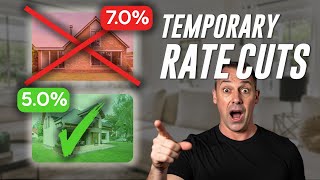

How Tariffs are Impacting Home Prices and Mortgage Rates- May 2025 Housing Market Update

Urgent housing market info for first-time home buyers. #firsttimehomebuyingtips #howtobuyahouse

House flipping data, and a technique to use to take advantage. #homeflipping #howtobuyahomeguy
Housing stats and data, and how they affect first-time home buyers. #howtobuyahomepodcast

Mortgage rate relief for first-time home buyers. #firsttimehomebuyer #howtobuyahomeguy