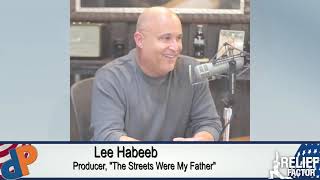
In this interview, Dennis Prager talks with filmmaker and pastor Lee Habeeb about his documentary The Streets Were My Father. The conversation centers on the claim that fatherlessness is the primary driver of crime and that faith in God offers the most effective remedy. Habeeb describes the film’s portrayal of radical acts of love—such as a father forgiving the man who killed his son—to illustrate how divine love can transform even the most hardened individuals. They link this modern effort to the historic role of the American church in abolition and the civil‑rights movement, arguing that religious leadership has always been the bulwark of true liberty and justice. The interview concludes with a clear call to action: believers are urged to purchase copies of the film from SalemNow.com and distribute them to fatherless or at‑risk individuals as a proselytizing tool, promising that the powerful testimonies will inspire gratitude and change.
Chapters
And his latest is to produce this film, The Streets Were My Father. And again, my friends, fatherlessness is the greatest contributor to crime, and God is the greatest solution. And if you're an atheist, you should be as firmly on board as any religious person. Because the issue isn't whether or not you have faith, it's whether or not you acknowledge truth. Even if you think God is a magical potion, let us say somebody developed a magical potion and it solved most people's worst problems— addiction of any type and violence. Let's say it did. Wouldn't you advocate taking the magical potion? So you were saying, Lee Habib, that just as the church has led in the anti-abolition, in the pro-abolition, anti-slavery movement, they should lead in— and then I had to cut you off for a break. Go ahead.
Indeed. Look, it's up to us. And we can complain, but we're not complainers. I mean, we're doers. And the American church needs to grow, and it needs to grow by radical acts of love. And when people see those radical acts of love, and you'll see them in this film, you'll see radical acts of love so beautiful. A father forgiving the guy who killed his son and telling that guy he's his son because he knew that kid never had a father. The kid who shot his own son. And when you see radical acts of love and godliness, it makes you want to be godly. It makes you want to think about God. And it isn't an answer to your problem. And faith has always been the bulwark of American liberty. Liberty without faith his licentiousness. And the abolition movement, the civil rights movement, was led not just by Dr. Martin Luther King, but remember, he was Reverend King, and his daddy was a pastor. That, that civil rights movement was led by the cross and led by great Jewish and Christian religious leaders fighting for real justice, God's justice, not social justice, God's justice. And they're very different. They're very different things.
Powerful stuff. I— it's interesting. It's a separate discussion for another time. If my child were murdered, would I embrace his murderer? I, I, uh, I don't think I'd have that in me, but it doesn't mean anything. I'm just being open with you.
I would say this, Dennis, the alternative is to be consumed by bitterness. And then you let the person who murdered your son own you. And in this respect, it's not that you're forgiving him, but that you're letting go of it yourself. And it's very powerful, um, for you and for that.
And for that, in any event, I'm just, I'm just emoting with you. But the, your message, the message is truly of overwhelming significance. And this is the type of film we need. So, uh, it is now available at salemnow.com. Is that correct?
That's correct. And I'm hoping particularly people of faith— and this is a great proselytizing tool— we need people to join our churches. And if you simply hand this disc, buy some discs and hand them to people without fathers, hand them to strangers who may not believe, may not believe in the power of God, and it's not going to be you proselytizing or you testifying It's going to be these three men, and they're weeping in this film. And these are tough men, and these are gangsters and murderers, and, and, and— but they're human beings, and there was a reason that they became the way they became. And, uh, you'll find that out, and you'll discover the power of God to transform a life. And by buying this at SalemNow.com, buy a few discs, buy 10, hand them out to people through the year, and, and you'll get a thank you from those people. I promise you, you'll get a thank you.
I agree. Keep up the great work, Lee Habib.
And thank you for all the great work you do, Dennis Prager.