In this instructional video, Derek Weaver explains how to address canine reactivity by first understanding it as a barrier, frustration, or conflict the dog cannot resolve on its own. He advises owners to reduce sources of conflict in the home and lifestyle factors that provoke reactivity. The core of the program is building motivation, primarily using food (though toys and play are mentioned) to encourage desired behaviors. He outlines a step‑by‑step feeding protocol: three to five days of using a slow feeder to create mild frustration, followed by three to five days of hand‑feeding, then transitioning to treat‑pouch work and a food‑chasing exercise. He discusses adjusting a dog’s diet for overweight or health‑compromised animals, emphasizing veterinary guidance for diabetic or other medical conditions. Throughout the protocol, owners should expect improved attention, bonding, and reduced reactivity within roughly six to ten days. The video ends with a call to subscribe and a teaser for a follow‑up video that will explore the brain mechanisms behind play and motivation.
Chapters
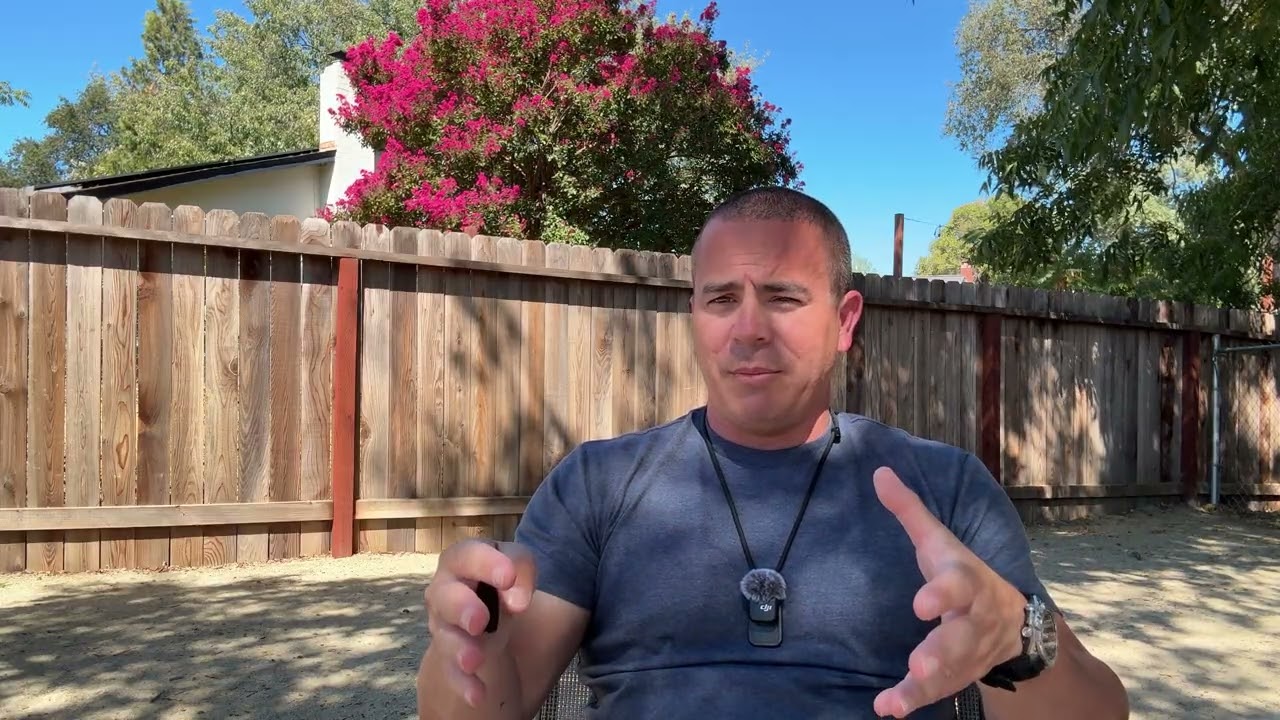
So forgive the shadows, but it's hot here in Northern California. But we, we have an understanding of what reactivity actually is: barrier, frustration, and/or conflict that the dog can't resolve on their own. Then we started to bring in some introduction or some ideas about how we can start to make our house a little bit less of a, of a point of conflict, or removing, um, our lifestyle factors that have a tendency to foster conflict between us and the dogs. And conflict doesn't need to be a fight, right, or, or negative feelings. Simply that what we say is in conflict with what the dog thinks and vice versa. So we now want to start addressing motivation because our dog is not only going to learn how to not do the reactive behaviors, but we're going to start to motivate them into what we do want. And it's going to be easier to tell them what we don't want if we have the motivation side of things covered. Yes. And this does not mean that we're never going to tell the dog, in dog terms, don't do that. But we do want to have a dog that's motivated to do stuff with us, that's motivated to try to get us to produce what it wants. So we're going to use food for this in most cases. I actually prefer toys and play, but the game does take time to develop with some dogs. So we're going to use food because it tends to come along faster. But we can still use food in a playful way, which is going to be important in our next video. So make sure that you're subscribed. So your first 3 to 5 days, you're going to feed the dog from a slow feeder. The dog is just going to work on the slow feeder. That's going to be frustrating for them, especially as they get towards the bottom portion of their food. And you are going to let them be frustrated because when they do get the food out of there, it's going to be more rewarding and they're going to be more motivated. For their regular kibble. You should also look at whether or not your dog could use a little bit of a reduction in their food. This guy's a little chunky. He's got a little bit of an underlying health issue, nothing major, that does affect his body composition to some extent. He's also 9 and a half, so he's not going to be ripped and muscly like he was when he was young. But most dogs are just a little heavy. So getting their body composition to a better place, letting the dog be hungry, and letting their digestion actually have a chance to catch up and rest a little bit is not a bad idea either. If you have any concerns about this from your dog, from your from a health perspective, then either just keep them right on the regular ration that they have and or talk to your vet. We don't want to take any risks with our dogs, especially like a diabetic dog. Disregard this altogether. But three to five days on the slow feeder. You may use a slow feeder forever, and then we're going to go three to five days of feeding by hand. We don't need to do anything fancy with this for those. You know, 6 to 10 days or so that we're going to be doing slow feeding and hand feeding. But once we've worked through that and our dog is now paying some attention to us and getting used to eating food from our hand, you should see a better bond with your dog. But you're also going to see a dog that just pays attention to you, like, am I going to eat? Simple little treat pouch. You can get one of these things off of Amazon for about $15 or $20. Watch your fingers. This dog can be a little, little rough taking food. And then to take it up a notch, we're gonna start introducing an idea of food chasing. I'll show you what it looks like. So I'm forgoing markers at this point. I'm not too concerned about it, but I'm just gonna follow a straight line and I'm gonna let the dog take it when they push into my hand a little bit. I don't want to do anything like this because I'm going to get eventually stepped on by most dogs. I don't want to be up here in most cases unless I've got a dog that's really good at going and getting it like this one is. But I just want the dog to work and chase a little bit because as we get better, we can start to get fancy. The dog's got motivation to try. Give that a shot. Sit. Anywhere from 6 to 10 days max to have a dog that's not reactive for the rest of its life. I think it's a pretty decent deal. So make sure that you subscribe for the next— we're gonna look under the hood about what's actually going on when we have proper play, proper motivation, because there are some brain things that we want to use in our favor. All right, all for now.