Three simple steps to take to start helping your dog be less frustrated, conflicted, and "reactive."

A dog trainer reframes reactivity as frustration from a poor owner-dog relationship. Three fixes: switch to scheduled feeding instead of free-feeding, control toy access so the owner delivers play, and set clear limits like preventing lap-jumping. This shifts the dog's perception of the owner's value and reduces anxiety.
Chapters
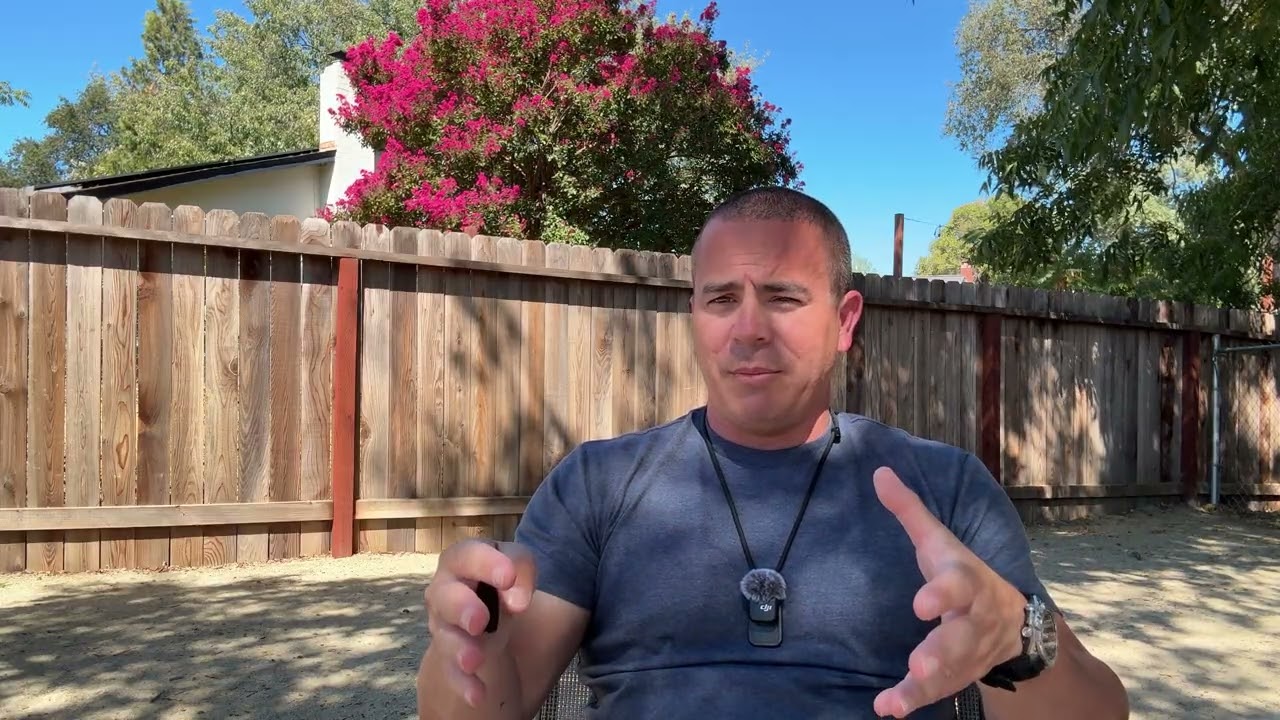
So now that we, I think, hopefully have established that reactivity, as we call it, really is a meaningless term, and that what we're talking about is that the dog is frustrated and conflicted, right? The relationship with the owner is often not anywhere close to what it really needs to be to be productive, but also for the dog to be secure and accept the guidance that we need to be able to carry out and, and show them to help them out. So several things that you can do, right? We're going to go over 3 that should be safe for pretty much everybody. If you have a concern as it pertains to your dog's health, obviously consult a veterinarian. But if we do these correctly, our dog's perception of us and how they kind of see what we do for them and what we do with them, it will start to change into a more positive or productive place. So the first thing that we can do is start feeding the dog on an interval if the dog is being free-fed. Food is a useful diagnostic for how your dog is doing. It helps us to better control their body composition and ensure that they're at a good, safe, healthy weight, because most of the dogs that I see need to lose some weight as well. If we don't just leave food there, the dog doesn't think that there's just always a food oasis available and they can just kind of pick and choose as they go. Dogs are not grazing animals. Most predators, which dogs are, are more of a gorge But gorging can be very dangerous for a lot of dogs. They can start to develop a bloating condition that can be fatal, and it's acute. It is not chronic. So older dogs and/or big, deep-chested dogs are at a greater risk of bloat. So I would do twice a day, potentially 3 if you're really seriously concerned about— that's a redundancy— about bloat. Great Danes, certain shepherd breeds. You may very well need to spread the food out across multiple feedings, additional feedings beyond 2. The dog will see you get the food ready, put the bowl down. They will start to notice that this is coming from you, which means that they're going to start valuing you a little bit differently. And there are some other things that we'll do with food in a later video on motivation, so make sure that you're subscribed if you're not already. The second one is that if your dog has free access to toys— toy baskets, toy bins, they're just all over the floor— We need to pick those up. The reason being is that we don't want our dogs again to get so used to fun and doing things on their own all the time that they don't choose fun with you, and that we can't use this in order to motivate and better improve our relationship. It doesn't mean the dog necessarily can't have toys ever on their own, but they should come from you. Think about a kid who has free access to the ice cream every— all the time. Going to be wired. Probably a little chunky and probably just kind of difficult because, of course, why would I eat my broccoli if I can just go get ice cream? So it's not the no fun zone. It's just fun with me or fun when I send it, right? It's about creating a more stable dog, helping our dogs to settle down. This golden retriever is going to try to do golden retriever things here in a second. And the last one is that we simply start to put some limits on our dog. And I'm glad Buddy did that because Buddy, uh, was not raised by me. He was not trained by me, but he is staying here for a little bit, for a little while. And he was taught to jump into a lap, but that doesn't work for me. It doesn't mean that Buddy doesn't get affection, that Buddy isn't loved, because of course he is. But I am going to put limits on a dog. I don't want the dogs, since they are so hierarchical by nature, I don't want them establishing that they are the top of the hierarchy. If they push me or they, or they try to direct me and I cede to that, I accept it, the dog will oftentimes start thinking that they're the decision-maker. And then they start to get anxious and frantic because, why aren't you listening, stupid human? Dogs can't think the way that we can. They can't reason. There's no concept of rights. But they do have a set of instincts that drives their behavior. So I'm just going to gently say, you got to get there, and I'll pet you while you're here, of course. But he's not allowed to say, I'm getting in your lap. He's not a lap dog, for one, but it also is not something he can have for free because he, as a golden retriever, does value that close contact. So telling your dog that no, they can't tell you what to do— you can start by simply ignoring, you can step through their space, Whatever you feel comfortable with, but make sure that you're never going to do something that could lead to some kind of a counter from your dog that could be uncomfortable or even dangerous. So do exercise some caution here, but make sure that you are starting to put some limits in place for your dog. We're gonna work on motivation in the next one. We're gonna talk a little bit about what's going on between the ears with the dog physically and neurologically, and then we're gonna look at how we bring everything together, and then we'll have a nice little easy ecosystem within, within we can, within which we can work with. And, uh, we'll start showing you how you can start making these steps at home to resolve your dog's reactivity, or at least get a head start for when you call your trainer.