How to Have a Calm Conversation with the Politically Polarized Person
Doug Noll explains why facts and logic backfire with people who hold strong political beliefs, and offers four rules instead: don't argue, ask questions to understand, ignore the words and reflect the emotions, validate the other person.
Chapters
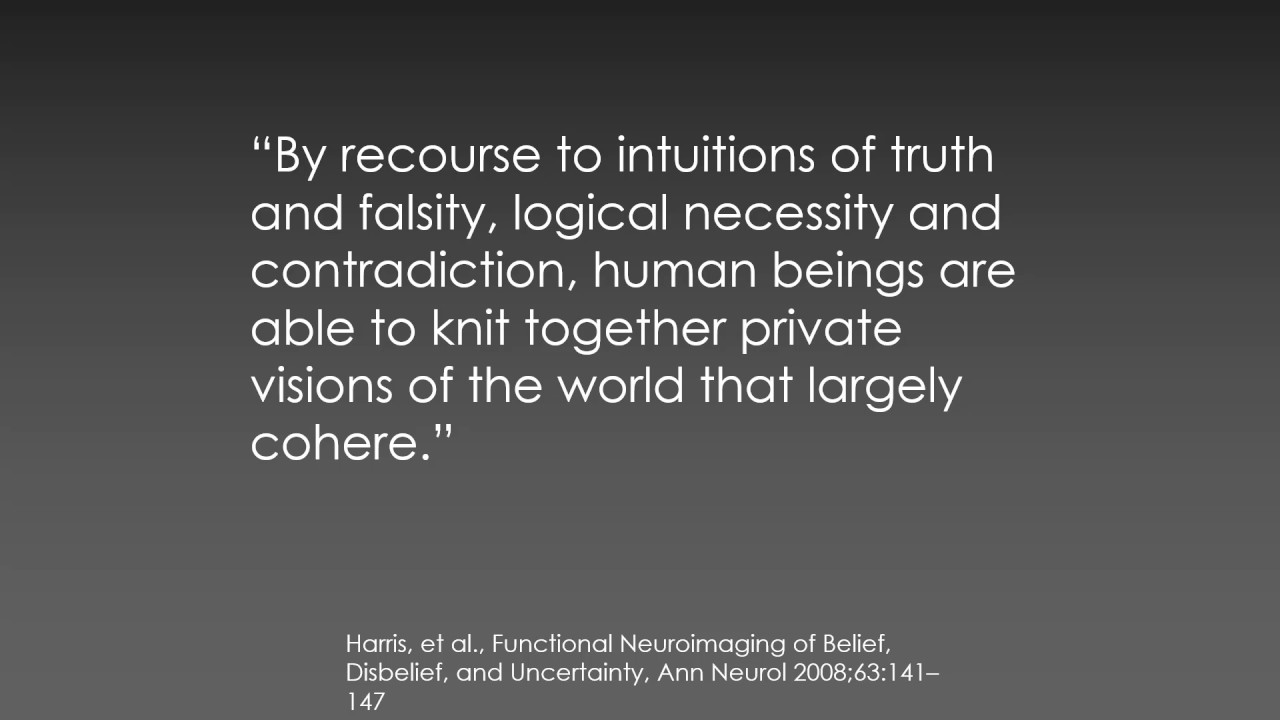
Hi, I'm Doug Noll. You know, we live in a pretty politically polarized time, and it doesn't matter which side of the political fence you might be standing on, at one time or another you're going to come across people who have very radical beliefs that are different than yours. And the question is, can you have a calm conversation with them, or are you fated to always drop into heated argument and anger and frustration? Well, I've been thinking about this problem, and so in the next couple of minutes I want to share with you some of the thoughts that I have about how to listen to a politically polarized person without getting pissed off yourself. Of course, the problem is that we have in the world today—not only in the United States but everywhere else—people taking very, very different positions about what our society should look like, how our government should operate, what we should do with things like immigration and abortion rights and gun control and all of these crazy issues that really get people fired up. And the problem is that people are— have gotten so emotional around these issues that they have lost the ability to have a civil discourse. And the big— even bigger problem is that We're watching our leaders at the highest levels of government act in ways that are absolutely uncivil, and so we don't have any good role models to follow, and as a result of that, civil discourse and conversation just gets worse and worse and worse. But there are things we can do if we have a little bit of understanding. The first thing to understand is that when we're talking about polarization, we're talking about beliefs. And most people don't think much about their beliefs, they just have them, but actually science tells us a lot about beliefs and how they are formed. Beliefs are really a form of cognitive process, and by cognitive process, these are the kinds of things that when we think about using our imagination or thinking about things or problem solving or looking at something and making sense of it or listening to music, All these different things are what we call cognitive processes. A belief is a form of cognitive process that occurs inside our brains. And most of the time, our beliefs are created unconsciously, and we don't even know we have them, and we don't even know that they're acting on us. They are very, very strongly linked to emotions because the whole purpose of beliefs is to help us negotiate the world by giving us quick, effortless answers to problems that we don't have the brainpower to ponder. And of course, this gets into the problem of what happens when our beliefs are inconsistent with reality. What's really interesting is that when people with very strongly held beliefs are confronted with facts that contradict their beliefs, they don't change their beliefs. In fact, what happens is dopamine is released in their brain and it reinforces the beliefs in the face of the contradictory but true facts. And if we just look around at our discourse today, we can see that happening everywhere. So beliefs can be, can be very stubbornly held, and in fact, the stronger the belief, the stronger the belief is going to become when you try to argue with it. And I'll talk about that in a second. Here's a statement from a research report that I ran across a year ago, and basically what science is telling us is something we kind of already know intuitively, and that is that we are able to knit together private visions of the world that largely cohere but really may not have any basis in reality or have a very limited basis in reality. But it's the, it's the belief structures that we create that allow us to see the world in certain ways and soothe us around the uncertainties, ambiguities that exist around us so that we have explanations that makes sense to us. So here are some of the rules that I've developed as a mediator and a peacemaker over the years that might give you some help in talking to politically polarized people. First, you can't solve an emotional problem with logic alone. So don't argue. You're never going to win the argument. You're never going to change the other person's mind. The best thing that's going to happen is people are going to be really angry. The worst thing that's going to happen is you're going to entrench that belief even deeper into that person's mind. Logic, facts, evidence—none of it matters when you're dealing with strong beliefs. You are just not going to penetrate, so don't even try. You already know that if you have been engaged with conversations with polarized family members that it is a lose-lose situation. You're not trying to persuade when you sit down and have a calm conversation. What you're trying to do is understand. So don't think that you're in a courtroom. Yes, there are times, plenty of times, when empirically based factual evidence is important and critical, in fact, but in having a conversation with somebody around politically hot topics is not the time to pull out your Perry Mason hat and put it on. The second rule is basically to ask questions, and you want to ask questions to gain understanding, not to cross-examine. So here are some questions that you might ask: What life experiences led you to the values you hold today? The great thing about this question is that it opens up storytelling, so that the person who has radically different beliefs than you has to kind of reach back and think about, "Gee, how did I come across this belief?" And they might tell you some stories that will give you some real insight as to why they have the beliefs they have today. A second question is, "What is it about your values that make them important to you?" People's beliefs are oftentimes unconsciously formed, and they really don't think about why those beliefs are important. But if you ask the question and get them to reflect on it, sometimes you can gain some really interesting insight about why the values are important. And you would be amazed at how many times when people answer this question, you find out that what's important to them is important to you too. In fact, there's a lot more common ground out there than people think there is. Another question is, how do you honor your values in everyday life? People like to think that their belief systems are consistent with their behaviors. And so I ask them, how do you do that? How do you act consistent with your values? And that causes people to think a little bit and think about whether or not they are consistent with what they think they believe. Another question: Do you ever work with people who have different values than you? And of course everybody's going to say yes to this, but that gets them thinking about the fact that yes, you know, I do coexist with a lot of people around me who have different values. And of course you'll every now and then get the snide comment of someone says, "No, I just fire them," or something like that. Well, you know, if that's the end of the conversation, talk about the Super Bowl or something. You're probably not going to go too much further with the conversation. People will get snarky with you. Here's one that I really like: How do you think a society composed of people with very different and opposing values should operate? And this gets people thinking about, hmm, how should we operate? Again, you might get a snarky response saying we ought to kill all the people who don't think the same way we do, but you also might get some thoughtful responses about how do we balance all these competing interests and how should we go about having these discussions. And you would be surprised at how many times you can sit down with somebody who's radically opposite of you in beliefs and have these kinds of conversations around these kinds of questions and really learn quite a bit from each other. The third rule is to ignore the words and listen to the emotions. This is a whole topic unto itself. I'm writing a whole book about this that'll be out in September of 2017. But the basic rule here is when people get emotional, and you want to calm them down, you have to ignore the words, pay attention to their emotions, and basically reflect back what their emotional experience is with a simple "you" statement. "You are angry. You are frustrated. You are annoyed." There's a lot of science behind this. It's— the technique is counterintuitive, and it flies in the face of what everybody's learned about reflective listening. But we all know that the kind of reflective listening that we might have learned where you mirror back somebody's words is totally ineffective in dealing with an angry or emotional person. People that have strong beliefs and are engaged in conversation about those beliefs are going to be very emotional. So you need to ignore their words, pay attention to their emotions, and reflect back those emotions if you can. The final rule is that all of this is to validate the other person. The key here is that you're not going to win, and you're not going to get validated, And this is not about you feeling good and smart and winning an argument. It's about having a calm conversation with another person who is radically opposite of you. And the only way you can do that is to basically deny your own needs to be validated and try to do as much as you can to validate the other person. If you're able to do this and follow these 4 rules over a period of time, you would be amazed at how people will come to the middle and want to talk to you and learn more about you. But we have to validate the other person before we can expect to be validated ourselves. Well, I've written a little ebook that kind of goes into all of these topics in a little bit more detail, and so if you want to learn more, go to this page on my website. It's Doug Noll, How to Talk to the Politically Polarized. I'll have the link on the YouTube screen so you can just click on it, put in your email address, and you'll get immediate access to the ebook. Thanks for listening. I'll see you next time.
More from Doug


When the Amygdala Fires, Talking Is the Worst Thing You Can Do (Here's What Works)

Every Difficult Conversation Is Actually Two Conversations (Most People Miss the Second One)






Why Traditional De-Escalation Makes Emotional Flooding WORSE (Prison-Tested Neuroscience)