Real strength is naming what someone else feels
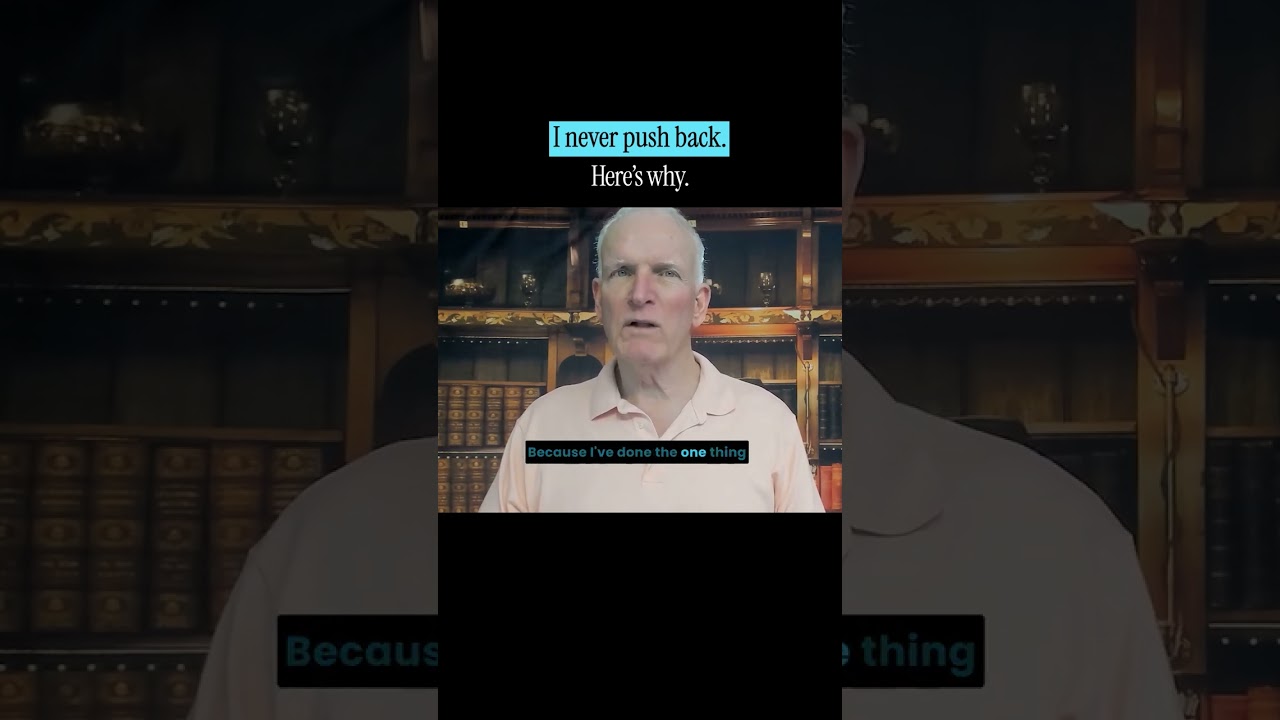
In this monologue, Doug Noll describes a practical approach to interpersonal respect and conflict de‑escalation. When he is challenged or dismissed, he deliberately avoids reacting or defending himself. Instead, he observes the other person’s emotional state, mentally acknowledges it, and verbally names the feelings—e.g., “You’re frustrated, you feel unheard, invisible, disrespected.” This simple, direct acknowledgment quickly lowers tension and stops the attack. Noll argues that this behavior is perceived not as weakness but as genuine strength, because it requires the courage to stand in another’s strong emotions without fighting back. He stresses that the technique is only possible when one has solid self‑awareness: recognizing one’s own reactivity, triggers, and being able to name one’s own feelings first.
Chapters
More from Doug


When the Amygdala Fires, Talking Is the Worst Thing You Can Do (Here's What Works)

Every Difficult Conversation Is Actually Two Conversations (Most People Miss the Second One)






Why Traditional De-Escalation Makes Emotional Flooding WORSE (Prison-Tested Neuroscience)