Their Opinion of You Is Not Your Emergency
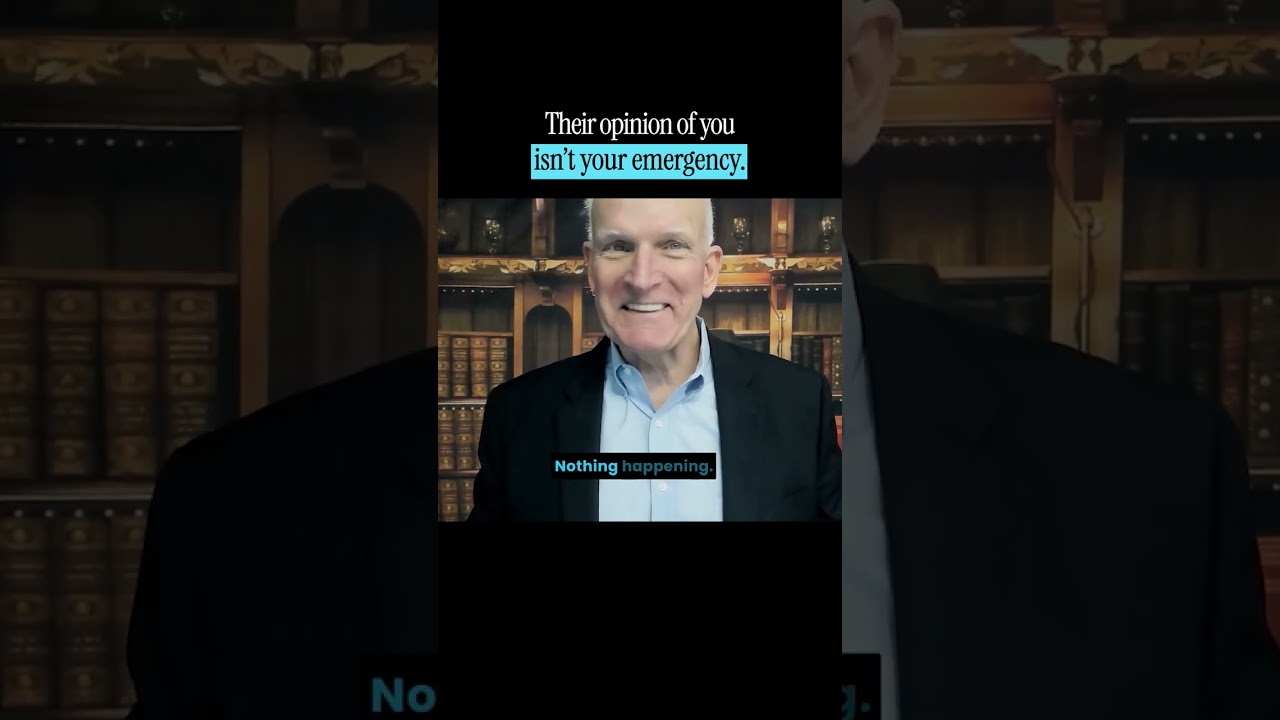
In this concise self‑help monologue, the speaker explains that mastering emotional‑regulation skills fundamentally changes how we respond to others. Once these skills are internalized, provocations, criticism, or manipulative behavior no longer trigger a visceral reaction. The speaker reframes conflict: true peace is not the absence of disagreement but the ability to choose what influences us. By consciously deciding what deserves our energy, we effectively “refuse to fight,” which the speaker describes as the ultimate power move—greater than fighting better. The message emphasizes personal responsibility for one’s emotional state, rejecting the notion that another’s drama or emotional dysregulation is our problem.
Chapters
More from Doug


When the Amygdala Fires, Talking Is the Worst Thing You Can Do (Here's What Works)

Every Difficult Conversation Is Actually Two Conversations (Most People Miss the Second One)






Why Traditional De-Escalation Makes Emotional Flooding WORSE (Prison-Tested Neuroscience)