RPM Facebook Live: Good Fats : Bad Fats?
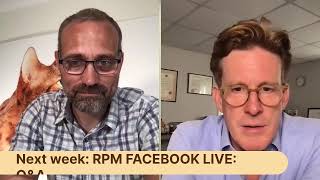
In this Tuesday‑night live session Dr. Conor Brady, joined by Nick and Bren, dissect the role of dietary fats in pet nutrition. They begin by noting a recent social‑media controversy over flea‑and‑worm treatment side‑effects, then shift to the core topic: the quality of fats and oils in pet food. The panel contrasts fresh, minimally processed fats (e.g., fresh sardines, cold‑pressed olive oil) with rendered, oxidized fats that have been heated, chemically preserved (BHA, BHT, ethoxyquin) and stored for long periods. They explain how oxidation creates free radicals, damages cell membranes, and provokes inflammation, and why vitamin E (mixed tocopherols) is a poor substitute for robust antioxidants. The discussion debunks three long‑standing myths: (1) that dietary fat causes obesity, (2) that saturated fat and cholesterol are inherently harmful, and (3) that all omega‑3 sources are equivalent. They trace the historical shift from high‑fat diets to high‑carbohydrate diets and cite studies showing no cardiovascular risk difference across saturated‑fat intakes. The mechanics of kibble production are outlined – six heat‑exposure steps that degrade fats – highlighting why even “good” oils become rancid in dry food. Recommendations for pet owners include: sourcing cold‑pressed, unfiltered oils; using small amounts of high‑quality fish or krill oil for EPA/DHA; preferring animal‑derived saturated fats (lard, duck fat, butter) for cooking; and questioning suppliers about extraction methods. The session ends with a call for audience questions via Patreon.
Chapters
Oh, I'm in the middle. Also, welcome to Tuesday Night Live. Doesn't quite have the same ring to it actually as Friday Night Live, um, despite some trademark issues that we could have bumped into in the future. But, uh, Tuesday Night Live, it's good to be here. I think Fridays are just getting a bit precious, aren't they? So, um, it's good to move to this night. So I know from my own— I'm just going to change my microphone actually. I realize I'm not sure if that's actually changed.
Did you actually—
oh, I could hear you, man.
Honestly, it's a big difference. Good. Good. Okay, so, uh, yeah, thanks for joining us, guys. Um, it's gonna be Tuesday night for us from now on, for at least the summer anyway. Um, and it's great to be here. So you're only talking to us a couple of days ago, so I can't imagine too much has happened in your lives, lads, in the last weekend. Has anything happened that you need to talk about desperately?
Turned into a scorcher. Hot sunshine.
You look very brown, Bren. You look—
yeah, it's the camera.
It's the— yeah, what do you want, the screen or whatever you call it?
This, for Irish skin, is a very, very dark tan.
You've been indoors working all the time, Nick. That's the difference. He's been out in the fields playing with his goats, so to speak.
Literally, I've been outside all weekend. This is as dark as it gets.
You two, this is going to be great. You know, if we ever go on holiday, I just know you guys—
I go brown. Look, this is brown. It's just because I'm sitting beside fake tan boy there that I don't look brown. It's just the wrong Hey, I need to turn you to black and white. It's not good. But yeah, I'm blushing.
That's all.
So any major news from the last 3 or 4 days, lads, that we need to get to? Did anything major happen?
I'm reading Metabolical by Robert Lustig, and I mean, I read food books all the time, and I'm absolutely blown away by the depth and the breadth of this guy's knowledge. He brings in politics. I said, Conor, I said he's like you. 40 years' time.
That's a big compliment. I think that guy is just, uh, he's the boss. Like, he's brilliant.
He's, you know, he's, he's just, he's study after study after study after percentage after, after, this is why it works and this is these, this is what we used to think and this is what it is now. And, uh, it's, it's, it's good. I'm doing it on Audible and it's, it's, it's, I can't put it down. Even when I'm brushing my teeth, I'll have the thing on. When I'm driving to work, I'll have it on. When I'm doing the grass.
You know you've got a good podcast when you literally can't get rid of the earphone in your ear. I've got like, you know, wireless earphones, and so, you know, I can be cooking and I'll put the one in that Elaine won't give out to me so she can't see it. But, you know, you miss half the conversation because you're bloody listening to your podcast. I'm not, I'm having a sneak out of your ear.
I walk into a room now and Christina checks whether I've actually got my headphones in or not, just to whether to speak to me.
Anyway, anything exciting?
Nothing from my part really, but I was interested to see, there was just a bit of nonsense over on Karen Becker's page if anybody saw that. She put up a fantastic post, there was a great study there recently, more of a survey done, but it was peer-reviewed and it was published and it showed that the side effects to some of the flea and worm treatments, a lot of them were, you know, a few multiples worse than what was on the insert. But actually quite similar to what the EMA is reporting. The EMA's figures, the figures here in Europe seem to be much higher for side effects than the States for whatever reason. But this survey certainly said it's actually a bit worse than the inlay cards in the States. And Becker puts it up and says, you know, heads up, there is other alternatives and there's some good advice. And then they did a live on it, herself and Rodney Habib. You know, you're talking hundreds of thousands of people watch it. And then, but the onslaught onto her page was really negative and all very, very much led by, uh, by vets, to be honest with you. Just a lot of vets using their name, clinics, um, and just saying, I'm a vet and this is just ridiculous, these are completely safe. And comments like I said, you can't say completely safe under a, under a study about side effects. It's just completely safe is the wrong word to use. So anyway, it just went on and on and on and on and on. And the amount— you should just have a look at the post to see how negative it is. I was just blown away by how, just how negative.
Have you seen the post that she's put on afterwards?
I did, and that's why I'm really talking about it. To see that post, it's almost like she has to explain herself. But like, you would never see someone of the quality of Karen Becker going on another conventional vet's page and slagging them off, saying like, you know, I don't agree with your dry food, lads, and you shouldn't be using flea treatments every month. She would never do that. Far too much class. But it's like, it's okay for the other side to come onto a natural page and just come up with this kind of bile. Not like with studies of complete safety. No, no, no, no studies used. Just this vitriol, and it was, oh, it was so negative. And I just thought, this is really annoying me. And, uh, anyway, that's as far as I got with it. I wanted to post about it today, but I thought it might be a bit ranty, and I didn't want to, I didn't want to be seen. So that was my, that was my last few days. I've been a bit annoyed.
I think she's, uh, they are feeling threatened because she might be barking up the right tree. Yeah, maybe they, they can see it. They feel frustrated. They're tied into using these things.
Yeah.
If they stopped using them, they'd have to admit that they were, they've been wrong for the 20 years.
Yeah, I'm sure a lot of that, like, a difficult place, very difficult to turn around and say whoops. Um, a lot of cognitive dissonance going on though, because it's just like, these are completely safe, I've never seen side effects in my clinic. And people are trying to say that just because the dog doesn't go paws up in your clinic, it's not really what we're talking about. Just look at all these people on the page, they've had serious side effects. They're not all making it up, you know. Do you think they're all just spoofing? Like, so I just was astounded by that. It kind of reminded me a little bit about what's going on really in the whole medical stuff. It's just, it's very hard to tell the true story of what is going on. So I just saw a lot of similarities of what we're hearing today.
And how much is it by some of the social media platforms actually making some clinical decisions about a lot of stuff out there? You know, we've been chatting amongst ourselves about some of the, the other things that are going on, um, on the human side. And actually, you start to listen to how some of those ideas that the medical people who are trying to discuss things amongst themselves suddenly will get shut down by a social media platform with no idea of the medical implications. Yeah, just because politicians somewhere have said you can't talk about it.
That doesn't tie in with what the CDC, FDA say, but it's like, yeah, but this is just science. We're debating. The whole point of it is you're supposed to be able to get at each other and debate and think and discuss and argue. You know, that's what we do. That's why we love getting together. I mean, you know, it's nice to get together, but seriously, lads, at least the first day when we're on fire, those first 6 hours are so productive. I come away with just a head full of ideas, you know, and then ultimately a head full of pain.
So we're not that bad.
No, absolutely not. Listen, thanks to everybody on Patreon as well. You'll find us Raw Pet Medics on patreon.com. There's been a serious, good response from you guys in the last month or so. So numbers are creeping up. Really, really happy for that and really appreciate it. So guys, once again, if you have the price of a cup of coffee each month, we really, really appreciate it. It really helps our side to prepare for this. And absolutely, if it's totally out of your reach at the moment, totally understood. I am like that myself for many of the things I watch and do. So, um, I think we'll just bust on into this fats and oils because another, you know, massive subject. And we've kind of, uh, you know, so we'll try and do a bit of justice to it tonight because— and also guys, put your comments up because I know lots of people have loads of good comments about here. Some of you guys are running groups. I know a lot of you now So please fire up your comments and your points as we come up, or as we miss them, or something you see is good or unfair, please pop them up. It helps us. But if I could start off, lads, because I know some of you guys have some more in-depth knowledge of some of these things. Fat seems to be one of those subjects that's eluded me a little bit, but I just wanted to come up with some of the 4 or 5 points here that just to dispel some of the myths that have been going around up to the point. But the intro in this chapter in the book, I would say like you know, which do you think is better? A sardine with all the good omega-3s in that, a fresh sardine, or some fat from a rendering vat sprayed on the outside of a pellet a year ago in a land far away that's been stored, preserved with chemicals and sitting in a sweaty pet shop for a year and the bag is opened and your dog eats it? Which fat of those two fats, with what of your basic knowledge of fats, which of those two do you think is better for you?
Fresh as possible.
Yeah, obviously we need to be so careful how we keep fats because fats are just they're such wusses. They hate air, light, heat. Anything you do to them is going to make them from really good for you to really nasty. And so the idea that you can just have this preserved fat for ages sitting at room temperature in a bag is ridiculous, you know. And that's why one of the— a lot of the heaviest chemical preservatives like BHA, BHT, ethoxyquin, stuff you really don't want to be eating, those are there to stop fats going rancid. And they are effective at stopping fats going rancid. But it's the, it's the kind of, as they say about good drugs, you know, the bigger the front, the bigger the back is. They come with a kicker and it's not stuff that you want to be eating all the time. But anyway, look, that was my intro. I like saying that kind of example, but I think a lot of people—
I just— a lot of people talk about, oh yeah, but you've got to use this fish oil because they stack loads of vitamin E in there, you know, just straight vitamin E. They're not sort of pretending that there's anything else. How much do you think that actually protects those fats?
No idea.
I think that if you're putting in vitamin E because you're not looking after the fats, you're not, you're not having a really quick process. I used to use a fish oil that was, that was manufactured under nitrogen, and I thought that was really good, but I can't remember what it was. But yeah, so basically you separate it, you keep it really cool, you keep it under nitrogen, and off you go. It may be one of the Scandinavian oils, but then they're farmed, so it doesn't make me so happy. I think, I think we need to look a lot further because Shanahan in Deep Nutrition, she says be careful of your omega-3s, your fish oils, because they just soak up oxygen and oxidize and go rancid and horrible and toxic at the drop of a hat. As Dr. Conor Brady so eloquently said, they're wussy, they're wuss. Wussies.
Wussies of nutrition.
Absolutely wussies.
It's a question, Bryan, how good are they? I know mixed tocopherols in dry pet food are a very poor substitute for heavy chemical bombardment of the likes of ethoxyquin. So I know they compare very poorly in tests. They work for a short amount of time. Mixed tocopherols, guys, are like vitamin E from a conical flask, okay? It's their impression of vitamin E. Vitamin E has about 100 isomers in it, 100 different types of vitamin E. And when you put in mixed tocopherols, they're picking 4, 5, 6, 8. The maximum in human nutrition is about 16, 17, 18 in a vitamin E supplement. So forget about the other 80. We're not sure what they do, so we won't include them. I mean, this is why you have to use fresh food. The deeper you look. So what do you mean, Bren, by the vitamin E? Do you think that it works to preserve?
No, no. I think that there's a lot of people when we talk about it, I've talked about oils in the past or whatever they have said. 'Oh, but I use this one with vitamin E in, and that's an antioxidant, and therefore it stops those fats going so rancid, and surely that protects them.' So I was asking the question of you as to, you know, your experience, because there are, as, as you know, as you've just pointed out, so much, you know, artificial antioxidants pumped into some of these foods to try and protect those.
Yeah.
But realistically, you know, one, that it's all gone wrong before they've even put that stuff on, you know, half the time, you know, because they've gone through the cooking process. So it's like, late That's a really good point.
You're going to be talking about that later. Actually, we don't know how these oils even made it into the capsule. And if they've been cooked and heavily processed, you're really better off without them, which is again a deep nutrition kind of Catherine Shanahan point, which is unsettling because it's like, wow, can I buy an oil supplement? And is it going to be, you know, is it going to be cold pressed and treated with delicate hands in, you know, in the right climate? I mean, bloody hell. So we'll come back to that, Bren. The second thing I wanted to say was that fat was incriminated in the '70s. We saw people getting fat. The sugar started creeping into the food chain via processed food. People started getting a little bit overweight. They thought, well, that must be because, well, if you're fat, you're eating fat. And so they dropped the fat content of the food. And what do you replace it with? High carbohydrate sugar, for want of a better word. And the obesity epidemic kicks off good and proper. And it took us about 30 years, 40 years to scrub people's brains clean and say, actually, there is many reasons why fat— I'm just reading this out. Works to actually do the opposite, to stop you getting fat. Fat is the outside of your, of your cells. It communicates with insulin, it tells it how much it needs. So that's one of the things. Um, it's, uh, it turns on genes that are responsible for burning fats while at the same time turning off genes that store fat. And omega-3s are involved in regulating thyroid hormone function, which regulates body fat. So it's a trifecta effect of good quality fat is actually preserving your kind of body shape, which is so hard to get into your head when, you know, we have had this kind of upbringing on it. So fat has had a raw deal of it, unfortunately. And then there's the saturated fat thing, you know, and Catherine Shannon again, Deep Nutrition, bloody hell, we need to get a, we need to get a link to her and get some 10% of our sales. Catherine Shannon was kind of pushing on that, like, you know, our move to talk about protein and carbohydrates and fats is just, it's not working out for us. Clearly, look at the state of us. It hasn't worked for us at all. And the whole saturated fat thing where like we're isolating one bit and this is actually bad and if we eat less of it. But the saturated fat thing is really confused. And essentially when saturated fat is in ultra-processed food, baked stuff, fried stuff, yeah, it's going to be, it's going to be bad for you. But saturated fat in its whole normal form, red meat and any other places you want to get your saturated fat is perfectly fine. And studies, when they isolate those bad foods properly Here's a study of that. A review study pulled 21 studies, including nearly 348,000 people, and found no difference in the risks of heart disease and stroke between people with the lowest and highest intakes of saturated fat. So the saturated fat is another kind of myth that we, we messed up with the amount of confounding factors in the way it's presented to the body. And that doesn't work for us for sure. But the saturated fat in red meat and that kind of thing is probably not the issue. And the last little myth I wanted to dispel was cholesterol again in the '70s and '80s as people started getting obese. We started noticing that their arteries and tubes are filling up with white goo. And it turns out now bad cholesterol and we're saying bad cholesterol, everybody stop eating cholesterol. And that did not work for us at all. Okay. There's no evidence to say that low cholesterol diets is helping at all. In fact, it kind of starts leaning the opposite. But what they found was that most of the bad cholesterol, most of your harmful LDL cholesterol, this HDL and LDL, LDL is the bad one. Not that it matters, this is just too detailed. Most of your harmful LDL cholesterol, approximately 80% of it, is produced by your own liver. So what we've now— what we now know is that that cholesterol is actually the body's fire extinguisher. And you are grossly inflamed because obesity produces more cytokines. You get more inflamed every gram of body fat you have, and the body's just spraying this fire extinguisher on your arteries to keep them open so the blood can pump through. So when the So heart surgeons for 20 years saw it as a bad thing, but actually the body's trying to help you. And it's just like, stop eating what ultimately was a high carbohydrate diet again. So that was the third kind of myth. And then another interesting thing about eating bad fat. So dry food, essentially the fat in dry food comes from a rendering vat. Okay, so most of it. Now they can put in good oils from different places, but dry food companies now say chicken broth and beef broth. Oh, that sounds delicious. That is not like the chicken broth and beef broth that you make. This is from a giant rendering vat of meat waste. And if you're in the US or Asia, that means dead, diseased, dying, disabled animals, roadkill, pets, all that sort of stuff, restaurant grease, which is the worst, uh, except dogs eating dogs is pretty bad. So stew up this waste and then the fat floats to the top for your jellies and your pet food. And they take that and they spray it on the pellet and they chemically preserve it. So they say chicken broth and beef broth, it is far from it, guys. It is fat from a chicken and cow, but if that chicken and cow didn't have a good life, guys, that's probably not the best of fats that you wanted to use. But they showed that the more the bad fats you use, the more vitamins you lose, okay? So the more bad fat you eat, the more vitamins A, C, D, and E you lose. So dogs, when they don't get much vitamin C in dry food, and vitamin E drops so quickly in dry food from the time of production that it's nearly non-existent by the time the dog eats it, dogs on dry food eating really oxidized fat are asking for free radical issues because the vitamin consumption— they're not going to get vitamins from anywhere else. They don't get a varied diet, they don't get a blueberry, they don't get anything, they don't barely get to forage. So the vitamin loss in bad fat is bad. And one more point to make, studies of—
I'm not going to interrupt you.
I don't know much about that.
I'm reading this, it's coming from you. But yeah, but there's loads of studies of dogs offered different types of fat and between fresh fat and increasingly oxidized fat, which one do dogs choose every single time? Fresh fat. I'll just give you the answer.
You're holding back to make me—
I'm asleep. I'm asleep. It's so like they love fresh fat and the older it gets, the less they're going to eat of it. So there's 2 or 3 great studies on that. And finally, if you were to ask me you know, how much fat does a dog need? I would say before we get into the specifics, which I'm weaker on, I would say, look, dogs evolved on a very lean diet. So, you know, if you were to look at, say, the protein to fat ratio of pheasants and deer and grouse and rabbits and all that kind of stuff, you're talking about 7 or 8 parts protein to 1 part fat, just as a— that'd be 4 to 1 on a metabolizable energy thing, but about 7 or 8, like that's a very lean animal. Okay, so dogs eat very lean kind of diets. And to get a bit more kind of specific about it, they would eat— when people talk about this omega-6 to omega-3 ratio, which you guys are going to talk about, I'm sure, another time, it's like people are so obsessed about getting that ratio down and dogs keep feeding fish oil because having it as close to 1 to 1 is good. Well, long term, nobody really knows that. They know if you're really inflamed or you— if you suffer any inflammatory issues, heart disease, all that kind of stuff, yes, pumping in omega-3 can kind of cool things off and help you out. But long term, it's not like inflammation is the absolute baddie. It's not something you need to completely repress with golden turmeric paste every day because it's trying to help you. It's like that cholesterol. So it's about not focusing on getting so much omega-3 all the time because there's loads of different omegas. Fat just contains a whole lot of different nutrients and vitamins. It's not that nutritious, but it's got the vitamins and all sorts of great things. So the average protein to fat ratio in dogs is about 5 to 1, 5 parts 6:1 part omega-3. Okay, so that's kind of where they are. AFCO says anything under 30:1 is fine. That suits them because all their foods are plant-based, which is lots of omega-6, which studies show is inflammatory in dogs. We know when humans are at 15:1, we are mega inflamed, and AFCO allows 30:1 for an animal that does not eat—
I've got a question about that though, because I reckon there's this stuff— and guys, if you've lost your way and you've sort of lost your way, all you need to do is read those two books and you'll recruit exactly what I was That's just rewind that bit, honestly. And you'll find out what— rewind and read those, you'll be fine. But the question I've got, so we looked at all of those and I get, you know, your omega-6s, you've got precursors to arachidonic acid, which is the precursors to some of the pro-inflammatory part of chemicals within the body. But yeah, and that's why nonsteroidals often cut that pathway through to prostaglandins and, you know, the thromboxanes and stuff from arachidonic acid. But actually, how much of it, as we know that liver does a lot of conversion of fats to what we need, and how much of it is actually that when they did the studies about pro-inflammatory levels of fats, bearing in mind some of those fats are very susceptible to heat, etc., it was the inflammation result as a level of using processed fats. How fresh were those fats in those studies?
Yeah, that's interesting.
Are these the animal studies or is this the Ancel Keys studies? Because apparently he used canola oil, which has got a lot of saturated fat, in order to be able to point the finger at saturated fat, which is what he did. But actually we know canola oil is full of polyunsaturated fatty acids, therefore oxidized by superheating. Yeah, it's like you might as well drink petrol or fry your chips in petrol. And so, mate, he used that—
Nick, you're saying he used, he used canola oil to show saturated fat was bad, but actually the vessel it was delivered in was pure dynamite. So I mean, what use is what that thing used to be when it's delivered with— you know, it's kind of like kiddies breakfast cereal with vitamin— add vitamin D at it. It's like, Jesus, I mean You've got a whole heap of obesity-causing insulin here that's going to cause serious issues in your kid. We've added some vitamin D to sweeten the medicine. I mean, bloody hell, you know. Yeah.
Or it's like saying, right, here's a 20-year-old car that's never been looked after. It's really, really, really rusty. This is proof that all cars are dangerous.
Yeah, yeah, yeah.
That's what he did.
Yeah. Yeah.
Rusting effect, the oxidizing.
I think there's been some other studies which actually looking at that sort of repeat that because actually what you were saying about the whole dogs eat lean and that side of things. Yeah, I guess in, you know, a lot of wildlife to a degree is lean, but actually coming up to autumn where you've got things that are stacking up their stuff, it's not so lean. They will be piling on. Oh yeah, yeah. And actually there are quite a lot of studies in a couple of the books, one by Gary Taubes, which is not the sugar on one that you pointed out, it's the Good. Yeah, there's, um, there's a— no, well, it's the calories one, I think it is. Anyway, they— he talks— he said it's a 25-hour marathon, Nick. Yeah. Um, but they, uh, he reiterates some of the stuff that's in Catherine's and, um, the Andrew Jenkins book about the fact that actually if you get a cohort of people and feed them protein and fats, you know, and fats to excess, and where you're replacing calories that would be otherwise carbs with fats It is almost impossible to get them to put weight on. That's why with the excess of calories, they don't put weight on.
It's like, it's like when Catherine Shannon was saying, tell it to the Maasai Mara that eating meat and fat isn't good, or to the Inuits, or to any of the indigenous people that are living on a very high meat, high cholesterol, high saturated fat diets. These people aren't prone to cancer. They're not prone to bowel cancer. They're not prone to issues that saturated fat and heart disease that stuff is almost nonexistent in Maasai, amongst the healthiest people on the planet. Now they have a phenomenal amount of exercise and everything else, but they eat a very simple, very basic whole animal diet. Every single bit.
That's another, that's another myth right there is the level of exercise affects how heavy you are.
Yeah.
You can't outrun a bad diet.
No, you definitely can't. No, no. But I can only imagine it's very good for you, though, to be extremely fit, you know, and lean and—
Yeah, but certainly they look at the If you look at the true calorific difference between somebody who's not necessarily doing a lot of exercise and somebody who's doing a lot of exercise, actually you need to do a hell of a lot in order to just compensate for the small bit that you're increasing eating.
Your kid drinks a can of Coke and he has to get himself on a bike for half an hour type thing. Who does that?
It's not half an hour, it's about 50 miles. It's ridiculous.
Just talking about the fat, I've read somewhere recently that we always think that a pack of wolves would, would always go for the weak or the old in their prey species. Yeah, so you've got a, a whole load of buffalo on the plains. I, I would always think that they'd go for the weak or, or the older ones, but in fact, somebody I've read— oh yeah, yeah, the young. Yeah, but they're going to be quite fatty, I'd have thought, because they take a lot of fat from mum.
Yeah, they are.
However, however, so there's the that would up the fat. But also, I've read somewhere that, that they will actually go for the fittest and healthiest in the knowledge that they will have the highest fat levels in the body. And also, yeah, in the autumn, you're going to— they're going to be a whole lot more fatty than in the spring.
Those ratios, like when you say a whole lot more fatty, I would say you're talking for short amounts of time, I would imagine. And I can't imagine if the ratio switches so much. I suppose you're talking a bit of an average ratio, but like, I would like to see how fat a rabbit gets in the wild when most of it is like— the figures here are 6 to 8 to 1 parts protein to fat, very, very lean. And I imagine if you caught them at the right time and you got a couple of baby rabbits— can't think of a word for a baby rabbit, anybody know? Table quiz, you're vets.
Kitten.
Kitten, is it? A baby rabbit's a kitten. Never would have guessed that. And what's a leveret? Is that a baby hare?
I was going to say it's a hare.
Yeah, anyway, I imagine they're little fatty kind of cheeseburgers, but I can't imagine mum and dad are. Anyway, look, who knows. So guys, who's next? Nick, do you want to tell us a little bit about— or Bren? No, it's Bren, isn't it?
Yeah, yeah. So look, a lot of confusion comes in here about, you know, where— you know, we've had some questions already about what happens if your raw food company are adding oils for you. You know, it is really, really important that we get across why you need to do due diligence on how the oils come about. You know, Nick pointed out, you know, some of the fats that are going into foods coming secondhand, or Conor, you may have from, you know, deep fat fryers from restaurants and stuff, and then it gets reconstituted in. And, you know, this is one of the most unhealthy fat options that you've got. And people out there, you know, nutritionists even will put their hands up and say they, in their terms, there is no difference between that fat that's come out of the deep fat fryer after a week. And actually, they've actually produced one that can actually last 2 weeks now accordingly. Yeah, why would you use it? That they don't believe there's any difference the fat that's in one versus the other. Yet we know that there is so much difference, and some of it is down to how these fats are put together. So fats are effectively a group of carbon molecules, okay, and around them— sorry, carbon atoms— which link together either with a single link and then they have hydrogens coming off that, or they have, you know, a double link, a covalent link, so it reduces the amount of carbon. So that is, you know, where we get these unsaturated links, okay, and then, as you know, you've then got the ones where you've got effectively 4— comes off— I haven't got enough fingers. Yeah, I wonder how you're gonna go on. 4 spikes coming off it, okay, 2 are caught up by the other carbon, or you've got, um, the others are taken up by hydrogen, okay, or an oxygen-hydrogen. Then you've got this situation where those are the links that if there's lots of them within the chain, heat or just time can mean that oxygen can invade on those. Now what happens is if you've got a link where there's two hydrogens on the same side, okay, that is just an unsaturated fat. If you do that, that's what they call a trans fat, okay? And that actually allows more oxygen to come in, okay, to attack that. The more of those links— if you've got one, so a monounsaturated, then literally, yes, you'll get a level of oxidization. If you double that, you don't get just twice the likelihood, it actually goes up exponentially because of the number of molecules within that oil. And it actually goes up exponentially. So you go to millions more chance of having oxidizing agents within those, and that's where it becomes more of a problem. You think, well, what does oxidizing truly do? Well, when that oxygen molecule comes in, instead of that fat being nice and good and fitting into where it should do within the cell walls, as Conor was talking about, actually it no longer just opposes each other and sits nice. One of those gets all a bit crinkly, the fat gets a bit crinkly, and the, the cell layer starts to get out of conformation. It can't hold the enzymes and the transport proteins that are within it, so it becomes a damaged cell. That damaged cell then becomes more immune reactive, okay, so more likely to be attacked by white cells, and then you've got your lead-in to more inflammation. Not only that, but that fat also becomes in its own right a free radical. You know, we talk about antioxidants and trying to damp down the, the process of inflammation all the time because we're worried about free radicals hitting on any other molecule and causing damage. Well, actually, the fats themselves become free radicals when they have these oxygens added in. So the more damaged it is, the more damage you're doing to your pet and yourself if you take oils as well from these. And that is why if you've got any oil which is heat extracted, that already, that also increases the likelihood of oxygen reaction going on and therefore damage to those. And, you know, things like canola oil particularly, we get worried about because it is literally extracted like a petrochemical industry. With chemicals indeed sometimes, and then it goes through this heat process to distill off the— effectively distill is not the right word, but that, um, yeah, to take off the level of fat that they're then going to feed to people. Okay, so they've discovered that that is not the best fats to give. We then have all sorts of stuff talked about with that saturated fats, which is where they're fully encumbered with hydrogen, that actually they're more heat resistant. So if you're cooking stuff, so if you are with a pet who can't necessarily take raw, you know, they're not finding it attractive and you're cheating and you're thinking, well, I'll just fry it, okay, just on the outside to try and get them to— please look at using saturated fats something like that. Dairy fats are fine, lard, duck fat, you know, anything like that is fine to use in that process. And that's what you only do if you're going to do that at all. But I would honestly say, you know, what Conor was saying about these fats, saturated fats being within meats, actually there's a lot of that will be converted to good omega-3 oils you know, in the process of digestion, it's a really good way in its raw form. It's not being damaged. It's protected by the surrounds of all of the stuff, the antioxidants within the meat. So it's a really good source of those. And we were joking a couple of weeks ago about eggs, you know, and, you know, is it better actually to use an egg yolk rather than a capsule of extracted oil? You know, this is why we were talking about that. I'm okay whether you add the white or not is here and there, depends whether you want to fill yourself with meringues anyway. But from a point of view of, and Karen Becker will be back on you because she's a big one, yeah, don't bring that up in front of her, I wouldn't be able to. But the, yeah, it's really important to think, okay, what do you need to do when you're looking at those fats. You know, there are some companies out there have done a lot of work to find the best herring oil that's cold extracted and put in, you know, what seems like a really small amount to the food. But really, that's because they've gone for a product which is really protected. Okay. And then it's going to be preserved in a frozen situation until it reaches your pet.
You hit on something there. Yeah. With the, like, you know, people look at their fish oil capsules and all the size of these ones and they're only 50p in Tesco's and you kind of go, 'Yeah, but you're not getting what you are looking for. You're not getting the EPA, DHA, and all the other stuff that you really wanted. You're getting a lot of filler oil, whatever that might be, and a drop of the good stuff.' So people are afraid to move to phytoplankton and a couple of others and krill oil and stuff because they're more expensive, but it's almost the same bang for the buck. EPA and DHA, let's say they're the only two you're looking for, you know. So there is a big way up there.
It is really that, it's, you know, it's one of these— I think it's a saying that Catherine talks about in in that book that you so love, Conor. But it is literally that actually we should be going away from just trying to get the maximum amount, okay, as cheap as possible, and we should be starting to look for things that contain small amounts of good nutrition and fresh.
She's obsessed with fresh, fresh, fresh, fresh, fresh. So whatever you can use, use the freshest, the most best quality without any vegetable oil filler is a really good idea, but fresh is, is absolute key to this thing.
Yeah, and I just want to add one element here, which was just to let Nick get in then on his element, is somebody asked why do we like olive oil, what's good about olive oil in the situations. It's only really the ones where they are just cold-pressed extracted, you know, it's chemically there's no chemicals in it, okay, it's mechanical extraction. But they often will— so try not to get the filtered ones because actually the ones which are unfiltered contain all of the polyphenols which are protecting the oils. They are the antioxidants. So if you start to filter it, you're taking out those protective antioxidants and you're leaving the oil to be damaged. So it's like, by the time it gets to you, it will be a damaged oil. So you do want those full of polyphenols.
You need a health shop that sells, like, you know, that knows their olive oils, and you're going looking for— do you buy that stuff online, Brend? You reckon? Can these people buy this stuff online?
No, you can get it in supermarkets. You just have a look.
It's really, it's really there. If you look at the photo I put on, guys, you know, for all of you watching, um, there's a few different bottles on there. One of them is one of those just from a supermarket that's purely cold-pressed, you know, unfiltered, unfiltered, you know, it totally says all of that on the bottle.
Cool.
And you just shake it and you'll see it'll go cloudy.
I've never seen that, that's new to me.
And then as soon as you've opened it, you need to be using that within, you know, the 10 days sort of period. You don't want to be getting huge bottles thinking, this is really good, I'm gonna get a 5-liter can, okay. No, no. As soon as you— you either one, as soon as you open it, you decant it into small bottles and keep it sealed in the fridge. Okay. Or you use it all. So it depends on whether you're good at mayonnaise.
Small amounts, dark bottles in your fridge, that kind of cold, dark place. In relation to canola oil, they strip it, they use chemicals, they heat it, they extract the canola oil. Then they send that canola oil to the ultra-processed food plants who cook it up with all the muck that they make a food out of and they send it to you frozen. You take it out of the freezer and you put it in the microwave and you microwave it all the time, you are drinking pure dynamite. You don't have enough vitamin E and C in your diet, you know, to counteract that stuff. So, you know, that's, that's, that's quite alarming when you think about the amount of vegetable fat that's treated that way in the crap that you buy in the frozen food section.
So far from, you know, where you were saying that bad fats absolutely, as Conor was saying, strip out your vitamins, but actually good fats are useful for absorbing some of those good vitamins. So you actually do need good fats to go in.
Yeah. So, Nick, where are you on—
Well, this— it segues really beautifully. You know, you guys have been saying basically avoid vegetable oils where possible because the oil is supposed to be in the seed, in the plant, being protected by the polyphenols, by the— those elements within the whole plant. And we strip out the oil and that's then really easily oxidized or trans— transformed into trans fats, which are super toxic. But listen, this is what we do with kibble. Okay? We have been through this before, but we've got a lot of people here today who may not have been here a couple of months ago. So I'm just going to go through how we make kibble. and all these processes will be affected on fats, and those fats will not be protected. So we've got rendering, which Conor has described, but in a nutshell, you just put animals in an enormous container and you heat them up for hours and hours to very high temperatures. You can put plastic bags in there, you can put ear tags, gloves, it doesn't matter, just filth goes in there. I mean, you know, if it's animal filth, that's okay, that's one thing. But if it's plastics, oh God, you know. So, and then that is then rendered down to a powder. Then it goes into the hammer mill, and where this— it's all ground together, bone meal and the meat meal, it's all ground together. And then it goes into preconditioning, which is where you get hot water and pressurized steam together to to cook the ingredients into— so this is the third heat. All of these processes involve heat. So turns it into a gloopy doughy material, which is then for the fourth heat exposure is pushed that through an extruder with very, very, very high temperature to cook these things, which then push through a die and then— and that's where you get your kibble bits. Okay, but there is a fifth heat exposure where the kibble is heated in the oven to dry it. And then there is a sixth heat process called second round of enrobing where the, the whole thing is heated and they spray palatants because this stuff tastes terrible, and oil to make it taste better as well. And in that way They turn this, these initial dead cows and gloves and plastic bags into something that looks really quite, quite appetizing, if you like that kind of thing. And then it's put in a bag and stuck on a shelf for years and for months and months and months, etc. So there were a couple of others. How are we doing for time? Okay, so what We will damage even olive oil if we heat it too high for too long. We will, you know, even beautiful, amazing oils will be damaged. That's one thing, and that is damaging. This is what the kibble companies do to fats and are being fed. Now, most people who are listening to this don't even feed kibble. However, if you're having a conversation, you might want to mention to them about those 6 heat processes that we do to make processed food, the kibble food. So finally, just wanted to say about those oils which are safe. The safe oils when you're cooking your own food or when you're cooking food for the dog, you would be frying at the lowest heat you possibly can. I used to say flash fry so that it was quick, but I think that actually—
low and slow—
fairly quickly, fairly slowly, but at a much lower heat. Okay, so flash frying is what I said a year ago. Nowadays I'm saying you just kind of warm it with a little bit of oil in order to just change it into slightly lightly cooked food. Okay, so just a thought, just a thought. Safe oils: olive oil, ghee— that's the clarified butter that the Indians use— peanut oil is safe, it's got quite a high smoke point. Coconut oil is amazing. And you're going to love me for this: butter is unbelievable. The French unfortunately have been right all along. Cooking with butter is the way forward.
Somebody asked about coconut oil last week, just so that we would recover it. And you were saying something about there was a bit of a blitz against coconut oils a year ago or so. What was your take on that?
What was that? I don't know. I can't remember. I just remember there was a— there was negative press about coconut. I thought I—
you know, there's a lot of stuff about the medium-chain triglycerides that were, you know, whether there was sufficient within coconut oils or not.
I actually completely ignored it when I just— I never knew the coconut thing. Like, I always look at like— I look at anything, I look at any kind of single ingredient, and I think if that's normal for a dog, let's say like even with plant oils, you know, I'm a little bit hesitant on plant oils because I think if dogs would eat very little seeds out in the wild, they might eat the bellies of a couple of birds or, you know, whatever. You're talking 2%, 3% plant matter in these really wild feral dogs. Tiny amounts of plant oil will be going into these dogs. So I'm not a plant oil supplementer, although we did used to use it in guide dogs. Primrose oil will make the dogs cope. Starflower oil is amazing. So I get you can use things when the dog is sick, but as a general bit, I don't get the veg oils for dogs because I haven't seen any evidence. So the coconut oil, I didn't jump on that kind of thing, although I do use it and, you know, in certain situations. But there's a guy, Philip Stuva or something in Australia, who does some great videos on the coconut oil thing. And that article was exposed for what it was. It was a repression to, to bring along probably the canola oil industry or one of the two. And it was absolutely like I just saw like 5 or 6 really top people decimating it with. And so I didn't actually engage with it. I just saw it. I thought, yeah, I thought that was— I thought it was okay in little bits.
I can't imagine it seems to be a bit more of a heat-resistant oil because it seems to be saturated. It's got saturated fats within it. As well. So, uh, you know, if you're using it in that circumstance—
Sanctuary, they use, they use as additional fat to make sure that you don't drop into gluconeogenesis. They will use coconut oil just to make sure that you've got a little bit of fat to burn.
I see Debbie Williams says Dogs Naturally magazine were saying coconut oil not good. So here's what I'm going to do, guys, to put this to bed, because I hate not knowing something. Uh, I will look into the coconut oil thing and see where it is. I will look at the kind of I'll do a quick bit of the pros and cons. I have that bit. I'll look at the drama that was about coconut oil and I'll look at the responses. I'll take a look at the Dogs Naturally magazine. I'll take my cues from Philip down in Australia and I'll put together a very quick summary of what I can do in, you know, half an hour, an hour. And I'll pop it onto Patreon if just to clear our three heads. So if you have a glass of coffee, that'll be really helpful. And so I see people are very fond of coconut oil. If I was to be asked what sort of oil I'd recommend, I think it's the exact same as you guys. I like small little fish oil. I think the Seaspiracy kind of documentary didn't do the fish industry great. He said there's no sustainable fishing, but since then, that's kind of been the— even the people in the videos are saying, no, there is sustainable fishing stocks, it is possible. So unfortunately, your dog needs EPA and DHA. They don't put this stuff in dry pet food. They found like 25% of dry pet foods had no EPA and DHA in it. When you supplement any dry dog food with omega-3 they invariably benefit, particularly in skin atopy experiments, yep, the yin-yang, and they get 20 dogs on standard dry muck and on these 20 dogs on standard dry muck with a fish oil tablet and the dogs with the fish oil tablet have less atopy. They wrap that up and sell it to you as dermal care under prescription. So like we know that dry food benefits from fish oil because it needs that stuff so badly because as Nick eloquently explained, it's just so horribly disgracefully kind of changed by the time your dog eats it. So I like little fish oil, I like a bit of krill oil, I like a bit of refined fish oil because it seems like less filler is used. That's coming down from Scandinavia. A bit of krill, there's a lot of that in the ocean. Lots of people think they'll take away from the whales. I think you misunderstand how much krill is in the ocean. Phytoplankton is great, and the only thing is phytoplankton is a plant and it doesn't produce a whole lot of EPA. Only 1 or 2 species out there produce a tiny bit of EPA, which is strange because it's a plant. EPA is one of the omega-3s that your dog absolutely has to have. It's an essential fatty acid. So phytoplankton historically is very low in EPA, wouldn't be ideal for dogs, but now they supplement that with EPA. So what you have is phytoplankton with added EPA, but I worry what other omega-3s have been— are missing, because there's what, 16, 18, 20? There's just so many of them that if it's coming from a plant, is that an ideal fat? I don't know if that's worth the money. I would stay with the small fishes and then organic organic meat is shown to be much higher in omega-3 than farm meat because farm meat is fed crap, whereas at least outdoor animals eat good quality forage, which makes good quality fat and omega-3s. So you get it from good quality meat, so that's really your first source. And after that, then a little bit of supplementation, maybe the odd food blood test to see where your pet is. Do they need it? You know, good quality meat, do they need this stuff added in? I don't know.
I think because we know so little about this, guys, that I would just be using— why don't you use sardine? Get one pack of sardine oil and then get some sardines. Get one pack of flax oil because there is benefit of that. I didn't have time to talk about it. Get, you know, just mix it up because they've all got strengths and weaknesses, just as every protein has strengths and weaknesses.
That's a good point.
Yeah. So I think, you know, until we know more about this, because this is a very young science.
Yeah.
Frozen mussels.
There's another great thing. The British mussel industry was in trouble there with Brexit and they all just left Tesco's here in Ireland, which is the only place I can find them here in Ireland. We have a mussel industry, but not the mussels that have been deshelled in a plastic bag, which is like 300 grams here for €4 or €5. That's a great treat for your dog. Great protein, fantastic fats. You don't need to worry about your omega-3 and those things are going in. And Dudley loves them. I use them a lot. They've also got manganese, which you go on about. So cracking kind of treat. What about you, Bren? What are your go-to oils?
Definitely sardine, sort of mid-Atlantic sardine oils. Like Nick, I avoid the farmed fish now. I think that's a big one. Salmon particularly is prone to that.
I avoid that one.
You know, there's so many of the fish oils that you'll see in the supermarkets at such a low cost and you think, how do they extract those? It is not just, you know, pressed. There's a lot of heat going into a lot of these cheap processes.
Yeah.
For those, those oils and you don't realize just actually how bad they are. And I think, you know, back to small amounts of a good quality is really what it's about.
So, you know what, guys, we need to be taking them as well.
Yeah. Not just omega-3s. Yeah. And that's it. Maybe going on what Bren said, like to ask the supplier, how are these oils extracted? If this is really good quality oils you're bragging about and I'm going to pay for it, tell me it's cold press or mechanically— well, don't ask them that question. Say, how is your oil extracted? Tell me. You know, you want mechanical squishing of the olive so the oil just comes out. You don't want some chemical stripping as we do with canola. So, uh, yeah, that's a good question to ask your supplier because— and you need to ask the person that makes the product, not the person that sells us. You can't really expect them to go— they might, but they're not as reliable as you going after the supplier. And you find the company number, look them up. How do you extract your oils, lads? And then you go and find that cold press mechanical one, tell us what it is and then we can tell everyone and pretend it's our information. So that'd be good. Guys, it's 10 to 8. That was really good. If anybody has any other tips that we've missed—
Oh, he's gone.
Wow.
He wants to stick around, but he's disappeared. So I think he was going to say if anybody's got any tips or tricks, please do put them on the feed or put them into Facebook or share them with Patreon. Lots of people have got great experiences and really well worth sharing those. What I was going to say was, how about next week we go for a Q&A so that it's centered around you guys, not around what we want to talk about?
Yeah, yeah.
Bren, what do you think?
Yeah, absolutely. We said, so, you know, if you've got your questions, put them on Patreon. Okay, so we've got a bit of a heads up as to what you might want to know about, and we've got a bit more time to research it for you guys. And yeah, some people are saying, yeah, Conor has probably been fishhooked out of here by one of the big food companies for all of the stuff that he said. But there we go, he'll be back next week, don't worry. And we've got a whole week. Yeah, it's either that or his wife has said, no, you've got child time. It's gone past 10 to 8.
So Q&A, think of some questions and put them onto Patreon. We will take a few from our friends on Facebook, but we're going to mainly big up our Patreon people. And that sounds good. Yeah, let's do that. So that's us for tonight. It's been a goodie. There's been an awful lot. There was about 300 points that I didn't say. So maybe we'll have to have that too.
And thanks guys for joining us on a Tuesday night, a school night, you know. I think, you know, well done, uh, for all of you guys who are catching up later in the week and on Friday. Hope you enjoyed what we've talked about. Um, pop the questions up, we're still going to be answering them. Um, pop through to Patreon, uh, we've got lots more information coming through on there. Uh, look forward to seeing you next week.
Fantastic. See you later.










