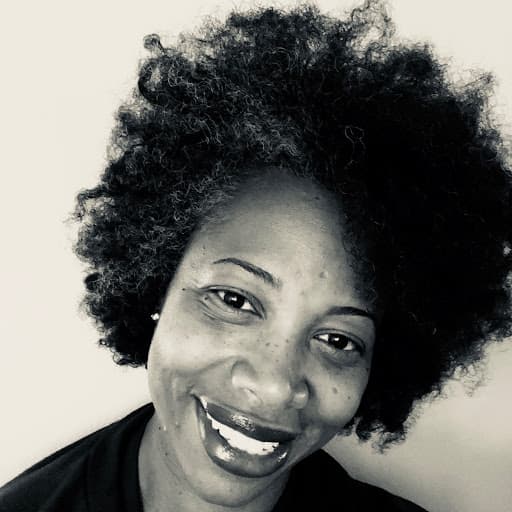
Season 2 | Ep.4: Understanding Infidelity: Challenges and Breakthroughs with Dr. Monique Thompson
27 Nov 2025 · 64 min
In this episode of the Relationship Diversity Podcast, host Keri Jareslow interviews Dr. Monique Thompson, a psychotherapist with over 24 years of experience and author of the Infidelity Recovery Workbook. Dr. Thompson defines infidelity broadly as any non‑consensual act within any relationship structure, emphasizing that consent must be explicit, ongoing, and revisited when feelings change. She discusses how hidden non‑consent leads to pain and outlines common predictors of cheating, including opportunity, family or personal history of infidelity, low self‑soothing ability, financial dissatisfaction, and low sexual satisfaction even in otherwise happy relationships. The conversation moves to therapeutic approaches: the importance of authentic communication, responsibility for one’s own needs, and the use of EMDR (Eye Movement Desensitization and Reprocessing) to treat trauma associated with betrayal. Dr. Thompson explains the structure of her Infidelity Recovery Workbook, which provides separate chapters for the betrayer, the betrayed, and joint work, and includes daily honesty scoring tools. She also addresses broader themes such as the health impacts of loneliness, the purpose of relationships as vehicles for personal evolution, and practical considerations for therapy (Texas licensing vs. life coaching). Throughout, she shares clinical anecdotes, practical exercises (e.g., walking to process agitation), and emphasizes the need for ongoing consent, self‑awareness, and courageous communication in all relationship forms.
Chapters
This explains how I define cheating. The answer is non-consent, and that means any relationship structure, non-consent. Whatever I thought I was consenting to is what I'm expecting, and what I did not consent to can cause varying levels of harm depending on the height of my expectation. Where are you making the choice? Where are you consenting? What are you consenting to? When you comply but don't consent, fast forward to pain. There's going to be pain coming. Even if you, at the time, thought you agreed to something, then you get in there, and you're like, this is not what I thought. This is not what I meant, and I wanna change my mind. All parties need to give consent, and you have to revisit consent when somebody changes their mind. The only thing you can do is revisit it, and you have to set aside all your weapons of mass destruction, sit down at the peace treaty table, take a breath, and— Dive in until you get back to consent.
Welcome to the Relationship Diversity Podcast, where we celebrate, question, and explore all aspects of relationship structure diversity, from soloamory to monogamy to polyamory, and everything in between, because every relationship is as unique as you are. We'll bust through societal programming to break open and dissect everything we thought we knew about relationships, to ask the challenging but transformational questions Who am I and what do I really want in my relationships? I'm your guide, Keri Jareslow, bestselling author, speaker, intuitive, and coach. Join me as we reimagine all that our most intimate relationships can become.
Today's episode is part of our conversation series. I'm just one voice in this relationship diversity movement, and it's important to bring more unique perspectives into the conversation. Today I have an amazing conversation with Dr. Monique Thompson, an infidelity expert and psychotherapist with over 24 years of experience working with over 8,000 couples. Monique shares her definition of infidelity, how it can show up, and shares the proven signs that someone might be headed towards cheating. But first, a little about her. Dr. Monique Thompson is a nationally celebrated therapist, bestselling author, and trusted expert in infidelity recovery. For over 2 decades, she's guided high-achieving couples, NFL families, celebrities, and public figures through the emotional aftermath of betrayal, trauma, and relational crisis with unmatched clarity and compassion. Her bestselling book, Infidelity Recovery Workbook for Couples, has sold over 10,000 copies worldwide. worldwide and remains a top resource for couples rebuilding trust. With more than 24 years in private practice, Dr. Thompson's bold yet grounded approach to emotional healing has made her a sought-after voice in media, on stages, and in private consultations. She's also associate faculty at the University of Phoenix, where she's been nominated Faculty of the Year every year since 2020, recognized for her impact in adult learning and leadership development. For over 22 years, she served as a consultant with SMU's Perkins School of Theology. Beyond the therapy room, Dr. Thompson leads her heart-centered passion project, the Zero Debt College Project, a national movement that's helped thousands of students secure over $53 million in scholarships. Her own daughter, now in law school at Howard University on full scholarship, was among its earliest participants. Whether working behind the scenes with influential couples, or leading generational change in education, Dr. Thompson brings emotional intelligence, clinical excellence, and spiritual integrity to every conversation, empowering others to heal deeply and rise fully. Let's get into the conversation. Hello, everyone, and welcome to this episode of Relationship Diversity Podcast. Wow, this guest I have today is Dr. Monique Thompson, and she has been working with couples for almost 25 years. She's got so much experience, and she is an infidelity expert. And I'll tell you, we talk about all different kinds of relationship structures here on the podcast, and infidelity can happen in all relationship structures. And I would dare even say that infidelity could happen in solo amory. This is just my little hypothesis. When we're not true to ourselves, we are somehow cheating on ourselves, I'd say. But anyway, Monique is going to give us all of her wisdom. Thank you so much for being here.
Yay, I'm so glad to be here. I've been excited about this since we scheduled it. I've been excited and ready. Yes.
Yes. Oh my gosh. Well, I learned so much about you in our little pre-recording discussion, but I would love for you to introduce yourself to everyone out there. Tell us who you are and how you got into specializing in infidelity.
Well, so I'm gonna start there and go backward. How did I get into specializing in infidelity was because I had a baby. This is real truth. I had a baby and I'm one of those kinds of moms where I want to be with the baby. And so I changed my hours. And since I changed my office hours, I ended up seeing more couples. And once I started seeing couples, I started seeing The pained couples coming in, which was constantly because of some kind of infidelity. As a naturally curious therapist, coaches were naturally curious. And I just started trying to figure out, one, what is the core issue here? And 2, what can we do? Can you recover? So that was the first thing I thought. Well, is it even possible, truly possible to recover? And in doing deep work, plus I always had a full practice. So it's like you said, almost 25 years, but I have always had a full practice. So I was all day, every day, seeing lots of couples. I literally think it's been 8,000 couples at this point because 25 years of full practice every day. And I started figuring it out.
Ooh.
Yes. Yes. Now, who we have to thank for that is where I ended up— like, when you figure things like that out, people, you know, They pass your name around and they start coming to you. So then you get better at it. And I ran up against some of my own stereotypes, some of my own, well, I'm never going to do this. I'm never going to do that. It's 25 years later. I don't really have a list of what I'm not going to do anymore. But that is really how it started. I had a baby. I changed my hours. Before that, I was 90% kids. 90% of my practice was kids. And the other chunk of it was forensics, adult male sex offenders, drug and alcohol and probation things. really in the forensics field. Those things prepared me for infidelity recovery. But it— this is the hardest. And I've covered the psych ER overnight.
Wow.
I've done in-home psych evals when I was an intern. I have done work at the state hospital level. I have done every level of care. I've worked with the NFL, with celebrities, public figures. This work, you need a big tall glass of water. You need to stretch first. This is the hardest work. But over the years, I crafted solutions. And so this is something I look forward to every day now because in a given day, I see somebody for maintenance. Someone is— their couple's coming back. None of us can believe it worked out. It's almost like a reunion. Then I also usually in the same day have somebody brand new. They are just in deep pain, excruciating pain. They don't know if it's going to work out. They don't know how did this even happen. They just have lots of heart-wrenching questions. They're having all kinds of personal crisis, family crisis, financial crisis. I mean, everything. And then I have people where we've made it a few months and the fires have settled down. This is almost every day.
Wow.
Yes. After our recording today, my last appointment for the afternoon, we've made it so far that I think we'd be fine stopping there. Like, absolutely not.
Wow.
We've made it so far now that it's a breeze for me anyway. And they can't believe that we've gotten there. But that takes years sometimes. times to get to where the community of yourself is rebuilt. You know, where the community of self took this big hit from this terrible storm, you cleaned everything up, you started to build the houses and plant the trees and the flowers, and now it looks like a new community. But the people who were living there know that, no, this is the rebuilt community.
Definitely.
We had a terrible, devastating storm and it destroyed everything, and this is the rebuilt community. So that's what I— I mean, I enjoy it. I see miracles All day, every day. And the impossible happened all day, every day.
OK, well, that's inspiring. So I can't wait to hear some more specifics. I just read the statistic from a YouGov poll that said that 53% of people reported being cheated on. And I think it was a little over 30% responded that they had been the cheater. So this is rampant. And this was a relationship poll. It wasn't just about infidelity. And so I know that this happens a lot. That happened with my parents.
Mm-hmm.
And I think it's a really tricky thing. I saw my mom go through most of her life not really getting to a place of forgiveness, which I was sad for her more than anyone. And at the same time, I really get how hard it is when you've been so hurt to come back from that. So what I'd love to start with, as we start to unpack infidelity, how would you define infidelity? Because I think a lot of people think like it's physical. Someone maybe had sex with someone that who was not their partner in secret.
Mm-hmm.
But I think that infidelity looks different and looks like that, but looks like a lot of other things. Can you start to define that and help us understand the vastness of what infidelity encompasses?
Yes, everybody put your seatbelts on. Okay, I'm ready. Put your seatbelts on. So I don't have a lot of anecdotal stories that I share because, as I mentioned, I see everybody and I'm a protector of the confidence. And I want us to do robust work when we meet. So I don't share people. So, oh, this person I saw, I just keep those stories safe. But there are 3 from 25 years and thousands of hours, you know, that I selectively share. And it's the same 3 stories anytime I've been interviewed, same stories. But this first one is how we got here, possibly, and explains how I define cheating. So real quick, the answer is like Fast forward to the end. The answer is non-consent. That's the basic answer, non-consent. And that means any relationship structure, non-consent. Whatever I thought I was consenting to is what I'm expecting. And what I did not consent to can cause varying levels of harm depending on the height of my expectation. So if I know you're no good with money and that I have to give you one of those prepaid debit cards to even keep our life together, even though we all both make plenty of money. Well, if you're fine with that and I'm fine with that and you just take the prepaid debit card— I'm using this as a simple pedestrian example— then we're fine. But what if you took that card and you felt insulted the minute I gave it to you?
Mm-hmm.
You felt belittled, you felt powerless. And you felt controlled. And although you genuinely know that you're no good with money, this that you seem to consent because you took the card, you taking the card was not in fact consent.
Wow.
It was not in fact consent. So it was non-consensual. You complied, but it was non-consensual. So walk in the professional work, doing sometimes really deep work with someone to locate The choice. Where are you making the choice? Where are you consenting? What are you consenting to? When you comply but don't consent, fast forward to pain. Just fast forward to pain.
Yeah.
For sure, there's going to be pain coming. Even if you, at the time, thought you agreed to something, then you get in there and you're like, this is not what I thought. This is not what I meant. And I want to change my mind. There has to be freedom. to change your mind, but you, person who's changing your mind, are the one who is responsible for sharing that you've changed your mind, right? You who have consented, fully consented, in my opinion, my professional opinion, you— no harm, no foul. However, something that's not your fault could still be your responsibility.
Right.
Not your fault, but still your responsibility, depending on the nature of the relationship. I'm gonna give a quick example. This is really— this is, this is the one. Like, I got 3. This is the one. And this is how old the practice is. People were still writing personal checks. Okay, everybody can't see me, but I have a lot of gray hair. I'm definitely— I have an AARP card. I'm well over 50.
Oh, wow.
But this was back when you were writing personal checks, to give you some context of the time and space. But I saw a couple, and it was actually a pimp and a person who earned her money that way, who had gotten married. And when they presented for therapy, I I'm just curious. I always start with, oh, well, how can I help? Why are we here? Where do we begin? And the issue was they continued that relationship where she is a sex worker. The original agree— nothing had changed except the pimp had changed. He did not want her to be with a certain customer anymore. And she was like, why? This is what we've always done. This is a long— Like, She didn't understand why, and she refused to stop. She's like, I'm not going to stop. We've always done this. Why would I stop now? This is how I earn my living. And he was like, I just don't like that one. He makes me uncomfortable, this kind of thing. And I'm sitting there as a therapist going, what in the hell?
Uh-huh.
How do you pick one person? What is it about this one person? And that became our work, was figuring out what is it about this one person? Do you really mean You don't want this to happen, or are you just wanting your influence to matter, or what is it? And honestly, we did not finish that work because they wrote a hot check.
Oh.
That's the end of that story. They wrote a hot check for one of the sessions. They never took care of the check. They never came back. And I just was left with, well, what happened? So that was my kind of cliffhanger experience with someone. But what it left me with was the answer on consent. It doesn't matter how we put this puzzle together. All parties need to give consent, and you have to revisit consent when somebody changes their mind. The only thing you can do is revisit it, and you have to set aside all your weapons of mass destruction, sit down at the peace treaty table, take a breath, and dive in until you get back to consent.
That makes it super clear. Maybe not always super easy to unpack, but it makes it really clear. I think a lot of times couples or people get into relationship and things aren't really discussed. And there's like this, you know, OK, this is just how it is, but it was never really consciously talked about. Do you find that a lot?
Yes, but to some degree, it's fair. Your subconscious is faster than your conscious mind. That's just scientific fact. That's what we know about the brain. So that you're not consciously aware, we're back to not your fault, but it is your responsibility, right, to become consciously aware. So that is where you go in your private opportunities for deep work. You go on retreats. You go to life coaching. You go to relationship coaching. You go to professional therapy for the purpose of being a responsible citizen of the world, becoming conscious. So you maybe didn't have— maybe you didn't realize You're responsible for coming to your realizations, and you're responsible for the living of your authentic life, which most often involves coexisting conflicting truths.
It can be—
yes, that's—
That's right.
So that's one of my tools I use with couples, is for us to uncover your coexisting conflicting truths. It can both be true that you love someone And that you do not find them sexually attractive, and that you have to bear the responsibility, you have to bear the responsibility of leaving the relationship because you have a non-consenting partner when it comes to you having sex with other people.
Mm-hmm.
Right. So when you say, well, I don't get my needs met here, you're responsible for getting your needs met. And you're responsible for taking responsibility that this person did not consent to your method of getting your needs met. So if that happens, then you figuring out what did I just do is a big question. And for that, we're back to go to the conferences, go to the retreats, get on the cruise where they doing the deep work, go out in the woods and swing and do the ropes course, get down to your— and sit around the fire, smoke it out.
Yeah.
Whatever pathway you have to find to get to your conscious thought, because it's not quite the same path for everybody. Whatever it has to be for you, that is your responsibility, though. It's for you to find your authentic path, get to your most conscious truth, and then for you to take responsibility for you living your conscious truth. And the other person can say, no, I don't want to live your conscious truth because I'm living mine. Right.
And they can't find that place where they can live together and coexist.
Exactly. It may be that we can— our living truths may not be able to live together in a relationship, an actual relationship. It may be that our living truths need 2 separate universes, and each of us has to be responsible for that. So if I am saying to you, I only want to be with you, and you are saying to me, I only sometimes want to be with you, your responsibility was to tell me your most authentic truth was, I love you, but I don't always want to be with you.
Right. Mm-hmm.
Like that. Or, I love you and I only want to be with you. Another person says, oh yeah, I only want to be with you too. We don't have anything left to discuss except you might change your mind. See, there is it. Yeah, except when you change your mind, now you have a responsibility. Forget the fault about it because we know for sure things that predict infidelity. Relationship dissatisfaction predicts infidelity. Low sexual satisfaction Even with high relationship satisfaction predicts infidelity, right? Personal crisis, having a low ability to self-soothe predicts infidelity. Well, how did you get there? Who knows? You could have had a high ACE score, that's adverse childhood events. You could have had a high level of trauma from childhood that now it may be a longer road for you to become conscious about what's going on with you. You are responsible for seeking the care and treatment. EMDR— CBT is not so much great. It's good. It's OK for trauma, but I like EMDR more. Like you mentioned your mom, maybe you find that I cannot forgive this person. They have actually made amends. They've made direct amends. They've made living amends. They've done everything they needed to do, and I just can't forgive. You know who's responsible for working through that? You.
Mm-hmm.
You. You. And fortunately, today we have more tools. You know, but even if we rewind time, which we could all the way to the dawn of man, your individual responsibility was the key, was the key to your own authentic living. Always, always.
Definitely. And that takes so much courage to look into and really unpack all of the stuff and then get down to the core of what it is that I really want. Because I think many times shame is something that keeps that from coming out.
Yes.
And that it's just so scary to accept certain aspects of yourself.
You know, so I somehow— I have a lot of high-achieving, high-IQ people. I'm not sure. I'll do my own convenient study at some point and try to figure out how that happened. Because of that, I keep bumping into this specific irrational thought. I'm stupid. And for people who have a high IQ, you know, high achievement, that is crushing for their identity, their esteem, and even their sense of like place in the world. But the truth is, if something like this happens and you didn't see it coming, you're going to feel very, very stupid. So there's a reality in that you're feeling, but the reality is It's not— there's the coexistence issue. It's not true that you are, in fact, stupid, but you feel very, very stupid. And you know what? That feeling being so deep, so robust, can keep you captured in this box where you isolate. You don't talk about it. You just want to appear like everything is okay. You don't want the person to divorce you because you don't want people to know that this happened to you, but you actually do want the divorce too.
Yes.
Wow. Yes.
Yeah, there's so many layers. You were talking about the predictors, these predictors of infidelity.
Yes.
Can you go over those again and add whatever maybe you didn't talk about? Because I think if someone out there, maybe even before infidelity has happened, if you can kind of check some of these off of like, ooh, yes, I actually, I feel resonant with some of those things, I'm going to have the courage to say, ooh, I actually feel that. I could go down that path, and I don't want to. Having that moment could be really powerful to start working through some of these things so that you don't end up in that place of cheating on your beloved.
Yes, yes. My disclaimer here is that this is in no particular order, right? To some degree, it's because I'm really comfortable in this interview, and I'm just having a little bit of fun. I'm an educator. And so I'm inclined to make things ordered, but I, I can tell you these answers, but I'm saying the disclaimers, this is not in any particular order. But one is opportunity. And I want to kind of start there because the internet, these internet streets, you know, have made opportunity literally at your fingertips. So once upon a time, it genuinely was more difficult. But it is entirely the opposite now. And because of the opportunity, I'd be very curious about the numbers if someone were to do a survey today, and specifically with maybe millennials or with pretty tech-heavy people, the early adapters of tech. I'd be curious to see if there is a differentiation between their seeking opportunities to cheat versus older generations who— I mean, my, my parents still They still write paper checks, actually. My uncle wanted me to buy some barbecue for him. This is a true story. Last week, I ordered the barbecue online because that was the only way to get it. He had my husband drive to his house and gave him cash to give to me to pay me back for the barbecue. I offered every opportunity. You could Zelle me, Cash App me, just— He still only deals with cash. So for that generation, I feel like probably their opportunities didn't really change with the internet. Okay, me, but I'm not— look, I don't underestimate anybody. Grandma might be on the app right now. But first it was the internet, now it's the apps. You can access a wide menu, and so the opportunity is greater. And the opportunity has always been a factor. Always, always, always, always. Um, having a family history of infidelity or a personal history of infidelity. And now that we know about epigenetics, that is ever more so present that some of it, when we're talking about again that subconscious versus conscious choice, some of that subconscious comes from epigenetics. Epigenetics is the inherited social response through your DNA. for certain behaviors. We first looked at this with Holocaust, um, so the grandchildren of Holocaust survivors who exhibited, um, social behaviors that would indicate that they had been through the Holocaust when they most certainly had not. Um, and so there were these experiments done on rats. Of course, we always messing with the rats. Um, and it showed this, this genetic inheritance that the pups, the baby rats, could not have exposed themselves to, but they had a response to the environment As if they had. But if anybody wants to kind of Google, they look on YouTube epigenetics and then put in the rats experiment and also put in Holocaust survivors. And you'll see these studies that have shown that epigenetics seems that it is inherited from the father's father. So from your grandfather's sperm to your father. Wow.
Fascinating.
This response. So there's— so right. So when I mean, I genuinely mean that you have to take responsibility. for your subconscious becoming part of your conscious awareness so that you can make a conscious choice. Okay? But infidelity in your family systems seems to play some sort of role. I do not believe causal. I think more of a social correlate, meaning that your self-soothing behaviors, which are shaped for sure by your social environment and more steeply shaped by your family environment, My theories, I believe some of that may be coming into play there because lack of self-soothing is an indicator. All right. So, but then the question, well, where did the inability to self-soothe come from?
Right.
Lots of answers there. But in the final course of it, your difficulty with self-soothing is an indicator. So when you have a spouse, what this may look like in a relationship, they're upset because they had a bad day at work. They come home and they're withdrawn. They want to just have some time away from everybody. So they're cocooning in the bathroom or they're cocooning in the bedroom, but they're not interacting with everybody else. They're socially isolating. And then by the time they're ready to interact, people are like, we finished with dinner. They're moving on. So now they feel rejected and so they withdraw more. So that inability to self-soothe, whereas a person who uses approach behavior, For self-soothing. Comes on his same bad day, comes in, it's like, oh y'all, y'all not gonna believe what I went through today. And they're steady talking while they're taking off their shoes, like, wait a minute, let me go to— I'm going to the bathroom, coming right back and tell y'all, you know. So they go and they kick off their shoes, and while they're in there, they're like, okay, you know what, I need to just calm down first. So they end up— they're literally talking through it with themselves on the way home. They may have played any measure of music. I mean, I'm a woman of faith, but I listen to my trap music on the way home sometimes. I gotta hear Die Die Kill Kill. Oh, y'all, to get myself right, you know, but the ability to self-soothe, you kind of know what kind of rhythm you need to get into. You might go for a walk before you go in the house because you're like, I am too tense right now. My kids say, you're up here, I need you down here. But even somebody's ability to kind of engage with you like that and say, hey, you're up here, I need you down here, indicates a relationship. And you saying, I need to be down here, okay. And then you getting yourself down, that's self-soothing. Mm-hmm. So in a relationship where other people are to blame, for your emotional state, that is inability to self-soothe. So what this may look like when somebody's cheated is, well, I told you I wanted this particular thing. You didn't want to do it. Like, yeah, we talked about that one time. I talked about that one time, or you tried one time, and I just wasn't interested in that. Because I've seen this, that they might not have been interested that day. They didn't necessarily mean no forever. They meant not right now. But you took that, ran with it, failed to self-soothe. Part of self-soothing is communicating. And so then you went and sought out soothing somewhere else, and you did not have consent from your partner to do it. Well, yeah, you cheated. So that's another one. Another one that I count that some therapists may be on the offense, but I count financial infidelity. And sometimes what this looks like is a person is trying to solve a financial problem independent of themselves. And so they— so I'm counting it this way: you're overworking outside the home, taking your whole self into whatever it is that you do to make money. And you may say something like, I'm bringing all the money in, don't say anything to me, or if you would go to work, we could do so. So you're taking yourself away from the relationship so powerfully that people will say you're married to your job or you're married to work. I consider that cheating. So I'm using that as The financial challenges in a relationship, take those seriously. Take those very seriously and then decide together how we're going to solve this problem. Because often when the person may be the higher income, they decide to solve the problem by taking on another project or by getting another contract or by expanding their business. Their spouse is like, what are you— where are you? Well, you know, I have to go out of town for the next 3 weeks. What was going on? Well, you know what we've got going on here. We have this and we— and And they solve the problem kind of, but you're away from the family. The spouse that's left behind is literally left behind and they did not consent to that. So I consider the financial infidelity to count there. Okay. So here are the 2 that you'll hear from almost anybody. No relationship satisfaction. I count that to quality of relationship. So in the workbook, There is a link in the appendix to this chart that I use. Nobody likes the chart. And any of my clients that are listening, y'all know what chart I'm talking about. And you also know that I don't care that you don't like the chart because the chart works.
Okay.
Sometimes you have to reduce things to writing for there to be clarity and peace. I learned that from my friend Anissa. She's Muslim and she teaches. I like to learn from all faiths. So that's one of the things she's— you have to reduce things to writing for peace and clarity.
Mm-hmm.
All right, so the worksheet reduces things to writing. It's a yes or no for the whole day on whether you were honest with yourself about your thoughts and feelings and honest with others about your thoughts and feelings. And then there's a little space for a score, 0 to 10. How well did you manage being genuine with other people and being genuine with yourself? And then there's a little space at the bottom for a few notes. It could be that in a relationship, people think that their spouse is fine, and their spouse is literally about to serve them with divorce papers. Epic fail on authentic communication, right?
Mm-hmm.
Authentic communication looks a little bit more like this. You know, it's— we probably need to go talk to somebody. If you don't want to go talk to somebody, we need to do something because I have been unhappy, and I've been trying to get myself to a different place with us. But I really think we need to go. We need to go. And I just need to mention that to you because my, my energy level is going down. You know, I don't know what I'm going to do. So then the other person is like, I don't think there's anything wrong. You go talk to somebody. You go talk to somebody. And in the going to talk to somebody, you start making plans to leave. That's inauthentic. Uh-huh.
Right.
You owe the follow-up conversation. Hey, I have been going to individual therapy. My interest in working things out with us is going down. I'm not threatening to leave, but I'm also letting you know that I'm not promising to stay. And I feel like we need to do something different than what we're doing. And I just want to keep you in the loop of where I am. That's authentic communication. Delivering that information in the heat of an argument with a tone and with unblessed words in front of your kids, that's a zero for the whole day.
Oh.
You did. It's a yes, but it's a zero because how you delivered it was abusive. It did harm. You know, you're provoking people. So yes, it was the truth, but it's a low score. And what you want is a high score where you said, you know what, when you get a minute today, I need us to talk real quick. I know this isn't a good time, but before we go to sleep, we need to kind of check in. That's a higher score. You're being respectful that that person may not be ready. You're giving them some heavy information, right? A no, but a high score. You have a friend reach out to you, hey, you want to go do A, B, C, D, or E? And you tell them, yeah, yeah, hey, yeah, let me just wrap up here and I'm on my way. And then you go back to your desk and you see there will be no wrapping up today. The wrap things are unwrapping themselves. You need little elves and fairies to come if you want to go home anytime soon, right? So you owe that person a response back and say, hey, I thought I could wrap up here, but there's no way. And hey, I'm sorry about that, but I won't be able to make I have no idea when I'm going to make this up to you. That's authentic communication. So really, you did need to take responsibility for being a little bit more aware of your own day, but things happen. Again, that subconscious versus conscious thought. It's genuine sometimes that you did not mean to not be genuine with someone, but here you are. And taking responsibility means cleaning it up. So now there's that higher score of cleaning it up. Let's say you're the person that cheated. In your effort to clean up, keep in mind that low score. I see everybody. So again, I don't share people's stories, but of the 3 stories, one of them is a story of somebody who was planning to cheat. But I see everybody all day. I see people every week. Somebody's planning, they're thinking it through. And when you find out that you're going to do that and you make that decision, and let's say the discovery happens. How you handle the discovery matters. The workbook is written for both partners. But I'm honest with everybody, it's a little heavy-handed on being written for the person who cheated.
So let's talk about that book. Because that's a perfect segue, because this is a book that you wrote, called The Infidelity Recovery Workbook for Couples.
Yes.
And this is where this chart is, right?
Yeah, the chart is in the appendix. Yes. In the appendix.
Okay, so tell us a little bit about the workbook. You say it's a little bit more heavy for the person.
Yeah.
Who has cheated, which I don't know a lot. I guess I haven't come across a lot of books that are for that side of it. It's usually someone trying to forgive the person that cheated on them.
So there's every other chapter. So one chapter is for the person who cheated. The other one is for the betrayed partner. Then there's a chapter for them to work on together. So it kind of goes into a rhythm, a sequence like that. But the core, the essence of the book, I had in mind the person who cheated because I often saw that the person who cheated— y'all don't look, we listen and we don't judge. Listen, we don't judge. They often needed my space to unpack the full range of what they were thinking and feeling and to say it in an uncensored way. And I felt that the workbook would be helpful for someone who maybe they're never going to be able to see. The workbook sold over 10,000 copies. I clearly can't see 10,000 people, right? But I got so tickled when I looked at one of the reviews. There's a picture of this man sitting there working on the workbook and his wife is like, this saved our marriage, you know? And I'm looking at it going, exactly. The person who cheated is the one who's like, I don't even know what to say. I can't answer all these questions. What am I supposed to do? And they're trying, but their effort is at, you know, peewee Little League rec level. And this is Major League Baseball, you know? So even their best effort is falling flat. But with the workbook, they're able to articulate answers that make sense and don't do harm, for one. They're able to do work without feeling judged. And sometimes things don't work out, but it does not have to be the chaotic ending of the world. It can be a peaceful choice to go separate ways, which is always my hope, is that even if things don't work out, you can have a peaceful ending. You can choose peacefully to not be together anymore. And sometimes The person who cheated feels obligated to stay and do all this work because they feel so bad that they— okay, we got to work through all, like you said, the shame. We got to work through all of that and get down to the core. And it may be at the end of the day, you don't want to be with this person anymore. And that it's not just that you changed your mind, you are now certain. And you don't know how to deliver that news because it turns out that you're living in that complex coexisting, conflicting truth of, I actually still love them, so I don't want to hurt them. And what I have to tell them will most certainly hurt them. And how do I even do this? So the how do I do this, I feel like it's the question for everybody, but especially for the person who cheated. And on the range of weird things that I see, sometimes They only on the most technical level cheated because let's say that the other person did seemingly give consent, but the person who cheated was like, I don't feel like that was real consent, but they did say yes. And then they'll even check back in and say, are you sure? Yeah, I'm good. And then, I don't know. So that's the third story. So I'm going to share if we have time. Third parties, we have to deny consent.
We do. And this kind of was actually something I was thinking about towards the beginning of this conversation was this role of people pleasing, because I know that all too well. I'm recovering for the most part. And this idea of like giving consent, because this has happened in my relationships before, I give consent because I am a people pleaser, and I want them to like live their best life. But it really isn't okay with me. It doesn't feel okay with me. But I also don't feel like I can say no. And so that's like a really wishy-washy— it isn't consent. It's like masked consent, but it's actually really could be quite damaging.
Yes, exactly. Exactly, exactly. And then but to be fair, like you said, you Are working on that. What if you are caught with somebody who's working on that? They haven't finished their work. So they did bring to the experience non-consent, but they're working on that. And so then they fast forward time and they're grown and in a different place, and this power has blossomed. And they say, you know, I want to stop this. Or I want to start.
That.
And the other person's like, where did that even come from? I'm like, well, I did all this work, working on myself, and now I have the confidence to say I want this thing. And the relationship now, the power dynamics will shift immediately. The other person who once had all the power now has to recalibrate and accept the person's change of mind. You believing that somebody must stay in your life for you to exist Consent is a powerless way to be. And when I mean be with a capital letter B, as far as you as a human being.
Yeah.
You as a human being. So even if you have consented to something, you retaining the power always to change your mind.
Wow. Change your mind. You know? I feel like I've— traveled through all of what you just said in my lifetime, all of it, the people pleasing, feeling like I need to, but I'm in the middle of my process. And then I work through that process. And then it is so true, the power dynamic totally changed and shifted. And it was almost like the struggle kind of released. And then this idea of changing minds, I've experienced that in my relationships, feeling bad that I've changed my mind or guilty, or maybe I set something up, but now I'm not feeling it, and I don't know how to communicate it. All of that. Monique, relationships are complex.
Oh, girl.
Bless you for doing all that you do.
I really— I feel like God has been kind because I get to see, like I mentioned, the end of the story. Like, that cliffhanger, I was very young. I was a very young therapist. I was just saturated with curiosity. And really, the personal check bouncing did not bothered me so much is I wanted to know the end of the story.
Of course.
You know? I feel like somebody took my library book back. I wasn't finished reading. So I really wanted to know the end of the story. But through the work with other couples, genuinely get to see the end of the story often, often get to see the full end of the story. The beginning now and the middle, it's been a long time. So I'm not really moved anymore. I feel like a surgeon who's done like 1,000 heart surgeries. And they say, how can you look at all that blood? And I'm like, I don't even notice that blood anymore. I just get in and take care of business and go on. You know, plus, you've done it so many times that you have a technique. I use a lot of evidence-based practice. EMDR is one. I'm EMDR trained. And so people's ability to do deep work and to, as your mom had said, let go and forgive, a lot of that has to do with the brain injury that was caused by the infidelity.
Yeah, let's go into EMDR a little bit more. And can you explain for people who have no clue what those initials stand for and what they mean. Give us a quick crash course on EMDR.
So EMDR, Eye Movement Desensitization and Reprocessing, is a method of treating the brain's trauma that is non-medicinal. So there's no medicine involved. It was discovered by Francine Shapiro back in the '80s. It has been widely studied for years. For years, it's been studied and found to be effective. It is widely used with our veterans to treat PTSD. And in more recent years, Dr. Daniel Amen, who is an internationally recognized neuroscientist, has done a lot of brain mapping to show, physically show the difference in the brain where post-8 sessions, you can physically see the changes in the brain returning back to health. after exposure to trauma through the use of EMDR. So this is why I use it, because when people experience trauma and they come in for therapy for infidelity, if we do not treat the trauma so that you can think, then we end up with cases like your mom's where life— you're going to live past the trauma. All you have to do is go to bed and wake up and you live past the trauma.
Mm-hmm.
The time stops for no one. All you have to do is go to bed every night, wake up every morning, and you live past it. But time does not heal a thing. So then you see people 5 and 10 generations out still in pain from what happened. And the truth is they might have benefited from EMDR. We didn't know about it before the '80s. Legit, we didn't know about it before then. It is more widely accepted and used now, but not everybody is trained in it. And even I, in my practice, I used to outsource it. I had 2 trusted colleagues here locally, And I would outsource it, but it was not working because people would not go. They wouldn't schedule. I would say, how'd that work out? And they're like, oh, you know, my insurance wasn't going to cover it. I just wanted to come back here and talk. I'm like, okay, well, I can't make you go. But now for my anniversary gift to myself, my practice turns 25 years next year. My anniversary gift for my silver anniversary was I'm just going to offer it in-house from now on because of the major improvements more quickly, I could see clearly between my clients who would go get it done so that we can do this deep work versus the ones who would not go get it done. And now it's years, not like a couple of weeks or months, but it's years of extra work, painful work, like no anesthesia. So I look at the EMDR as the anesthesia we need so that we can do this deep surgical-level work on the relationship, you, you need some anesthesia. And it works. I mean, it works fairly quickly. I'm only laughing because I'm thinking about one of my clients who was kind of reluctant. Most of them were because I used to outsource it, so they're not used to me offering it. It's been so lovely for people to get this relief from it and go, that was so easy. I'm like, yeah, it is.
Yeah. Is it accurate to say that the trauma keeps people from doing that deep work? Like, they just can't get under that trauma because it's—
Yeah. Yeah. You have— so to do EMDR, there's a lot of prep work to it. So anybody listening, I do not recommend self-administered EMDR if you have what we call a high ACE score, Average Childhood Events score. If you have a score higher than 2, I don't recommend you use self-administered EMDR. You can go on YouTube, you can find videos, there's workbooks that let you show how to do it. The essence of it is bilateral stimulation, long word that just means left-right. So how Francine Shapiro discovered it was she was on a walk. So the left-right walking. You can do a butterfly. Maybe people have seen the Good Morning America story where Prince Harry was sharing that he uses EMDR and he does the butterfly tapping. So that's the left-right stimulation. You can follow the therapist's fingers, you can follow a ball, anything as long as you're doing the left-right stimulation, right? Well, so what's really happening? The brain is desensitizing. But you're right. What if I'm afraid to even do this? Well, that's where the resourcing comes in. So before you do it, your therapist is going to walk you through a lot of steps to get you ready to do the EMDR. Once you do the EMDR, you're only maybe a few hours away from that relief.
Wow.
So 8 sessions, 8 90-minute sessions, That's what, 720 minutes or so? Y'all don't send any messages about my math, okay? But about 8 sessions, 8 90-minute sessions, you can physically see the difference in the brain. But then now that your brain is healthy, the example I give people, a healthy brain doesn't win a spelling contest. You still got to study. You got to still study your spelling words to be ready on Friday. A healthy brain. Now we got to do the work. We got to still do the work. And infidelity is definitely harder than a 3rd grade spelling test. So you still have this work to do. But to answer your question, yes, the sourcing, getting the person ready is important. I use an online course that my clients can do for free when they come in to see me. If I think we might use EMDR, I say, why don't you learn a little bit about it? We do some education in session. We do it immediately. If I can get us started immediately, then I know we're going to have relief immediately. They are going to feel the relief immediately, which is the testament to them. So I have to have what we call a really strong therapeutic alliance, meaning you have to trust me, I have to trust you. The thicker that cord is, the more work we can get done. And that preexisting therapeutic alliance, I notice, helps us to now go do the spelling test. We've gotten this treatment done so that your brain is living mostly in your parasympathetic nervous system. That's your relaxed response. You're not living most of your day in your fight or flight response. So instead of being in your sympathetic, you're in your parasympathetic system and you're naturally living over there. You're not with great effort, like deep meditation and visualizations and affirmations and drinking tea. So all those things help. It's not that they don't help, they help, but the EMDR actually treats the trauma in the brain biologically and there's no side effects.
Yeah.
There's lots of medicines you can take to help achieve a similar goal, but of course there's side effects. You've got to find a remedy dose and those kinds of things. With this, you just need to see how many sessions. And then after you finish getting the trauma relief, which I measure, I do assessments before to establish a baseline. We usually assess around session 3 or 4 with actual clinical instruments to see, did these levels go down? They always do. Now we can do the spelling test. So it does help. So all the clinical trials have been done in lots of different populations and even in people with the therapist and the client don't even speak the same language.
Oh, wow.
Yes. Even with a language barrier, you can achieve the relief from the trauma. And then you see this beautiful movement that I really appreciate this group. There's these international groups that'll go when there's been like a national disaster And this team of therapists will go and help. And you might be foreign to the culture and foreign to the language, but this is more about your human body's physiological response to trauma. And so it transcends all those different barriers. Yeah, it's nice.
That's amazing. It sounds like a miracle. And it sounds like it just is going to help people get to the work to have them living a more authentic life. And that's kind of what I want to as we wrap up is really get your opinions on the purpose of relationships. I think there's a lot of programming in the world that's like, the purpose is to find the relationship and be in that relationship and make it work regardless of anything, like any changes, any evolution. Just keep working to keep with the relationship. Like, there's this societal programming about that. To me, I've always looked at my relationships As my relationships are helping me to evolve into a more truer version of me, of who I am at this age, 55, as I was at 35, truer then than true now. And I'm evolving. And my relationships really help with that. And I feel like reframing for people—
Yeah.
—the purpose of relationships could be really helpful. And the reason why I'm bringing that up is because when you were talking about, like, some couples go through this work with you, and they decide not to stay together, and that is the most authentic expression of who they are. So how would you talk about the purpose of relationships in our lives?
So that last part you said, they may decide not to stay together, but not being with you doesn't mean I'm choosing to be alone. Right? I don't recommend Why would any human choose loneliness? It has an adverse effect on your health immediately. So pop question to your audience, what do we do still in 2025 when a person has committed a crime and they're a hardened criminal and they're in prison? What do we do for discipline? Solitary confinement. Why does that work? Because you cannot escape the negative health effects of loneliness. It is inescapable. Your humanity, your biology will not allow you to escape the biological stress response of loneliness. You cannot escape it. So you're going to instinctively, even if you are a hardened criminal in prison, you still need community. You still need— so there's always a physical consequence, always, period. And there is no getting around the physical consequence, the negative physical consequence of loneliness. So some of it is a very 1 1 2 survival instinct that you're going to need to connect. Now, is being with a group of people the same as being in community and feeling a relationship? Do you need to feel love? And the answer is, turns out, yes. So when you connect with somebody that you love and you feel loved by them, You release oxytocin. Oxytocin, as it turns out, get this, has a binding effect on your heart. There are receptor sites on your heart that bind to oxytocin, and it has a healing effect on your heart for the adverse effects of stress. The love hormone. Isn't that beautiful?
Yes.
Isn't that beautiful? When you do not have these connections, your T-cell function goes down, your agitation levels go So if you think about it, when you say sometimes, oh, you make me sick, you actually— yeah, you actually do. And when you start noticing that you don't feel comfortable in your own skin in a relationship, take heed to that. Remember that subconscious versus conscious communication? Take heed to that. My quickest remedy for anybody, if you are not sure about a relationship, go for walks. This is the easiest thing you can do. Go for walks. Go for walks and start off with what you're uneasy about and let yourself naturally walk it out. You'll notice that when you come back, as you mentioned, you may not have a solution, but you'll probably have a little bit more peace. You can walk out your agitation. When you're agitated, not only do you not want to be around people, people don't want to be around you.
Yeah.
Okay? All right? And when you have been lonely for too long, then you start to do anti-survival things like Act untoward with people you actually want to connect with. Or you may be abusive even. And I'm not excusing abuse, but you may be abusive when really what you want to do is be loved and loved on.
Mm.
So you making a choice to be responsible for your own self-soothing, be responsible for your own physical, emotional, psychological, mental, spiritual, all your health levels, all the whole wheel of health, you being responsible for making sure that you are running like a well-oiled machine. Also means connecting with the people that help you run.
Mm.
So you being responsible, noticing that the people around me right now, I believe that they are literally ramming my car into a tree every time we get into this car. OK, so then the choice you need to make is to think about, well, is it that I enjoy ramming into trees? Does that build up excitement for me? Am I kind of cool with that? Or is it that really, turns out, I have been muffling my own voice Out of fear that they will simply leave me. And so I've been doing a ride-along running into this tree, but I didn't ever really want to be here. So now my non-consent is what you just— the non-consent with yourself, which now breeds you to a sense of loneliness even when you're in the company with people because you needed to work out your own authentic voice within. That first step is you being honest with yourself about your thoughts and feelings. And your deepest honesty will help lead you to see that I actually do need relationships.
Mm-hmm.
Now, the science is clear. It's not even an argument in the scientific community. All we do is babble and fuss about loneliness. It is consistent. It is consistent across all voices in the research. Loneliness— and it doesn't matter where you live. Spin the globe, any community, loneliness is a problem. Any place in time, you go backwards in time, you see that loneliness was never a good idea. It was never a good idea.
Right.
So you're onto something with Your relationships matter. How you show up in your relationships matter. You want to bring connectivity, and that connectivity requires consent. So I want to be careful here that people don't misunderstand that I mean that there is a clear definition of relationship or a clear definition of connectivity. What is more clear is you having personal responsibility for you discovering your definitions of relationship and connectivity. But to be clear, if you find yourself defining it as I need to just be alone, you're wrong.
Yeah, I hear what you're saying. And I think that's my whole purpose with this podcast is that your relationship doesn't have to look like anyone else's as long as you are living in authenticity with yourself and you're connecting with others in an authentic Mm-hmm. That feels true to you, that lights you up, that excites you, that does stimulate the love hormones. Meaning that if you are in a monogamous relationship and monogamy doesn't work for you, and it's not the truest expression of you, to come into take responsibility for that, communicate it, get therapy, get help, read books, So that you don't end up acting out, right? And cheating, because that's just not who I am. That doesn't feel authentic to myself. So it, it can go in so many different ways. And I think it all comes down to knowing yourself, taking your personal responsibility, and having the courage to do that. And if you can't do that by yourself, finding someone like the amazing Dr. Monique Thompson to help you.
Right.
So with that, and with that, I wanted to ask you, now you are in Texas. That's correct?
Yes.
And you are a therapist. So people that work with you need to be in Texas?
In Texas for therapy.
If we're treating a mental health condition, we need to be in Texas. If we are not treating a mental health condition, meaning we do not have a diagnosis and treatment plan for a diagnosable mental illness, then we possibly need life coaching. I offer life coaching to anyone. I see people from All over the world, other continents. But our first step is to identify which part of who I am is best suited. So for people who are in Texas, you actually have that one option that other people don't have, which is if you need therapy, if you need treatment, we have that option. So yes. And everyone else, if you do not need treatment or if you have a local therapist you're working with and you still need life coaching.
Got it.
Because sometimes, so like they're going to, you go to the gym and you get somebody to work with you for a personal trainer. Your personal trainer is not your medical doctor. Your medical doctor is the one that got you so bad you can actually go to the personal trainer. Your medical doctor's going to say, well, we need you to eat better and lose weight. And then your personal trainer's like, yeah, so that piece of paper with that note on it, it wasn't going to help you accomplish that goal. So here we come. So your therapist may say, yeah, you need to work on that infidelity. You and your partner, you guys need to go somewhere and work with somebody on the infidelity. Yeah, where do we go? Infidelity expert. That's where you go.
That's awesome. Well, well, this podcast is listened in over 100 countries and territories. So if you are in some corner of the world, and you're really struggling with this, and you are amazed at the wisdom of Dr. Monique Thompson, we'll have all of her contact information in the show notes, as well as a link to your workbook, the Infidelity Recovery Workbook.
Thank you so much.
I'm so excited about this conversation. I feel like it's going to help so many people. Thank you so much for sharing your wisdom with us.
Thanks so much for listening to the Relationship Diversity Podcast. Want to learn more about relationship diversity? I've got a free guide I'd love to send you. Go to www.relationshipdiversitypodcast.com/guide. Go to relationshipdiversitypodcast.com to get yours sent right to you. If you liked what you heard, please subscribe to the podcast. You being here and participating in the conversation about relationship diversity is what helps us create a space of inclusivity and acceptance together. The more comfortable and normal it is to acknowledge the vast and varied relating we all do, the faster will shift to a paradigm of conscious, intentional, and diverse relationships. New episodes are released every Thursday. Stay connected with me through my website, carriejerislow.com, Instagram, or TikTok. Stay curious. Every relationship is as unique as you are. Are you wondering why you never seem to find lasting fulfillment in your relationships? Or do you create the same kinds of relationship experiences over and over again? Can you never seem to find even one person who you want to explore a relationship with? Have you just given up hope altogether? If this sounds like you, my recent book, Why Do They Always Break Up with Me, is the perfect place to start. The foundation of any relationship, whether intimate or not, is the relationship we have with ourselves. In the book, I lead you through 8 clear steps to start or continue your self-exploration journey. You'll learn about the importance of self-acceptance, gratitude, belief shifting, and forgiveness, and given exercises to experience these life-changing concepts. This is the process I use to shift my relationships from continual heartbreak to what they are now— fulfilling, soul-nourishing, compassionate, and loving. It is possible for you. This book can set you on a path to get there. Currently available through Amazon or through the link in the show notes.
More from Monique
Love and dating gurus with Dr Dan podcast- S8 Ep 2: Special Guest and relationship counselor, Dr Monique Thompson
Infidelity Recovery Workbook to Rebuild the Coupleship with Dr. Monique Thompson

The Physiology of Betrayal: Moving from Survival to Grounded Discernment with Dr. Monique Thompson