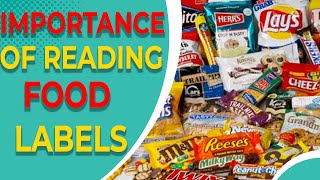
In this instructional talk, Dr. Priti Nanda Sibal, a clinician who transitioned from allopathic to functional medicine, explains why many educated consumers overlook food labels and how this can jeopardize health. She walks through several common packaged foods—a peanut snack, makhana (fox nuts), guava juice, and a sugar‑free product—highlighting discrepancies between serving‑size information and actual consumption, hidden fats (especially saturated and trans fats combined with sugar), added oils like palm oil, and a range of additives (acidity regulators, salts, flavorings, antioxidants such as INS 319/309). She details the high added‑sugar content versus natural fruit sugar, the impact of sugar and artificial sweeteners (sucralose, aspartame) on the gut microbiome, diabetes risk, and long‑term brain health. The speaker contrasts the allopathic view that “food is not a doctor’s concern” with the functional‑medicine stance that food is a primary therapeutic tool, critiquing the food industry’s focus on making products addictive rather than healthy. She urges viewers to scrutinize unfamiliar ingredients, avoid diet‑sweetened products, limit plastic‑packaged foods, and actively request manufacturers to eliminate harmful components.
Chapters
Hi, today I am going to talk about food label reading. So for the last 5 years, since I have shifted from allopathic medicine to functional medicine, One thing I've realized is we as informed, educated people also do not spend any time on reading our food labels. So let me put my specs on because without that I can't see, and let's see some examples. So this is the Nutcracker pack. I think most of us have eaten it. The energy So first thing we have to read in food labels is the serving. Whatever information is given here, it's given here for 100 grams of this stuff, and this is, I think, more than 500 grams in total. Yes, so net weight is 440 grams. So if you think that it has 634 kilocalories, no. If you eat this whole package, It will have about 2,500 kilocalories. So your whole day's calorie requirement will be taken care of by this one packet. And interestingly, let me tell you, in today's times when we are all working on low basal metabolic rate, it will take care of 2 days of calorie consumption. What else does it have? It has some protein, it has carbohydrate, It has additional sugars in it. It has fat, and please note it, total fat it has is 50 grams in 100 grams of the serving because of course this is peanuts. Saturated fat is 22.5 grams and trans fat is 0.1 gram. I want to make a note here, friends. We all know monounsaturated, polysaturated fats are good fats for us. Omega-3s, and omega-6 in the right balance. Saturated fats were always thought to be bad, but now some saturated fats such as coconut oil are considered good. But important thing is, whenever fat is taken with sugar, like in this, it becomes a pain in your neck. Trans fat, or eating fat with sugar, is the simplest recipe to have cancer in the coming years. Shocked? I was too. But let's look at what more this packet has. So this has peanuts, 69%, very good. Gram pulse flour, 18%, good. But now comes the real problem. It has edible vegetable oil, that is palm oil, cornstarch, and it has common salt and acidity regulator. Now what does this mean? This means that they have added stuff in this so that we don't feel acidity. We get addicted to this taste, and the side effects of acidity regulator are none other than nausea, bloating, acidity. and if it goes in excess, it can lead to leaky gut. Salt. Is salt good or bad? You would think it's good. Yes, it is good, but human requirement for salt on daily basis is just 2,300, and that we get from the vegetables in the food we cook. So anything additional, please be careful. So my point is, read it properly. And the last thing which I want to bring to your notice is anything which you think is strange to you, which you've not read before, that's the time you should know that it doesn't have to go to your house. It is good in the grocery store, and you can just keep it on the shelf again and move on. Now let's look at this makhana packet, which is Too yum, anytime, anywhere, makhana. Perfect. So let's see what it says. We all know makhana are fox nuts, so it has 70% of that. It has salt, black pepper, maize starch, antioxidant INS 319, 309. It has added flavors and flavoring substances, and it has milk solids. So let's do the reverse gather. Milk solids means which patients are not to have it? Patients who are on elimination diet, who are on clean diet, who are lactose intolerant, or have leaky gut, or have immune disorders and are avoiding milk. You eat this small healthy packet which you say is healthy and you have just messed up with your whole health. Second, your flavors and flavoring substances. Remember friends, they have a lot of glyphosate and other preservatives, which is one of the major causes of India becoming a diabetic leader today. You know how many people in India are diabetic today? More than 80 million. That's a huge number. If I have to tell you, out of every 3 people, 1 person is diabetic today in India. And the time is not far when every 1 person out of the 2 people living on this earth will be diabetic. If that is the country you envision for yourself, that is what you visualize, and that is what you want to look at, then it's your choice. But friends, be careful. And then of course, vegetable oils, as I said, palm oil and all, worst oils to have in your diet. Now you would be thinking, such healthy product, Why the food industry is doing it? Let me share a very interesting thing with you. You know what? When I was an allopathic doctor and I used to prescribe medicines, one thing came to my mind very clearly was I was taught, don't care about food because you are a doctor. Just make your prescription right and let people eat whatever they have to, right? And now when I've entered functional medicine and food is my basic tool to heal people and reverse diseases, I have realized the food industry says, let's not care about who gets diseased, healthcare will take care of it. Let's just focus on how we can make it more addictive, more tasty, because that's what we guys want. It's not their fault. We want that this is the way they should do it. Perfect. And now the third problem. Who all have read this? Who all have had an experience to taste this? Almost everyone has drunk it, right? So I was invited to Amity Law College for a talk and I didn't know what to speak there. And then I thought, these are all lawyers, let me ask them some very valid, important questions. Yeah, one question I asked them was, in this can, you know how much of guava is there? This is guava juice. 25% guava pulp. What? 25% guava pulp. Per 100 ml is energy 58 kilocalories, protein is 1.1 grams, carbohydrate is 14.4 grams, out of which added sugar is 11.9 grams, and normal fruit sugar is just 2.5 grams. Sodium is 20 milligrams, so out of 2320 is gone here. And it has acidity regulator, it has stabilizer, it has iodized salt, it has flavors, and it has other products which have been added for taste. Now imagine, what will it give you? Other than sugar, I don't see anything here. And why I don't like sugar? Because sugar impacts our gut microbiome. We all know that our gut has about 1 trillion cells. If I have to ask you today, are you a human genome or a bacterial or a viral or a fungal genome? What will you answer? I will answer We are not a human genome. We just have 10% human genes and rest is all bacteria and all. And what this sugar does is it changes the gut microbiome structure so heavily that fungus increases, good bacteria decrease, bad bacteria increase, viruses are there. And if we want to be sick and we know food is the way, you cannot find anything better than this. Choice is yours, and I know that you will make the right choice. Now this, what does it say? It says Digestive Zero, right? 0% sugar and maida added. And on the back it says it has sucralose, which is an artificial sweetener. Friends, if you want to have Alzheimer's in your old age, if you want to have a bad gut microbiome, if you want to have mood swings, if you have— want to stay fatigued, 0% sugar products are for you. But if you want to stay energetic, if you want to stay healthy, if you don't want to get into memory loss or substandard functioning of your brain, please keep it here. If you want to have sugar Eat normal sugar, but never go for diet Cokes, for diet stuff. This is 600 times more sugary than normal sugar. And in other sugar sweeteners, you know, sugar-free things, you will find aspartame, which is 2,000 times more sweet than sugar. Don't do this, please don't do it. And now I have another product with me. Which I will want to leave you with as an exercise. Please check this product, a Maggi or a Yippee, whatever you eat, and write in the comment box what is it that you will want the makers of this product to avoid from this product so that you can have it nicely without any tension. I look forward to hearing from you. And I have one last thing before I leave you guys. Plastic bottles. Anything which is stored in a plastic is not, not, not good for you. I will talk more about plastics next time. Till then, I will want for you to reply back to me on what is it that you want the manufacturers to remove from this packet so that you can think of it as a healthy food. Right, which does not destroy your microbiome and your health. All the best. Thank you. See you guys.